
The Gladiator crabapple tree offers stunning ornamental features with beautiful pink flowers and disease resistance, but it can have drawbacks like messy fruit drop and susceptibility to pests.
Table of Contents
If you’re considering adding the Gladiator crabapple tree to your landscape, understanding its advantages and disadvantages is essential. This guide delves into the pros and cons, care tips, and ideal planting conditions for this ornamental tree.
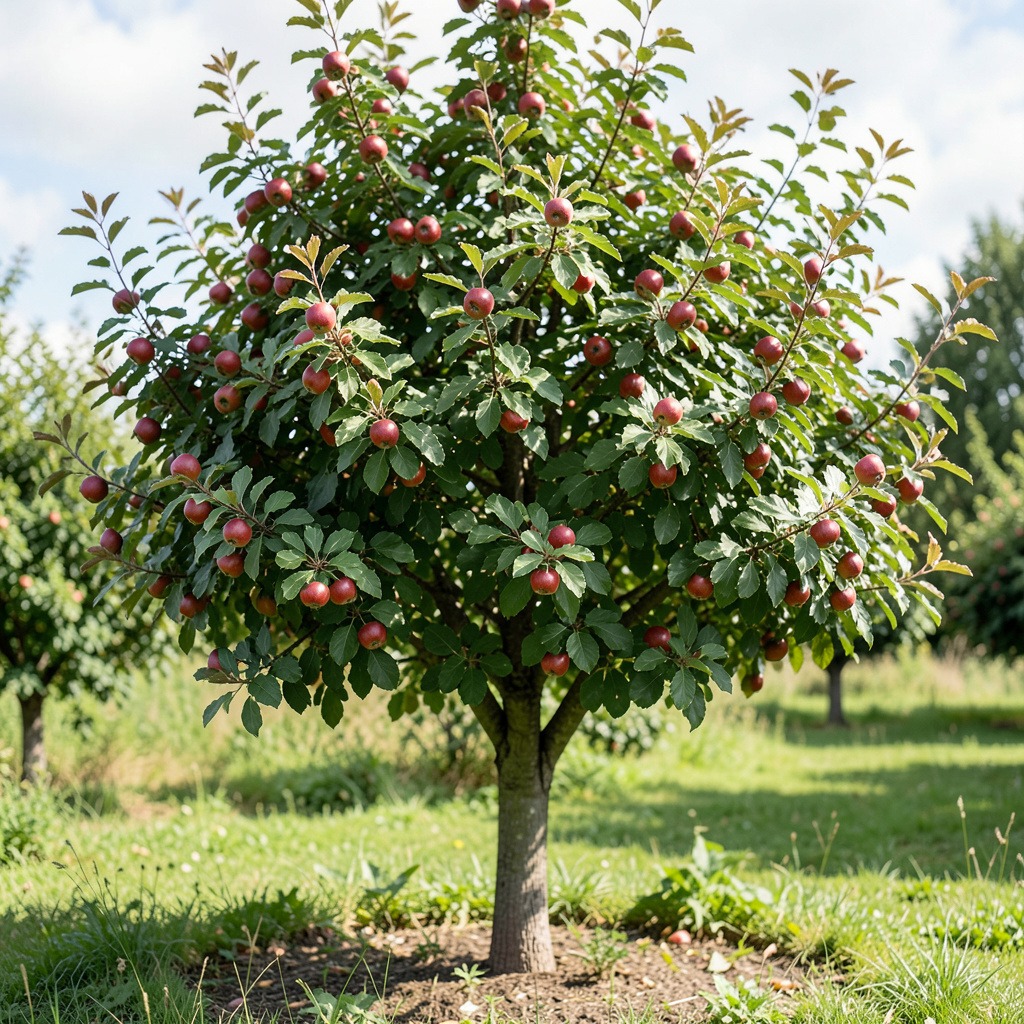
Understanding the Gladiator Crabapple Tree
The Gladiator crabapple tree, scientifically known as Malus ‘Gladiator’, is a popular choice among gardeners for its ornamental beauty and adaptability. This small tree features vibrant flowers and lush foliage, making it an attractive addition to various landscapes.
What is the Gladiator Crabapple?
The Gladiator crabapple is a hybrid crabapple tree that belongs to the Rosaceae family. It is particularly valued for its stunning display of bright pink flowers in spring, followed by small reddish-purple fruits. The tree typically reaches a height of 15 to 20 feet and has a similar spread, making it suitable for small spaces.
Key Features That Make It Attractive
1. Aesthetic Appeal: The Gladiator crabapple showcases dark, glossy bronze-purple leaves that maintain their color throughout the growing season. The spring blossoms and fall foliage create year-round visual interest.
2. Disease Resistance: This variety exhibits a high level of resistance to common diseases, including apple scab and fire blight, which enhances its longevity in gardens.
3. Growth Conditions: The Gladiator crabapple thrives in a wide range of soil types, from sandy to heavy clay. It is adaptable to various environmental conditions, including drought once established.
4. Wildlife Benefits: The tree attracts numerous pollinators, such as bees and butterflies, with its abundant flowers. Additionally, the small fruits serve as a food source for birds and other wildlife, enhancing biodiversity in your garden.
5. Maintenance: This tree requires minimal maintenance, making it an excellent choice for novice gardeners. Regular pruning can enhance its shape and promote better air circulation, reducing the risk of disease.
Unique Insights
When considering the Gladiator crabapple for your landscape, note that it performs exceptionally well in urban environments. Its compact size allows it to fit into tight spaces, such as boulevards or under power lines, where larger trees may not be suitable. This adaptability, combined with its aesthetic and environmental benefits, positions it as a versatile choice for various gardening needs.
Pros of the Gladiator Crabapple Tree
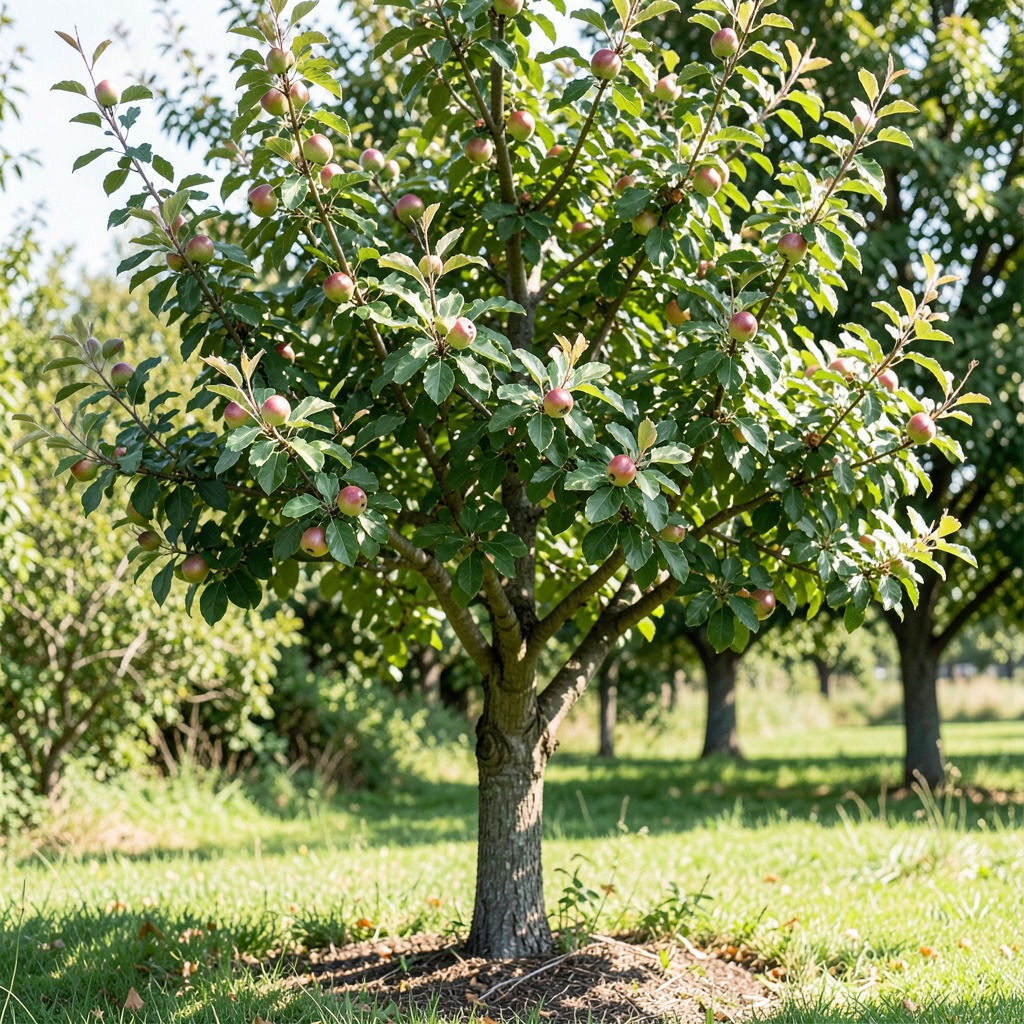
The Gladiator crabapple tree is renowned for its ornamental beauty and resilience. Its vibrant flowers and adaptable nature make it a favored choice among gardeners. Below, we explore its key benefits, focusing on aesthetic appeal, disease resistance, and environmental advantages.
Aesthetic Appeal and Seasonal Beauty
The Gladiator crabapple tree captivates with its stunning visual display throughout the year.
- Spring Blooms: It showcases a profusion of bright pink flowers in spring, attracting attention and pollinators alike.
- Lush Foliage: The tree features dark, glossy bronze-purple leaves that remain vibrant throughout the growing season.
- Autumn Colors: As fall approaches, the leaves transform into brilliant hues, enhancing the landscape’s seasonal palette.
- Ornamental Fruit: The small reddish-purple fruits that follow the blossoms persist into winter, providing visual interest even after the leaves have fallen.
This continuous visual appeal makes the Gladiator crabapple an excellent focal point in gardens and landscapes.
Low Maintenance and Disease Resistance
Gladiator crabapple trees are celebrated for their hardiness and low maintenance needs.
- Disease Resistance: They exhibit strong resistance to common diseases such as apple scab and powdery mildew, making them a robust choice for gardeners.
- Minimal Care Requirements: Once established, these trees require only basic care, primarily involving light pruning to maintain shape and remove any dead or damaged branches.
- Adaptability: They thrive in various soil types, including heavy clay, and are tolerant of both drought and poor drainage conditions.
This resilience means that gardeners can enjoy the beauty of these trees without the burden of extensive upkeep.
Environmental Benefits and Wildlife Attraction
The Gladiator crabapple tree plays a vital role in supporting local ecosystems.
- Pollinator Friendly: Its blossoms attract a range of pollinators, including bees and butterflies, essential for healthy gardens and biodiversity.
- Wildlife Habitat: The fruits serve as a food source for birds and small mammals, while its dense branches offer shelter for nesting.
- Biodiversity Enhancement: By planting Gladiator crabapple trees, gardeners contribute to local biodiversity, creating habitats that benefit multiple species.
These environmental advantages highlight the Gladiator crabapple as not only an attractive choice but also a responsible one for ecological health.
Cons of the Gladiator Crabapple Tree
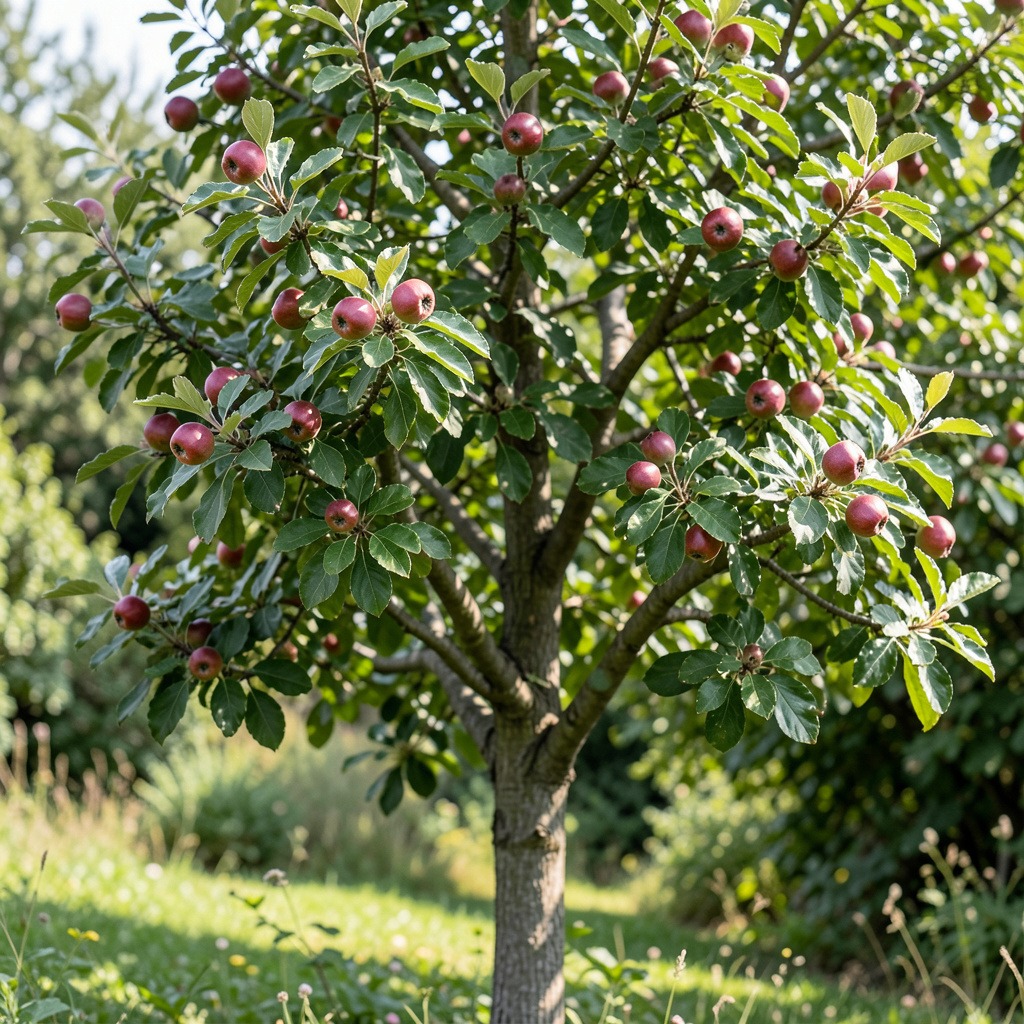
While the Gladiator crabapple tree offers aesthetic appeal and environmental benefits, it also presents several challenges that potential gardeners should consider. These drawbacks primarily revolve around maintenance issues and susceptibility to pests.
Messiness from Fruit Drop
One notable challenge with the Gladiator crabapple tree is its tendency to drop fruit. This can lead to a messy landscape, especially during the late summer and fall months. The small reddish-purple fruits, while attractive to wildlife, can create litter on sidewalks and driveways. Regular clean-up may be necessary to maintain a tidy appearance.
- Fruit Characteristics: The fruit is small and can attract various animals, which may further contribute to the mess.
- Maintenance Tip: Consider placing mulch beneath the tree to help manage the fallen fruit and minimize cleanup efforts.
Pest and Disease Susceptibility
Despite its overall hardiness, the Gladiator crabapple tree is not immune to pests and diseases. Common threats include:
- Aphids: These small insects can cluster on leaves, causing distortion and stress.
- Caterpillars: Larvae from moths can feed on leaves, impacting the tree’s health.
- Fungal Diseases: Although the Gladiator variety is generally disease-resistant, conditions such as powdery mildew can occur under certain circumstances.
To combat these issues, regular monitoring is essential. Implementing integrated pest management (IPM) strategies can help:
- Inspect Regularly: Check for signs of pests or diseases.
- Natural Predators: Encourage beneficial insects like ladybugs, which feed on aphids.
- Pruning: Remove any infected branches promptly to prevent the spread of disease.
Growth Limitations and Space Considerations
The Gladiator crabapple tree is compact, typically reaching heights of 15 to 20 feet. While this makes it suitable for smaller landscapes, it may still pose challenges in tighter spaces. The tree requires adequate room for air circulation and sunlight, which are critical for healthy growth.
- Site Selection: Choose a location that allows for sufficient space around the tree. Avoid crowded areas where competing plants may hinder its development.
- Pruning Needs: Regular pruning is necessary to maintain its shape and health. Remove water shoots and suckers to encourage better airflow and a more attractive structure.
By understanding these challenges, gardeners can better prepare for the care required to maintain a healthy Gladiator crabapple tree.
Care Requirements for Gladiator Crabapple Trees
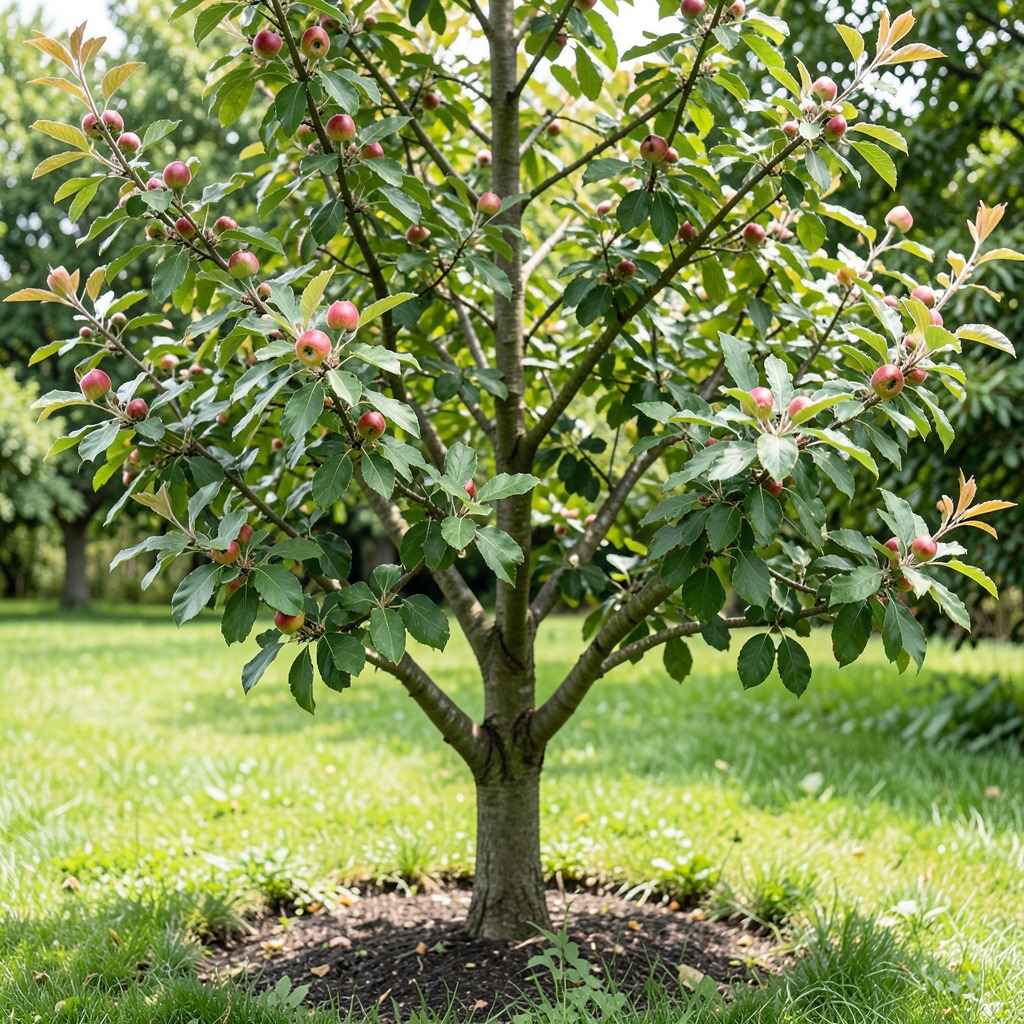
Caring for Gladiator crabapple trees ensures their growth and longevity. These trees demand specific conditions in terms of planting, watering, and pruning to thrive in any landscape.
Ideal Planting Conditions
For optimal growth, Gladiator crabapple trees prefer:
- Sunlight: Full sun exposure for at least six hours daily.
- Soil: Well-draining soil with a pH range of 6.0 to 7.0. They can tolerate various soil types, including clay.
- Space: Allow adequate spacing for air circulation and sunlight to penetrate the canopy.
Watering and Fertilization Needs
Watering is crucial, especially in the early stages. Follow these guidelines:
- Young Trees: Water deeply once a week during dry periods to encourage strong root development.
- Established Trees: Reduce watering frequency; however, monitor soil moisture. If the soil feels dry several inches down, it’s time to water.
- Fertilization: Use a balanced fertilizer in early spring as new growth begins. Follow the manufacturer’s recommendations for application rates.
Pruning Techniques for Optimal Growth
Regular pruning maintains the health and appearance of your Gladiator crabapple tree:
- When to Prune: Late winter or early spring before new growth emerges.
- What to Trim: Remove dead, damaged, or crossing branches. Focus on thinning the canopy to improve airflow.
- Shaping: Aim for an open center structure. This allows sunlight to reach the inner branches and helps prevent disease.
Seasonal Care Checklist
To maintain a healthy Gladiator crabapple tree, consider this seasonal care checklist:
| Season | Task |
|---|---|
| Spring | Fertilize; prune dead branches |
| Summer | Monitor for pests; water deeply |
| Fall | Remove fallen leaves; prune lightly |
| Winter | Inspect for damage; plan pruning |
By adhering to these care requirements, gardeners can enjoy the beauty and benefits of their Gladiator crabapple tree for years to come.
Comparison with Other Crabapple Varieties
When considering the Gladiator crabapple tree, it’s essential to compare it with other popular crabapple varieties. Each type has unique features that may suit different gardening needs and aesthetic preferences.
Gladiator vs. Other Popular Varieties
| Feature | Gladiator Crabapple | Centennial Crabapple | Indian Magic Crabapple |
|---|---|---|---|
| Height | 15-20 feet | 15-20 feet | 10-15 feet |
| Fruit Size | Small (less than 2 inches) | Small to medium | Small |
| Flower Color | Pink to white | White | Pink |
| Disease Resistance | High | Moderate | High |
| Fall Color | Yellow to orange | Yellow | Red |
| Pollinator Attraction | Excellent | Good | Excellent |
The Gladiator crabapple stands out due to its high disease resistance and vibrant fall color. It attracts a wide range of pollinators, making it an excellent choice for gardeners looking to enhance biodiversity.
What Makes Gladiator Stand Out?
1. Aesthetic Appeal: Gladiator crabapple features stunning pink to white flowers in spring. Its fall foliage transitions to bright yellow and orange, providing year-round visual interest.
2. Disease Resistance: Unlike many older varieties, Gladiator is known for its robust resistance to common pests and diseases. This reduces maintenance and increases longevity.
3. Pollinator Friendly: Gladiator’s blossoms are particularly attractive to bees and butterflies. This benefit not only supports local ecosystems but also enhances fruit production in nearby apple trees.
4. Fruit Characteristics: The small fruit, while not ideal for eating, serves as a food source for birds, making Gladiator a wildlife-friendly option.
In selecting a crabapple variety, consider the specific characteristics of the Gladiator compared to others like Centennial and Indian Magic. Each variety has its strengths, making it crucial to align your choice with your gardening goals and landscape design.
Conclusion: Is the Gladiator Crabapple Right for You?
Choosing the right ornamental tree involves assessing your landscape needs against the characteristics of the Gladiator crabapple. This section summarizes its pros and cons to help you make an informed decision.
Evaluating Your Space and Needs
Consider these pros and cons when deciding if the Gladiator crabapple fits your landscape:
Pros:
- Aesthetic Appeal: Offers year-round visual interest with vibrant blossoms in spring and colorful foliage in autumn.
- Wildlife Friendly: Attracts pollinators like bees and butterflies while providing food for birds with its fruit.
- Disease Resistance: Features enhanced resilience against common diseases, reducing maintenance.
- Versatile Growth Conditions: Thrives in various soil types and withstands different climate conditions.
Cons:
- Fruit Edibility: The small fruit may not be suitable for human consumption, limiting its use in culinary applications.
- Pest Management: While resistant to many diseases, the tree may still attract pests that require monitoring and management.
- Space Requirements: Depending on your landscape design, it may need ample room to grow and spread, which could be a limitation in smaller gardens.
Final Thoughts on Gladiator Crabapple
To determine if the Gladiator crabapple is the right choice for your garden, reflect on the following decision-making framework:
1. Assess Space: Ensure you have adequate room for the tree’s mature size.
2. Identify Goals: Consider if you seek ornamental value, wildlife support, or both.
3. Evaluate Maintenance: Decide if you are prepared for minimal care or if you prefer a low-maintenance option.
By aligning the Gladiator crabapple’s characteristics with your landscape vision, you can make a choice that enhances your outdoor space effectively.
Frequently Asked Questions
These quick answers cover the most common questions about this topic, including key details, practical tips, and common concerns.
What are the disadvantages of a crabapple tree?
Crabapple trees, including the Gladiator variety, can have a few disadvantages. One major issue is the fruit drop, which can create a messy landscape with fallen fruit littering sidewalks and driveways. Regular clean-up may be necessary to maintain a tidy appearance.
Additionally, while Gladiator crabapples are relatively disease-resistant, they can still attract pests like aphids and caterpillars. These pests may require monitoring and management to keep the tree healthy. Lastly, their compact size may not provide enough shade for larger areas, limiting their use in expansive landscapes.
Which is the prettiest crabapple tree?
Beauty is subjective, but many gardeners consider the Gladiator crabapple to be one of the prettiest varieties. Its vibrant pink flowers in spring, glossy bronze-purple leaves, and brilliant yellow to orange fall foliage create a stunning visual display throughout the year. Other contenders for the title include the Indian Magic crabapple, which features striking pink flowers, and the Centennial crabapple, known for its classic white blooms.
Is a crabapple tree good for the front yard?
Yes, a crabapple tree, particularly the Gladiator variety, can be an excellent choice for the front yard. Its compact size makes it suitable for smaller spaces, while its ornamental features enhance curb appeal. Additionally, the tree attracts pollinators and wildlife, contributing to a vibrant ecosystem in your garden. Just ensure it has enough sunlight and space to thrive.
Where is the best place to plant a crabapple tree?
The best place to plant a Gladiator crabapple tree is in a location that receives full sun for at least six hours a day. It prefers well-draining soil with a pH between 6.0 and 7.0. Additionally, ensure that there is enough space around the tree for air circulation and sunlight to penetrate the canopy. Avoid areas with heavy shade or competition from larger plants.
Can crabapple trees be pruned, and when?
Yes, crabapple trees can and should be pruned to maintain their shape and health. The best time to prune a Gladiator crabapple is in late winter or early spring, before new growth begins. Focus on removing dead, damaged, or crossing branches to improve airflow and sunlight penetration. This will help reduce the risk of disease and encourage a more attractive structure.
What pests affect crabapple trees?
Common pests that affect crabapple trees include aphids, caterpillars, and scale insects. Aphids can cluster on leaves, causing distortion and stress, while caterpillars feed on foliage. Regular monitoring is essential to catch these pests early. Implementing integrated pest management (IPM) strategies, such as introducing natural predators or using insecticidal soap, can help control infestations effectively.
How often should I water a Gladiator crabapple tree?
Watering frequency for a Gladiator crabapple tree depends on its age and environmental conditions. Young trees need deep watering once a week during dry periods to establish strong roots. Established trees require less frequent watering; monitor the soil moisture and water when it feels dry several inches down. Aim for consistent moisture, especially during hot summers, to promote healthy growth.
What are common problems with crabapple trees?
Common problems with crabapple trees include fruit drop, pest infestations, and fungal diseases. Fruit drop can create a messy yard, while pests like aphids and caterpillars may damage the leaves. Fungal diseases, though less common in Gladiator crabapples, can still occur. Regular inspections and proper care, such as pruning and monitoring for pests, can help mitigate these issues and maintain tree health.