
The Golden Rain Tree offers beautiful yellow flowers and adaptability but poses challenges like messiness, brittleness, and invasiveness, making it essential to weigh its pros and cons before planting in your landscape.
Table of Contents
The Golden Rain Tree (Koelreuteria paniculata) is admired for its stunning blooms and urban adaptability. However, potential planters should carefully consider its drawbacks, including messiness and invasiveness, to ensure a suitable fit for their landscape needs.

Understanding the Golden Rain Tree
The Golden Rain Tree (Koelreuteria paniculata) is a captivating addition to many landscapes. Its vibrant blooms and urban adaptability make it a popular choice, but understanding its characteristics is essential for successful planting.
Origin and Habitat
The Golden Rain Tree is native to East Asia, specifically China, Japan, and Korea. It was introduced to North America in 1763 and has since gained popularity in various regions. This tree thrives in a range of environments, including urban settings, parks, and residential gardens. Its ability to tolerate heat, drought, and pollution further enhances its appeal, making it suitable for cityscapes.
Unique Features
The Golden Rain Tree is celebrated for its striking aesthetic components:
- Vibrant Flowers: In summer, the tree displays clusters of bright yellow flowers that create a stunning visual impact.
- Ornamental Seed Pods: Following the flowering season, the tree produces distinctive seed pods that add interest throughout the fall.
- Foliage: The leaves emerge in spring with a pinkish-bronze hue, turning bright green in summer and transitioning to golden yellow in autumn.
These features contribute to its status as an ornamental tree, enhancing the overall beauty of any landscape.
Growth Characteristics
The Golden Rain Tree exhibits notable growth traits:
- Height: It typically reaches heights of up to 40 feet, providing ample shade.
- Spread: The tree can spread almost as wide, creating a rounded canopy.
- Growth Rate: It is a fast-growing species, which can be advantageous for those seeking quick greenery.
While its rapid growth can be a plus, it also leads to structural weaknesses. Its brittle branches are susceptible to breakage, especially in strong winds. Routine maintenance is vital to ensure the tree remains healthy and visually appealing.
When considering the Golden Rain Tree for your landscape, weigh its ornamental beauty against the challenges of its growth characteristics. Understanding these aspects will help you determine if this tree aligns with your landscape goals.
Pros of Planting a Golden Rain Tree
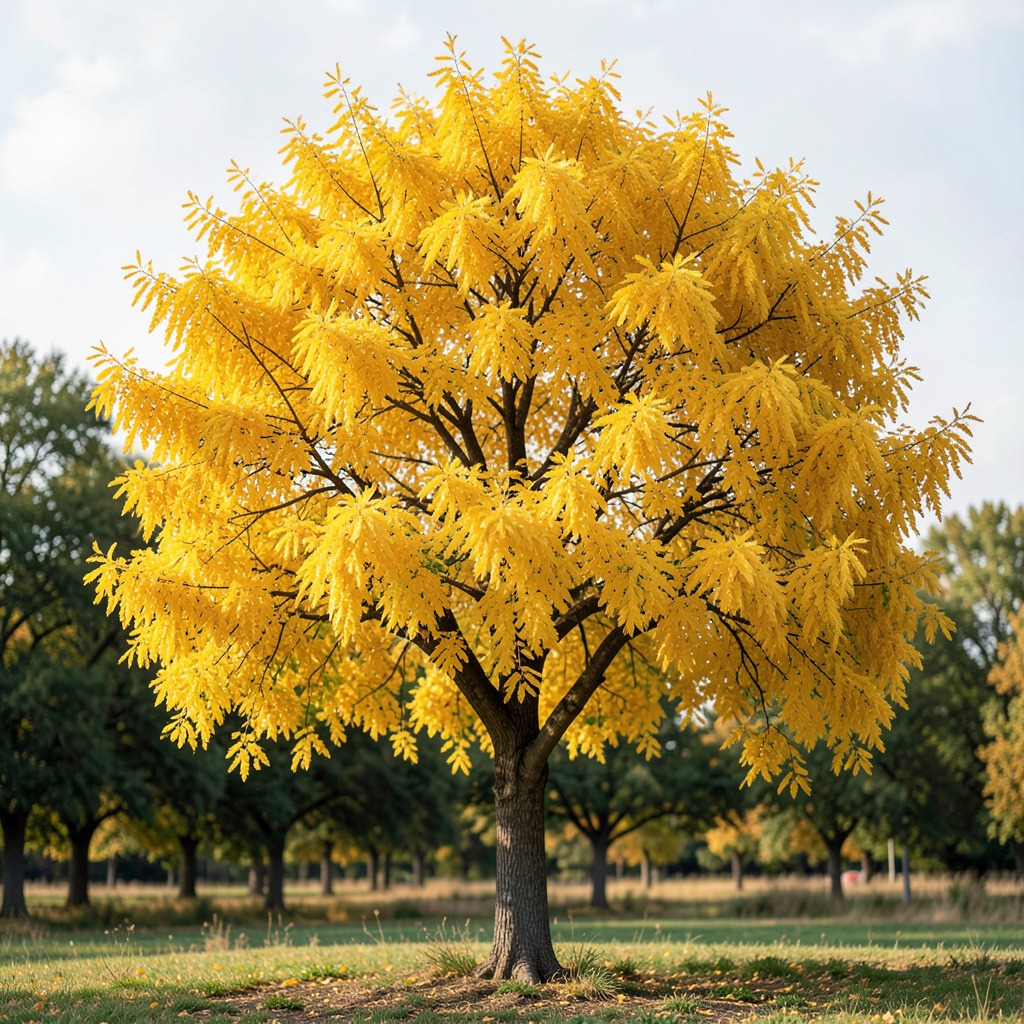
The Golden Rain Tree offers several advantages, making it an attractive option for various landscapes. Its aesthetic appeal, fast growth, and adaptability to urban environments are key benefits worth considering.
Aesthetic Appeal and Blooms
The Golden Rain Tree (Koelreuteria paniculata) is renowned for its striking yellow flowers that bloom in summer. These vibrant blooms create a stunning visual centerpiece in any garden. In addition to the flowers, the tree produces unique seed pods that maintain visual interest throughout the fall.
- Visual Impact: The bright yellow flowers can transform a dull landscape into a vibrant display.
- Seasonal Interest: The ornamental seed pods provide an eye-catching feature even after flowering.
Fast Growth and Size
This tree is a fast-growing species, reaching heights of 30 to 40 feet with a similar spread. Its growth rate can reach up to 24 inches per year, quickly providing shade and greenery.
- Quick Establishment: Ideal for those seeking immediate landscape impact.
- Canopy Formation: A rounded canopy can enhance the overall aesthetics of your yard.
Urban Tolerance and Adaptability
The Golden Rain Tree thrives in a variety of urban settings. It shows remarkable tolerance to drought, heat, and pollution, making it suitable for city landscapes. Its adaptability allows it to flourish in less-than-ideal soil conditions.
- Versatile Planting Options: Can be used in parks, streetscapes, and residential gardens.
- Low Maintenance: Requires minimal care once established, making it a practical choice for busy homeowners.
Checklist for Planting
- Evaluate Space: Ensure you have enough room for its mature size.
- Assess Soil Conditions: Confirm that your soil can support its growth.
- Plan for Maintenance: Regularly check for pests and manage seed dispersal to control invasiveness.
By weighing these benefits, you can make an informed decision about incorporating a Golden Rain Tree into your landscape design.
Cons of Planting a Golden Rain Tree
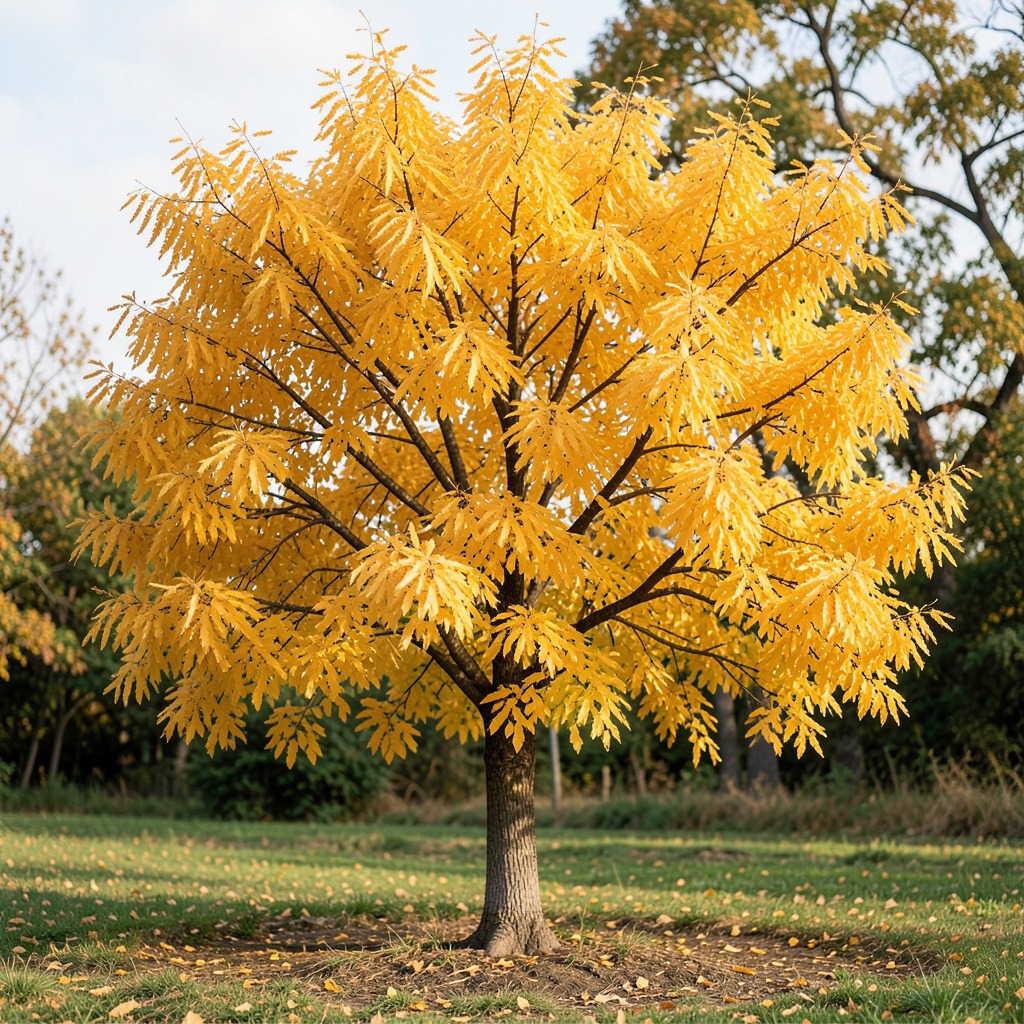
While the Golden Rain Tree is undeniably beautiful, several drawbacks must be considered before planting one. These concerns include messiness, brittleness, invasiveness, and susceptibility to pests and diseases.
Messiness and Maintenance
The Golden Rain Tree produces abundant seed pods that can create a significant mess. As these pods fall, they litter the ground, requiring regular cleanup. This can be a drawback for homeowners who prefer a tidy landscape. In comparison to other ornamental trees, such as the flowering dogwood or red maple, the Golden Rain Tree’s litter can be more challenging to manage.
Maintenance Tips:
- Regular raking to remove fallen seed pods.
- Consider planting in areas where debris won’t impede foot traffic.
Brittleness and Structural Concerns
The brittle branches of the Golden Rain Tree can pose structural issues. The tree is prone to breakage, especially in high winds. This fragility can lead to safety hazards, particularly in urban settings. In contrast, trees like the oak or maple have sturdier branches that withstand adverse weather more effectively.
Key Risks:
- Monitor for signs of weakness, especially after storms.
- Prune regularly to maintain structural integrity.
Invasiveness and Ecological Impact
The Golden Rain Tree is categorized as an invasive species in several regions. Its rapid growth and prolific seed production can outcompete native plants, disrupting local ecosystems. Managing its spread requires ongoing vigilance. In contrast, native trees often support local wildlife more effectively and require less intervention.
Management Strategies:
- Regularly monitor for new seedlings.
- Implement barrier methods to control spread.
Pests and Diseases
This tree is susceptible to various pests, including the Jadera bug and scale insects, which can weaken its health. Additionally, it faces threats from diseases like Verticillium wilt, which can lead to severe decline. Unlike more resilient species, the Golden Rain Tree requires careful monitoring and management to mitigate these issues.
Common Pests:
- Jadera Bugs: Nuisance but not fatal.
- Scale Insects: Can sap tree strength; treat with horticultural oils.
By understanding these cons, you can make a more informed decision about whether the Golden Rain Tree aligns with your landscape goals. Consider both the aesthetic benefits and the potential challenges before planting.
Care and Maintenance of the Golden Rain Tree
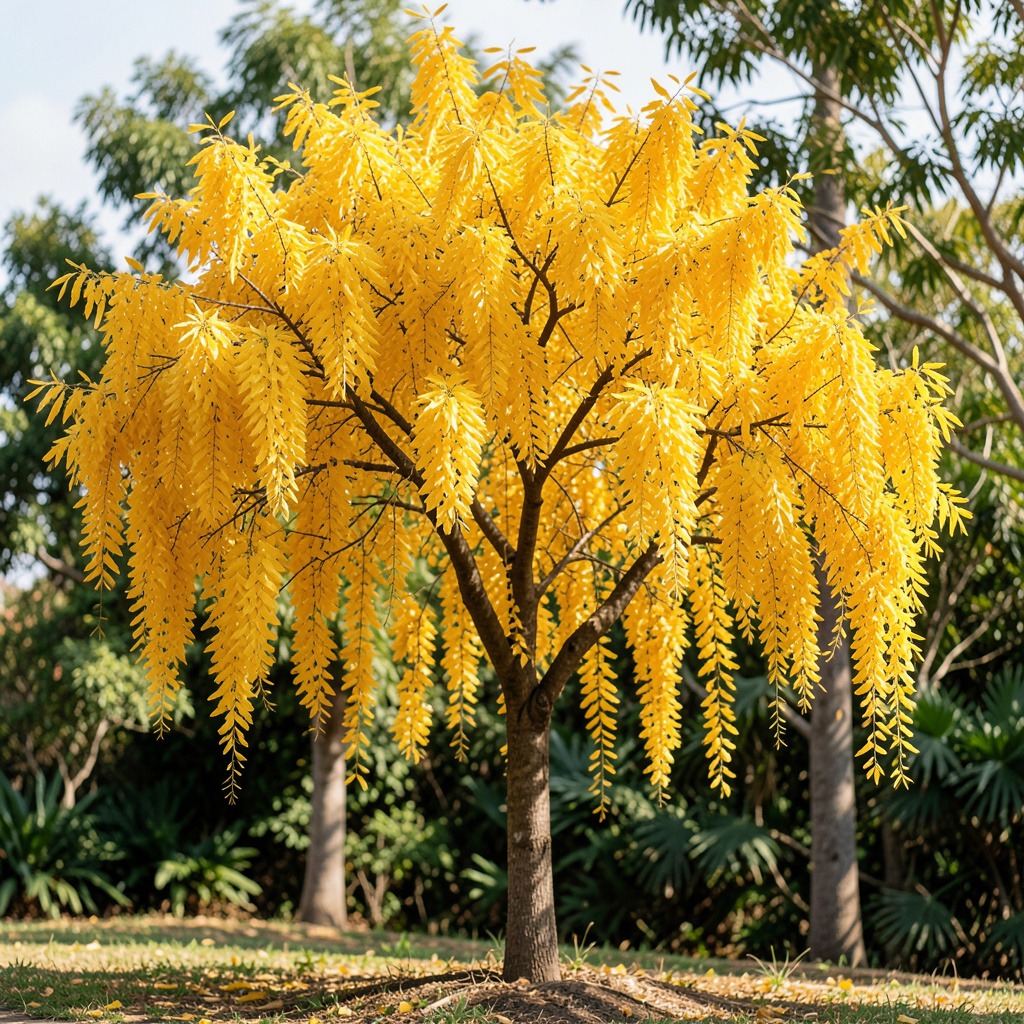
Caring for a Golden Rain Tree requires attention to its specific needs. Proper watering, pruning, and pest management are essential for maintaining its health and beauty.
Watering and Soil Requirements
The Golden Rain Tree thrives in well-drained soil. During its first few years, ensure regular watering to establish deep roots. Once mature, it becomes drought-tolerant, requiring minimal supplemental watering.
- Newly Planted Trees: Water deeply once a week, especially in dry spells.
- Established Trees: Water only during prolonged drought.
Pruning Techniques
Pruning helps maintain the tree’s shape and health. Regular pruning encourages strong branch development and reduces the risk of breakage.
- Timing: Prune in late winter or early spring before new growth begins.
- Technique:
- Remove dead or damaged branches.
- Thin out crowded areas to enhance air circulation.
- Avoid cutting more than one-third of the tree in a single session.
Pest and Disease Management
Managing pests and diseases is crucial for the Golden Rain Tree’s longevity. Regular inspections help catch issues early.
- Common Pests:
- Jadera Bugs: Visual nuisance; control with insecticidal soap.
- Scale Insects: Treat with neem oil or horticultural oil to prevent sap loss.
- Diseases:
- Verticillium Wilt: Look for wilting leaves; maintain adequate watering and fertilization to bolster resistance.
Seasonal Care Checklist
- Spring:
- Fertilize with a balanced fertilizer if growth is slow.
- Prune to shape the tree.
- Summer:
- Monitor for pests and water as needed.
- Fall:
- Clean fallen leaves to prevent disease.
- Winter:
- Inspect for damage and prepare for pruning.
By following these care guidelines, you can ensure that your Golden Rain Tree remains a vibrant and attractive addition to your landscape while minimizing potential issues.
Comparing Golden Rain Tree with Other Ornamental Trees
When considering the Golden Rain Tree (Koelreuteria paniculata) for your landscape, it’s essential to compare its attributes with other popular ornamental trees. This analysis will help you make an informed decision based on aesthetic value, growth characteristics, and maintenance requirements.
Similar Species Overview
Several ornamental trees share similarities with the Golden Rain Tree. Here are a few notable options:
- Crape Myrtle (Lagerstroemia indica)
- Pros: Vibrant flowers, drought-tolerant, low maintenance.
- Cons: Can be susceptible to powdery mildew.
- Eastern Redbud (Cercis canadensis)
- Pros: Early spring blooms, heart-shaped leaves, attracts pollinators.
- Cons: Requires well-drained soil, not as heat tolerant.
- Japanese Maple (Acer palmatum)
- Pros: Stunning foliage, diverse varieties, great for small spaces.
- Cons: Slow growth rate, sensitive to extreme weather.
Pros and Cons Comparison Table
| Feature | Golden Rain Tree | Crape Myrtle | Eastern Redbud | Japanese Maple |
|---|---|---|---|---|
| Aesthetic Appeal | Bright yellow flowers | Vibrant summer blooms | Pink/purple spring blooms | Colorful foliage |
| Growth Rate | Fast-growing (up to 40 ft) | Moderate growth | Moderate growth | Slow growth |
| Urban Adaptability | High | High | Moderate | Low |
| Maintenance Requirements | Moderate | Low | Moderate | High |
| Invasiveness | Moderate to high | Low | Low | Low |
| Pest/Disease Issues | Susceptible to Jadera bug | Minimal | Minimal | Susceptible to pests |
Recommendations for Landscape Choices
When selecting a tree, consider the following:
1. Assess Your Environment: Choose a tree that thrives in your local climate. For urban settings, the Golden Rain Tree excels due to its adaptability.
2. Evaluate Space: Consider the growth potential. If space is limited, opt for a smaller species like the Japanese Maple or Eastern Redbud.
3. Maintenance Commitment: Determine how much care you are willing to provide. Crape Myrtle offers low maintenance, while Japanese Maple may require more attention.
By weighing these factors, you can find the right ornamental tree that meets your landscape needs while considering the pros and cons associated with the Golden Rain Tree.
Alternatives to the Golden Rain Tree
When considering alternatives to the Golden Rain Tree, it’s essential to select native and non-invasive species that not only provide aesthetic appeal but also support local ecosystems. Here are some excellent options.
Recommended Native Alternatives
1. Eastern Redbud (Cercis canadensis)
- Aesthetic Appeal: Stunning pink flowers in spring.
- Size: Smaller, reaching 20-30 feet in height.
- Wildlife Benefits: Attracts pollinators such as bees and butterflies.
2. Flowering Dogwood (Cornus florida)
- Aesthetic Appeal: White or pink flowers and attractive fall foliage.
- Size: Grows to about 20-30 feet tall.
- Wildlife Benefits: Provides food for birds and other wildlife.
3. American Hornbeam (Carpinus caroliniana)
- Aesthetic Appeal: Beautifully shaped leaves and smooth, gray bark.
- Size: Typically reaches 30-40 feet in height.
- Wildlife Benefits: Supports various insects and provides shelter.
4. Serviceberry (Amelanchier spp.)
- Aesthetic Appeal: White flowers in spring followed by edible berries.
- Size: Can grow up to 25 feet tall.
- Wildlife Benefits: Berries attract birds and small mammals.
Benefits of Choosing Native Species
- Ecological Health: Native trees enhance local biodiversity, providing habitat and food for native wildlife.
- Adaptability: Native species are well-suited to local soil and climate conditions, often requiring less maintenance.
- Reduced Invasiveness: Unlike the Golden Rain Tree, native trees do not typically outcompete local flora, preserving the natural ecosystem.
Selecting native alternatives not only offers similar beauty and functionality but also contributes positively to the environment. Making informed choices can minimize landscape maintenance and ecological impact.
Frequently Asked Questions
These quick answers cover the most common questions about this topic, including key details, practical tips, and common concerns.
What are the best conditions for planting a Golden Rain Tree?
The Golden Rain Tree thrives in well-drained soil and prefers full sun. It adapts well to various soil types, including clay and sandy soils. Ensure you have enough space for its mature size, as it can grow up to 40 feet tall and wide. Planting in an area with good air circulation will help reduce the risk of pests and diseases.
How can I prevent my Golden Rain Tree from becoming invasive?
To manage the invasiveness of the Golden Rain Tree, it’s crucial to monitor its growth closely. Regularly check for new seedlings and remove them promptly. Consider planting in areas where the tree won’t spread uncontrollably, such as near other established plants that can compete for resources. Pruning can also help control its shape and reduce seed production.
What pests should I look out for with Golden Rain Trees?
Common pests affecting Golden Rain Trees include Jadera bugs and scale insects. Jadera bugs are more of a nuisance than a threat, while scale insects can weaken the tree by sucking sap. Regular inspections and treatments with horticultural oils or insecticidal soap can help manage these pests effectively.
When is the best time to plant a Golden Rain Tree?
The ideal time to plant a Golden Rain Tree is in the spring or early fall. This timing allows the tree to establish roots before winter. If planting in spring, wait until the risk of frost has passed. Ensure the soil is workable and moist to promote healthy growth.
How often should I prune my Golden Rain Tree?
Pruning should occur once a year, ideally in late winter or early spring before new growth begins. This practice helps maintain the tree’s shape and structural integrity. Remove any dead or damaged branches and thin out crowded areas to improve air circulation. Avoid cutting more than one-third of the tree in a single session to prevent shock.
What are some alternatives to the Golden Rain Tree for landscaping?
Consider native trees like the Eastern Redbud, Flowering Dogwood, or Serviceberry as alternatives to the Golden Rain Tree. These species offer similar aesthetic appeal without the invasiveness. They also provide benefits to local wildlife, such as food and habitat, making them excellent choices for environmentally conscious landscaping.
What should I know about specific care tips for different climates?
In warmer climates, ensure adequate watering during dry spells, especially for young trees. In cooler regions, protect the tree from harsh winds and frost. Adjust your care routine based on your local climate conditions, focusing on soil moisture and seasonal temperature changes to promote healthy growth.
What should I know about the impact on local wildlife and ecosystems?
The Golden Rain Tree can disrupt local ecosystems due to its invasive nature. It may outcompete native plants for resources, reducing biodiversity. In contrast, native trees provide essential habitats and food sources for local wildlife, supporting a healthier ecosystem. Choosing native species can enhance your landscape while benefiting the environment.