
The green ash tree offers benefits like rapid growth and shade provision but has notable drawbacks, including vulnerability to the emerald ash borer, which can threaten its health and landscape viability.
Table of Contents
The green ash tree is a popular choice for many landscapes due to its fast growth and adaptability. However, potential issues such as pest infestations and structural weaknesses warrant careful consideration. This guide explores the eight critical pros and cons of the green ash tree.

Introduction to the Green Ash Tree
The green ash tree, scientifically known as Fraxinus pennsylvanica, is a versatile tree species renowned for its rapid growth and adaptability. It is a favored choice in landscapes for its aesthetic appeal and practical benefits.
Key Characteristics
- Growth Rate: Green ash trees can grow up to 2-3 feet per year, making them one of the faster-growing tree species.
- Soil Adaptability: They thrive in a variety of soil types, including clay, loam, and sandy soils. This resilience allows them to flourish in less-than-ideal conditions.
- Size: Mature green ash trees can reach heights of 50 to 60 feet with a canopy spread of 30 to 40 feet, providing ample shade and visual impact.
Common Uses in Landscaping
Green ash trees serve multiple purposes in landscaping:
- Shade Provider: Their dense foliage offers significant shade, making them ideal for parks and residential areas.
- Ornamental Value: With attractive compound leaves that change color in fall, they enhance the visual allure of any landscape.
- Wildlife Habitat: These trees offer food and shelter for various bird species and insects, contributing to biodiversity.
Appeal and Considerations
The green ash tree is appealing due to its low maintenance and disease resistance. However, it is essential to consider its susceptibility to the emerald ash borer (EAB), an invasive pest that threatens its longevity. Homeowners should be aware of this risk when deciding to plant green ash trees in their landscapes.
For those contemplating the inclusion of a green ash tree, consider the following decision factors:
- Space Availability: Ensure there is sufficient room for the tree’s mature size.
- Local Soil Conditions: Determine if your soil type is conducive to green ash growth.
- Maintenance Commitment: Assess your willingness to manage potential pest threats, particularly EAB infestations.
By understanding the characteristics and ecological role of the green ash tree, you can make informed landscaping decisions that align with your goals and environmental conditions.
1. Fast Growth Rate: A Major Advantage
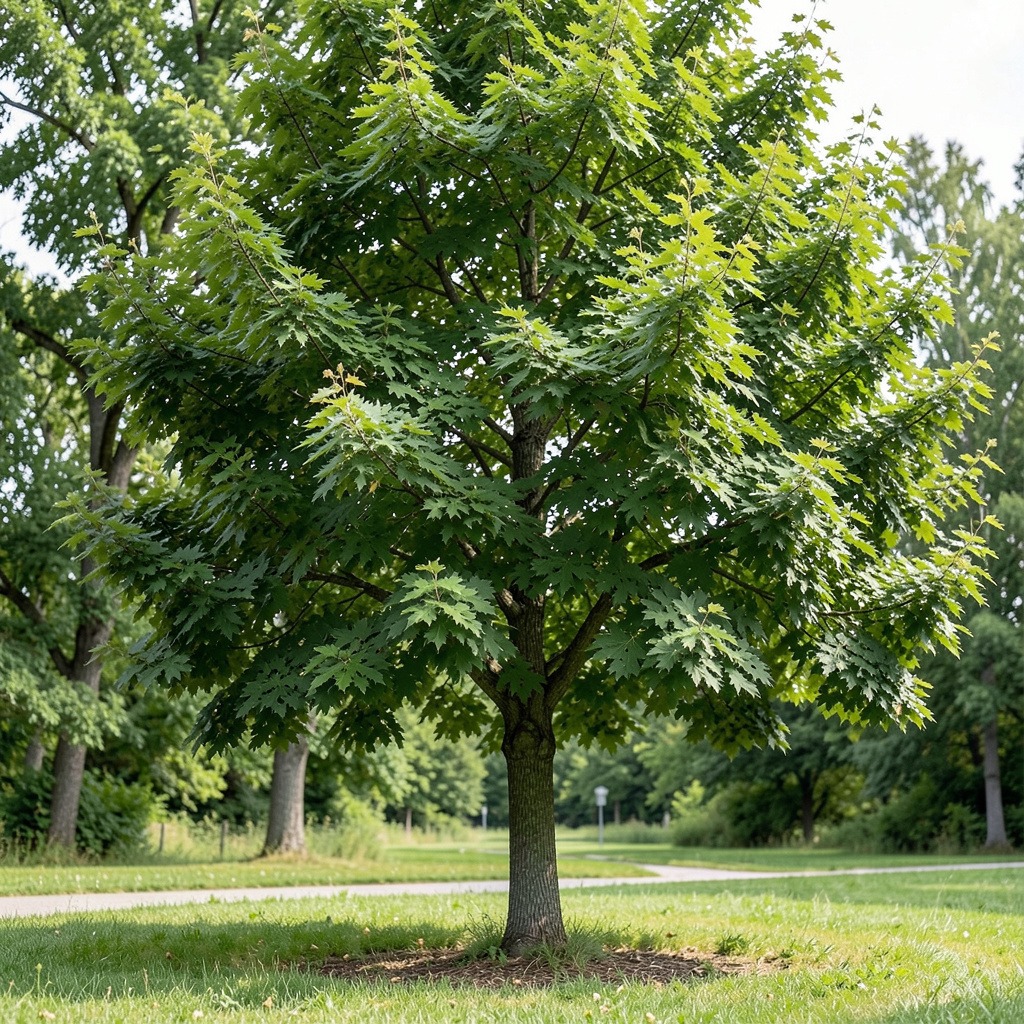
Green ash trees (Fraxinus pennsylvanica) are recognized for their impressive growth rate, making them an appealing choice for quick landscaping solutions. Their rapid development allows homeowners to establish a lush environment within a short period.
How Fast Do Green Ash Trees Grow?
Green ash trees can reach heights of up to 60 feet in just 20 years. This growth rate is significantly faster than many other common landscaping trees, such as oaks or maples, which may take decades longer to achieve similar heights. Here’s a quick comparison:
| Tree Species | Average Height (Years to Maturity) |
|---|---|
| Green Ash | Up to 60 ft (20 years) |
| Red Maple | Up to 40 ft (30 years) |
| Northern Red Oak | Up to 75 ft (40-50 years) |
| Sugar Maple | Up to 50 ft (30-40 years) |
This rapid growth not only provides immediate shade but also enhances the overall aesthetic appeal of the landscape.
Ideal Conditions for Optimal Growth
To thrive, green ash trees prefer well-drained soils but can adapt to a range of soil types, including clay and sandy conditions. Here are key factors for optimal growth:
- Soil pH: Tolerates both acidic and alkaline soils.
- Moisture Levels: Can withstand both dry and moist environments.
- Sun Exposure: Prefers full sun for maximum growth.
By planting green ash trees in the right conditions, homeowners can enjoy the benefits of a fast-growing, resilient tree that contributes to their landscape’s beauty and function.
2. Environmental Benefits: Shade and Air Quality
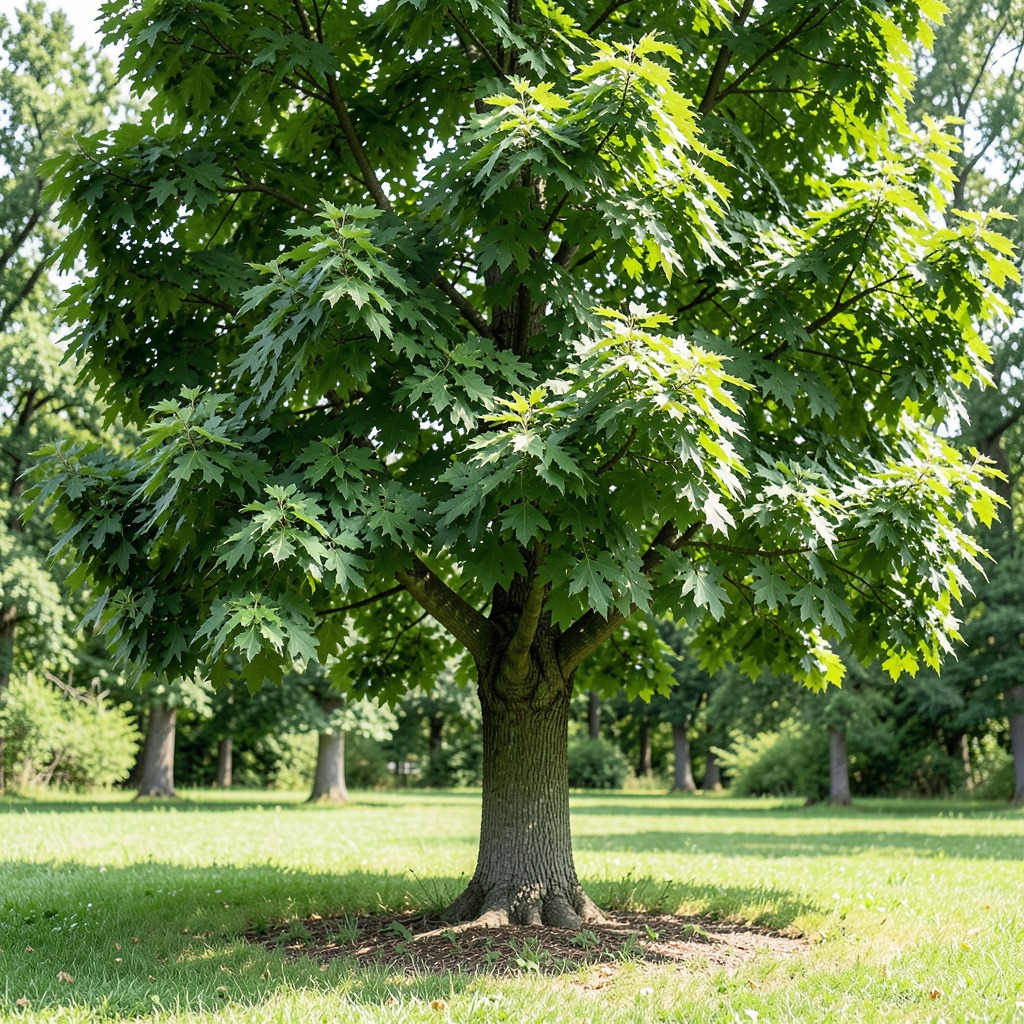
Green ash trees offer significant environmental advantages, particularly in urban settings. Their ability to provide shade and improve air quality makes them valuable assets to any landscape.
How Green Ash Trees Improve Air Quality
Green ash trees play a crucial role in enhancing urban air quality. They absorb carbon dioxide and release oxygen through photosynthesis, contributing to cleaner air. Additionally, they can filter out harmful pollutants like sulfur dioxide, ammonia, and nitrogen oxides.
- Pollutant Absorption: Green ash trees are adept at trapping particulate matter and harmful gases.
- Cooling Effect: Through transpiration, these trees release moisture into the air, which can lower temperatures in urban areas by up to 10 degrees Fahrenheit. This cooling effect reduces the urban heat island effect, promoting a healthier environment.
The Role of Shade in Urban Ecosystems
Shade from green ash trees is vital for urban ecosystems. Their dense canopy provides refuge for wildlife while creating comfortable outdoor spaces for people.
- Temperature Regulation: Shade from trees can significantly decrease ground-level temperatures, reducing the need for air conditioning in nearby buildings.
- Energy Savings: Planting shade trees like the green ash can lead to energy savings of 15-35% for cooling costs during hot months.
Quick Facts about Green Ash Shade:
- Coverage: A mature green ash can provide shade for up to 1,000 square feet.
- Wildlife Support: Offers habitat for birds and beneficial insects, fostering biodiversity.
By integrating green ash trees into urban landscapes, property owners can enhance air quality and create more enjoyable outdoor environments.
3. Wildlife Habitat Support
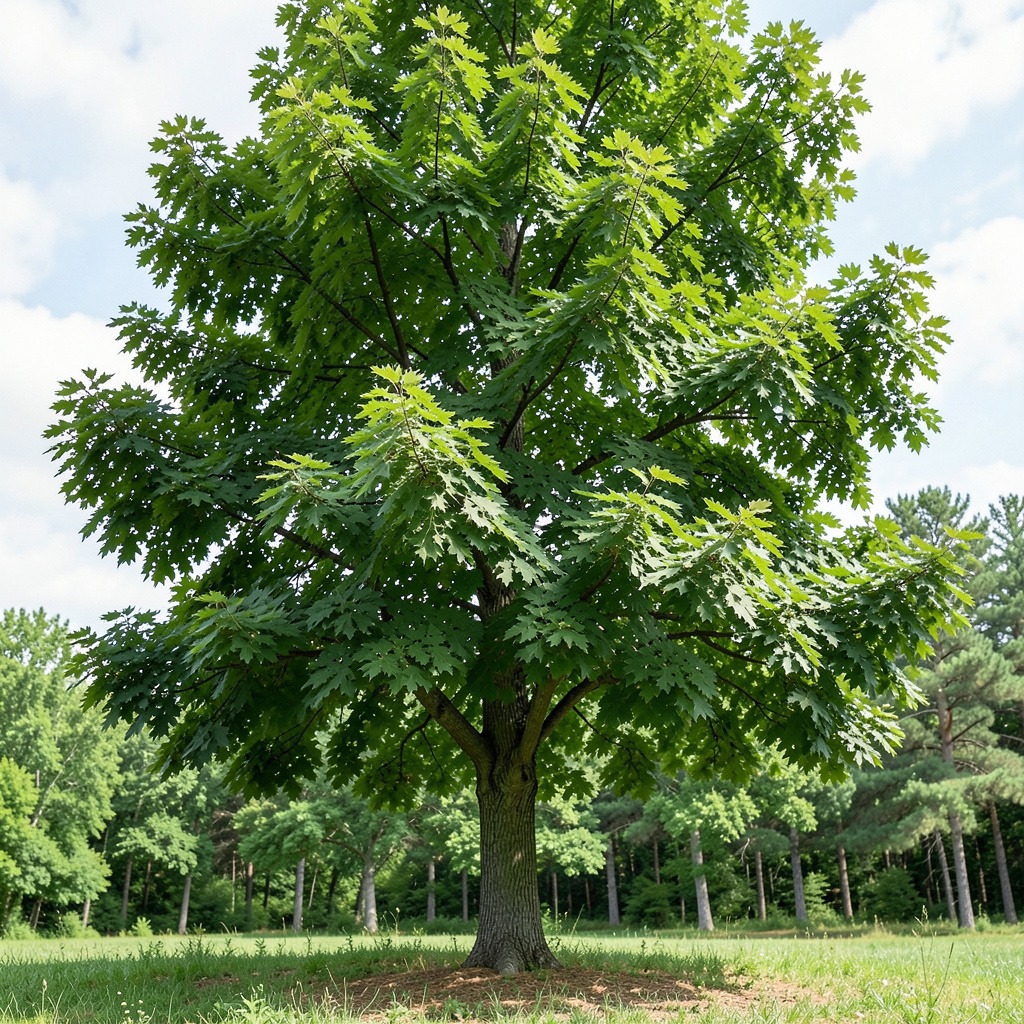
Green ash trees play a vital role in enhancing biodiversity. They provide essential habitats and food sources for various wildlife species. Their presence in landscapes fosters a thriving ecosystem.
Creating Habitats for Birds and Insects
Green ash trees attract numerous birds and beneficial insects. Their dense foliage offers nesting sites and shelter. Common species that benefit include:
- Birds: Sparrows, finches, and woodpeckers often nest in the branches.
- Insects: Pollinators like bees and butterflies seek nourishment from ash blossoms.
These trees serve as a hub of activity, encouraging a balanced ecosystem. Their leaves and seeds are food sources for many creatures. Consequently, planting green ash trees can transform your landscape into a wildlife haven.
The Importance of Biodiversity
Biodiversity is crucial for a healthy environment. Green ash trees contribute significantly to this by supporting a variety of species. Increased biodiversity leads to:
- Natural Pest Control: Predatory insects and birds help manage pest populations.
- Soil Health: Diverse wildlife supports soil aeration and nutrient cycling.
Case Study: In a suburban development, planting green ash trees resulted in a 30% increase in bird sightings over two years. Homeowners reported fewer pest issues due to the presence of natural predators.
By choosing to plant green ash trees, you actively contribute to wildlife preservation. Their ability to create habitats and support diverse species makes them an excellent choice for enhancing any landscape.
4. Aesthetic Appeal in Landscaping
The green ash tree (Fraxinus pennsylvanica) offers significant ornamental value, enhancing landscapes with its vibrant foliage and seasonal color transitions. Understanding these visual attributes can help you make informed landscaping decisions.
Seasonal Color Changes
Green ash trees are particularly noted for their striking seasonal transformations.
- Spring: Fresh, bright green leaves emerge, providing a lush backdrop as they fill out.
- Summer: Dense foliage offers cooling shade, making outdoor spaces more comfortable.
- Autumn: The leaves turn a stunning yellow-orange hue, creating a brilliant display that captures attention.
- Winter: The tree’s structure remains visually interesting with its bare branches, often accentuated by snow.
This seasonal color change not only enhances the aesthetic appeal but also allows for dynamic landscaping throughout the year.
Integrating Green Ash Trees in Landscape Design
Incorporating green ash trees into your landscape can yield numerous benefits. Consider the following:
- Shade Provision: Their expansive canopy makes them ideal for parks and residential gardens.
- Visual Focal Points: Use them as anchor points in design layouts to create depth and interest.
- Wildlife Interaction: Their presence can attract birds and beneficial insects, enriching the biodiversity of your garden.
Decision Framework for Placement
When deciding where to plant green ash trees, consider:
- Space Availability: Ensure adequate room for their growth.
- Sunlight Requirements: They thrive in full sun to partial shade.
- Soil Adaptability: Their adaptability to different soil types can enhance landscape functionality.
By carefully selecting planting locations and leveraging their seasonal beauty, green ash trees can significantly elevate the overall aesthetic of your landscape while providing practical benefits.
5. Risks of Emerald Ash Borer Infestation
The emerald ash borer (EAB) poses a significant threat to green ash trees, causing considerable damage and mortality. Understanding this pest and its impact is crucial for any landscaping decision involving green ash.
Identifying Emerald Ash Borer Damage
EAB infestations can lead to rapid decline in tree health. Signs of an infestation include:
- Thinning Canopy: Reduced leaf density and overall health.
- D-shaped Exit Holes: Characteristic holes in the bark where adult beetles emerge.
- Bark Splitting: Damage to the bark can indicate underlying infestations.
- S-shaped Galleries: Tunnels beneath the bark, created by larvae as they feed.
Early detection is vital. Monitoring for these signs can help homeowners take proactive measures before the tree suffers irreversible damage.
Treatment Options for Infested Trees
If EAB damage is detected, several treatment options are available:
- Insecticide Application: Systemic insecticides can be effective in managing EAB populations.
- Cultural Practices: Maintaining tree health through proper watering and fertilization can bolster resistance.
- Removal: Severely infested trees may need to be removed to prevent further spread.
Economic implications are significant. The cost of treating infested trees can escalate quickly, often exceeding the price of removal and replacement. Homeowners should weigh the cost of treatment against the potential loss of property value from declining tree health.
In summary, awareness of EAB risks and swift action can help manage the health of green ash trees effectively.
6. Structural Brittleness and Branch Failure
Green ash trees exhibit a notable risk of branch failure due to their inherent brittleness. This characteristic can lead to safety hazards, especially during adverse weather conditions. Understanding the implications of this risk is crucial for homeowners and landscapers.
Preventative Measures for Structural Integrity
To mitigate the risk of branch failure, regular maintenance is essential. Here are key practices to ensure the structural integrity of green ash trees:
- Regular Pruning: Trim dead or weak branches to reduce stress on the tree.
- Monitoring Growth: Keep an eye on the overall health of the canopy. A thinning canopy may indicate weakness.
- Proper Watering and Fertilization: Healthy trees are more resilient. Ensure adequate watering and nutrition.
- Support for Weak Branches: Consider using cables or braces for branches that show signs of weakness.
Recognizing Signs of Weak Branches
Identifying potential hazards early can prevent accidents. Look for the following signs that may indicate weak branches:
- Cracks in Bark: Visible splits can indicate internal weaknesses.
- Thinning Canopy: If leaves are sparse, the tree may be struggling.
- Deadwood: Presence of dead branches can compromise the tree’s structural integrity.
- Excessive Leaning: A noticeable tilt may suggest instability.
Taking these proactive measures and recognizing signs of weakness will enhance the safety of green ash trees in your landscape. By investing in proper care, you can enjoy the benefits of these trees while minimizing risks.
7. Root Conflicts and Infrastructure Damage
Green ash trees, while beneficial, can pose significant risks due to their expansive root systems. Understanding these risks is crucial for homeowners and landscapers when planning tree placements.
Understanding Root Structures
The root systems of green ash trees are extensive and aggressive. These roots can disrupt sidewalks, driveways, and even underground utilities. The following issues may arise:
- Sidewalk Damage: Roots can lift and crack concrete, creating tripping hazards.
- Foundation Stress: Close proximity to structures may lead to foundational issues over time.
- Sewer Line Damage: Roots can infiltrate sewer lines, causing blockages and costly repairs.
Awareness of these potential conflicts helps in strategic planning for planting locations.
Mitigating Damage to Surrounding Areas
To avoid root conflicts, careful placement of green ash trees is essential. Here are some practical guidelines:
- Distance from Structures: Plant green ash trees at least 10-15 feet away from foundations and sidewalks.
- Soil Type Considerations: Choose well-draining soils to reduce root expansion pressure.
- Regular Maintenance: Monitor root growth and trim when necessary to manage spread.
Checklist for Planting Locations:
- Assess soil drainage and compaction.
- Identify proximity to structures and utilities.
- Observe existing landscaping features that may be impacted.
By following these strategies, homeowners can enjoy the benefits of green ash trees while minimizing the risks associated with their root systems.
8. Alternatives to Green Ash Trees in Landscaping
When considering alternatives to green ash trees, it’s essential to identify species that provide similar aesthetic and ecological benefits without the risks associated with pests like the emerald ash borer. Here are some viable options.
Comparing Benefits of Other Shade Trees
1. Black Cherry (Prunus serotina)
- Growth Rate: Comparable to green ash, reaching heights of 60-80 feet.
- Wildlife Support: Attracts birds and insects with its fruit and flowers.
- Disease Resistance: More resistant to pests, reducing maintenance needs.
2. Northern Red Oak (Quercus rubra)
- Growth Rate: Grows 1-2 feet per year, establishing a strong canopy.
- Shade: Offers dense shade, ideal for larger landscapes.
- Soil Adaptability: Thrives in various soil types, including clay and loam.
3. Sugar Maple (Acer saccharum)
- Growth Rate: Slower initially, but can reach up to 75 feet over time.
- Aesthetic Appeal: Brilliant fall foliage adds seasonal color.
- Wildlife Habitat: Supports diverse wildlife, providing food and shelter.
Selecting the Right Tree for Your Landscape
To choose the best alternative, consider the following factors:
- Space Requirements: Assess how much room you have for the tree to grow.
- Soil Conditions: Evaluate your soil’s drainage, pH, and nutrient levels.
- Climate Suitability: Ensure the tree can thrive in your local climate.
| Tree Species | Growth Rate | Wildlife Support | Soil Adaptability | Aesthetic Benefits |
|---|---|---|---|---|
| Black Cherry | Moderate | High | Moderate | Attractive flowers |
| Northern Red Oak | Fast | Moderate | High | Dense shade |
| Sugar Maple | Slow to Moderate | High | Moderate | Stunning fall colors |
By carefully considering these alternatives, homeowners can enjoy the beauty and benefits of shade trees while minimizing the risks associated with green ash trees.
Frequently Asked Questions
These quick answers cover the most common questions about this topic, including key details, practical tips, and common concerns.
What are the disadvantages of an ash tree?
Green ash trees have several disadvantages, primarily their susceptibility to the emerald ash borer (EAB), an invasive pest that can devastate populations. Infestations can lead to rapid decline and even death of the tree. Additionally, green ash trees are prone to structural brittleness, which can result in branch failure during storms or high winds.
Other concerns include their extensive root systems, which can damage sidewalks and foundations. Homeowners should weigh these risks against the benefits when considering planting a green ash tree.
Are ash trees good for your yard?
Yes, green ash trees can be good for your yard if you have the right conditions and are prepared for potential maintenance. They grow quickly, provide ample shade, and support local wildlife. However, you must consider their vulnerability to pests like the EAB and their potential for structural issues.
If you choose to plant a green ash, regular monitoring and care are essential to ensure its health and longevity.
What problems do green ash trees have?
Green ash trees face several problems, including susceptibility to the emerald ash borer, which can lead to significant damage or death. They can also suffer from structural weaknesses, making them prone to branch breakage. Additionally, their aggressive root systems can disrupt nearby infrastructure.
Regular inspections for pests and proper maintenance can help mitigate these issues, but homeowners should be aware of the risks involved.
What is the average lifespan of a green ash tree?
The average lifespan of a green ash tree is typically between 30 to 60 years, depending on environmental conditions, care, and exposure to pests. In ideal conditions, some trees may live longer, but factors like disease, pests, and structural issues can significantly shorten their lifespan.
To maximize longevity, ensure proper planting, regular maintenance, and pest management.
Ash tree choices – save or cut down?
Deciding whether to save or cut down a green ash tree depends on its health and the extent of any pest damage. If the tree shows early signs of emerald ash borer infestation, treatments may be effective. However, if the damage is severe or the tree poses a risk to safety, removal may be the best option.
Consulting with a certified arborist can provide expert guidance on the best course of action based on the tree’s condition.
How can I protect my green ash tree from pests?
To protect your green ash tree from pests like the emerald ash borer, consider using systemic insecticides that can be applied to the soil or bark. Regular monitoring for signs of infestation, such as thinning foliage or exit holes, is crucial for early detection.
Additionally, maintaining the tree’s overall health through proper watering and fertilization can enhance its resistance to pests. Pruning dead or weak branches can also help reduce stress on the tree.
What alternatives exist to green ash trees?
If you’re looking for alternatives to green ash trees, consider species like the black cherry, northern red oak, or sugar maple. These trees provide similar benefits, such as shade and wildlife support, without the risks associated with emerald ash borer infestations.
Each alternative has its own growth rate, aesthetic appeal, and soil adaptability, so choose one that fits your landscape needs and conditions.