
Green grub worms, the larvae of beetles, feed on grass roots, causing significant lawn damage.
Table of Contents
Green grub worms are a common pest that can wreak havoc on your lawn by damaging grass roots. Understanding their lifecycle, effective treatments, and preventive measures is essential for maintaining a healthy, vibrant lawn.
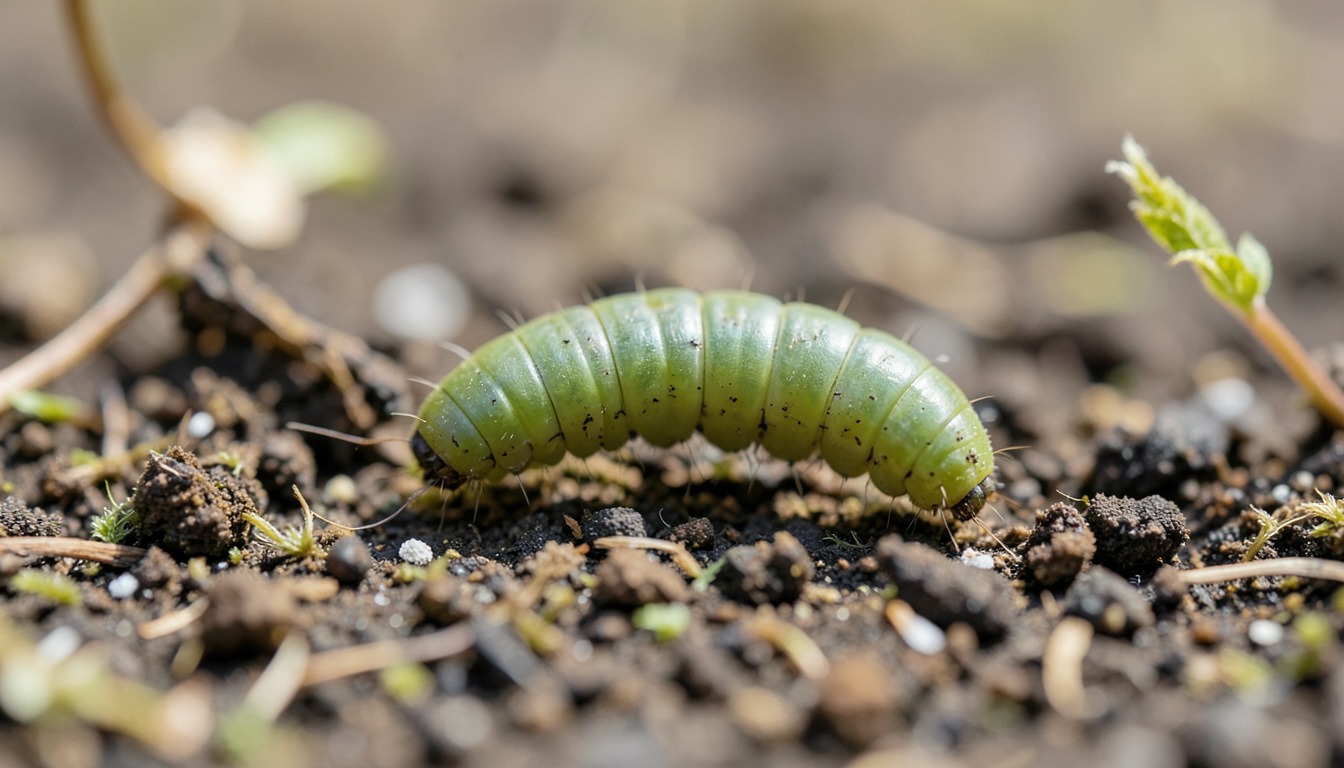
Understanding Green Grub Worms: Identification and Lifecycle
Accurate identification of green grub worms is crucial for effective treatment and prevention. Knowing their physical characteristics and lifecycle stages helps you address infestations promptly.
Physical Characteristics of Green Grub Worms
Green grub worms typically exhibit the following traits:
- Color: Light green to off-white with a smooth, shiny surface.
- Size: Ranges from 1 to 2 inches in length when fully grown.
- Body Shape: C-shaped with a distinct curvature, which is common among grubs.
- Head: Brownish-black, making it easy to distinguish from other larvae.
Recognizing these features early can prevent significant lawn damage.
Common Species of Grub Worms
Several species of grub worms can affect lawns, including:
- Japanese Beetle Larvae (Popillia japonica): Known for their destructive feeding habits on grass roots.
- June Beetle Larvae (Phyllophaga spp.): Commonly found in North America, they thrive in moist soils.
- European Chafer Larvae (Rhizotrogus majalis): Prefers sandy soils and can cause extensive damage.
Understanding which species you’re dealing with is essential for selecting the right management strategy.
Lifecycle Stages of Grub Worms
The lifecycle of grub worms consists of three main stages:
1. Egg Stage: Adult beetles lay eggs in the soil during summer. Each female can deposit 40 to 60 eggs.
2. Larval Stage: Eggs hatch into larvae (grubs) within two weeks. They feed on grass roots, causing damage.
3. Pupal Stage: As temperatures drop, grubs burrow deeper into the soil to overwinter. They emerge as adult beetles in spring, continuing the cycle.
Understanding this lifecycle aids in timing your treatment efforts. For example, targeting larvae with insecticides is most effective in summer and early fall when they are actively feeding.
Quick Identification Checklist
- Color: Light green or off-white.
- Length: 1 to 2 inches.
- Body Shape: C-shaped.
- Species: Identify if the grub is from Japanese, June, or European chafer beetles.
By applying this knowledge, you can effectively diagnose grub worm infestations and execute timely interventions. For those seeking a reliable treatment option, consider using Bayer Grub Control Granules for effective results.
The Damage Caused by Green Grub Worms: Signs to Look For
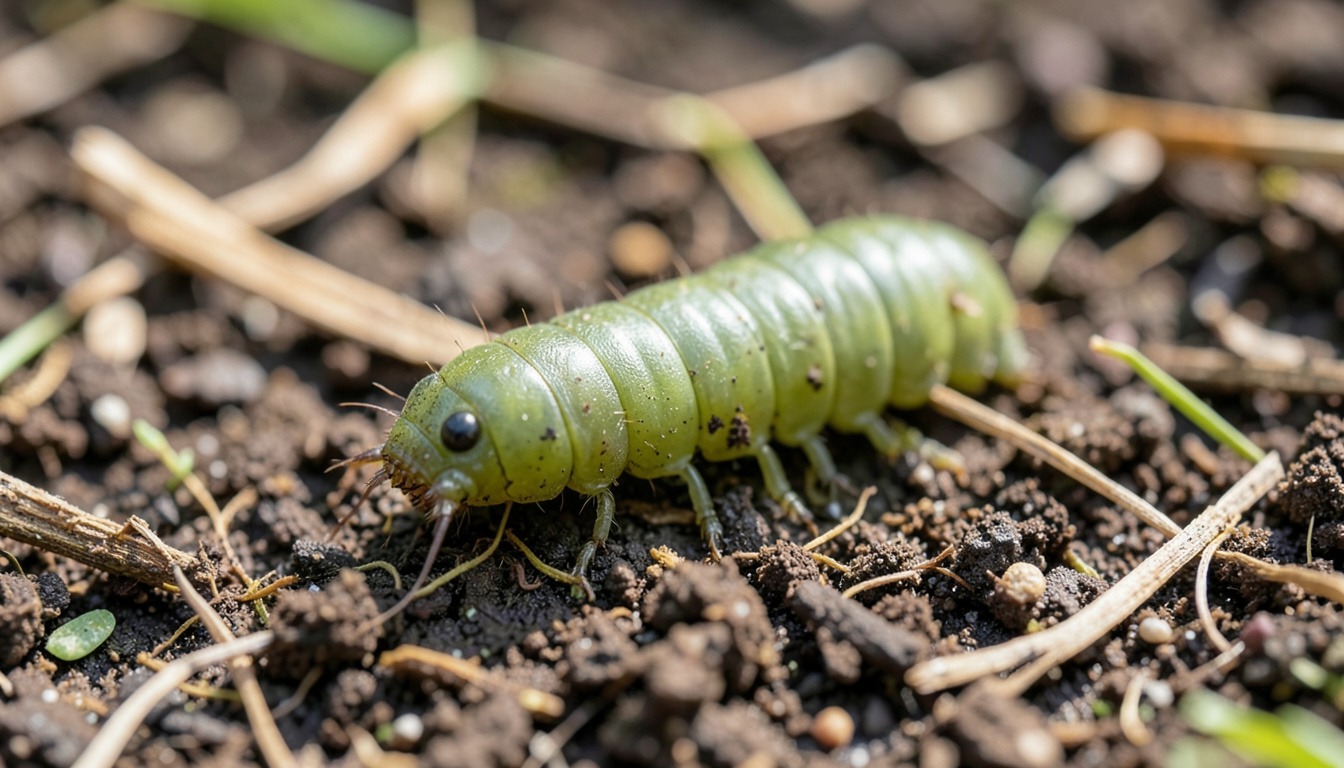
Green grub worms can inflict serious damage on your lawn. Their feeding habits weaken grass roots, leading to visible signs of distress. Understanding these signs is crucial for early intervention.
Identifying Lawn Damage from Grub Worms
Grub worms primarily feed on the roots of grass, causing several types of damage:
- Brown Patches: Areas of grass turn brown and die, often appearing in clusters.
- Peeling Grass: Infested grass can be lifted easily, much like a carpet.
- Root Damage: Roots may show signs of decay or be completely absent in heavily infested areas.
Common Symptoms of Infestation
Recognizing the symptoms of grub worm infestation is essential. Look for:
- High Foot Traffic: If your lawn feels spongy when walked on, it may indicate root damage.
- Animal Activity: Increased digging by raccoons or birds searching for grubs can signal an infestation.
- Chlorosis: Yellowing grass blades can occur as roots deteriorate.
Assessment Techniques for Lawn Health
To assess your lawn’s health and check for grub worms, use the following checklist:
1. Visual Inspection: Check for brown patches and areas that lift easily.
2. Soap Test: Mix a tablespoon of dish soap in two gallons of water. Pour it over a small area and wait. Grubs should surface within 10-15 minutes.
3. Root Examination: Pull back a section of turf to inspect roots for signs of grubs or damage.
By conducting regular assessments, homeowners can catch infestations early. If you find that grub populations exceed 15 per square foot, immediate action is necessary to prevent lasting damage.
As you tackle grub issues, consider using effective treatment options such as Bayer Grub Control Granules for reliable results.
Effective Treatment Methods for Green Grub Worms
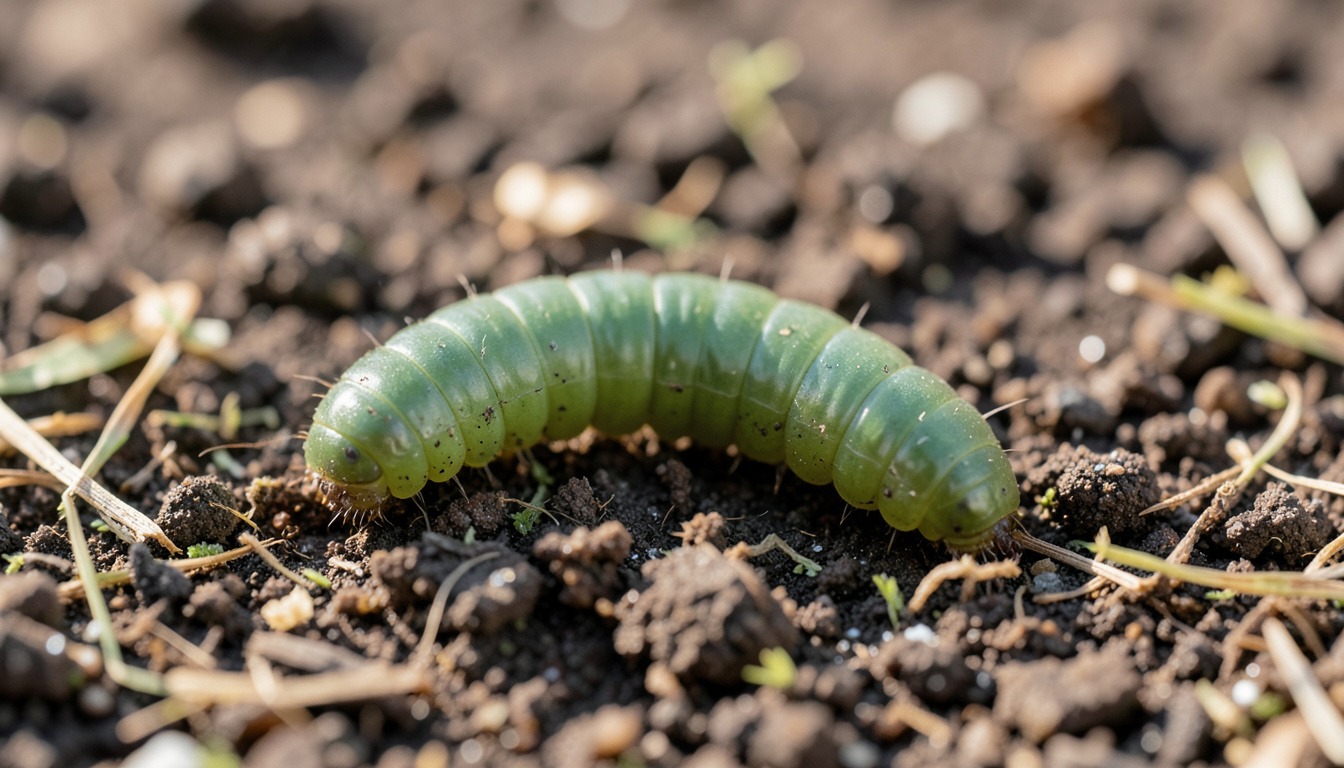
Managing green grub worms requires a strategic approach. Homeowners can choose between chemical and organic treatments, each with distinct benefits and considerations. Understanding the best options and their application timing can significantly enhance lawn health.
Chemical Treatments: Pros and Cons
Chemical treatments can provide quick relief from grub worms. They work best when applied during the peak feeding season, typically late summer to early fall. Here are key points to consider:
- Effectiveness: Chemical insecticides, such as those containing carbaryl or imidacloprid, act swiftly to eliminate infestations.
- Application Timing: Timing is crucial. Apply when grubs are near the soil surface for maximum effectiveness.
- Safety: While effective, chemical treatments may pose risks to beneficial insects and pets. Always follow label instructions carefully.
Decision Framework for Chemical Treatments:
1. Assess the severity of the infestation.
2. Determine the presence of beneficial insects in your lawn.
3. Choose a product labeled for grub control.
Organic Solutions for Grub Control
Organic solutions offer a safer alternative for environmentally conscious homeowners. Options include:
- Beneficial Nematodes: These microscopic worms infect and kill grub worms without harming other creatures. They are most effective in moist soil conditions during spring and fall.
- Diatomaceous Earth: This natural powder dehydrates and kills grubs upon contact.
- Neem Oil: Derived from the neem tree, it disrupts grub development and can be used as a foliar spray.
Application Tips for Organic Treatments:
- Apply beneficial nematodes in the early morning or late evening to avoid direct sunlight.
- Ensure the soil is moist prior to application for best results.
When to Apply Treatments for Maximum Effectiveness
Timing is critical in grub worm management. Use this guideline:
| Treatment Type | Best Application Timing | Notes |
|---|---|---|
| Chemical | Late summer to early fall | When grubs are actively feeding near the surface. |
| Organic | Early spring or fall | When soil is moist and grubs are vulnerable. |
Monitoring your lawn regularly can help identify the right time for treatment. Early detection leads to more effective intervention, allowing for a healthier lawn ecosystem.
Preventing Green Grub Worm Infestations
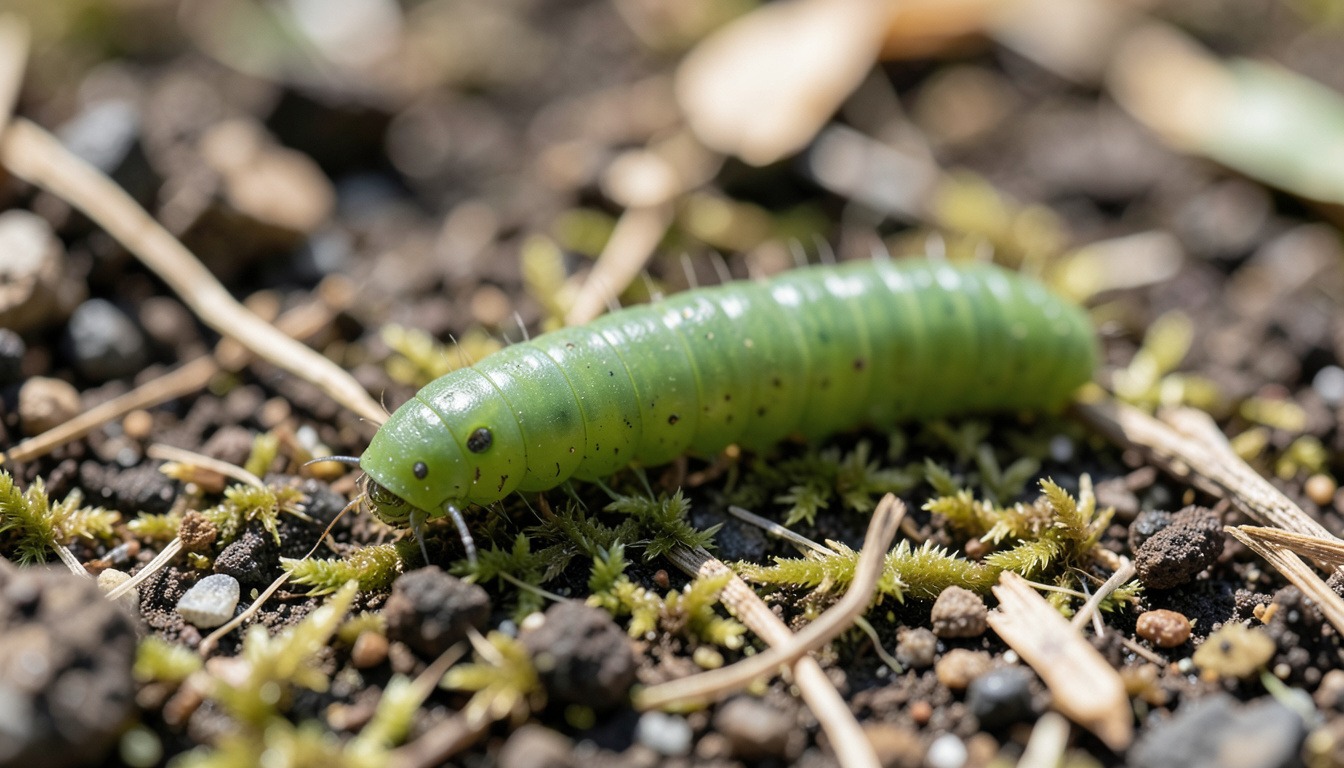
Preventing green grub worm infestations requires a proactive approach to lawn care. By implementing effective cultural practices and routine maintenance, homeowners can significantly reduce the risk of grub worm damage.
Lawn Care Practices to Prevent Grub Worms
1. Maintain Healthy Turf: Strong, dense grass is less susceptible to grub infestations. Regular mowing, watering, and fertilizing promote vigorous growth.
2. Soil Health: Test soil pH and nutrient levels. Amend soil as needed to create a balanced environment conducive to grass health.
3. Weed Control: Remove weeds and debris. A clean lawn reduces hiding spots for adult beetles, which lay eggs that hatch into grubs.
4. Aeration: Aerate your lawn annually. This practice improves water and nutrient absorption, promoting healthier grass that can better withstand pest pressure.
Seasonal Maintenance Tips
Adapting your lawn care routine to seasonal changes enhances its resilience against grub worms.
| Season | Action Items |
|---|---|
| Spring | Apply organic treatments like beneficial nematodes. Monitor for signs of grubs. |
| Summer | Maintain adequate watering. Focus on mowing height; avoid scalping. |
| Fall | Apply preventative chemical treatments if necessary. Reseed bare patches. |
| Winter | Keep the lawn clear of debris to prevent pest harborage. |
Using Natural Predators in Your Lawn
Incorporate beneficial insects into your lawn care strategy. Natural predators help control grub populations effectively.
- Beneficial Nematodes: These microscopic worms target and kill grub larvae. Apply them in moist soil during early spring or fall for best results.
- Birds and Other Predators: Encourage birds by providing nesting areas. They can help keep grub populations in check.
Implementing these strategies creates a healthier lawn ecosystem that is better equipped to resist grub worm infestations. Regular monitoring and adjustments to your lawn care practices are essential for long-term success.
Common Lawn Care Mistakes Related to Grub Worms
Homeowners often make critical mistakes in lawn care that can worsen grub worm infestations. Understanding these pitfalls is essential for maintaining a healthy lawn and preventing damage.
Mistakes That Attract Grub Worms
1. Poor Soil Quality: Neglecting soil health leads to weak grass. Grub worms thrive in unhealthy turf.
2. Inadequate Watering: Overwatering or underwatering stresses grass. Stressed grass is more susceptible to grub damage.
3. Ignoring Thatch Buildup: Thatch creates a perfect habitat for grubs. Regular dethatching is crucial.
4. Neglecting Lawn Maintenance: Skipping fertilization and mowing can weaken grass. This opens up opportunities for grub infestations.
Corrective Actions for Lawn Care
- Improve Soil Quality: Conduct a soil test. Amend soil based on results to enhance nutrients and structure.
- Establish a Watering Schedule: Water deeply and infrequently. Aim for 1 inch of water per week, adjusting for rainfall.
- Dethatch Regularly: Use a dethatching rake or machine. Remove excess thatch to disrupt grub habitats.
- Maintain a Regular Lawn Care Routine: Fertilize appropriately and mow at the right height. Healthy grass can better withstand pest pressure.
Maintaining a Healthy Lawn Ecosystem
Promoting a balanced ecosystem in your lawn is vital. Here’s a checklist to help you avoid common mistakes:
Lawn Care Dos:
- Test soil pH and nutrient levels annually.
- Water early in the morning to reduce evaporation.
- Aerate your lawn to improve root growth.
- Use organic fertilizers to strengthen grass without harming beneficial organisms.
Lawn Care Don’ts:
- Don’t over-fertilize, as this can lead to excessive thatch.
- Avoid using heavy machinery on wet soil to prevent compaction.
- Don’t ignore visible signs of grub damage, such as brown patches or birds digging in your lawn.
By recognizing and correcting these common mistakes, homeowners can significantly reduce the risk of grub worm infestations. Implementing these strategies creates a more resilient lawn that can fend off pests effectively.
Frequently Asked Questions
These quick answers cover the most common questions about this topic, including key details, practical tips, and common concerns.
What are the signs of a green grub worm infestation?
Signs of a green grub worm infestation include brown patches in your lawn, areas of grass that peel up easily, and increased activity from animals like raccoons or birds digging for food. You may also notice yellowing grass blades, which indicates root damage. Regular inspections can help catch these signs early.
How can I tell if my lawn is damaged by grub worms?
To assess lawn damage, look for clusters of brown patches or areas where the grass feels spongy underfoot. You can perform a simple soap test by mixing a tablespoon of dish soap in water and pouring it over a small area. Grubs should surface within 10-15 minutes if present. Additionally, inspect roots for decay or absence, especially in heavily affected areas.
What is the lifecycle of a grub worm?
The lifecycle of a grub worm consists of three stages: egg, larval, and pupal. Adult beetles lay eggs in the soil during summer, which hatch into larvae within two weeks. These larvae feed on grass roots before burrowing deeper into the soil to pupate in the fall. They emerge as adult beetles in spring, continuing the cycle.
Are there natural methods to get rid of grub worms?
Yes, natural methods include using beneficial nematodes, diatomaceous earth, and neem oil. Beneficial nematodes target and kill grubs without affecting other organisms. Diatomaceous earth dehydrates grubs upon contact, while neem oil disrupts their development. These options are safer for the environment and beneficial insects.
When is the best time to treat for grub worms?
The best time to treat for grub worms is late summer to early fall when they are actively feeding near the surface. For organic treatments, early spring or fall is ideal, especially when the soil is moist. Timing your treatments correctly enhances their effectiveness and minimizes lawn damage.
How can I prevent grub worm infestations in my lawn?
To prevent grub worm infestations, maintain a healthy lawn by regularly mowing, watering, and fertilizing. Test your soil to ensure proper pH and nutrient levels. Aerate your lawn annually and remove weeds and debris to limit hiding spots for adult beetles. These practices create a resilient lawn that can better withstand pests.
What types of beetles do grub worms come from?
Grub worms typically come from several beetle species, including Japanese beetles, June beetles, and European chafers. Each species has different feeding habits and life cycles, which can influence the management strategies you choose. Identifying the specific beetle can help you tailor your treatment approach effectively.
Can grub worms survive winter in my lawn?
Yes, grub worms can survive winter in your lawn by burrowing deeper into the soil. They enter a dormant state during colder months and emerge as adult beetles in the spring. This ability to overwinter makes it essential to manage grub populations effectively before winter sets in to prevent future infestations.