
Linden trees offer numerous benefits, including shade, aesthetic appeal, and support for pollinators, but they also come with drawbacks like pest attraction, invasive roots, and maintenance requirements that should be considered before planting.
Table of Contents
When considering the addition of linden trees to your landscape, it’s essential to weigh their advantages against potential drawbacks. This guide explores 21 pros and cons to help you make an informed decision about incorporating these beautiful trees into your garden or yard.
Understanding Linden Trees
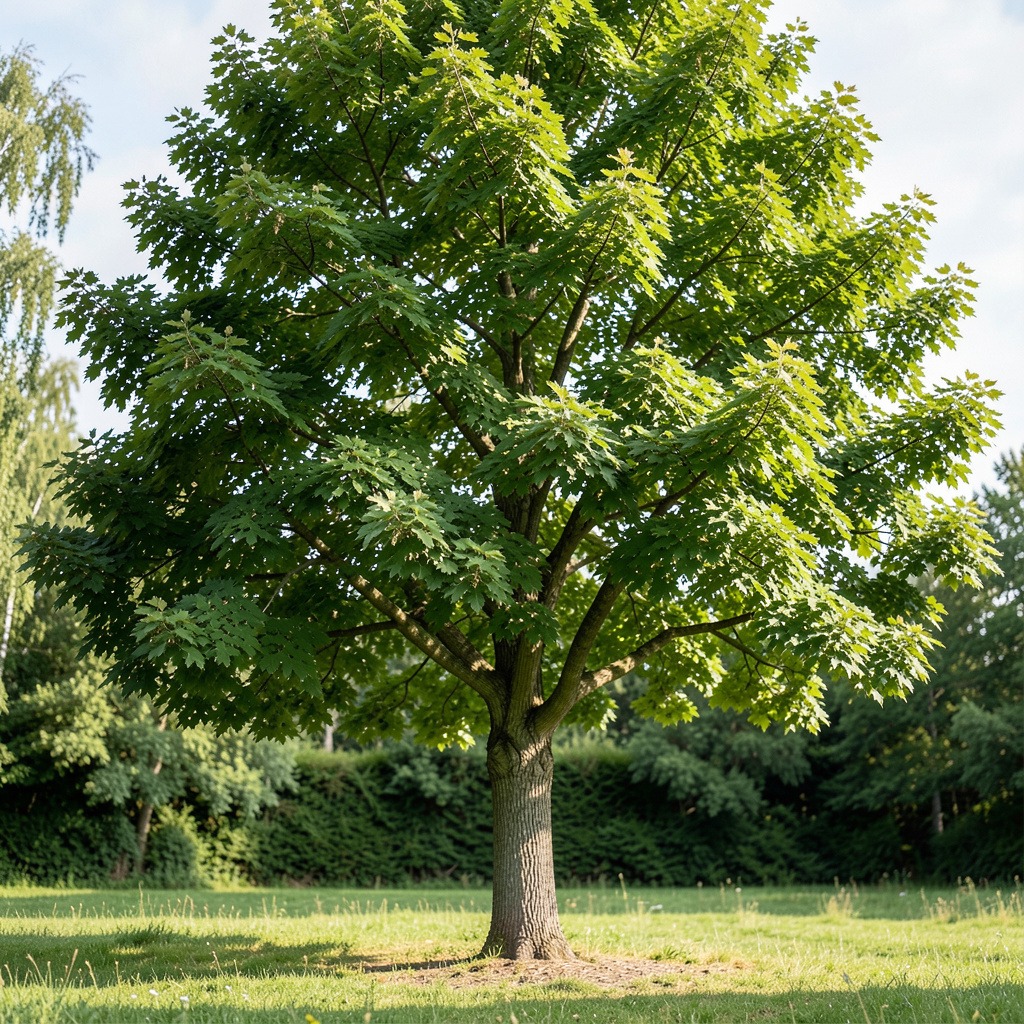
Linden trees, belonging to the Tilia genus, are renowned for their aesthetic appeal and ecological benefits. Commonly referred to as lime trees in some regions, they are characterized by their heart-shaped leaves, fragrant flowers, and broad canopies.
Key Characteristics of Linden Trees
- Species: The most common species include the American Linden (Tilia americana) and the European Linden (Tilia europaea).
- Height and Spread: Linden trees can grow between 60 to 80 feet tall, with canopies that can spread as wide as 40 feet.
- Flowers: Their small, yellowish-white flowers bloom in late spring to early summer, attracting pollinators such as bees and butterflies.
- Leaves: The leaves are heart-shaped, glossy, and turn a vibrant yellow in the fall, adding seasonal interest.
Historical Uses and Cultural Significance
Linden trees have a rich historical background. In many cultures, they symbolize love and fidelity. Historically, their flowers have been used in herbal medicine for their calming properties. Additionally, linden wood is valued for its workability and has been used in crafting furniture and musical instruments.
Benefits of Planting Linden Trees
- Shade Provider: Their dense foliage offers significant shade, making them ideal for parks and residential areas.
- Wildlife Support: The nectar-rich flowers are a boon for local pollinators, enhancing biodiversity in your garden.
- Air Quality Improvement: Linden trees filter pollutants from the air, contributing to a healthier environment.
- Erosion Control: Their robust root systems help stabilize soil, particularly in urban settings.
Care Requirements for Linden Trees
Linden trees are relatively low-maintenance once established. Here are some care considerations:
- Watering: They require regular watering, especially in dry spells, but are drought-tolerant once mature.
- Pruning: Minimal pruning is needed; focus on removing dead or crossed branches to maintain shape.
- Pest Management: While they may attract aphids, which can produce honeydew, the tree typically remains healthy with proper care.
In summary, understanding the characteristics, historical significance, and benefits of linden trees can help you make an informed decision when considering them for your landscape.
1. Excellent Shade Provider
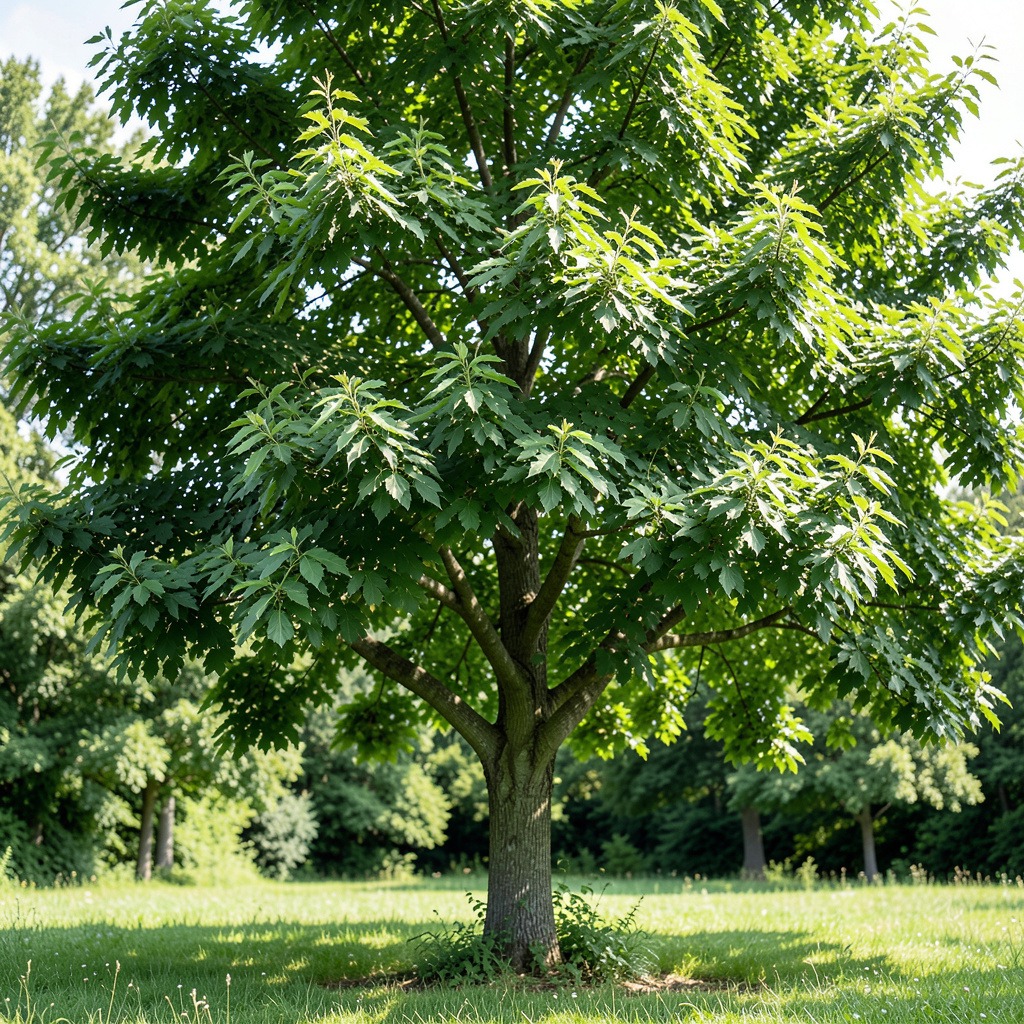
Linden trees are renowned for their ability to provide dense shade, making them an ideal choice for enhancing comfort in outdoor spaces. Their broad canopies not only cool the surrounding area but also contribute positively to urban environments.
How Linden Trees Reduce Heat
The dense foliage of linden trees creates a natural cooling effect. This is particularly beneficial in urban settings, where concrete and asphalt absorb and retain heat. Studies indicate that areas with linden trees can experience temperature reductions of up to 5°F compared to those without. This cooling effect can lead to lower air conditioning costs and more comfortable outdoor environments.
Benefits of Shade in Urban Areas
1. Enhanced Outdoor Comfort: Shade from linden trees invites people to spend more time outdoors, fostering community engagement.
2. Energy Savings: By reducing ambient temperatures, linden trees help decrease reliance on air conditioning, contributing to energy conservation.
3. Wildlife Support: The shade provides a habitat for various species, supporting local ecosystems and attracting pollinators like bees.
Decision Factors for Planting
When considering linden trees for shade, assess the following:
- Space Availability: Ensure there is ample room for the tree to grow, as mature linden trees can reach heights of 60 to 80 feet with equally wide canopies.
- Local Climate: Evaluate your region’s climate. Linden trees thrive in a range of soil types and are moderately tolerant of pollution, making them suitable for urban areas.
- Maintenance Commitment: Understand that while linden trees are low-maintenance, they require some upkeep, especially for leaf cleanup in the fall.
By strategically planting linden trees, you can significantly enhance the comfort and aesthetic appeal of your landscape while contributing to environmental sustainability.
2. Aesthetic Appeal
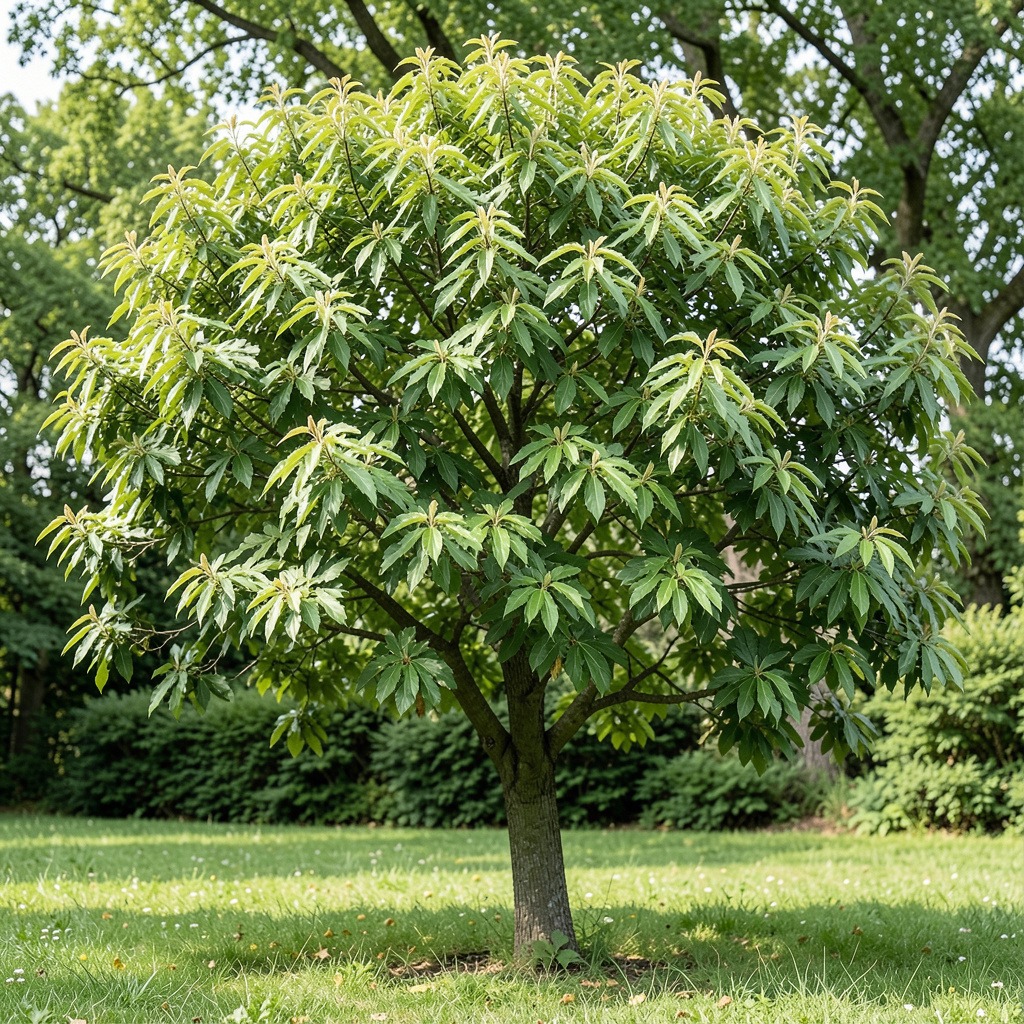
Linden trees are visually striking, making them a popular choice for many landscapes. Their heart-shaped leaves and fragrant flowers add beauty and charm to any setting.
Visual Characteristics
Linden trees feature unique qualities that enhance their aesthetic appeal:
- Heart-Shaped Leaves: The leaves are bright green and shaped like hearts, providing a lush canopy that adds depth to landscapes.
- Fragrant Flowers: In late spring, linden trees bloom with pale yellow flowers. Their sweet scent attracts pollinators and offers a delightful sensory experience.
- Autumn Foliage: As fall approaches, the leaves turn a vibrant yellow, creating a stunning contrast against the remaining greenery.
Notable Examples
Several public parks and gardens showcase linden trees prominently, highlighting their beauty:
- Central Park, New York City: Linden trees line several paths, providing shade and a picturesque environment for visitors.
- Hyde Park, London: The park features linden trees that contribute to its serene atmosphere and ecological diversity.
- Wilhelma Zoo and Botanical Garden, Stuttgart: This garden includes linden trees that enhance the visual landscape and provide habitats for local wildlife.
Decision-Making Factors
When considering linden trees for your landscape, keep these factors in mind:
- Space Requirements: Ensure you have adequate space for their mature size. They can reach heights of 60 to 80 feet with wide canopies.
- Planting Location: Choose a location where their beauty can be appreciated, such as near seating areas or pathways.
- Seasonal Interest: Consider how the tree will look throughout the year, from its lush summer foliage to its vibrant fall colors.
By integrating linden trees into your landscape, you can create a visually appealing environment that also supports local wildlife.
3. Attracts Pollinators
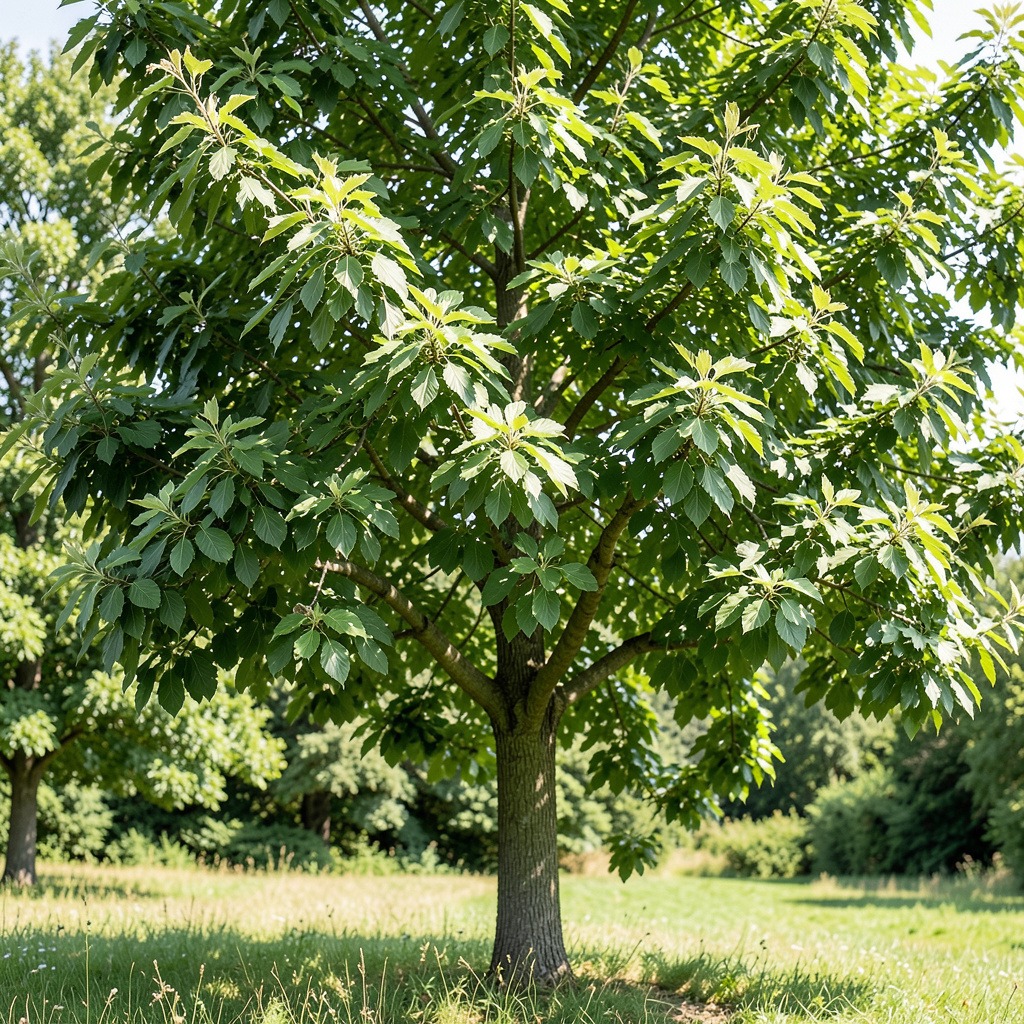
Linden trees play a vital role in supporting local ecosystems, particularly by attracting bees and other pollinators. Their fragrant flowers are a significant source of nectar, making them a preferred choice for these essential creatures.
Importance of Pollinators
Pollinators like bees contribute to biodiversity by facilitating the reproduction of many flowering plants. Their activities lead to increased fruit and seed production, which is crucial for the health of ecosystems. Without pollinators, many plants would struggle to reproduce, affecting the entire food chain.
How Linden Trees Support Pollinators
- Nectar-Rich Flowers: The blossoms of linden trees provide abundant nectar, which is highly attractive to bees. This makes them a prime resource in spring and summer when food sources may be limited.
- Extended Blooming Period: Linden trees bloom later than many other species, offering a critical food source for pollinators during late summer when other flowers have faded.
- Ecosystem Health: By attracting bees, linden trees contribute to the overall health of local ecosystems. Healthy pollinator populations ensure the growth of diverse plant species, which supports wildlife and enhances landscape beauty.
Decision Framework for Planting
When considering linden trees for your landscape, assess the following:
- Local Pollinator Activity: Research the presence of native bee populations in your area. Planting linden trees may enhance their habitats.
- Planting Location: Choose areas that maximize sun exposure and accessibility for pollinators. Avoid shaded spots where floral resources may be limited.
- Diversity of Planting: While linden trees are excellent for attracting pollinators, complement them with a variety of flowering plants to provide a continuous food source throughout the growing season.
By strategically planting linden trees, you can create a thriving environment for pollinators, enhancing both biodiversity and the aesthetic appeal of your landscape.
4. Adaptability to Various Soil Types
Linden trees exhibit remarkable adaptability to various soil conditions, making them suitable for diverse landscaping scenarios. They can thrive in different environments, from urban settings to rural gardens.
Preferred Soil Types for Linden Trees
Linden trees flourish in a range of soil types, including:
- Clay: Retains moisture but can become compacted. Linden trees can adapt, but good drainage is essential.
- Loam: Ideal for linden trees, offering a balance of drainage and nutrient retention.
- Sandy: Drains quickly, requiring more frequent watering. Linden trees can survive but may need additional care during dry spells.
- Alkaline and Acidic Soils: Linden trees tolerate both, allowing for versatile planting options.
Soil Conditions and Tree Health
To ensure optimal health and growth, consider the following soil conditions:
- Drainage: Well-drained soils are crucial. Poor drainage can lead to root rot.
- pH Levels: A pH between 6.0 and 7.5 is ideal. Testing soil pH can help guide amendments if necessary.
- Nutrient Content: Regular soil testing can reveal nutrient needs. Adding organic matter can enhance soil health.
Decision Framework for Soil Selection
When selecting soil for planting linden trees, assess your landscape’s specific conditions. Here’s a quick checklist:
- Identify Soil Type: Test your soil to determine its composition.
- Evaluate Drainage: Ensure your soil drains well to prevent waterlogging.
- Consider Local Climate: Match soil selection with your climate, considering potential extremes.
By understanding the soil preferences of linden trees, you can enhance their growth and maximize their benefits in your landscape.
5. Long Lifespan
Linden trees are renowned for their exceptional longevity, often living for several decades to even centuries. This characteristic makes them a valuable long-term investment in landscaping.
Lifespan Overview
- Average Lifespan: Linden trees typically live between 50 to 150 years, depending on the species and growing conditions.
- Comparison with Other Trees:
- Maple Trees: Average lifespan of 30 to 130 years.
- Oak Trees: Can live from 100 to 300 years.
Linden trees provide lasting beauty and shade, making them an ideal choice for homeowners and urban planners alike. Their extended lifespan not only enhances the landscape but also contributes to ecological stability.
Benefits of Longevity
- Sustainable Investment: A long-lived tree reduces the frequency of replacement, offering a more sustainable option for landscaping.
- Ecosystem Support: Older linden trees provide habitats for wildlife, including birds and beneficial insects, thus enhancing local biodiversity.
- Shade and Aesthetic Value: As they mature, linden trees develop expansive canopies that offer significant shade and aesthetic appeal.
Choosing a linden tree for your landscape means committing to a long-term relationship with a tree that will grow alongside your property and its inhabitants.
6. Natural Air Purifiers
Linden trees significantly enhance air quality by absorbing pollutants and releasing oxygen. Their environmental benefits extend beyond aesthetics, making them valuable additions to urban landscapes.
How Linden Trees Improve Air Quality
Linden trees excel in air purification. They absorb harmful pollutants like carbon dioxide, sulfur dioxide, and nitrogen oxides. This capability is crucial in urban areas where air quality can be compromised.
- Pollutant Absorption: Linden trees trap dust particles and filter airborne contaminants. This action contributes to cleaner air.
- Oxygen Production: Through photosynthesis, linden trees release oxygen, improving overall atmospheric conditions.
Impact on Urban Environments
Many studies have highlighted the role of urban trees, including linden trees, in mitigating air pollution. A city with an increased tree canopy can experience marked improvements in air quality.
- Shade and Cooling: The dense foliage of linden trees not only provides shade but also helps lower temperatures, reducing the urban heat island effect.
- Biodiversity Support: By attracting pollinators like bees with their fragrant flowers, linden trees enhance local ecosystems.
Decision Framework for Planting
When considering linden trees for air quality benefits, evaluate the following factors:
- Space Requirements: Ensure you have adequate space for mature trees, as they can reach heights of 60 to 80 feet with wide canopies.
- Maintenance Needs: While low-maintenance once established, linden trees require periodic pruning to maintain their shape.
- Pest Management: Be aware that linden trees can attract pests like aphids, which may lead to a sticky residue on nearby surfaces.
By integrating linden trees into your landscape, you can contribute to a healthier urban environment while enjoying their myriad benefits.
7. Medicinal and Culinary Uses
Linden trees, particularly their flowers, offer significant benefits in herbal medicine and culinary applications. These uses highlight the versatility of linden trees beyond their aesthetic appeal and shade.
Herbal Remedies
Linden flowers are renowned for their calming properties. They are often brewed into tea, which is believed to help alleviate symptoms of colds, reduce anxiety, and promote restful sleep. The compounds found in linden flowers also possess anti-inflammatory and antioxidant properties, making them a popular choice for natural health enthusiasts.
- Common Uses:
- Tea: Brewed from dried linden flowers to soothe nerves and improve sleep quality.
- Tinctures: Extracts made from flowers or leaves for various health benefits.
- Infusions: Added to baths for relaxation.
Culinary Applications
Linden flowers can enhance various dishes with their delicate floral flavor. They can be used in both sweet and savory recipes, providing a unique taste profile.
- Recipe Ideas:
- Baked Goods: Incorporate dried linden flowers into muffins or cakes for a subtle floral note.
- Salad Dressings: Infuse syrups with linden flowers for a refreshing dressing.
- Herbal Infusions: Use linden flowers in syrups or beverages for a soothing drink.
Decision Framework for Use
When considering linden flowers for medicinal or culinary purposes, keep the following points in mind:
- Quality: Ensure flowers are sourced from pesticide-free environments.
- Preparation: Dried flowers retain flavor and benefits; fresh flowers may offer a stronger taste.
- Personal Sensitivity: As with any herbal remedy, consider individual allergies and sensitivities before use.
By integrating linden trees into your landscape, you can enjoy their beauty while reaping the rewards of their medicinal and culinary properties.
8. Erosion Control
Linden trees play a vital role in preventing soil erosion, particularly in urban environments where soil stability is often compromised. Their strong root systems effectively bind soil particles, reducing erosion and promoting landscape stability.
How Linden Trees Prevent Erosion
Linden trees contribute to erosion control through several mechanisms:
- Root Structure: Their extensive root systems anchor the soil, preventing displacement during heavy rains or strong winds. This is crucial for maintaining the integrity of slopes and areas near water bodies.
- Soil Stabilization: By binding soil particles, linden trees minimize runoff and soil loss, which is especially beneficial in urban landscapes with compacted soil.
- Support for Surrounding Vegetation: The presence of linden trees can enhance the growth of other plants by maintaining soil health and moisture levels, creating a more robust ecosystem.
Case Studies of Successful Erosion Control Projects
1. Urban Park Revitalization: In a city park undergoing renovation, linden trees were strategically planted along slopes. Over three years, the trees significantly reduced erosion and improved soil stability, allowing for increased biodiversity in the area.
2. Riverbank Restoration: A community project involved planting linden trees along a riverbank. The trees not only stabilized the soil but also enhanced water quality by reducing sediment runoff, demonstrating their dual benefits for both land and water ecosystems.
Decision Framework for Planting Linden Trees
When considering linden trees for erosion control, evaluate the following factors:
- Site Conditions: Assess the soil type and moisture levels. Linden trees thrive in various conditions, including compacted urban soil.
- Sunlight Availability: Ensure that the planting site receives adequate sunlight (at least six hours daily) for optimal growth.
- Proximity to Water: Consider planting near slopes or water bodies where soil erosion is a concern.
9. Useful Timber for Woodworking
Linden wood, also known as basswood, is highly valued in the woodworking industry for its desirable properties. Its economic advantages extend across various applications, making it a preferred choice for artisans and craftsmen.
Characteristics of Linden Wood
Linden wood is renowned for its soft texture and lightweight nature. These characteristics make it easy to carve and shape, which is beneficial for many woodworking projects. Here are some key features:
- Fine Grain: The fine grain of linden wood provides a smooth finish, enhancing the aesthetic appeal of crafted items.
- Versatility: It is suitable for various applications, including furniture making, musical instruments, and decorative carvings.
- Workability: Linden wood is easy to work with, allowing for detailed designs and intricate patterns.
Market Demand and Applications
The market demand for linden wood has remained steady due to its unique qualities. Here are some common applications:
- Furniture: Linden is often used to create both functional and decorative furniture pieces, such as tables, chairs, and cabinets.
- Musical Instruments: Its acoustic properties make it a popular choice for crafting instruments like guitars and violins.
- Crafts and Carvings: Woodworkers appreciate linden for its ease of carving, making it an ideal material for sculptures and intricate designs.
Economic Advantages of Using Linden Wood
Investing in linden trees can yield significant economic benefits. Here are a few advantages:
- Sustainable Resource: Linden trees grow quickly and can be harvested responsibly, providing a renewable source of timber.
- Local Production: By utilizing linden wood, local artisans can reduce transportation costs and carbon footprints associated with imported woods.
- Support for Biodiversity: Planting linden trees contributes to local ecosystems, supporting pollinators and enhancing environmental health.
Decision Framework for Selecting Linden Wood
When considering linden wood for your woodworking projects, keep the following factors in mind:
- Project Requirements: Assess the specific needs of your project, such as durability and finish requirements.
- Availability: Determine the availability of linden wood in your region to ensure you can source it sustainably.
- Skill Level: Consider your own woodworking skills; linden wood is ideal for both beginners and experienced craftsmen due to its workability.
10. Low Maintenance Requirements
Linden trees are known for their low maintenance needs, making them a practical choice for many homeowners. Once established, they require minimal care, allowing you to enjoy their benefits without excessive effort.
Establishing Your Linden Tree
To ensure your linden tree thrives with minimal upkeep, follow these guidelines during the establishment phase:
- Choose the Right Location: Select a spot with ample space for growth. Linden trees can reach heights of 60 to 80 feet and can spread just as wide.
- Soil Preparation: Ensure well-draining soil. Linden trees are adaptable but thrive in loamy soils rich in organic matter.
- Watering: Water regularly during the first few years to establish strong roots. After that, they become relatively drought-resistant.
Ongoing Care Checklist
Once your linden tree is established, adhere to this maintenance checklist to keep it healthy:
- Pruning: Conduct light pruning to maintain shape and remove dead branches. This can be done in late winter or early spring.
- Raking: Regularly rake fallen leaves in the fall to prevent pest issues and maintain aesthetic appeal.
- Pest Monitoring: Check for aphids or other pests. While linden trees can attract these insects, they typically handle them well with minimal intervention.
Benefits of Low Maintenance
The low maintenance nature of linden trees presents several advantages:
- Time Savings: Spend less time on tree care and more time enjoying your landscape.
- Cost-Effectiveness: Reduce the need for professional tree services.
- Environmental Contribution: Support local wildlife with minimal effort, as linden trees attract pollinators like bees with their fragrant flowers.
By following these simple guidelines, you can enjoy the beauty and benefits of linden trees while minimizing your maintenance efforts.
11. Pest Attraction
Linden trees are attractive to several common pests, which can lead to potential issues if not managed properly. Understanding these pests and implementing effective control strategies is essential for maintaining the health of your linden tree.
Common Pests Affecting Linden Trees
1. Aphids: These small insects feed on the sap of linden trees, leading to yellowing leaves and stunted growth. They also excrete a sticky substance known as honeydew, which can attract other pests.
2. Japanese Beetles: Known for their shimmering green bodies, these beetles consume the leaves of linden trees, creating skeletonized foliage. They often appear in late spring and can cause significant damage if not controlled.
3. Spider Mites: These tiny arachnids thrive in dry conditions and can cause leaf yellowing and dropping. They create fine webs on the tree, indicating their presence.
4. Leaf Miners: Their larvae burrow into the leaves, creating visible trails. While they rarely cause serious damage, they can affect the tree’s aesthetic appeal.
Pest Management Strategies
To protect your linden tree from these pests, consider the following strategies:
- Regular Inspection: Frequently check your tree for signs of pest activity. Early detection is key to effective management.
- Natural Predators: Encourage beneficial insects, such as ladybugs and lacewings, which feed on aphids and other pests.
- Neem Oil: Apply neem oil as a natural pesticide. This eco-friendly solution disrupts the life cycle of pests without harming beneficial insects.
- Insecticidal Soap: Use insecticidal soap for aphid control. This method suffocates the pests upon contact and is safe for the environment.
- Cultural Practices: Maintain tree health through proper watering and fertilization. A healthy tree is more resilient against pest infestations.
By implementing these strategies, you can minimize the impact of pests on your linden tree while enjoying its many benefits in your landscape.
12. Messy Flowers and Fruits
Linden trees are known for their stunning flowers and unique seeds, but these features can also present challenges for homeowners. The flowers and fruits can create messes in gardens and yards, requiring regular maintenance.
Flower Drop
Linden trees produce clusters of fragrant flowers in late spring to early summer. While beautiful and attractive to pollinators, these flowers often drop in large quantities. This can lead to:
- Sticky Residue: The fallen flowers can create a sticky substance from their nectar, which attracts pests and can make surfaces slippery.
- Cleanup Effort: Homeowners may need to rake or sweep regularly during blooming season to keep patios, sidewalks, and lawns tidy.
Seed Dispersal
Following the flowering period, linden trees produce small, seed-like fruits. These can also contribute to messiness:
- Seed Clusters: The seeds can fall and accumulate, which may require regular cleaning to avoid clutter.
- Potential for New Growth: If not cleared, these seeds can sprout in unwanted areas, leading to additional maintenance tasks.
Management Tips
To manage the mess created by linden trees, consider the following strategies:
- Regular Maintenance: Set a cleaning schedule during peak flowering and seed dispersal times. This can help keep your yard looking tidy.
- Mulching: Use mulch in garden beds to suppress unwanted seed growth and make cleanup easier.
- Plant Placement: Consider planting linden trees in areas where fallen flowers and seeds will not interfere with high-traffic spaces.
By understanding the messy aspects of linden trees, homeowners can better prepare for the maintenance required while still enjoying the benefits these trees offer.
13. Allergies Caused by Pollen Production
Linden trees are known for their beauty and ecological benefits, but their pollen can pose challenges for allergy sufferers. During the flowering season, linden trees produce significant amounts of pollen, which can trigger allergic reactions in sensitive individuals.
How Pollen Affects Allergy Sufferers
Linden tree pollen can lead to various allergic symptoms, including:
- Sneezing
- Itchy eyes
- Nasal congestion
- Respiratory discomfort
These reactions can be particularly severe for those with pre-existing respiratory conditions, such as asthma. The airborne pollen from linden trees may exacerbate these issues, especially during peak pollen seasons.
Management Strategies for Allergy Sufferers
If you enjoy the benefits of linden trees but are concerned about allergies, consider the following strategies:
- Plant Selection: Choose linden varieties known for lower pollen production, such as the ‘American Linden’ or ‘Littleleaf Linden.’
- Pruning: Regularly prune your linden trees to manage their size and potentially reduce pollen output.
- Timing: Plant linden trees in areas where their pollen will have less impact on outdoor spaces used by allergy sufferers.
Alternative Tree Options
For those particularly sensitive to pollen, alternative tree species may be more suitable. Consider these options:
- Flowering Dogwood: Offers stunning blooms with lower pollen production.
- Red Maple: Provides vibrant fall colors and is generally less allergenic.
- Eastern Redbud: Known for its beautiful early spring flowers and minimal pollen issues.
By understanding the pollen production of linden trees and exploring alternatives, homeowners can make informed decisions that enhance their landscape while minimizing allergic reactions.
Invasive Roots
Linden trees are known for their beauty and ecological benefits, but their roots can pose significant challenges. Understanding these potential issues is crucial for effective landscaping.
Root Growth Patterns
Linden trees develop extensive root systems. Their roots can spread widely, often reaching beyond the tree’s canopy. This growth can lead to:
- Damage to sidewalks and driveways
- Interference with building foundations
- Uprooting in extreme weather conditions
Mitigating Root Damage
To minimize root-related problems, consider the following guidelines when planting linden trees:
1. Distance from Structures: Plant linden trees at least 10-15 feet away from buildings, sidewalks, and other structures. This distance helps prevent root encroachment and damage.
2. Soil Type: Choose well-draining soil. Poor drainage can lead to shallow root growth, increasing the risk of surface roots that can disrupt nearby structures.
3. Regular Pruning: Maintain the tree’s shape and size through regular pruning. This practice helps manage the overall growth and can limit root expansion.
4. Root Barriers: Install root barriers during planting. These physical barriers can guide root growth downward rather than outward, reducing the likelihood of surface roots causing damage.
Monitoring and Maintenance
Regularly inspect the area around the linden tree. Look for signs of root growth that may threaten nearby structures. If roots start to encroach, consult with an arborist for potential solutions. By being proactive, you can enjoy the many benefits of linden trees while minimizing the risks associated with their invasive roots.
15. Maintenance Challenges
Linden trees, while rewarding, do come with specific maintenance needs that require attention. Understanding these requirements is crucial for ensuring their health and longevity.
Pruning Requirements
Regular pruning is essential for linden trees. This practice helps maintain their shape and encourages healthy growth.
- Timing: Prune during late winter or early spring before new growth begins.
- Technique: Focus on removing dead or diseased branches. Shape the tree to enhance airflow and light penetration.
- Frequency: Aim to prune every 2-3 years, but more frequent inspections for dead wood are advisable.
Care Instructions
Caring for linden trees involves more than just pruning. Here are key care components:
- Watering: Ensure consistent moisture, especially during dry spells. Deep watering helps establish strong roots.
- Mulching: Apply mulch around the base to retain moisture and suppress weeds.
- Fertilizing: Use a balanced fertilizer in early spring to promote vigorous growth.
Pest Management
Linden trees can attract pests, which may create maintenance challenges. Common pests include:
- Aphids: They can produce honeydew, leading to sooty mold. Regular monitoring and introducing beneficial insects can help manage their population.
- Scale Insects: These pests can weaken the tree. Treat with horticultural oil or insecticidal soap if detected early.
Maintenance Calendar for Linden Trees
| Month | Task |
|---|---|
| January | Assess tree health; plan pruning |
| February | Begin pruning if needed |
| March | Fertilize and mulch |
| April to June | Monitor for pests; water regularly |
| July to August | Continue pest monitoring |
| September | Prepare for fall leaf cleanup |
| October | Rake leaves; prepare for winter |
By following these guidelines, you can effectively manage the maintenance needs of linden trees while enjoying their many benefits in your landscape.
16. Growth Rate Considerations
The growth rate of linden trees can significantly influence your landscaping decisions. Understanding this aspect allows you to set realistic expectations and choose the right planting strategy.
What is the Growth Rate of Linden Trees?
Linden trees typically exhibit a moderate growth rate, averaging between 12 to 24 inches per year. This makes them suitable for various landscapes, but it’s essential to consider how this growth aligns with your landscape goals.
Implications of Growth Rate
- Long-Term Investment: Linden trees are long-lived, often thriving for over 100 years. Their slow yet steady growth means they will provide shade and beauty for generations.
- Space Management: Given their mature height of 60 to 80 feet and wide canopy, plan for adequate space. If planting in a confined area, consider potential overcrowding or structural interference as the tree matures.
- Planting Timeline: If immediate shade is desired, linden trees may not be the best choice. Their gradual growth means you may need to wait several years to enjoy their full benefits.
Managing Growth Expectations
When deciding to plant a linden tree, consider the following:
- Site Selection: Choose locations with adequate space and optimal soil conditions to foster healthy growth. Well-draining, nutrient-rich soil supports faster establishment.
- Maintenance Practices: Regular care, including pruning and pest management, can support healthy growth. Monitor your tree’s health to ensure it reaches its potential.
- Comparative Analysis: If quicker results are essential, explore faster-growing tree species. However, be mindful of their long-term maintenance and ecological impact.
By understanding the growth characteristics of linden trees, you can make informed decisions that align with your landscaping vision and maintenance capabilities.
17. Environmental Impact Considerations
Planting linden trees can significantly influence local ecosystems. Their environmental benefits extend beyond mere aesthetics, impacting air quality, soil health, and biodiversity.
Air Quality Improvement
Linden trees play a vital role in enhancing air quality. They absorb carbon dioxide and other pollutants, thus contributing to cleaner air. In urban areas, where pollution levels are high, linden trees can be particularly beneficial. Their broad leaves capture particulate matter, improving overall air quality.
Biodiversity Support
These trees are excellent for supporting local wildlife.
- Pollinator Attraction: Linden trees produce fragrant flowers that attract bees and other pollinators. This is critical for maintaining healthy ecosystems and supporting agricultural productivity.
- Habitat for Wildlife: Their dense foliage provides shelter for birds and small mammals, fostering biodiversity in urban landscapes.
Soil Erosion Prevention
Linden trees have strong root systems that help prevent soil erosion. This is especially important in urban settings where soil stability can be compromised. By planting linden trees, you contribute to the maintenance of soil integrity and prevent runoff during heavy rains.
Maintenance and Pest Considerations
While linden trees offer many environmental benefits, they also come with certain maintenance needs and pest challenges:
- Maintenance Needs: Regular pruning is essential to manage their size and shape. This helps maintain their health and aesthetic appeal.
- Pest Issues: Linden trees can attract aphids, which produce honeydew. This sticky substance can lead to sooty mold, potentially affecting nearby plants.
Decision Framework for Planting
When considering linden trees for your landscape, evaluate the following:
- Space Availability: Ensure you have enough room for their mature size, typically 60 to 80 feet tall with a similar spread.
- Ecosystem Needs: Assess whether your local ecosystem would benefit from the biodiversity support that linden trees provide.
- Long-Term Commitment: Consider the long-term maintenance and care required to maximize their environmental benefits.
By understanding these factors, you can make informed decisions that align with your landscaping goals while enhancing your environment.
Best Practices for Planting Linden Trees
Planting linden trees requires careful attention to their specific needs to ensure healthy growth and optimal benefits. By following these best practices, you can enhance their chances of thriving in your landscape.
Ideal Planting Conditions
1. Location: Choose a spot that receives at least six hours of sunlight daily. Linden trees prefer full sun but can adapt to partial shade.
2. Soil Type: While they can tolerate a variety of soils, ensure good drainage. Sandy loam or clay loam is ideal for their growth.
3. Spacing: Plant linden trees at least 30-40 feet away from buildings, power lines, and other trees. This spacing accommodates their mature size and extensive root systems.
Step-by-Step Planting Guide
1. Prepare the Site: Clear the planting area of weeds, debris, and grass. Dig a hole twice as wide as the root ball but no deeper than the root ball itself.
2. Soil Amendment: If your soil lacks nutrients, mix in compost or well-rotted manure to enhance fertility.
3. Planting the Tree:
- Place the tree in the hole, ensuring that the top of the root ball is level with the surrounding soil.
- Backfill the hole with soil, gently tamping it down to eliminate air pockets.
4. Watering: Water the tree thoroughly after planting. Continue to water deeply once a week for the first growing season, especially during dry spells.
5. Mulching: Apply a 2-3 inch layer of mulch around the base of the tree. This retains moisture and suppresses weeds.
Ongoing Care and Maintenance
- Pruning: Prune linden trees during the dormant season. Focus on removing dead branches and shaping the tree for better airflow.
- Pest Management: Monitor for aphids and other pests. Use organic solutions if infestations occur. Regular inspection is key to maintaining tree health.
- Regular Raking: In the fall, rake leaves regularly to prevent mold and promote a clean environment around the tree.
By adhering to these best practices, you can effectively nurture your linden trees, maximizing their ecological benefits and aesthetic appeal while minimizing maintenance challenges.
19. When to Plant Linden Trees
Timing is crucial when planting linden trees. Choosing the right season can significantly affect their growth and establishment. Understanding your local climate will help you make informed decisions.
Optimal Planting Seasons
Linden trees thrive best when planted during the following seasons:
- Spring: This is the ideal time for planting in most regions. The soil is warming, and the risk of frost has diminished, allowing roots to establish before summer heat.
- Fall: Early fall is also a good option, especially in areas with mild winters. Planting in fall allows trees to develop roots during the cooler months, preparing them for spring growth.
Regional Considerations
Different regions may have specific planting windows based on climate:
| Region | Best Planting Time |
|---|---|
| Northern States | Late April to June |
| Central States | April to May or September to October |
| Southern States | February to April or September to November |
Decision Guidelines
When deciding on planting times, consider the following:
- Frost Dates: Always check your local frost dates. Avoid planting too close to these dates to prevent damage.
- Soil Conditions: Ensure the soil is workable and not overly wet or frozen.
- Local Climate: Adjust your timing based on local weather patterns. For example, in areas with harsh winters, spring planting may yield better results.
By understanding the optimal planting seasons and regional variations, you can maximize the success of your linden tree planting efforts.
Alternatives to Linden Trees
If you’re considering alternatives to linden trees, several species offer similar benefits without some of the drawbacks. These trees can provide shade, support wildlife, and enhance your landscape while minimizing maintenance or pest issues.
Suitable Alternatives for Shade and Aesthetic Appeal
1. Red Maple (Acer rubrum)
- Pros: Fast-growing, vibrant fall color, supports wildlife.
- Cons: Can be susceptible to pests like aphids.
2. Sweetgum (Liquidambar styraciflua)
- Pros: Unique star-shaped leaves, colorful autumn foliage, good shade provider.
- Cons: Produces spiky seed pods that can create clean-up challenges.
3. Eastern Red Cedar (Juniperus virginiana)
- Pros: Evergreen, drought-tolerant, provides year-round privacy.
- Cons: Slower growth rate, can attract cedar-apple rust.
Comparison Table: Linden Trees vs. Alternatives
| Tree Species | Shade Quality | Wildlife Support | Maintenance Needs | Pest Issues |
|---|---|---|---|---|
| Linden Tree | Excellent | High | Low | Aphids |
| Red Maple | Good | Moderate | Moderate | Aphids, Scale Insects |
| Sweetgum | Very Good | Moderate | Moderate | Seed pod clean-up |
| Eastern Red Cedar | Good | Low | Low | Cedar-apple rust |
Decision Guidelines for Tree Selection
When selecting a tree, consider these factors:
- Space Availability: Ensure the tree fits your landscape without crowding.
- Climate Adaptability: Choose a species suited for your local environment.
- Maintenance Commitment: Assess how much upkeep you’re willing to manage.
By weighing these options and factors, you can find a suitable tree that meets your landscaping goals while minimizing the potential issues associated with linden trees.
Conclusion: Weighing the Pros and Cons
When considering linden trees for your landscape, it’s essential to evaluate their advantages and disadvantages. This analysis helps in making an informed decision tailored to your specific needs and environment.
Key Benefits of Linden Trees
- Shade Provider: Linden trees offer a dense canopy, significantly cooling outdoor spaces. This can lead to energy savings in nearby buildings.
- Pollinator Attraction: Their nectar-rich flowers support local bee populations, promoting biodiversity and healthier ecosystems.
- Aesthetic Appeal: With their heart-shaped leaves and fragrant blooms, linden trees enhance the beauty of any landscape.
Challenges of Linden Trees
- Maintenance Needs: While generally low-maintenance, linden trees may require occasional pruning to maintain their shape and health.
- Pest Issues: These trees can attract certain pests, such as aphids, which may require management to prevent infestations.
- Root System Concerns: The expansive root systems can disrupt nearby structures or landscaping if not carefully considered.
Decision Framework for Planting Linden Trees
Before planting linden trees, consider the following criteria:
- Space Availability: Ensure your landscape can accommodate their size without overcrowding.
- Climate Suitability: Choose linden trees if your local climate supports their growth and health.
- Maintenance Commitment: Assess your willingness to manage any pest issues or maintenance tasks associated with these trees.
By evaluating these factors alongside the pros and cons, you can determine if linden trees align with your landscaping goals.
Frequently Asked Questions
These quick answers cover the most common questions about this topic, including key details, practical tips, and common concerns.
Is a linden tree a good yard tree?
Yes, linden trees are excellent yard trees. They provide ample shade, making them ideal for parks and residential areas. Their dense foliage can significantly cool outdoor spaces, enhancing comfort during hot months. Additionally, linden trees support local wildlife, particularly pollinators, with their fragrant flowers.
However, consider their mature size—60 to 80 feet tall and wide. Ensure you have enough space to accommodate their growth without overcrowding other plants or structures.
What are common problems with linden trees?
Common problems with linden trees include pest attraction and messy flowers. They can attract aphids, which may lead to sticky honeydew on leaves and surrounding surfaces. Regular monitoring and pest management are essential to keep these issues in check.
Additionally, linden trees produce many flowers that drop in summer, creating a mess that requires cleanup. Their seed-like fruits can also accumulate, necessitating regular maintenance to keep your yard tidy.
What are the drawbacks of a linden tree canopy?
While the canopy of a linden tree provides excellent shade, it can also block sunlight from reaching other plants beneath. This can hinder the growth of smaller plants and grass in the vicinity. The dense foliage may also trap moisture, increasing the risk of fungal diseases in shaded areas.
Furthermore, the size of the canopy means that linden trees need ample space to thrive. Planting too close to buildings or other trees can lead to competition for resources and may require regular pruning.
Do linden trees have invasive roots?
Linden trees can develop extensive root systems that may become invasive if not managed properly. Their roots can spread far beyond the tree’s canopy, potentially damaging sidewalks, driveways, and even building foundations.
To mitigate root issues, plant linden trees at least 10-15 feet away from structures. Consider installing root barriers to guide growth downward and prevent surface roots from causing damage.
How do I care for a linden tree?
Caring for a linden tree involves regular watering, especially during dry spells, and occasional pruning to maintain its shape. Water deeply during the first few years to establish strong roots, and apply mulch to retain moisture and suppress weeds.
Monitor for pests like aphids and treat them promptly with organic solutions. Prune during late winter or early spring to remove dead branches and improve airflow within the canopy.
What are the best conditions for planting linden trees?
Linden trees thrive in well-draining soil with a pH between 6.0 and 7.5. They prefer full sun but can tolerate partial shade. Ensure the planting site has ample space, as linden trees can grow tall and wide.
The best time to plant linden trees is in spring or early fall when temperatures are mild, and the risk of frost has passed. This timing allows the tree to establish roots before extreme weather conditions.
Can linden trees attract pests?
Yes, linden trees can attract pests, particularly aphids and Japanese beetles. Aphids feed on the sap and produce honeydew, which can lead to sooty mold. Japanese beetles may consume the leaves, causing visible damage.
Regular monitoring and pest management practices, such as introducing beneficial insects or using organic pesticides, can help control these pests and maintain the health of your linden tree.