
Growing Balsam Fir in partially shaded areas is possible, but it requires careful attention to soil quality, moisture levels, and overall plant health. These trees thrive best with some sunlight, making partial shade a suitable environment when conditions are managed properly.
Balsam Fir (Abies balsamea) is a native evergreen tree found primarily in the northeastern United States and Canada. Known for its fragrant needles and conical shape, this tree is commonly used for Christmas trees and landscaping. While Balsam Fir typically prefers full sun, it can adapt to partially shaded areas under certain conditions. Understanding how to cultivate these trees in less-than-ideal light is essential for gardeners and landscapers looking to enhance their spaces.
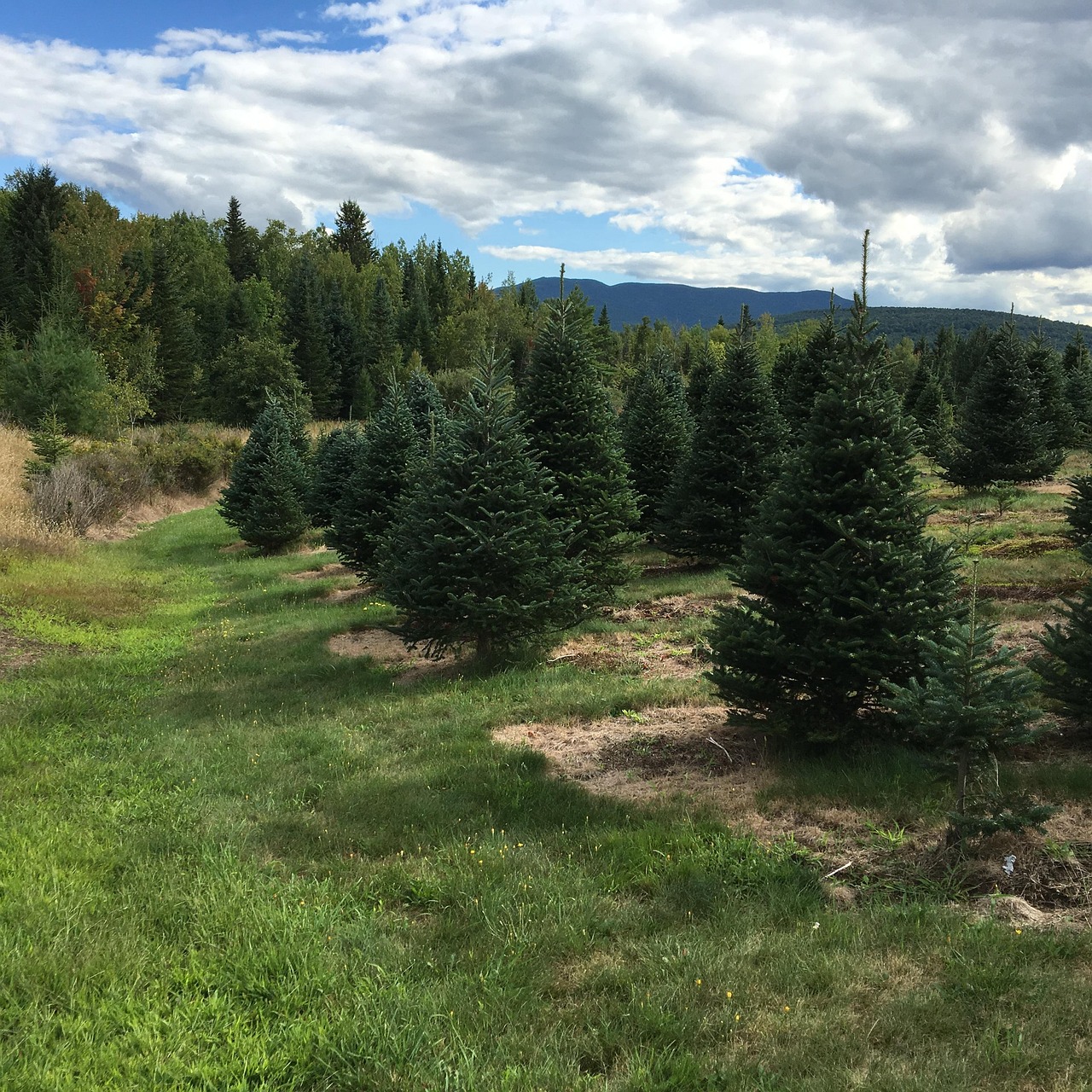
Partially shaded areas can provide a unique challenge for growing Balsam Fir. These trees thrive in environments where they receive at least four to six hours of direct sunlight each day. However, the competition from surrounding vegetation, soil composition, and moisture availability also play critical roles in their growth. When planting Balsam Fir in such locations, it’s vital to consider several factors that will influence their success.
Understanding the Growing Conditions
To successfully grow Balsam Fir in partially shaded areas, it’s essential to create an optimal environment. Here are some key factors to consider:
- Soil Quality: Balsam Fir prefers well-drained, acidic soils rich in organic matter. Amending the soil with compost can enhance its fertility and drainage capabilities.
- Moisture Levels: These trees require consistent moisture, especially during their early growth stages. However, waterlogging should be avoided as it can lead to root rot.
- Competition: Surrounding plants can compete for resources. Regularly check and manage weeds or invasive species that might hinder the growth of your Balsam Fir.
In addition to these factors, the microclimate of the area can also affect growth. For instance, if the partially shaded area is near a building or under a canopy of larger trees, it may have different temperature and humidity levels compared to more open spaces.
Planting Tips
When planting Balsam Fir in partially shaded areas, follow these tips for the best results:
- Select the Right Location: Choose a site that receives dappled sunlight or morning sun with afternoon shade. This helps mitigate stress on the tree.
- Prepare the Soil: Test the soil pH to ensure it is between 6.0 and 6.5. Amend as necessary with sulfur or peat moss to lower pH if needed.
- Proper Spacing: Space your trees adequately to reduce competition and promote air circulation. A distance of 10 to 15 feet is recommended between each tree.
- Watering Schedule: Water your trees regularly during dry spells, especially in their first few years of growth. A deep watering once a week is often sufficient.
Pest and Disease Management
Balsam Fir can be susceptible to various pests and diseases, especially in shaded environments where airflow is limited. Common threats include:
- Balsam Woolly Adelgid: This pest attacks the bark and can cause significant damage if not managed promptly.
- Canker Diseases: Fungal infections can occur in overly damp conditions, making regular monitoring essential.
- Root Rot: Caused by overwatering or poor drainage, this can be detrimental to young trees.
Regular inspections and proper cultural practices are crucial for maintaining tree health. Early detection of pests or diseases allows for timely intervention, which can save your Balsam Fir trees in partially shaded areas.
Nutrition and Fertilization
Providing the right nutrients is essential for the healthy growth of Balsam Fir trees, particularly in partially shaded areas where competition for resources can be fierce. Adequate fertilization will promote strong root systems and overall vigor, helping these trees thrive despite less-than-ideal light conditions.
The nutrient requirements for Balsam Fir differ depending on the age of the tree and the quality of the soil. Young trees may require more frequent fertilization compared to established ones. Here are some key points to consider regarding nutrition and fertilization:
- Soil Testing: Conduct a soil test to determine nutrient levels and pH. This information will guide your fertilization efforts.
- Balanced Fertilizers: Use a balanced fertilizer, such as a 10-10-10 or 12-12-12 NPK formulation. This ensures that the trees receive equal parts nitrogen, phosphorus, and potassium.
- Organic Options: Organic fertilizers, like compost or well-rotted manure, can improve soil structure and provide nutrients gradually.
Application Timing
The timing of fertilizer application is crucial for maximizing its benefits. Here are some guidelines:
- Spring Application: Apply fertilizer in early spring before new growth begins. This timing supports robust foliage development.
- Mid-Season Boost: For younger trees or those in nutrient-deficient soils, a second application in mid-summer can provide additional support.
- Fall Caution: Avoid fertilizing in late fall as it may encourage new growth that could be damaged by winter conditions.
Watering Techniques
Watering is another critical aspect of nurturing Balsam Fir, especially in partially shaded environments where moisture levels can fluctuate significantly. Proper watering techniques can help maintain consistency and promote healthy growth.
Here are some effective watering techniques:
- Deep Watering: When watering, aim to soak the soil deeply rather than watering lightly and frequently. This encourages deep root growth.
- Mulching: Apply a layer of organic mulch around the base of the tree to retain moisture and regulate soil temperature. This also helps suppress weeds.
- Monitor Soil Moisture: Use a moisture meter or your finger to check soil moisture levels. Only water when the top few inches of soil feel dry.
Signs of Water Stress
It is important to recognize the signs of water stress in Balsam Fir trees to take timely action. Common indicators include:
- Wilting Needles: Needles may start to droop or wilt if the tree is not receiving enough water.
- Color Changes: A shift from vibrant green to yellow or brown may indicate water stress or nutrient deficiencies.
- Pest Attractiveness: Stressed trees are more susceptible to pests and diseases, so it’s important to address watering issues promptly.
Pruning for Health and Shape
Pruning is an essential practice for maintaining the health and aesthetic appeal of Balsam Fir trees. Proper pruning techniques can enhance light penetration and air circulation, which are critical in partially shaded areas.
The best times for pruning Balsam Fir are during the late winter or early spring before new growth begins. Here are some key pruning tips:
- Remove Dead or Diseased Branches: Regularly inspect your trees for any dead, diseased, or damaged branches and remove them to prevent further issues.
- Thin Out Crowded Areas: If branches are crowding each other, selectively prune to improve air circulation and sunlight exposure.
- Avoid Topping: Do not top the tree as this can lead to weak growth and increased vulnerability to pests and diseases.
Tools for Pruning
Using the right tools can make pruning easier and more effective. Here are some essential tools for pruning Balsam Fir:
- Bypass Pruners: Ideal for cutting small branches up to one inch in diameter.
- Loppers: Useful for larger branches that are too thick for pruners.
- Saws: A pruning saw can help with larger limbs that need removal.
Always keep your tools clean and sharp to ensure clean cuts, which helps prevent injury to the tree and reduces the risk of disease transmission.
Environmental Considerations
Growing Balsam Fir in partially shaded areas requires an understanding of the environmental factors that can affect their growth. These trees are adapted to specific climatic conditions and require attention to detail in their care to thrive in less-than-ideal light conditions.
Climate Requirements
Balsam Fir typically thrives in cooler climates. Understanding the climate needs of these trees can help ensure their successful growth. Here are some essential climate considerations:
- Temperature: Balsam Fir grows best in temperatures between 60°F and 75°F. They can tolerate colder temperatures but may suffer in extreme heat.
- Humidity: Moderate to high humidity levels are favorable. Too much dryness can stress the tree, especially during hot summer months.
- Precipitation: A consistent amount of precipitation is necessary for healthy growth. Aim for at least 1 to 1.5 inches of water per week, either from rainfall or supplemental watering.
Soil Type and Drainage
The type of soil and its drainage capabilities are crucial for Balsam Fir health. These trees prefer well-drained, loamy soils with good organic content. Here are some points to ensure optimal soil conditions:
- Soil Composition: Balsam Fir thrives in acidic to neutral pH (around 6.0 to 6.5). Testing the soil will help determine if amendments are necessary.
- Drainage: Ensure that the planting site has good drainage to prevent waterlogging, which can lead to root rot.
- Organic Matter: Incorporate organic matter into the soil, such as compost or peat moss, to improve fertility and drainage.
Companion Planting
Companion planting can play a significant role in the success of Balsam Fir in partially shaded areas. Choosing the right plants to grow alongside Balsam Fir can promote healthier growth and discourage pests.
Beneficial Companion Plants
When selecting companion plants, consider those that can thrive in similar conditions and enhance the environment for Balsam Fir. Here are some beneficial options:
- Pachysandra: This ground cover thrives in shaded areas and helps suppress weeds around Balsam Fir.
- Ferns: Ferns can provide a natural aesthetic while coexisting well with the moisture needs of Balsam Fir.
- Hostas: These shade-loving plants complement Balsam Fir and add visual interest without competing for resources.
Avoiding Incompatible Plants
Certain plants may hinder the growth of Balsam Fir due to competition for nutrients or differing light requirements. It is wise to avoid planting the following:
- Heavy Feeders: Plants like corn or sunflowers can deplete soil nutrients needed by Balsam Fir.
- Aggressive Ground Covers: Species such as English Ivy can compete directly with Balsam Fir for moisture and space.
- Shade-Loving Trees: Other large trees that thrive in shade may outcompete Balsam Fir for sunlight and water.
Seasonal Care Practices
The care practices for Balsam Fir will change with the seasons, particularly when grown in partially shaded areas. Understanding these seasonal needs is important for promoting healthy growth throughout the year.
Spring Care
As new growth begins in spring, focus on the following care practices:
- Fertilization: Apply a balanced fertilizer as new buds appear to support vigorous growth.
- Pest Monitoring: Inspect for pests like the Balsam Woolly Adelgid, especially as temperatures warm up.
- Irrigation: Ensure consistent moisture as new growth emerges, particularly if spring is dry.
Summer Care
During the summer months, attention should shift toward managing heat stress and ensuring adequate water levels:
- Mulching: Maintain a layer of mulch around the base to conserve moisture and regulate soil temperature.
- Regular Watering: Water deeply during dry spells to support healthy growth and reduce stress during peak temperatures.
- Pest Control: Continue monitoring for pests and diseases that may thrive under warm conditions.
Fall Preparation
As fall approaches, preparation for winter is essential:
- Watering: Ensure trees are well-watered before winter sets in, as this will support them through cold months.
- Last Pruning: Perform any necessary pruning before dormancy begins, focusing on removing any dead or diseased branches.
- Covering Roots: In areas with harsh winters, consider adding mulch around the base to protect roots from freezing temperatures.
Winter Care
While Balsam Fir naturally withstands cold weather, there are still steps to ensure their survival through winter:
- Avoid Damage: Protect young trees from heavy snow accumulation by gently brushing off snow if it builds up on branches.
- Irrigation Checks: If there’s a thaw, check soil moisture levels and water if necessary, as winter dryness can be detrimental.
- Pest Prevention: Be vigilant about any signs of pests that may overwinter on the trees; early intervention is key.
This seasonal care approach can significantly improve the health and robustness of Balsam Fir when planted in partially shaded areas, allowing them to flourish even in challenging conditions.
Additional Considerations for Growing Balsam Fir
When growing Balsam Fir in partially shaded areas, several additional considerations can enhance their growth and overall appearance. These factors include understanding the tree’s growth habits, potential landscape uses, and the importance of community involvement in sustainable practices.
Growth Habits
Balsam Fir has unique growth habits that should be considered when planting and maintaining them in partially shaded areas. This tree can grow up to 50-75 feet tall and 20-30 feet wide. Understanding these dimensions is crucial for planning space in your garden or landscape.
- Canopy Structure: Balsam Fir develops a dense, conical shape that can provide good shelter for wildlife. This structure can also create a shaded microclimate for other plants.
- Root System: The root system of Balsam Fir is shallow but wide. This characteristic means that they can compete effectively for surface moisture and nutrients but may struggle in very compacted soils.
- Growth Rate: Balsam Fir has a moderate growth rate, typically adding about 12-24 inches per year under optimal conditions. This information is important when planning for their long-term presence in your landscape.
Landscape Uses
Balsam Fir can serve various purposes in landscaping beyond just being an ornamental tree. Here are some creative ways to incorporate them:
- Privacy Screens: Planting Balsam Fir in rows can create an effective privacy screen or windbreak due to their dense foliage.
- Wildlife Habitat: Their branches provide excellent shelter and nesting spaces for birds and small mammals, making them valuable in wildlife gardens.
- Seasonal Interest: The evergreen nature of Balsam Fir means that they provide color and structure to the landscape year-round, especially during winter when many other plants are dormant.
Sustainable Practices
Incorporating sustainable practices while growing Balsam Fir can enhance their health and contribute positively to the environment. Here are some suggestions:
- Native Plant Integration: Pairing Balsam Fir with other native plants can improve biodiversity and create a more resilient ecosystem.
- Soil Conservation: Using cover crops or natural mulches can help maintain soil health and prevent erosion around younger trees.
- Community Involvement: Engaging with local community groups focused on tree planting and environmental stewardship can provide resources and support for maintaining healthy landscapes.
Final Thoughts
Growing Balsam Fir in partially shaded areas presents both challenges and opportunities. By understanding the specific needs of these trees, including their nutritional, moisture, and light requirements, gardeners can create an environment where they thrive. Seasonal care practices, pest management, and proper planting techniques are essential components of successful cultivation.
The versatility of Balsam Fir offers numerous landscape benefits, from creating privacy screens to supporting local wildlife. By integrating sustainable practices into your gardening routine, you not only enhance the health of your trees but also contribute positively to your local ecosystem. With dedication and informed care, Balsam Fir can be a beautiful and enduring addition to any partially shaded garden or landscape.
In summary, whether you are a seasoned gardener or a novice, growing Balsam Fir can be a rewarding experience. These trees bring beauty, fragrance, and ecological benefits to your outdoor space. With proper attention to their needs and an understanding of their growth habits, you can enjoy the presence of these magnificent evergreens for many years to come.