
Grub worms crawl on their backs as a unique locomotion strategy, often observed in specific species like the Green June Beetle larvae, to move quickly while using their dorsal bristles for traction.
Table of Contents
Grub worms exhibit intriguing behavior, particularly their ability to crawl on their backs. This locomotion serves various purposes, primarily allowing specific species to navigate their environment more efficiently while avoiding predators. Understanding this behavior can enhance awareness of grub ecology.

The Unique Crawling Behavior of Grub Worms
Certain species of grub worms, like the Green June Beetle, exhibit a distinct behavior of crawling on their backs. This intriguing locomotion serves multiple purposes, from navigation to predator evasion.
Mechanics of Crawling on Their Backs
Grub worms employ a unique method to crawl on their backs. This behavior involves undulating their bodies while utilizing dorsal bristles for traction. Here’s how it works:
- Body Structure: Grubs have a wide body with stiff bristles that aid in movement. These features allow them to grip the surface as they move.
- Use of Legs: Their short, stubby legs are not efficient for traditional crawling. Instead, grubs rely on body undulations to propel themselves.
- Movement Efficiency: Despite the odd appearance, this method of locomotion can be surprisingly quick, allowing them to cover significant distances in short time.
Evolutionary Advantages of Backward Crawling
Crawling on their backs offers several evolutionary benefits for grub worms:
- Predator Evasion: This unusual movement can confuse predators. When a grub is on its back, it may appear less vulnerable to birds or other predators.
- Environmental Navigation: Crawling in this manner may also help grubs navigate through challenging terrain, such as loose soil or debris, where traditional movement may be hindered.
- Survival Strategy: By moving on their backs, grubs can quickly escape threats, enhancing their chances of survival during their vulnerable larval stage.
Species Comparison: Grub Worms and Other Larvae
Grub worms are not alone in their unique crawling behaviors. Other larvae, like those of the Bumble Flower Beetle, also exhibit similar traits. Here’s a comparison:
| Feature | Grub Worms (e.g., Green June Beetle) | Other Larvae (e.g., Bumble Flower Beetle) |
|---|---|---|
| Crawling Behavior | Frequently crawl on backs | Less common; varies by species |
| Body Structure | Stiff bristles, wide bodies | Generally different body shapes |
| Predator Evasion | Effective due to unusual movement | Strategies vary; may include camouflage |
Understanding these differences enhances our knowledge of grub ecology and their adaptive behaviors. The crawling behavior, while unusual, is a fascinating aspect of how grub worms navigate their environment and survive in the wild.
Life Cycle of Grub Worms: From Egg to Adult
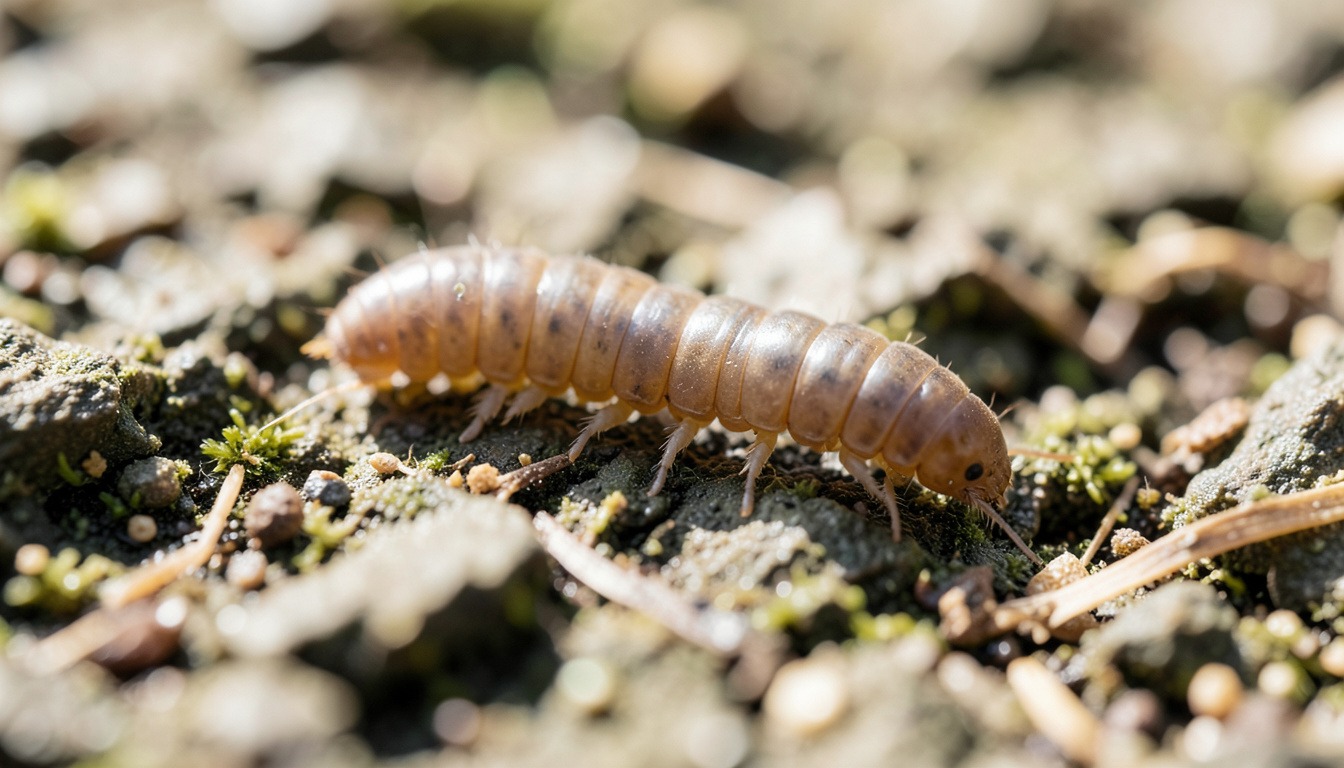
Understanding the life cycle of grub worms is essential for identifying their behaviors, including the unique crawling on their backs. This section outlines the different stages of grub development and highlights when and why these larvae exhibit such behavior.
Egg Stage: Conditions for Hatching
Grub worms begin their life cycle as eggs. The conditions for hatching are crucial. Typically, beetles lay eggs in moist, well-aerated soil during late spring to early summer.
- Optimal Conditions:
- Soil temperature between 70°F and 85°F.
- Moisture levels that prevent desiccation.
- Presence of organic matter for larvae to feed on once hatched.
Larval Stage: Behavior and Growth
Once hatched, grub worms enter the larval stage. This is when their unique crawling behavior becomes prominent. They are often C-shaped and exhibit a peculiar ability to crawl on their backs. This behavior may serve to evade predators or navigate through soil more efficiently.
- Behavioral Aspects:
- Crawling on backs can be a survival mechanism against predation.
- Grubs feed on roots, leading to noticeable lawn damage.
- The larval stage lasts from a few weeks to several months, depending on environmental conditions.
Pupation and Adult Emergence
The final stage involves pupation, where grubs transform into adults. This stage is critical for understanding their lifecycle and future impact on gardens and lawns.
- Characteristics of the Pupation Stage:
- Grub worms stop feeding and enter a cocoon-like state.
- This can occur in late summer or early fall.
- Adults emerge in late spring, ready to lay eggs and continue the cycle.
Visual Timeline of the Grub Life Cycle
| Stage | Duration | Behavior Highlights |
|---|---|---|
| Egg | 2-3 weeks | Laid in moist soil |
| Larval | 3-12 months | Crawling behavior; feeding on roots |
| Pupation | 2-3 weeks | Non-feeding; transformation occurs |
| Adult | 1 season | Emergence and egg-laying |
Understanding these stages helps in identifying grub worms and managing their population effectively. The unique crawling behavior of grub worms is not just a curiosity but a crucial adaptation that influences their survival and the health of your lawn.
Common Issues Caused by Grubs in Lawns
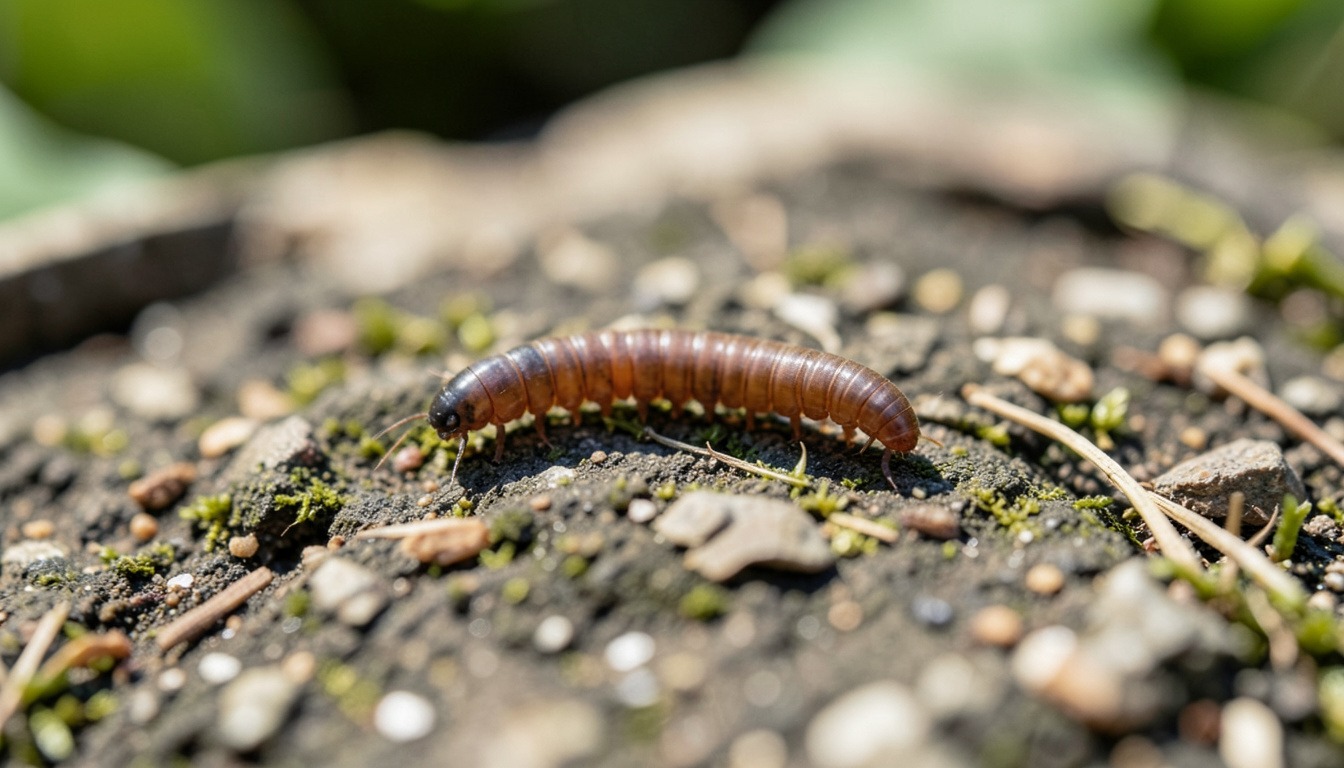
Grub worms can inflict significant damage to lawns through their feeding habits. As they consume the roots of grass, they disrupt the grass’s ability to absorb water and nutrients, leading to visible signs of distress.
Signs of Grub Damage in Lawns
Homeowners should be vigilant for several indicators of grub damage, including:
- Brown Patches: Areas of dead grass that appear dry, even after watering.
- Soft Soil: Turf that easily lifts off the ground, resembling a rolled-up carpet.
- Wilting Grass: Grass that appears limp or discolored due to root damage.
Identifying these signs early can help prevent further deterioration.
Comparing Grub Damage to Other Lawn Issues
Grub damage can often be mistaken for other lawn problems, such as drought stress or fungal infections. Key differences include:
| Damage Type | Grub Damage | Other Issues |
|---|---|---|
| Grass Appearance | Brown, patchy, and wilting | Uniform browning or yellowing |
| Soil Condition | Soft and easy to lift | Firmly rooted turf |
| Root Condition | Severely damaged roots | Healthy or minimally affected roots |
Identifying these discrepancies is crucial for effective management.
Long-term Effects of Grub Infestations
If left untreated, grub infestations can have lasting effects on your lawn. These include:
- Persistent Dead Patches: Areas that may take longer to recover or require reseeding.
- Increased Vulnerability: A lawn weakened by grubs becomes susceptible to diseases and other pests.
- Higher Maintenance Costs: Ongoing treatments may be necessary to restore lawn health.
Understanding these long-term effects can guide homeowners in their decision-making for lawn care.
Effective Management Strategies for Grub Infestations
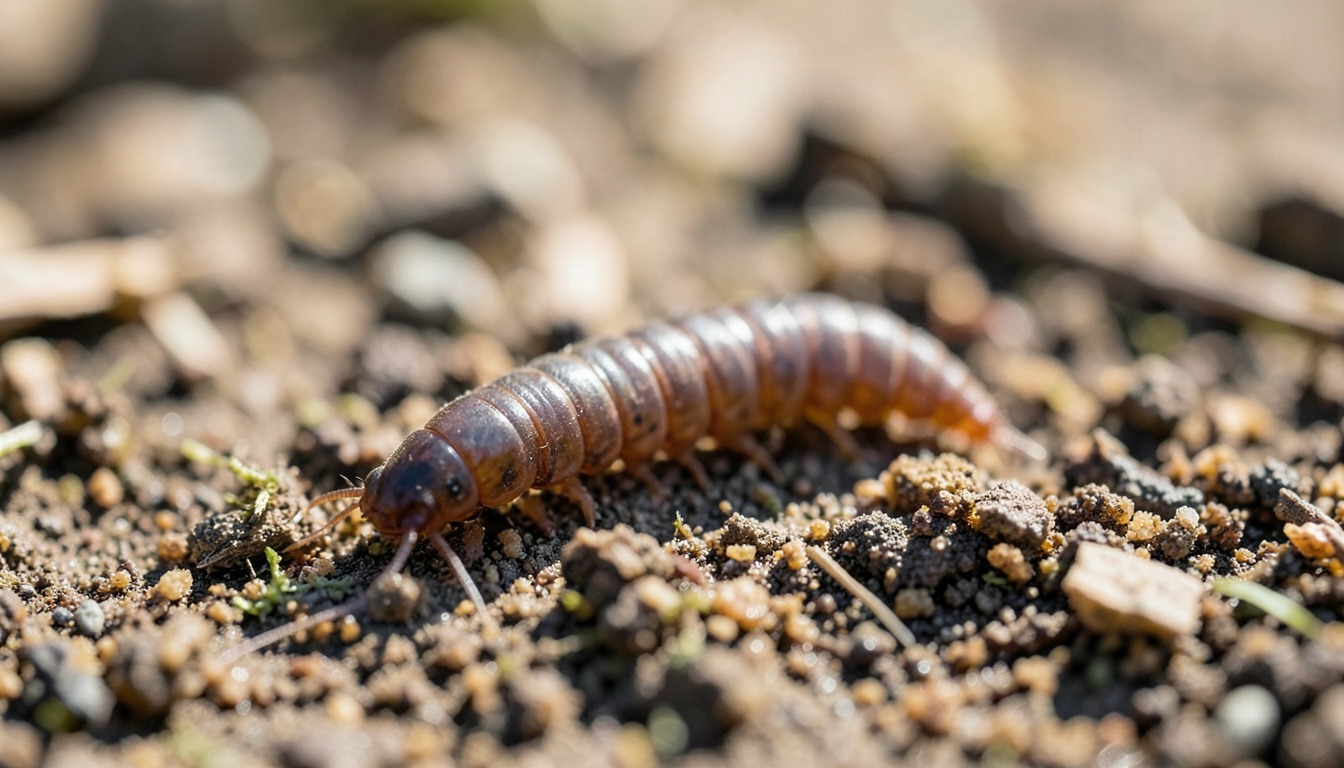
Managing grub infestations requires a strategic approach. Homeowners can choose from chemical treatments or natural remedies, depending on their lawn conditions and personal preferences.
Chemical Treatments: Pros and Cons
Chemical treatments are often effective but come with considerations. Here are some key points:
- Pros:
- Quick results in reducing grub populations.
- Target specific life stages of grubs for maximum effectiveness.
- Available in various formulations for easy application.
- Cons:
- Potential harm to beneficial insects and the environment.
- May require multiple applications based on the product and infestation levels.
- Possible resistance development in grub populations over time.
Natural Remedies for Grub Control
Natural remedies provide an eco-friendly alternative. Here are some popular methods:
- Beneficial Nematodes: These microscopic worms invade and kill grubs. They are safe for pets and humans.
- Milky Spore: A bacteria that specifically targets Japanese beetle grubs. This method is long-lasting and can remain effective for years.
- Diatomaceous Earth: This powdery substance damages the exoskeletons of grubs, leading to dehydration.
These alternatives can be effective, but results may take longer to manifest compared to chemical options.
Best Practices for Prevention
Preventive measures can reduce the likelihood of grub infestations. Consider the following practices:
- Healthy Lawn Maintenance: Keep your lawn healthy with proper watering, mowing, and fertilization. A robust lawn is more resistant to grubs.
- Regular Monitoring: Check for signs of grubs regularly. Lift patches of grass to inspect for white, C-shaped larvae.
- Encourage Natural Predators: Birds and beneficial insects can help control grub populations. Avoid using pesticides that harm these natural enemies.
By integrating these strategies, homeowners can effectively manage grub infestations and maintain a healthy lawn.
Frequently Asked Questions
These quick answers cover the most common questions about this topic, including key details, practical tips, and common concerns.
Why do grubs crawl on their backs?
Grubs crawl on their backs primarily as a means of locomotion. This unique behavior allows them to navigate their environment more efficiently while using their dorsal bristles for traction. It can also serve as a survival tactic, confusing predators and helping them escape threats.
How long does it take a grub worm to turn into a June bug?
The transformation from grub to adult June bug typically takes about 3 to 12 months, depending on environmental conditions. After the larval stage, grubs enter a pupation phase, which lasts 2 to 3 weeks, before emerging as adult beetles in late spring.
Will grubs eventually go away?
Grubs can persist in your lawn if not managed properly. Their population may decline naturally with seasonal changes, but they can also cause significant damage while present. Regular monitoring and treatment can help control their numbers and prevent lasting damage to your grass.
What kills lawn grubs instantly?
Chemical treatments, such as insecticides specifically designed for grubs, can kill them quickly. These products target the larvae during their active feeding stages. Natural alternatives like beneficial nematodes can also be effective, though they may take longer to show results.
Would you like to know how to manage them in your yard or identify if they are causing damage to your grass?
To manage grubs effectively, consider both chemical and natural treatments. Look for signs of damage, such as brown patches or soft soil, to identify infestations early. Maintaining a healthy lawn through proper watering and fertilization can also help prevent grubs from becoming a problem.
What are the signs of grub damage in lawns?
Signs of grub damage include brown patches of grass, areas that feel spongy or soft when walked on, and wilting grass. These symptoms often indicate that the roots are being damaged by the feeding habits of grubs. Regular inspections can help catch these issues early.
How can I identify different types of grubs?
To identify grubs, look for their C-shaped body, typically white or cream-colored with a brown head. Different species may vary slightly in size and color. Visual aids, such as guides or images, can assist in distinguishing between common types, like the Green June Beetle and Japanese beetle grubs.
When should you treat for grubs?
The best time to treat for grubs is during their active feeding period, usually late summer to early fall. Early detection is key, so monitor your lawn regularly. If you notice signs of damage, it’s advisable to act quickly to prevent further harm to your grass.