
The best way to kill grub worms is to apply targeted insecticides or natural remedies, depending on the level of infestation and your lawn care preferences.
Grub worms can wreak havoc on your lawn by damaging roots and causing unsightly brown patches. Knowing how to effectively treat and prevent these pests is crucial for maintaining a healthy lawn. Here are 11 essential grub worm treatments to consider.
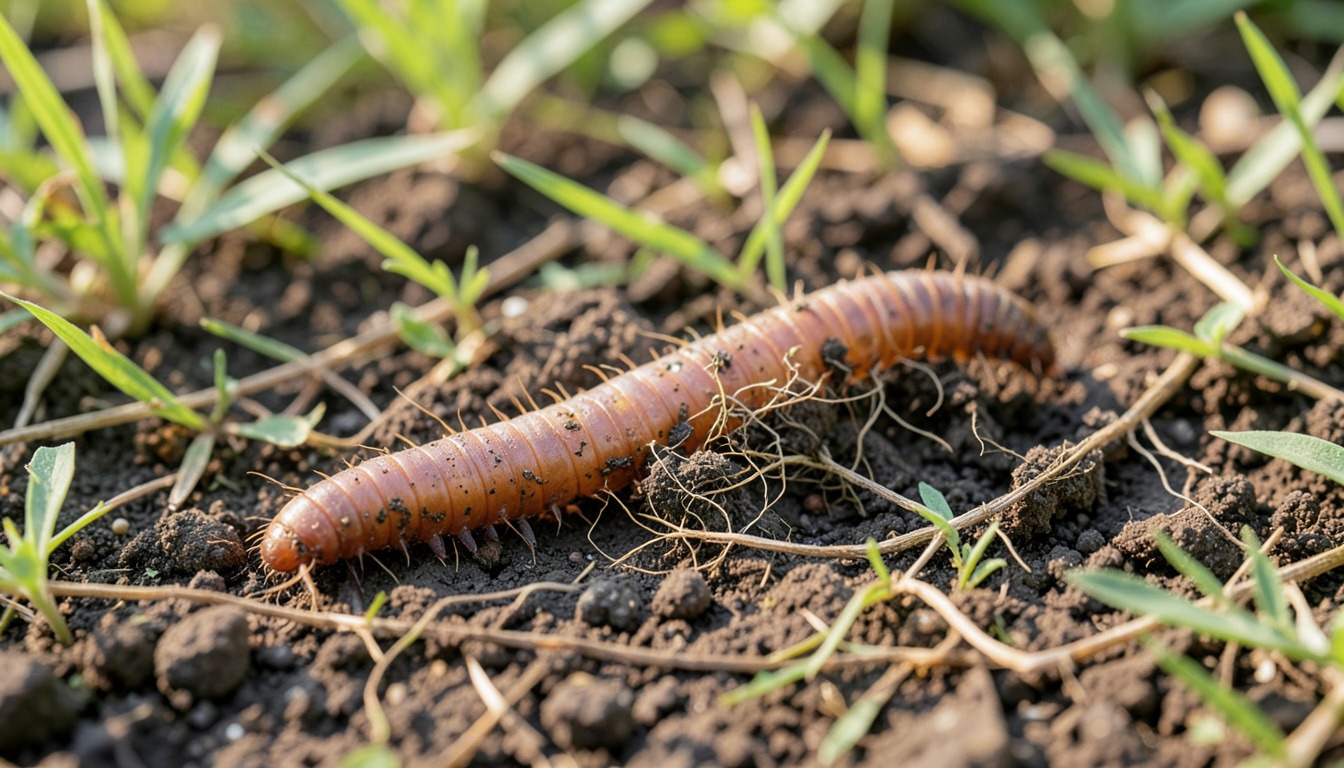
Understanding Grub Worms and Their Impact
Grub worms, the larvae of beetles, can severely damage your lawn by feeding on its roots. Early detection and treatment are essential to prevent extensive damage and maintain a healthy lawn.
What are Grub Worms?
Grub worms belong to the family Scarabaeidae. They are the larval stage of various beetles, including the Japanese beetle and the European chafer. Typically, grubs are creamy-white, C-shaped, and about 0.5 to 2 inches long at maturity.
Life Cycle and Behavior
Grub worms undergo a complete metamorphosis that includes four stages: egg, larva (grub), pupa, and adult beetle. Here’s a breakdown of their life cycle:
- Egg Stage: Female beetles lay eggs in late spring to early summer.
- Larval Stage: Eggs hatch into grubs within 10 days. They feed on grass roots from late summer through fall and resume feeding in spring until they pupate.
- Pupal Stage: Grubs transform into beetles by early summer, completing the cycle.
Understanding their life cycle is crucial. Damage is most significant during the larval stage, particularly from late summer to early fall and again in spring.
Signs of Damage in Your Lawn
Identifying grub worm damage early can mitigate further issues. Common signs include:
Table of Contents
- Thinning Grass: Look for patches of grass that appear brown or weakened.
- Lumpy Turf: The soil may feel uneven due to grubs disrupting the root system.
- Wildlife Activity: Increased activity from animals like skunks or birds searching for grubs can indicate an infestation.
Grubs can tolerate certain levels in healthy lawns. However, if you notice more than five grubs per square foot, treatment may be necessary.
Importance of Early Detection
Early detection is vital. The longer grubs feed on the roots, the more damage they cause. Regularly monitor your lawn for signs of infestation, especially in late summer and early spring. If you suspect a problem, consider applying preventive treatments like Scotts GrubEx1 Season Long Grub Killer to protect your lawn effectively.
How to Identify Grub Worm Infestation
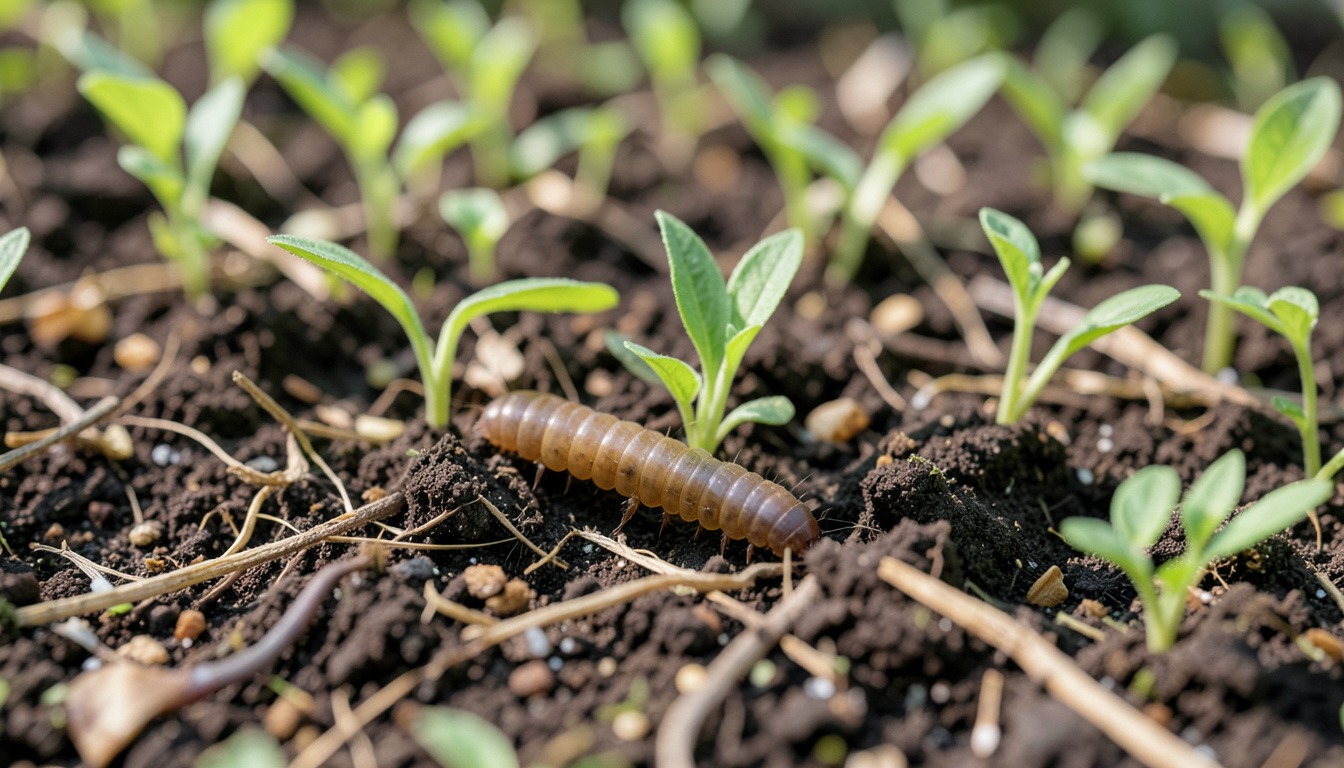
Identifying grub worm infestations early is essential for effective treatment. Regular monitoring can prevent significant lawn damage. Here are methods to check for grubs, including visual signs and soil testing techniques.
Visual Inspection Techniques
Start by examining your lawn for visible signs of grub activity. Look for:
- Turf Condition: Check for thinning, lumpy patches, or dead grass.
- Wildlife Activity: Increased foraging by skunks, raccoons, or birds may indicate grubs.
- C-shaped Grubs: Digging up small sections of your lawn can reveal the grubs themselves, which curl into a C-shape when disturbed.
Soil Sampling for Grub Detection
Conducting a soil test is a reliable method to confirm grub presence. Follow these steps:
1. Select a Test Area: Choose a section of your lawn that appears damaged or unhealthy.
2. Remove Turf: Use a spade to cut a square patch of grass about 6 inches by 6 inches and 3-4 inches deep.
3. Examine the Soil: Look for grubs within the soil. Count how many you find in this area.
4. Assess Grub Density: If you find more than five grubs per square foot, consider treatment options.
Interpreting Your Findings
Understanding your findings is crucial for effective treatment. Use the following guidelines:
- Low Grub Count (1-5 per sq ft): Your lawn may not need immediate treatment if it’s healthy.
- Moderate Infestation (6-10 per sq ft): Consider preventive measures, especially if turf health declines.
- High Infestation (more than 10 per sq ft): Immediate treatment is recommended to prevent extensive damage.
By regularly inspecting your lawn and utilizing soil testing, you can effectively identify grub worm infestations early. If treatment is necessary, consider options such as Scotts GrubEx1 Season Long Grub Killer for effective control.
4 Chemical Treatments for Grub Worms
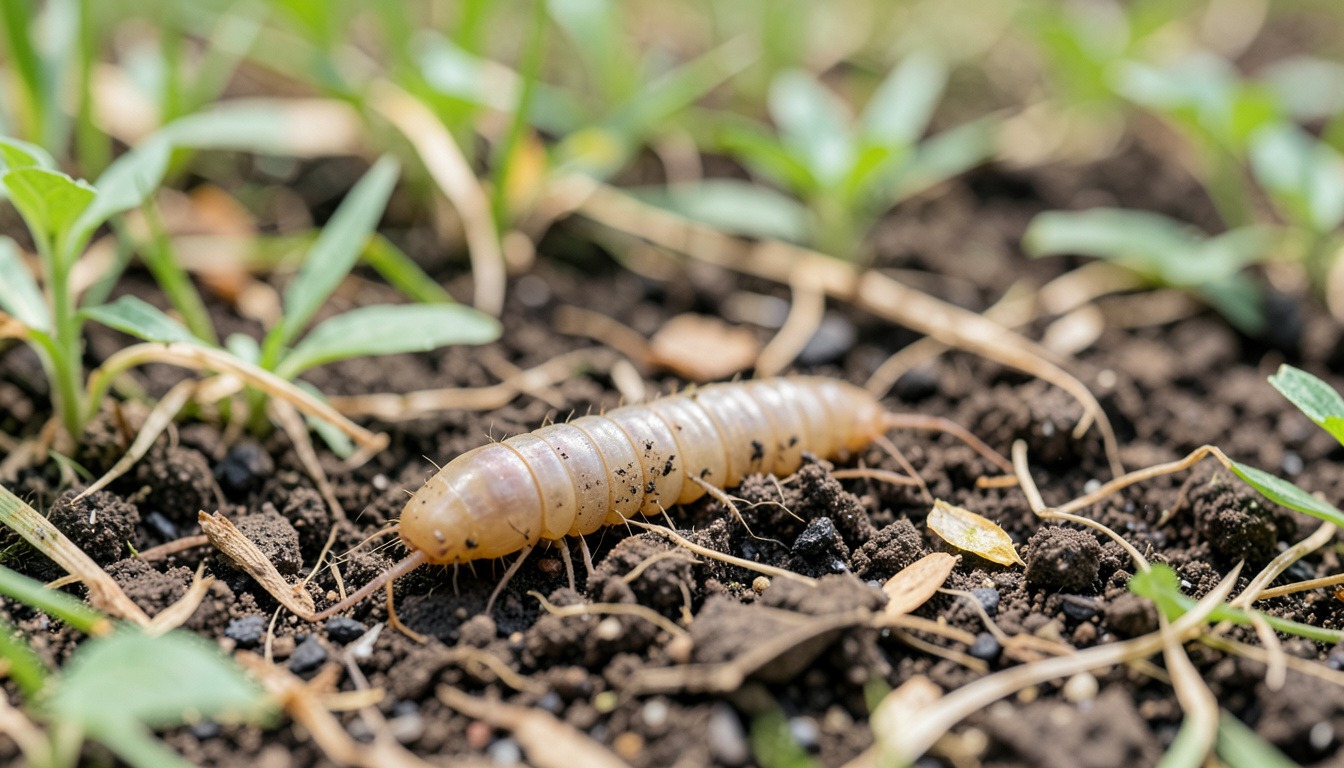
Chemical insecticides can effectively control grub worms when used appropriately. Understanding the active ingredients and their application timing is essential for successful treatment.
Active Ingredients to Look For
When selecting a chemical treatment, focus on the active ingredients. Here are some common options:
- Imidacloprid: A preventive treatment effective against developing larvae. Apply in June or July for best results.
- Thiamethoxam: Similar to imidacloprid, this is also a preventive treatment. Use it during the same timeframe.
- Clothianidin: Another preventive option that reduces grub populations when applied in early summer.
- Carbaryl: A curative treatment for high grub populations. Best applied in late summer or early fall.
- Trichlorfon: Also effective as a curative treatment, similar to carbaryl but with a shorter window of efficacy.
Timing Your Applications
Timing is crucial for maximizing treatment effectiveness. Here’s a general guideline:
| Treatment Type | Best Application Window | Effectiveness |
|---|---|---|
| Preventive | June – July | 70-90% reduction |
| Curative | Late August – Early September | 20-80% reduction |
| Curative | Late Spring (before May) | 20-55% reduction |
To achieve optimal results, apply preventive treatments before grubs hatch. Watch for adult beetles, as their emergence indicates that larvae will soon be present in the soil.
Potential Risks of Chemical Treatments
While chemical treatments can be effective, they come with potential risks. These include:
- Impact on Beneficial Insects: Many chemical insecticides can harm pollinators like bees.
- Environmental Concerns: Chemicals can leach into water supplies and affect wildlife.
- Resistance Development: Overuse of certain chemicals may lead to resistance in grub populations.
Before applying any treatment, read the product label thoroughly. Consider using products like Scotts GrubEx1 Season Long Grub Killer for effective control while minimizing environmental impact.
3 Natural Remedies for Grub Control
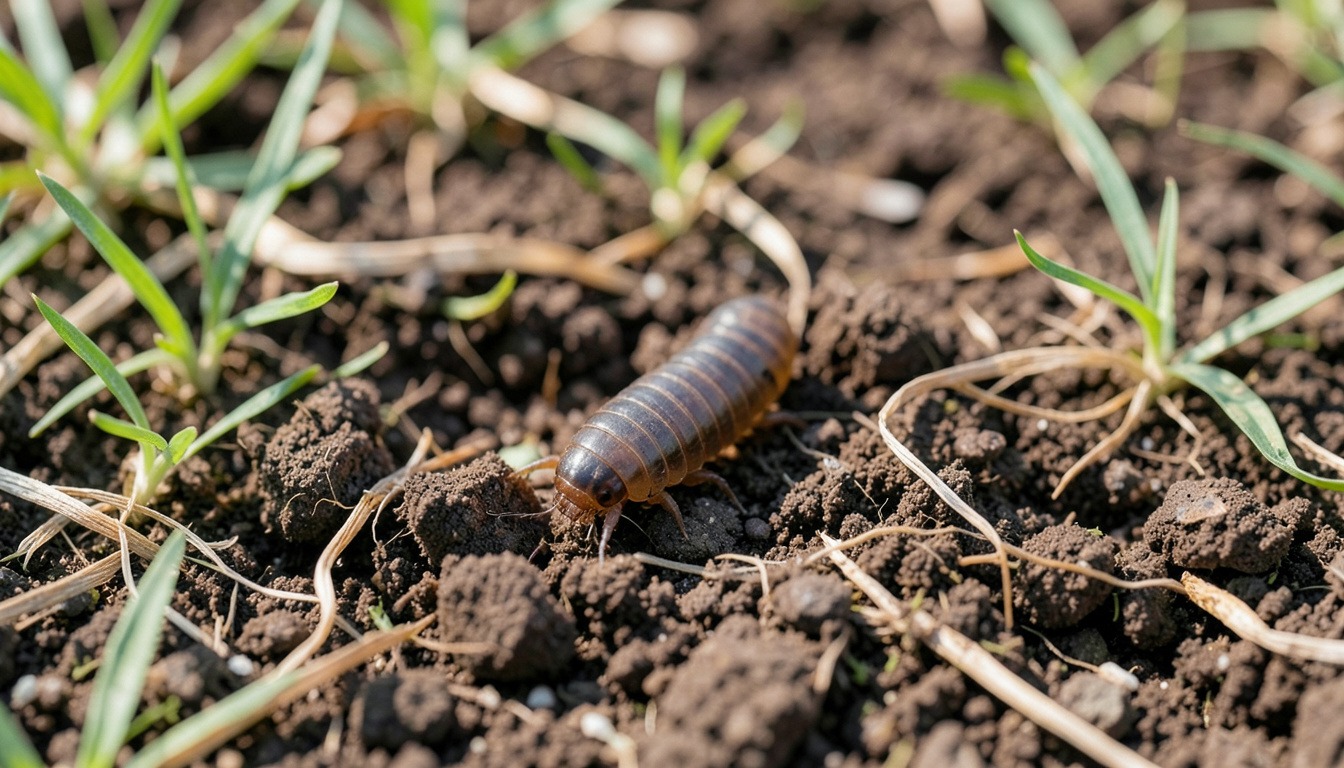
Natural remedies for grub control can effectively help protect your lawn while minimizing environmental impact. Two popular options are beneficial nematodes and milky spore.
Using Beneficial Nematodes
Beneficial nematodes are microscopic worms that target grubs. They invade the bodies of grubs and release bacteria that kill them. This method is highly effective and poses little risk to beneficial insects.
- Application Method:
- Purchase nematodes labeled for grub control, such as Heterorhabditis bacteriophora.
- Mix with water as per package instructions.
- Apply using a standard garden sprayer or hose-end sprayer.
- Water the treated area afterward to ensure the nematodes penetrate the soil.
- Timing:
- Best applied in late spring to early summer when grubs are actively feeding.
Applying Milky Spore
Milky spore is a natural bacterium effective against Japanese beetle grubs. It provides long-term protection, sometimes lasting up to 15 years.
- Application Method:
- Use a granular formulation, such as St. Gabriel Organics Milky Spore.
- Spread the granules evenly over the affected areas using a broadcast spreader.
- Water the area lightly after application to activate the spores.
- Effectiveness:
- Best suited for areas where Japanese beetles are prevalent. It may take several weeks to see results, as the spores need to multiply within the grub population.
Other Natural Alternatives
Consider additional natural treatments for grub control, such as:
- Diatomaceous Earth: A natural powder that can kill grubs by dehydrating them.
- Organic Insecticidal Soaps: Help reduce grub populations without harming beneficial insects.
Comparison of Natural Treatments
| Treatment Method | Target Pest | Longevity | Environmental Impact |
|---|---|---|---|
| Beneficial Nematodes | Various grubs | Seasonal | Minimal |
| Milky Spore | Japanese beetle grubs | Up to 15 years | Very low |
| Diatomaceous Earth | Various grubs | Short-term | Low |
| Organic Insecticidal Soaps | Various pests | Short-term | Low |
These natural remedies not only offer effective grub control but also promote the overall health of your lawn.
Best Timing for Grub Worm Treatments
Timing is crucial for effective grub worm treatment. Understanding grub life cycles helps you apply treatments when they are most vulnerable.
Spring versus Fall Applications
Grub worms typically have two active periods: late spring and early fall.
- Spring Treatments: Apply preventive treatments from late May to mid-August. During this time, grubs are actively feeding. Early intervention helps prevent infestation.
- Fall Treatments: If you notice high grub populations, apply curative treatments in early September. Some products can effectively target grubs before winter dormancy.
Understanding Grub Activity Peaks
Grubs emerge in cycles, influenced by temperature and moisture levels.
- Early Season: As temperatures rise in late spring, adult beetles lay eggs. This leads to an increase in grub activity as they hatch and begin feeding.
- Late Season: Grubs reach peak feeding in late summer, damaging lawns significantly. Monitor your lawn for signs of damage to determine if treatment is necessary.
Adjusting for Regional Differences
Regional variations affect the timing of grub treatments significantly. Here’s a simplified calendar based on common U.S. regions:
| Region | Spring Application | Fall Application |
|---|---|---|
| Northern States | Late May – Mid-Aug | Early September |
| Southern States | Early April – June | Late August |
| Coastal Regions | Late May – Mid-Aug | Early September |
By adjusting your treatment schedule based on your region, you maximize the effectiveness of your chosen method. Always consider local climate factors that may influence grub activity.
Common Mistakes in Grub Worm Treatment
Homeowners often make critical mistakes when treating for grub worms, which can lead to ineffective results and unnecessary damage to their lawns. Understanding these common pitfalls can help you implement a more effective treatment strategy.
Overuse of Chemicals
One of the most prevalent mistakes is overapplying chemical treatments. Many homeowners assume that more product equals better results. However, excessive use can harm beneficial insects and disrupt the local ecosystem.
- Example: A homeowner applied a chemical insecticide twice in one season, believing it would eradicate all grubs. Instead, it harmed pollinators and left the lawn vulnerable to other pests.
To avoid this, always follow the product label instructions carefully. Use only the recommended amount and frequency.
Ignoring Early Signs
Failing to recognize early signs of grub infestation can lead to a more severe problem. Grubs typically cause subtle damage initially, such as thinning grass or soft patches.
- Checklist for Early Detection:
- Look for patches of dead grass.
- Check for increased bird activity, as they often forage for grubs.
- Gently pull back the grass; if it comes up easily, grubs may be present.
By identifying these signs early, you can treat the lawn promptly, preventing extensive damage.
Improper Application Techniques
Incorrect application techniques can diminish treatment effectiveness. Homeowners often neglect to consider factors like timing and soil moisture.
- Example: A homeowner applied a preventive treatment during the fall instead of the recommended late spring. As a result, the grubs hatched and thrived, leading to significant turf damage.
To ensure proper application:
- Apply treatments during the recommended time frame based on your region.
- Water the lawn adequately before and after applying treatments to enhance absorption.
By avoiding these common mistakes, you can effectively manage grub worm populations and maintain a healthy lawn.
Comparing Chemical and Natural Grub Treatments
When managing grub worms, homeowners can choose between chemical treatments and natural remedies. Each option has distinct advantages and considerations that impact effectiveness, safety, and cost.
Effectiveness
Chemical Treatments:
- Fast Action: Chemical grub killers often work quickly, providing immediate relief from infestations. Products containing active ingredients like imidacloprid can kill grubs within 24 hours.
- Broad Spectrum: Many chemical options target multiple pest species, ensuring comprehensive control.
Natural Treatments:
- Sustainable Approach: Natural remedies, such as beneficial nematodes or diatomaceous earth, are less harmful to beneficial insects and the environment. These methods may take longer to show results.
- Long-term Health: Some natural treatments improve soil health, which can contribute to long-term lawn resilience against pests.
Safety for Pets and Environment
Chemical Treatments:
- Potential Risks: Chemical treatments can pose risks to pets, wildlife, and beneficial insects. Always follow label instructions and consider local regulations regarding application.
- Geographical Restrictions: Certain chemicals may not be available in specific areas due to environmental regulations. Check product labels carefully.
Natural Treatments:
- Minimal Harm: Natural options generally present lower risks to pets and children. They are often safer for use around edible plants or in organic gardens.
- Environmental Impact: Using natural treatments supports healthier ecosystems and reduces chemical runoff.
Cost Considerations
| Treatment Type | Average Cost per Treatment | Duration of Effectiveness | Reapplication Frequency |
|---|---|---|---|
| Chemical Treatments | $20 – $50 | 1 season | Every 4-6 weeks |
| Natural Treatments | $15 – $40 | Varies (up to 1 season) | Every 6-8 weeks |
Cost Insights:
- Chemical treatments might appear more cost-effective due to their quick results but require more frequent applications.
- Natural treatments can be cost-efficient in the long run, especially if they improve overall lawn health.
Decision Framework for Treatment Choice
1. Assess Lawn Condition: Evaluate the severity of the infestation and the overall health of your lawn.
2. Consider Safety Needs: If pets or children frequently use the lawn, prioritize natural methods.
3. Evaluate Long-term Goals: Determine whether immediate relief or sustainable lawn health is your priority.
4. Check Local Regulations: Ensure compliance with any state-specific environmental regulations affecting treatment options.
By understanding these comparisons, you can make an informed choice that aligns best with your lawn care objectives.
Long-Term Lawn Care Strategies Post-Treatment
Maintaining a healthy lawn after grub treatments is essential to prevent future infestations. Implementing proper care techniques will enhance your lawn’s resilience and overall health.
Soil Health and Aeration
Healthy soil is the foundation of a thriving lawn. Aerating your lawn helps improve water and nutrient absorption.
- Aeration: Perform annual aeration in the spring or fall. This process relieves soil compaction and promotes root growth.
- Soil Testing: Regularly test your soil pH and nutrient levels. Adjust accordingly to maintain optimal conditions for grass health.
Fertilization Techniques
Proper fertilization supports grass recovery and strengthens its defenses against pests.
- Balanced Fertilizer: Use a well-balanced fertilizer suited for your grass type. Apply it in late spring to encourage robust growth.
- Slow-Release Options: Consider slow-release fertilizers to provide nutrients over time, reducing the risk of nutrient run-off and promoting sustained growth.
Monitoring for Future Infestations
Stay vigilant to catch any signs of grub worm re-infestation early.
- Regular Inspections: Check your lawn periodically for signs of damage. Look for brown patches or areas of grass that pull up easily.
- Grub Count: Dig small sections of your lawn (about 1 square foot) to check for grubs. Finding more than five grubs indicates a potential problem.
Lawn Care Checklist
1. Aerate Annually: Spring or fall.
2. Test Soil Regularly: Adjust pH and nutrient levels.
3. Fertilize Appropriately: Use balanced or slow-release fertilizers.
4. Inspect for Grubs: Regularly check for signs of damage.
5. Maintain Lawn Height: Keep grass at 3-4 inches to promote root growth and shade the soil.
By following these strategies, you can enhance your lawn’s health and reduce the chances of future grub infestations.
Recommended Products for Grub Control
Selecting the right products for grub control is crucial for maintaining a healthy lawn. Various chemical and natural solutions exist, each with distinct benefits and potential drawbacks.
Top Chemical Products
1. Imidacloprid
- Pros: Highly effective as a preventive treatment. It targets newly hatched grubs and can significantly reduce populations when applied in June or July.
- Cons: Can harm beneficial insects. Requires watering after application for best results.
2. Chlorantraniliprole
- Pros: Works well when applied from April to mid-July. Less water-soluble, allowing for flexible application times.
- Cons: Less effective if applied too late in the season.
3. Carbaryl (Sevin)
- Pros: Effective as a curative treatment for established infestations. Targets all life stages of grubs.
- Cons: Short-lived and may be difficult to find as formulations have changed.
Best Natural Remedies
1. Beneficial Nematodes
- Pros: Targets grubs without harming beneficial insects. Safe for pets and wildlife.
- Cons: Requires specific conditions for effectiveness. Must be applied when grubs are present in the soil.
2. Diatomaceous Earth
- Pros: A natural pesticide that can damage the exoskeletons of grubs, leading to dehydration.
- Cons: Requires consistent application and may wash away with rain.
3. Neem Oil
- Pros: Disrupts the growth of grubs, making it harder for them to mature.
- Cons: Slower acting and may require multiple applications for full control.
User Favorites and Reviews
- Product A: “After applying Imidacloprid, I noticed a significant reduction in grubs within weeks. Highly recommend for preventive measures.”
- Product B: “Chlorantraniliprole worked well for me, but I had to remember to water my lawn right after application to see results.”
- Product C: “Using beneficial nematodes was a game changer for my lawn. Safe and effective without harming my garden.”
This comprehensive list provides a spectrum of options for treating grub worms, catering to both chemical and natural preferences. Always consider your lawn’s specific needs and the potential environmental impact when selecting a treatment method.
Conclusion: Effective Grub Worm Management
Managing grub worms is essential for maintaining a healthy lawn. By employing a combination of treatment methods, you can effectively protect your grass from damage.
Recognizing Infestation Signs
Detecting grub worms early is crucial. Look for:
- Irregular brown patches on your lawn.
- Areas of grass that are easily pulled up.
- Increased bird activity, as birds often feed on grubs.
Treatment Options Overview
When selecting a treatment method, consider both chemical and natural options:
- Chemical Treatments: Products containing Trichlorfon or Lambda-Cyhalothrin provide quick results. Apply them during late spring or early summer for best effectiveness.
- Natural Remedies: Beneficial nematodes or Milky Spore can control grub populations without harming beneficial insects. They are ideal for environmentally conscious homeowners.
Importance of Preventive Measures
Preventive treatments are key to long-term lawn health. Apply preventives before grubs hatch to minimize damage. Regular lawn care practices, such as proper mowing and watering, can also strengthen your grass against potential infestations.
Integrated Pest Management
Incorporating an integrated pest management strategy enhances your lawn’s resilience. This approach combines monitoring, preventive measures, and targeted treatments. By understanding your specific lawn conditions and the grub species present, you can make informed decisions that will yield lasting results.
Frequently Asked Questions
These quick answers cover the most common questions about this topic, including key details, practical tips, and common concerns.
What is the best way to kill grub worms?
The best way to kill grub worms is to use targeted treatments based on the severity of the infestation. Chemical insecticides like imidacloprid or thiamethoxam are effective for preventive measures, while carbaryl and trichlorfon work well for established infestations. For a more eco-friendly approach, natural remedies such as beneficial nematodes or milky spore can also be effective.
Will Dawn dish soap kill grub worms?
Dawn dish soap can kill grub worms, but it is not a reliable long-term solution. The soap suffocates grubs by breaking down their protective exoskeleton. However, it may not eliminate the population entirely and could harm beneficial insects in the process. Use it cautiously and consider more effective treatments for serious infestations.
What month do you treat for grubs?
The best time to treat for grubs is typically in late spring to early summer, between June and July, when they are actively feeding. Preventive treatments applied during this time can significantly reduce grub populations. If you’re dealing with an existing infestation, late summer to early fall is the right window for curative treatments.
Is September too late for grub control?
September can be too late for effective grub control in many regions, especially if you’re using preventive treatments. However, if you notice signs of a high grub population, applying curative treatments in early September can still help mitigate damage. Always monitor your lawn for signs of infestation to determine the best timing.
What are the signs of a grub worm infestation?
Signs of a grub worm infestation include irregular brown patches in your lawn, areas of grass that are easily pulled up, and increased activity from birds or animals like skunks and raccoons that forage for grubs. If you find more than five grubs per square foot during soil testing, it’s time to consider treatment options.
What are the natural methods for grub worm treatment?
Natural methods for treating grub worms include using beneficial nematodes, milky spore, and diatomaceous earth. Beneficial nematodes target grubs without harming beneficial insects, while milky spore provides long-term protection against Japanese beetle grubs. Diatomaceous earth dehydrates grubs and can be a useful addition to your pest control strategy.
What should readers know about regional variations in grub types?
Grub types vary by region, affecting treatment timing and effectiveness. For instance, Japanese beetle grubs are prevalent in the Midwest, while southern regions may see different species. Understanding the specific grub types in your area can help you select the most effective treatment and timing to manage infestations.
What should readers know about long-term lawn care strategies post-treatment?
Post-treatment, maintaining lawn health is crucial for preventing future infestations. Focus on aeration, proper fertilization, and regular inspections for signs of grubs. Healthy soil and grass can better withstand pest pressure. Implementing an integrated pest management strategy will also help sustain lawn resilience over time.