
Grub worms are the larval stage of June bugs, and they can cause significant damage to lawns by feeding on grass roots.
Table of Contents
Grub worms and June bugs pose a significant challenge for homeowners, especially during warmer months. This guide delves deep into their lifecycle, the damage they cause to lawns, and effective methods for controlling and preventing infestations.
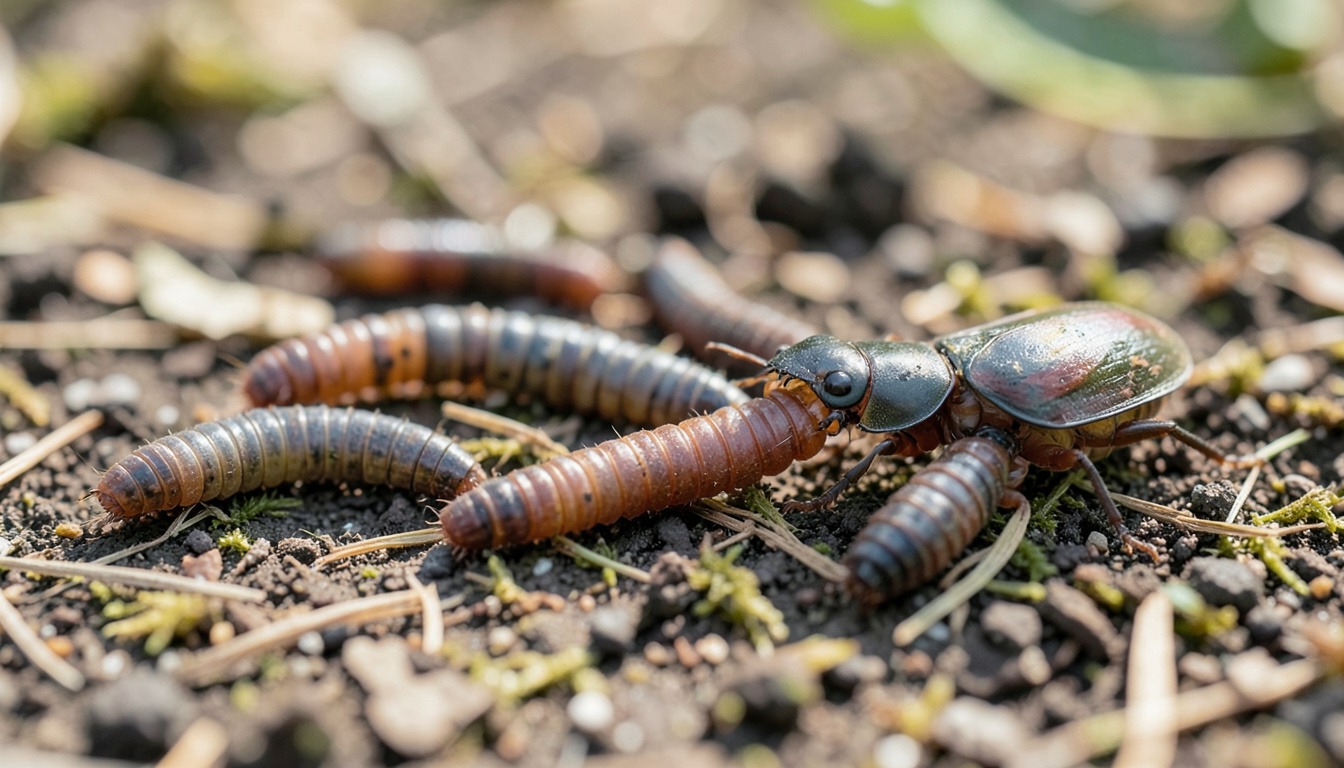
Understanding the Lifecycle of Grub Worms and June Bugs
Grub worms and June bugs undergo a fascinating transformation during their lifecycle. Understanding each stage is crucial for effective identification and control of these pests.
The Egg Stage: Where It All Begins
The lifecycle begins with the egg stage. Adult June bugs lay eggs in the soil during late spring to early summer, typically between June and August.
- Timing: Eggs are laid in moist soil, often in grassy areas.
- Appearance: Eggs are tiny, oval, and white, measuring about 1/8 inch in size.
Within a few weeks, these eggs hatch into larvae, commonly known as grub worms.
The Larval Stage: Grub Worms in Action
After hatching, the young larvae enter the larval stage. This is the stage that homeowners often notice due to the damage caused by these pests.
- Feeding: Grub worms feed on grass roots, leading to significant damage to lawns and gardens.
- Growth: This stage lasts several weeks, during which the grubs grow larger and become more destructive. They can vary in color from white to light brown.
This stage is critical for pest management, as effective treatments can be applied before they transition to the next phase.
The Pupal Stage: Transitioning to Adulthood
Following the larval stage, grub worms enter the pupal stage.
- Duration: This stage can last from a few weeks to several months, depending on environmental conditions.
- Transformation: During pupation, grub worms undergo significant changes, transforming into adult beetles.
Once the pupal stage is complete, adult June bugs emerge from the soil, ready to continue the cycle by laying eggs.
Lifecycle Overview Table
| Stage | Description | Timing | Impact on Lawns |
|---|---|---|---|
| Egg | Laid in moist soil | June to August | None |
| Larval | Grub worms feeding on roots | Late summer to fall | Damage to grass and plants |
| Pupal | Transformation into adult beetles | Late fall to spring | None |
| Adult | Emergence and reproduction | Spring to early summer | Continuation of lifecycle |
Understanding these stages allows homeowners to implement timely pest control measures. For effective management, consider using products like GrubEx Grub Killer during the larval stage to prevent further damage to your lawn.
Identifying Grub Worms and June Bugs: Key Features
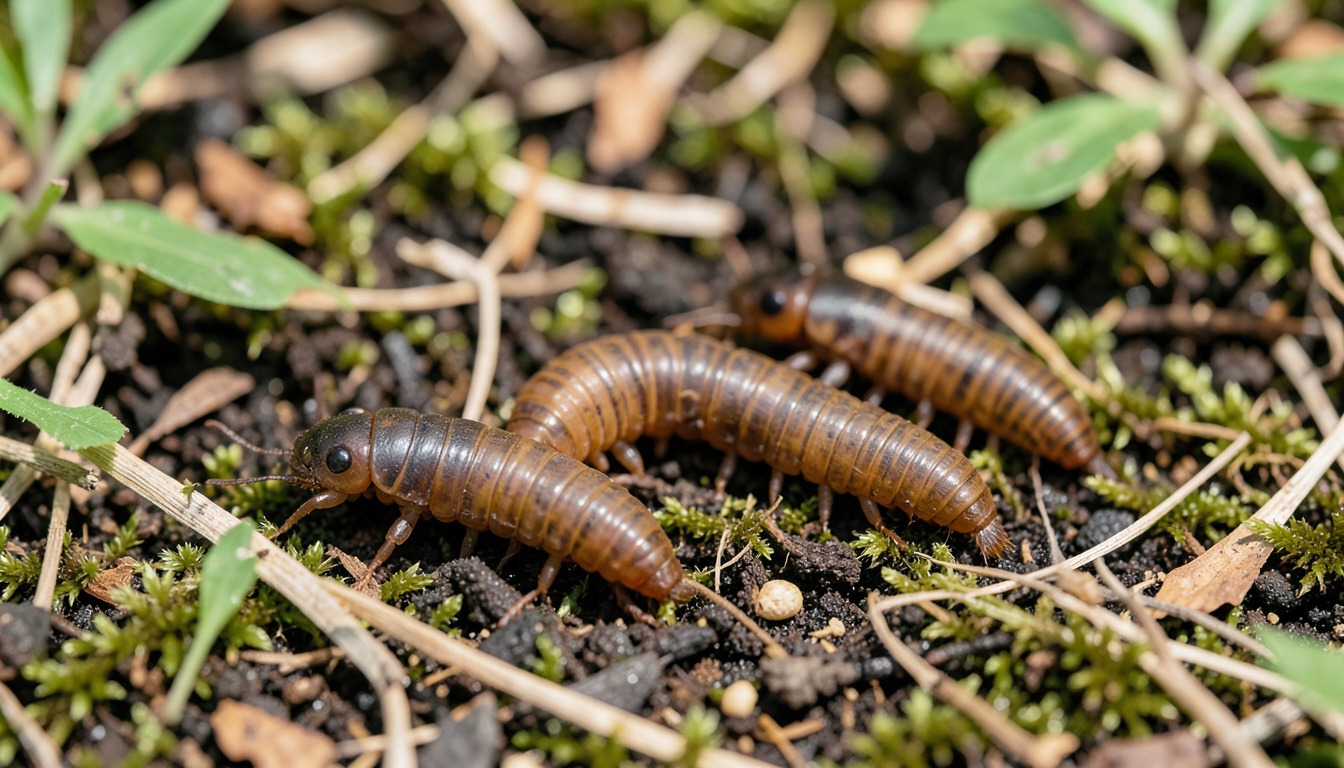
Understanding how to identify grub worms and adult June bugs is crucial for effective pest management. By knowing their characteristics, you can take appropriate action to protect your lawn and garden.
Characteristics of Grub Worms
Grub worms are the larval stage of various beetles, including June bugs. Here are their key features:
- Appearance: Grub worms are typically C-shaped, creamy white, and have a soft body. They possess a distinct brown head capsule.
- Size: They can grow up to 2 inches long, depending on the species.
- Habitat: Grub worms thrive in moist soil, feeding on grass roots and organic matter.
Identifying Adult June Bugs
Adult June bugs are more recognizable. Here are the main identification points:
- Body Shape: June bugs have an oval-shaped body that is shiny and hard.
- Color: They are usually dark brown or black, with some species exhibiting greenish hues.
- Size: Adults measure between 1 to 1.5 inches in length.
- Behavior: These beetles are nocturnal, often found near lights at night.
Common Species to Watch For
Several species of June bugs are prevalent across North America. Notable ones include:
- Common June Bug (Phyllophaga longispina): Known for its classic appearance and widespread presence.
- Ten-lined June Beetle (Polyphylla decemlineata): Recognizable by its distinctive white stripes on a dark body. Common in sandy soils.
- Green June Beetle (Cotinis nitida): This species stands out with its vibrant green color.
Identification Checklist
- Grub Worms:
- C-shaped, creamy white body
- Brown head capsule
- Found in moist soil
- Adult June Bugs:
- Oval, hard body
- Dark brown or green coloration
- Nocturnal behavior near lights
By recognizing these characteristics, you can effectively monitor and manage infestations of grub worms and June bugs. Effective control strategies may involve applying treatments like GrubEx Grub Killer during the larval stage to prevent further damage to your lawn.
Damage Caused by Grub Worms and June Bugs

Grub worms and adult June bugs can inflict significant damage on lawns and gardens. Understanding their feeding habits and the signs of infestation is crucial for effective management.
How Grub Worms Damage Grass Roots
Grub worms primarily feed on the roots of grass and other plants. Their appetite can lead to severe lawn damage, often manifesting as:
- Browning patches: Areas of grass turn brown and die off due to root consumption.
- Uneven growth: Grass may grow unevenly, with some areas thriving while others suffer.
- Easy pull-up: Affected grass can be easily pulled up, revealing the absence of roots.
Statistics show that a significant infestation of grub worms can result in up to 40% loss in turf quality. Early detection is vital to prevent extensive damage.
The Feeding Habits of Adult June Bugs
Adult June bugs feast on foliage, which can detrimentally affect a garden or landscape. Their feeding habits include:
- Chewing on leaves: They may leave behind holes in foliage, impacting plant health.
- Damage to flowers and fruits: June bugs can destroy blossoms and immature fruits, reducing yield.
- Nocturnal feeding: Their activity peaks at night, making detection challenging.
In severe cases, June bug infestations can lead to a noticeable decline in plant vigor, especially during their peak feeding months in late spring and early summer.
Signs of Infestation to Look For
Identifying an infestation early can prevent extensive damage. Look for these signs:
- Presence of adult beetles: Spotting June bugs around outdoor lights at night.
- Patchy lawn areas: Notable dead spots may indicate grub worm activity beneath the surface.
- Bird activity: Increased bird presence often suggests they are feeding on grubs.
To combat these pests, consider using targeted treatments like GrubEx Grub Killer during the larval stage. Effective management combines early detection with appropriate control methods to protect your lawn and garden from these damaging pests.
Effective Control Methods for Grub Worms and June Bugs
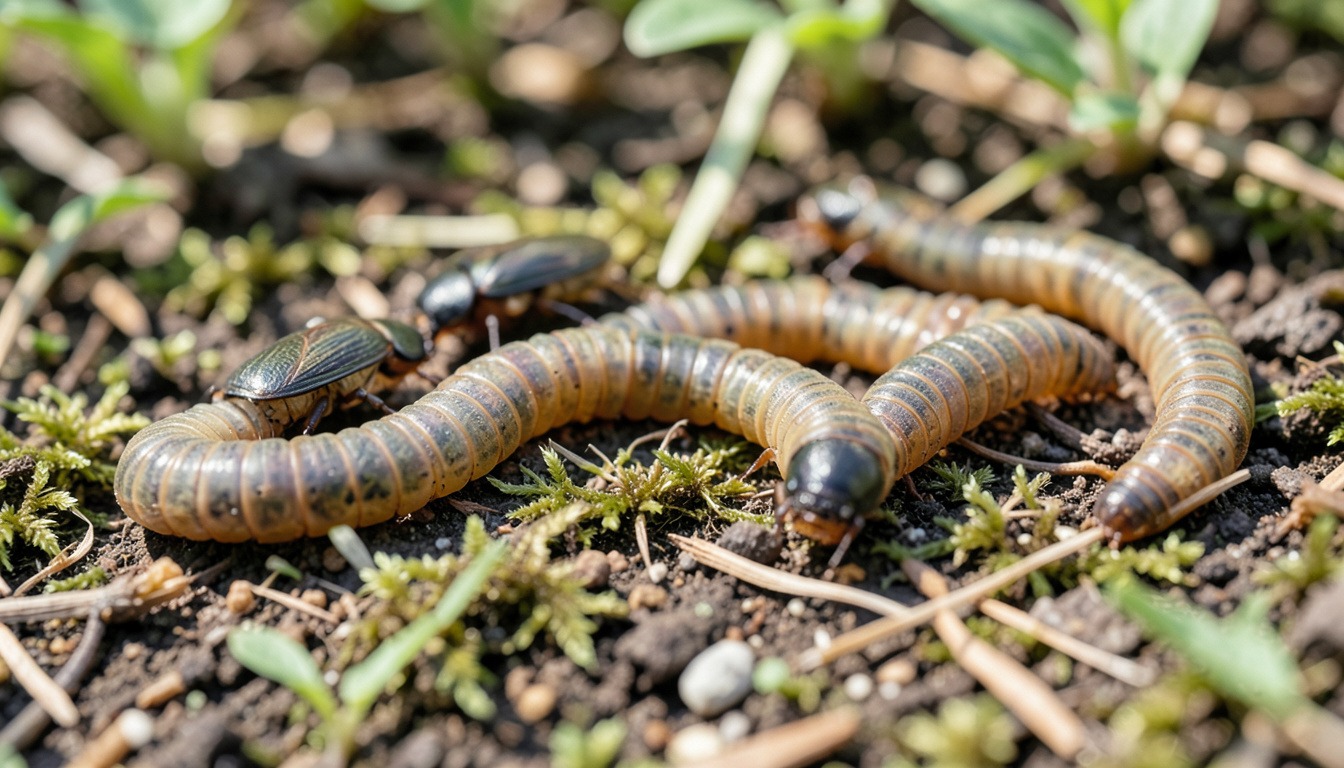
Controlling grub worms and June bugs requires a strategic approach. Understanding the available treatment options is crucial for effective pest management. Here, we outline chemical treatments, natural remedies, and preventative measures to help you safeguard your lawn and garden.
Chemical Treatments: Pros and Cons
Chemical pesticides effectively eliminate both grub worms and June bugs. However, they may also harm beneficial insects and other wildlife. Here are some key details:
- Pros:
- Quick results in reducing pest populations.
- Targeted formulations available specifically for grub worms and June bugs.
- Cons:
- Potential harm to non-target species and the environment.
- Need for careful application to avoid runoff and residue.
Natural Remedies: Safe Alternatives
Natural methods offer environmentally friendly ways to control grub worms and June bugs. These solutions can be effective without harming beneficial insects:
- Beneficial Nematodes: Microscopic worms that prey on grub larvae. Apply during peak activity for best results.
- Neem Oil: A natural pesticide derived from the neem tree, effective against adult June bugs.
- Milky Spore Disease: A bacterium that targets Japanese beetle grubs. It builds up in the soil and provides long-term control.
Preventative Measures for a Healthy Lawn
Preventing infestations is often more effective than treatment. Here are essential practices to keep your lawn healthy and pest-free:
- Healthy Lawn Practices: Regular mowing, aerating, and fertilizing promote strong grass that can withstand pest damage.
- Encourage Beneficial Wildlife: Attract birds and bats that feed on adult June bugs. Install birdhouses and bat houses to encourage their presence.
- Seasonal Lawn Care Tips: Monitor your lawn throughout the year. For instance, treat for grubs in late summer when they are actively feeding.
Decision Matrix for Treatment Options
To choose the best treatment, consider the following factors:
| Factor | Chemical Treatment | Natural Remedy |
|---|---|---|
| Speed of Action | Fast | Slower, but effective over time |
| Environmental Impact | Higher | Lower |
| Cost | Varies | Generally lower |
| Long-term Effectiveness | Short-term | Long-term |
By evaluating these factors, you can make an informed decision based on your specific situation and values.
Timing for Treatment: When to Act Against Grub Worms and June Bugs
Understanding the lifecycle of grub worms and June bugs is crucial for effective pest management. Proper timing for treatment and prevention can significantly reduce infestations.
Best Times to Treat for Grub Worms
Grub worms are most vulnerable during specific periods in their lifecycle. The best times to treat them include:
- Late Summer (July to August): This is when grubs are actively feeding on grass roots. Applying treatments during this period can significantly reduce their population.
- Early Fall (September): Another effective time for treatment as grubs are preparing for pupation. Treating at this stage can help prevent them from maturing into adult beetles.
When to Expect Adult June Bugs
Adult June bugs typically emerge in late spring. Key timings include:
- Late May to Early June: This is the peak period when adult June bugs become visible. They are primarily nocturnal and are attracted to lights during this time.
- Post-Egg Laying (June to July): June bugs lay their eggs shortly after emerging, leading to new grubs. Monitoring your lawn during this phase can help catch infestations early.
Seasonal Lawn Care Tips for Prevention
Preventive lawn care is essential in managing grub worms and June bugs. Here are effective strategies:
- Mow at the Right Height: Keeping grass at an optimal height (around 2.5 to 3 inches) can make your lawn less attractive to pests.
- Water Wisely: Deep and infrequent watering promotes stronger roots, making it less vulnerable to grub damage.
- Aerate Your Lawn: This reduces thatch buildup, which can harbor grubs. Aeration should be done in the early fall.
- Encourage Natural Predators: Create a habitat for birds, bats, and beneficial insects that feed on grubs and adult June bugs.
By aligning your treatment and prevention strategies with the lifecycle of grub worms and June bugs, you can effectively manage their populations and protect your lawn.
Common Mistakes in Managing Grub Worms and June Bugs
Effective management of grub worms and June bugs requires understanding their lifecycle and behaviors. However, many homeowners make critical mistakes that can exacerbate infestations. Here are common pitfalls and how to avoid them.
Misunderstanding Lifecycle Timing
Grub worms and June bugs have distinct seasonal patterns. Many people incorrectly assume that treatments can be applied at any time. In reality, it is crucial to align your pest management strategies with their lifecycle.
- Grub Worms: These larvae hatch in late spring to early summer. Apply preventative treatments before they emerge.
- June Bugs: Adult beetles typically appear in late spring and lay eggs shortly thereafter. Monitor your lawn during this period for signs of activity.
Over-reliance on Chemical Treatments
While chemical pesticides can be effective, relying solely on them can lead to resistance and harm beneficial organisms. Consider integrating natural remedies into your pest management plan.
- Natural Predators: Encourage birds and bats in your garden. They can significantly reduce both grub and June bug populations.
- Cultural Practices: Implement lawn care practices, such as proper watering and aeration, to create an unfavorable environment for pests.
Ignoring Early Signs of Infestation
Failing to recognize early signs of grub worm and June bug activity can lead to extensive lawn damage. Regular lawn inspections are essential.
- Signs of Grub Infestation: Look for brown patches, spongy soil, or increased bird activity.
- Signs of June Bugs: Observe nocturnal flights around lights and late-night feeding on foliage.
Troubleshooting Guide and Checklist
To avoid the common mistakes outlined, consider the following checklist:
- Timing:
- [ ] Monitor the lifecycle of grub worms and June bugs.
- [ ] Apply treatments before larvae emerge in late spring.
- Treatment Options:
- [ ] Use a combination of chemical and natural methods.
- [ ] Introduce beneficial predators to your landscape.
- Inspection Routine:
- [ ] Conduct weekly lawn checks during peak seasons.
- [ ] Document any signs of pest activity and act promptly.
By addressing these common mistakes, you can effectively manage and control grub worms and June bugs, protecting the health of your lawn.
Frequently Asked Questions
These quick answers cover the most common questions about this topic, including key details, practical tips, and common concerns.
Do grub worms turn into June bugs?
Yes, grub worms are the larval stage of June bugs. After hatching from eggs laid in moist soil, these larvae feed on grass roots. As they mature, they undergo a transformation into pupae and eventually emerge as adult June bugs. This lifecycle is crucial for understanding when to treat your lawn for effective pest control.
Are grubs and June bugs the same thing?
No, grubs and June bugs are not the same, but they are related. Grubs refer to the larval stage of various beetles, including June bugs. While grubs damage lawns by feeding on roots, June bugs are the adult form that primarily feeds on foliage. Understanding this distinction helps in targeting pest management strategies effectively.
Does Dawn dish soap really kill grubs?
Dawn dish soap can be used as a temporary control method for grubs. When mixed with water and applied to the lawn, it can suffocate some grubs by blocking their breathing pores. However, it is not a long-term solution, and more effective treatments are recommended for significant infestations.
What kills grubs immediately?
Chemical pesticides specifically designed for grubs can provide immediate results. Products containing ingredients like carbaryl or imidacloprid are effective at quickly reducing grub populations. For natural alternatives, beneficial nematodes can also help control grubs, but they may take longer to show results.
How to eradicate grubs and June bugs?
To effectively eradicate grubs, apply targeted insecticides during their active feeding period in late summer. For June bugs, monitoring and treating during their emergence in late spring are crucial. Combining chemical treatments with natural remedies, such as neem oil or beneficial nematodes, can enhance your pest management strategy.
What are the signs of grub damage?
Signs of grub damage include brown patches in your lawn, which indicate dead grass due to root consumption. You may also notice spongy soil that easily lifts when pulled. Increased bird activity in your yard can also signal the presence of grubs, as birds often dig them up for food.
Can I use natural remedies for grub control?
Yes, natural remedies can be effective for controlling grubs. Options include beneficial nematodes, which are microscopic worms that prey on grubs, and neem oil, which disrupts their life cycle. These methods are safer for the environment and beneficial insects, making them great alternatives to chemical pesticides.