
Moles primarily feed on earthworms, but they also eat grubs.
Table of Contents
Understanding the relationship between grub worms and moles is crucial for effective pest management in your lawn. While moles do eat grubs, their primary diet consists of earthworms. This guide explores effective strategies to control both pests and improve your lawn’s health.
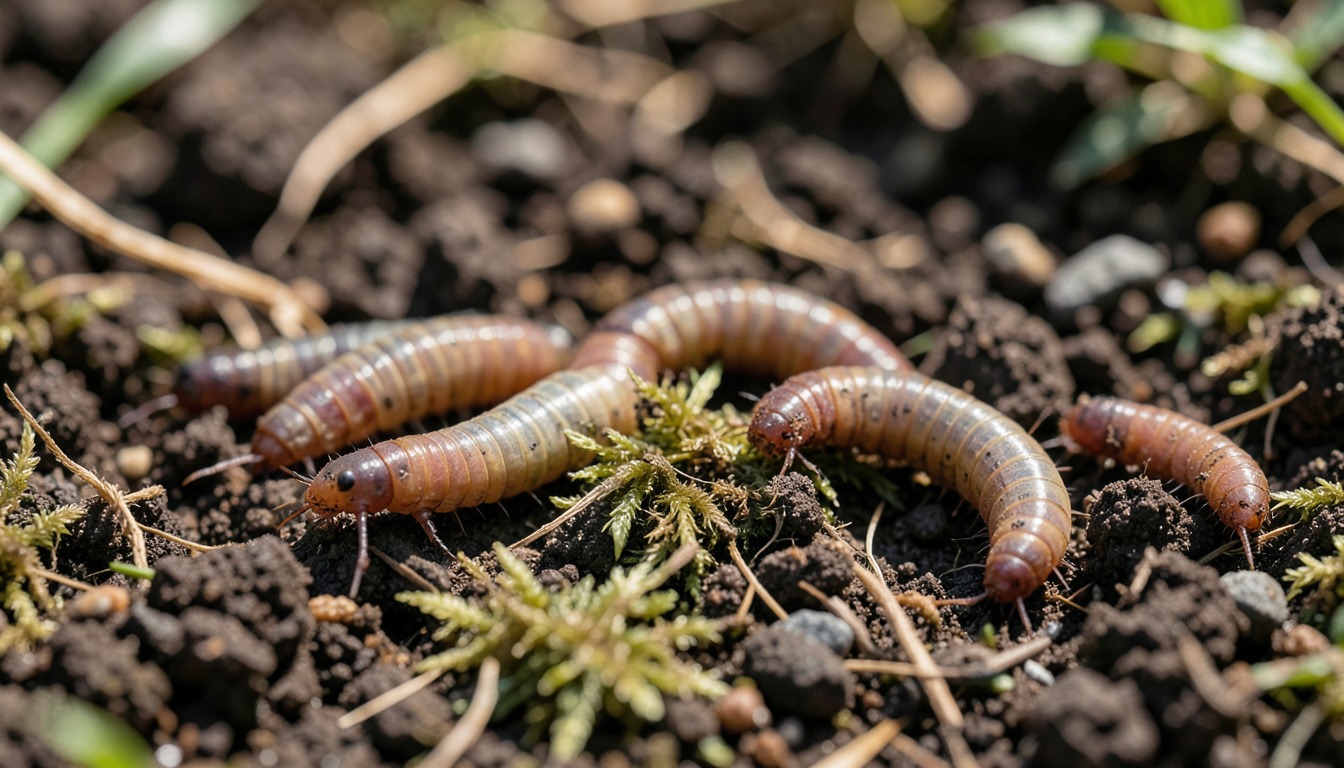
Understand the Diet of Moles: Why Grubs Are Just a Side Dish
Moles are fascinating creatures with specific dietary preferences. While they do consume grubs, their main food source is earthworms, which significantly influences their behavior and habitat choices.
Mole Dietary Preferences Explained
Moles primarily eat earthworms due to their abundance in healthy soil. Here are key points about their diet:
- Earthworms: Moles prefer earthworms as their staple food. They locate them through touch and smell.
- Grubs: Grubs, the larvae of various beetles, are an opportunistic food source. Moles will eat them if available but do not actively seek them out.
- Other Insects: Moles occasionally consume other lawn insects, but these are not their main dietary focus.
Understanding this hierarchy in their diet is crucial for effective pest control.
The Role of Earthworms in a Mole’s Diet
Earthworms play a vital role in a mole’s survival. Healthy lawns, rich in organic matter, naturally support a high population of earthworms. This relationship has practical implications:
- Lawn Health: A well-maintained lawn provides food for earthworms, which in turn attracts moles.
- Mole Activity: If your lawn is teeming with earthworms, it is likely to attract moles. Conversely, lawns with fewer earthworms will be less appealing to them.
Why Grubs Are Not the Main Attraction
Grubs are often misidentified as the primary reason for mole infestations. However, their role is secondary:
- Transient Food Source: Grubs fluctuate in population based on the beetle life cycle. Moles do not rely on them for sustenance.
- Example: Consider a lawn treated with grub control. Even if grubs are eliminated, moles often remain due to the presence of earthworms. This scenario highlights that controlling grubs alone will not solve mole problems.
Effective Control Strategies
To manage both moles and grubs effectively, focus on the following:
- Identify Grub Infestations: Check for signs of grubs, such as brown patches in your lawn. Use a soil probe to assess grub populations.
- Natural vs. Chemical Treatments: Weigh the pros and cons of natural methods, like introducing nematodes, against chemical options like Tomcat Mole Killer Grubs, which can be effective in targeting both moles and their food sources.
- Trapping Techniques: Use traps strategically placed in active mole tunnels to capture them effectively.
By understanding the diet of moles, you can implement more targeted and effective lawn management strategies.
Identifying Grub Worm Infestations: Signs and Symptoms
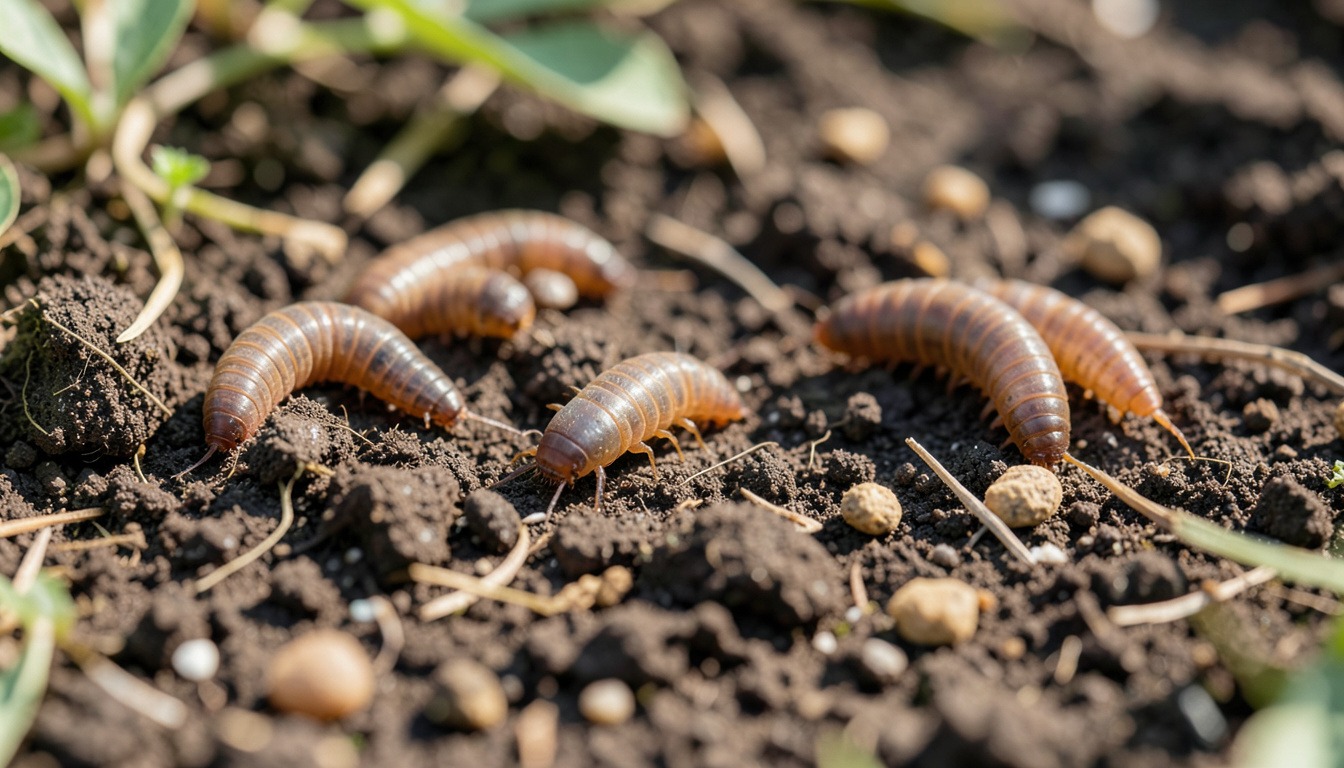
Grub worms can cause significant damage to your lawn if left unchecked. Identifying their presence early is crucial for effective management. Here are the signs and methods to assess grub infestations.
Visual Signs of Grub Damage
Look for these indicators of grub damage in your lawn:
- Brown Patches: Areas of dead grass that may pull up easily, resembling a carpet.
- Spongy Turf: If the grass feels soft or spongy underfoot, it may indicate root damage from grubs.
- Delayed Green-Up: In spring, lawns may take longer to green up due to root damage.
- Increased Animal Activity: Birds and moles may be more active as they feed on grubs.
How to Check for Grub Infestations
Follow these steps to check for grubs in your lawn:
1. Visual Inspection: Start by examining areas with brown patches or spongy turf.
2. Soil Probe Test: Use a soil probe to dig a small section of turf about 3-4 inches deep.
3. Count the Grubs: Look for white, C-shaped grubs. If you find more than 10 grubs per square foot, consider treatment.
Timing: When to Inspect Your Lawn
Inspect your lawn during key seasons:
- Late Summer to Early Fall: This is when grubs are most active and can cause significant damage.
- Spring: Check for delayed growth or sod lifting.
- Early Summer: Look for signs of adult beetles, which indicate a forthcoming grub population.
Checklist for Homeowners
Use this checklist to assess your lawn for both grubs and moles:
- [ ] Inspect for brown patches and spongy turf.
- [ ] Conduct a soil probe test in suspected areas.
- [ ] Count grubs found in soil samples.
- [ ] Monitor for increased activity of birds or moles.
- [ ] Evaluate your lawn’s growth patterns in spring and fall.
By recognizing these signs and symptoms, homeowners can take timely action against grub worms and mitigate their impact on lawn health.
Effective Control Methods for Grub Worms
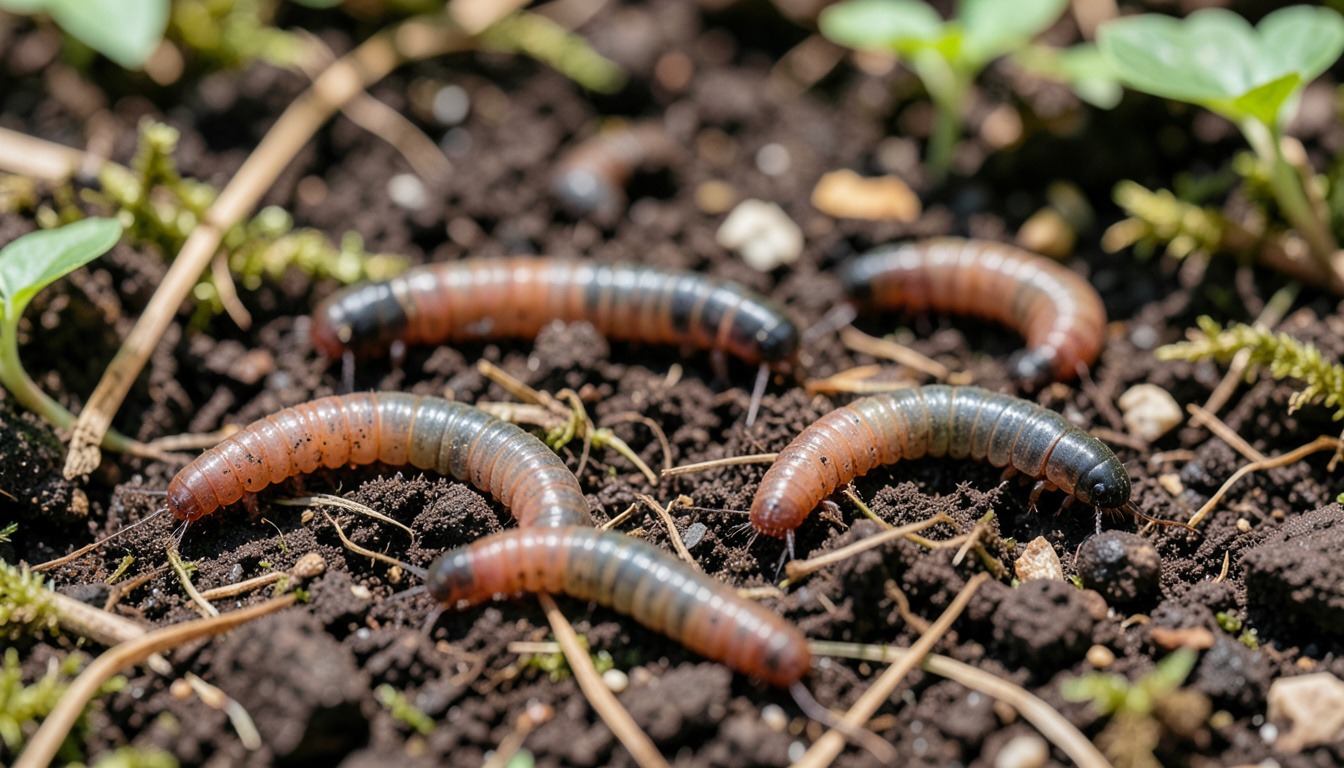
Controlling grub worms is essential for maintaining a healthy lawn. Homeowners can choose between chemical treatments and natural remedies to manage these pests effectively. Below, we explore both approaches to help you make an informed decision.
Chemical Treatments: Pros and Cons
Chemical treatments can provide rapid results in controlling grub populations. However, they also come with drawbacks.
Pros:
- Quick Action: Chemical pesticides often show immediate results in reducing grub populations.
- Wide Availability: Many products are readily available at garden centers.
Cons:
- Environmental Impact: Chemicals can harm beneficial insects and soil health.
- Safety Concerns: Proper handling and application are crucial to avoid health risks.
Natural Remedies for Grub Control
Natural methods can effectively control grub worms while minimizing harm to the environment.
Common Natural Remedies:
- Milky Spore: A bacteria that targets grub worms without affecting beneficial insects.
- Beneficial Nematodes: Microscopic worms that invade and kill grubs.
- Diatomaceous Earth: A natural powder that dehydrates and kills grubs upon contact.
Natural remedies may take longer to show results but are safer for the environment.
Best Practices for Application
When applying either chemical or natural treatments, follow these best practices to ensure effectiveness:
1. Timing: Apply treatments in late summer or early fall when grubs are most active.
2. Soil Preparation: Aerate the lawn to improve treatment absorption.
3. Follow Instructions: Adhere to product guidelines for application rates and methods.
Treatment Comparison Table
| Treatment Type | Effectiveness | Safety | Environmental Impact |
|---|---|---|---|
| Chemical Treatments | High | Moderate | High |
| Natural Remedies | Moderate | High | Low |
Consider these factors when choosing your approach. For aggressive infestations, chemical treatments may be necessary. However, for routine maintenance and eco-conscious gardening, natural remedies are advisable.
For a targeted approach, consider products like Tomcat Mole Killer Grubs to help manage both grubs and moles effectively.
Trapping Moles: Techniques for Success
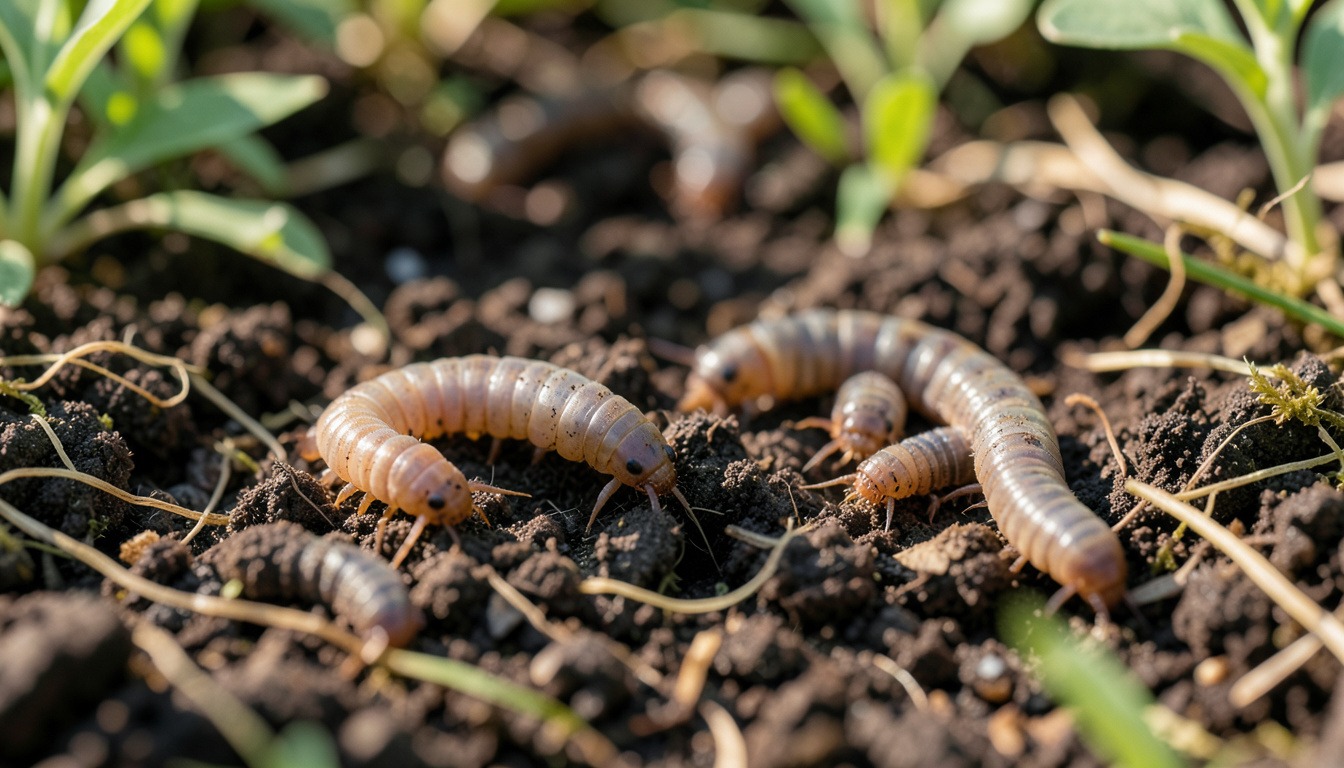
Trapping moles effectively requires the right techniques and strategies. Understanding mole behavior and using appropriate traps can lead to successful control of these pests.
Choosing the Right Trap for Your Situation
Selecting the correct trap is crucial for successful mole control. There are two primary types of traps:
- Scissor Traps: Ideal for deep tunnels. These traps use a scissor mechanism to quickly capture moles.
- Harpoon Traps: Best for shallow, surface tunnels. They penetrate the mole when it travels through its pathway.
Both types can be effective, but your choice should depend on the depth of the tunnels in your yard.
How to Set Traps for Maximum Effectiveness
Setting traps correctly increases your chances of catching moles. Follow these steps:
1. Identify Active Tunnels: Flatten a tunnel and check if it is raised the next day. A repaired tunnel indicates activity.
2. Choose the Right Location: Place traps along well-defined, straight tunnels. These are typically used for travel between feeding areas.
3. Set the Trap: Follow the manufacturer’s instructions for setting the trap. Ensure it is tightly secured and aligned with the tunnel.
4. Check Regularly: Inspect traps daily to remove any captured moles and reset as needed.
Placement Strategies to Catch Moles
Proper placement of traps is essential. Use these strategies for optimal results:
- Tunneling Patterns: Moles create straight runs along structural lines. Place traps where these runs intersect.
- Avoid Disturbance: Minimize disruption around the trap area to maintain normal mole activity.
- Seasonal Timing: Moles are more active during spring and fall. Plan your trapping efforts accordingly.
Example Scenario
Imagine a homeowner discovers raised tunnels in their lawn, indicating a mole problem. They:
1. Flatten the tunnels and confirm activity.
2. Use a scissor trap, placing it in a straight run near a flower bed.
3. Check the trap daily and successfully capture a mole within three days.
By following these strategies, they effectively manage their mole problem, reducing lawn damage caused by tunneling.
The Timing of Treatments: When to Act Against Grubs and Moles
Understanding when to treat for grubs and moles is crucial for effective lawn management. Timing influences the success of control methods and minimizes damage to your lawn.
Spring and Fall: Peak Activity Periods
Moles and grubs exhibit distinct seasonal behaviors.
- Spring: As temperatures rise, both grubs and moles become active. Grubs emerge from their dormant state, while moles start digging for food. This is an ideal time to monitor for infestations.
- Fall: Moles prepare for winter by tunneling more extensively in search of food, and grubs are also present in the soil. Treatments during this period can prevent extensive lawn damage.
Timing for Chemical Applications
Chemical treatments require precise timing to maximize effectiveness.
- Grub Control: Apply preventative treatments in late spring or early summer when grubs are just hatching. For curative applications, target late summer to early fall when grubs are larger and more vulnerable.
- Mole Control: Use trapping methods in spring and fall. This is when moles are most active and searching for food.
Natural Treatment Timing Strategies
Natural treatments can also be effective, but timing is critical.
- Beneficial Nematodes: Apply these in late summer when soil temperatures are warm. They naturally target grubs while being safe for other lawn organisms.
- Castor Oil Repellents: Use repellents in early spring and late fall to deter moles. Reapply monthly during the active season for best results.
Treatment Action Calendar
| Month | Action Item |
|---|---|
| March-April | Monitor for mole activity; begin grub treatment if necessary. |
| May-June | Apply preventative grub treatments. |
| July-August | Assess grub populations; consider curative treatments if needed. |
| September-October | Set traps for moles; apply nematodes for grubs. |
| November-December | Maintain lawn health; prepare for winter. |
This calendar serves as a guide for when to implement various treatments against grubs and moles. Following these timelines can significantly enhance your lawn’s health and minimize pest-related damage.
Natural vs. Chemical Control: Making the Right Choice
When managing grub worms and moles, choosing the right pest control method is essential. Both natural and chemical approaches have distinct advantages and drawbacks that can significantly impact lawn health and pest populations.
Understanding Chemical Treatments
Chemical treatments often provide immediate results. They target grub worms effectively, reducing their populations quickly. Common chemical options include insecticides that disrupt the grub’s life cycle. However, these methods can pose risks to beneficial insects and the environment.
Pros of Chemical Treatments:
- Fast-acting results.
- Targeted action against specific pests.
- Greater control over severe infestations.
Cons of Chemical Treatments:
- Potential harm to beneficial insect populations.
- Environmental concerns and regulations.
- Risk of chemical resistance developing in pest populations.
Exploring Natural Remedies
Natural remedies focus on creating an ecosystem that minimizes pest infestations. Techniques such as introducing beneficial nematodes or using milky spore can control grub worms without harming other insects. These methods promote long-term lawn health but may take longer to show results.
Pros of Natural Remedies:
- Eco-friendly and safe for beneficial insects.
- Encourages a balanced ecosystem.
- Reduces chemical usage.
Cons of Natural Remedies:
- Slower results compared to chemicals.
- May require consistent application for effectiveness.
- Some methods may not eliminate severe infestations entirely.
Making an Informed Decision
Choosing between natural and chemical treatments depends on your lawn’s specific needs and your values regarding environmental impact. Consider the following decision framework:
1. Assess the Infestation Severity: If grub worm populations are high and causing significant damage, chemical treatments may be necessary for immediate control.
2. Evaluate Long-Term Goals: If you aim for sustainable lawn management, prioritize natural methods that enhance soil health and promote beneficial organisms.
3. Consider Local Regulations: Be aware of any restrictions on chemical treatments in your area, as some products may be banned due to environmental concerns.
Scenario Example:
A homeowner notices patches of dying grass in early summer. Upon inspection, they find a high grub population. They opt for a chemical insecticide for immediate relief. After the infestation is controlled, they transition to natural remedies for ongoing maintenance, using beneficial nematodes in the fall to prevent future outbreaks.
By weighing these factors, you can make an informed choice that aligns with your lawn management strategy while effectively addressing grub worms and moles.
Preventive Measures for a Healthy Lawn: Keeping Grubs and Moles Away
A proactive approach to lawn care can significantly deter grub worms and moles from invading your yard. Implementing effective preventive strategies will help maintain a healthy lawn and minimize pest populations.
Maintaining Lawn Health Year-Round
A robust lawn is less susceptible to pest infestations. Follow these maintenance tips to promote healthy grass growth:
- Mow Regularly: Keep grass at a height of 2.5 to 3 inches. Taller grass shades the soil, discouraging pests.
- Water Wisely: Water deeply but infrequently. Aim for about 1 inch of water per week. Over-watering creates an inviting environment for both grubs and moles.
- Fertilize Appropriately: Use slow-release fertilizers in spring and fall. A well-nourished lawn can better withstand pests.
Cultural Practices to Minimize Pests
Cultural practices can create an environment that is less attractive to grubs and moles:
- Aerate the Lawn: Aeration improves drainage and reduces soil compaction, making it less favorable for moles.
- Reseed with Pest-Resistant Grasses: Consider planting varieties that are less appealing to grubs.
- Mulch and Compost: Organic matter improves soil health, making it less hospitable to pests.
Use of Beneficial Nematodes
Introducing beneficial nematodes can be an effective biological control measure:
- Target Grubs: These microscopic worms naturally seek out and destroy grub larvae in the soil.
- Application Timing: Apply nematodes in late summer or early fall when grubs are close to the surface.
- Moisture Requirement: Ensure the soil remains moist for at least two weeks after application for optimal effectiveness.
Preventive Maintenance Checklist
Here is a concise checklist to help keep your lawn healthy and pest-free:
- [ ] Mow regularly to maintain proper grass height.
- [ ] Water deeply but infrequently, ensuring good drainage.
- [ ] Fertilize with slow-release options during the growing season.
- [ ] Aerate the lawn at least once a year.
- [ ] Reseed with pest-resistant grass varieties.
- [ ] Apply beneficial nematodes during peak grub activity.
By following these preventive measures, homeowners can significantly reduce the chances of grub worm and mole infestations, ensuring a thriving lawn.
Common Mistakes in Controlling Moles and Grubs
Homeowners often make critical errors when trying to manage grub worms and moles. Understanding these mistakes can lead to more effective control strategies.
Misunderstanding Pest Behavior
Many people believe that eliminating grubs will eradicate moles. This is a misconception. While moles do eat grubs, their primary food source is earthworms. Even in grub-free lawns, moles will remain if earthworms are abundant. Therefore, focusing solely on grub control is ineffective.
Example: A homeowner treated their lawn for grubs, expecting moles to leave. However, moles continued to tunnel through the yard because earthworms were plentiful.
Over-Reliance on One Control Method
Using a single strategy, such as chemical treatments, often leads to disappointment. Homeowners may apply grub control products without considering the broader ecosystem. This can disrupt natural predators and reduce lawn health.
Effective Strategy: Combine methods. Use traps for moles and beneficial nematodes for grub control. This integrated approach minimizes the chances of reinfestation.
Ignoring Lawn Health Indicators
A healthy lawn is less attractive to pests. Homeowners sometimes overlook signs of poor lawn health, such as brown patches or excessive thatch. These conditions create an ideal environment for grubs and, consequently, moles.
Checklist for Lawn Health:
- Regularly inspect for signs of grub damage (e.g., dead grass).
- Maintain proper watering and drainage to prevent soft, damp soil.
- Aerate and fertilize to promote grass resilience.
By recognizing these common mistakes and adjusting strategies accordingly, homeowners can achieve more effective control of grub worms and moles.
Are Grubs Attracting Moles? Understanding the Relationship
Grub worms can influence mole behavior, but their role is often misunderstood. While moles do consume grubs, they primarily seek out earthworms. Understanding this relationship is crucial for effective lawn management.
The Role of Grubs in Mole Diet
Moles primarily feed on earthworms, but grubs are part of their diet. Grubs are opportunistic food sources for moles. When moles tunnel through lawns, they may encounter grubs. However, the absence of grubs does not deter moles if other food sources are available.
Key points about moles’ dietary preferences:
- Moles favor moist, loose soil, which is conducive to tunneling.
- Earthworms are the mainstay of their diet, often outnumbering grubs.
- A lawn with numerous earthworms can still attract moles, regardless of grub population.
Does Reducing Grubs Deter Moles?
Reducing grub populations does not guarantee that moles will leave your lawn. While fewer grubs may make a lawn less appealing to moles, the presence of earthworms will still attract them. This means that simply targeting grubs with treatments may be an ineffective strategy.
Consider this scenario:
- A homeowner applies grub control treatments and sees a reduction in grub numbers.
- However, the lawn remains moist and rich in earthworms.
- Moles continue to invade, seeking their preferred food despite the lack of grubs.
Understanding the Ecosystem Dynamic
The relationship between grubs, moles, and the lawn ecosystem is complex. Healthy soil that supports a robust earthworm population can still harbor moles, even if grubs are controlled.
Checklist for managing grub and mole populations:
- Assess soil moisture levels; reduce excessive watering to deter both grubs and moles.
- Monitor earthworm populations; if they are abundant, moles may still be attracted.
- Implement preventative measures such as regular aeration and organic fertilization to promote lawn health.
By understanding the dynamics between grubs and moles, homeowners can adopt more effective management strategies.
Final Thoughts: A Comprehensive Approach to Lawn Care
Managing grub worms and moles requires a holistic strategy that considers both pest control and overall lawn health. Understanding their interactions can lead to more effective management practices.
Integrating Pest Control with Lawn Health
A healthy lawn can deter both grubs and moles. Here are key practices to integrate pest control with lawn care:
- Regular Aeration: This improves soil drainage and reduces compaction, making the environment less favorable for grubs and moles.
- Organic Fertilization: Promotes a robust ecosystem that supports beneficial organisms, which can outcompete pests.
- Soil Monitoring: Regularly check soil moisture and pH levels to ensure optimal conditions for grass while deterring pest infestations.
Creating a Balanced Ecosystem
Establishing a balanced ecosystem helps manage grub and mole populations effectively. Consider these strategies:
- Promote Beneficial Predators: Encourage birds and other wildlife that feed on grubs and moles.
- Avoid Over-Watering: Excess moisture attracts both pests. Apply only necessary irrigation to maintain lawn health.
- Natural Deterrents: Use natural repellents, like castor oil, to create an uninviting environment for moles without harming beneficial organisms.
Long-Term Maintenance for Success
Sustaining your lawn’s health over time is crucial for effective pest management. Follow this checklist:
- Routine Inspections: Regularly inspect for signs of grub infestation or mole activity.
- Seasonal Treatments: Apply treatments during key seasons—spring and fall—for maximum effectiveness against grubs and moles.
- Record Keeping: Maintain a log of pest activity and treatment efficacy to inform future decisions.
By consistently implementing these strategies, you can create a thriving lawn that minimizes the impact of grub worms and moles.
Frequently Asked Questions
These quick answers cover the most common questions about this topic, including key details, practical tips, and common concerns.
Will killing grub worms get rid of moles?
Killing grub worms may reduce the food source for moles, but it typically won’t eliminate them. Moles primarily feed on earthworms, which means they can remain in your lawn even if grub populations decline. Effective mole control requires a comprehensive approach, including trapping and addressing the overall health of your lawn.
Does Grubex work to get rid of moles?
Grubex is designed to control grub populations, not moles directly. While reducing grubs may make your lawn less appealing to moles, it won’t guarantee their removal. Moles are attracted to the presence of earthworms, so if your lawn has a healthy earthworm population, moles may continue to tunnel regardless of grub control efforts.
Why should you never kill moles?
Killing moles can disrupt the ecosystem in your lawn. Moles aerate the soil, improving drainage and promoting healthy grass growth. They also help control other pests by preying on insects. Instead of extermination, consider using humane traps or natural deterrents to manage their presence.
What is the fastest way to get rid of moles in your yard?
The quickest method to eliminate moles is to use traps. Setting traps in active tunnels can effectively capture moles. Be sure to check traps regularly and reposition them as needed. Chemical repellents can also deter moles, but trapping is generally more effective for immediate results.
Are grubs attracting moles to my yard?
Yes, grubs can attract moles, but they are not the primary reason for their presence. Moles primarily seek earthworms, which are more abundant in healthy lawns. If you notice increased mole activity, it may be due to a rich earthworm population rather than just grubs.
When is the best time to treat for grubs?
The best time to treat for grubs is in late summer to early fall when they are most active and vulnerable. Applying treatments during this period can effectively reduce their populations before they cause significant damage to your lawn. Preventative treatments can also be applied in late spring when grubs are just hatching.
What are common mistakes in mole control?
One common mistake is focusing solely on grub control, assuming it will eliminate moles. This approach often fails because moles primarily eat earthworms. Additionally, relying on a single method, such as chemical treatments, can disrupt the ecosystem. Instead, use a combination of traps and natural remedies for more effective management.
What should readers know about the environmental impact of treatments?
Both chemical and natural treatments have environmental impacts. Chemical pesticides can harm beneficial insects and soil health if not used properly. On the other hand, natural remedies, while safer, may take longer to show results. It’s essential to consider the broader ecosystem and choose treatments that balance effectiveness with environmental safety.