
Grub worms can be eaten and are a nutritious food source, high in protein and essential nutrients.
Table of Contents
Grub worms, specifically the larvae of beetles, are increasingly recognized as a sustainable and nutritious food source. This guide explores their edibility, nutritional benefits, preparation methods, and cultural significance, making it a valuable resource for culinary adventurers.
Understanding Grub Worms
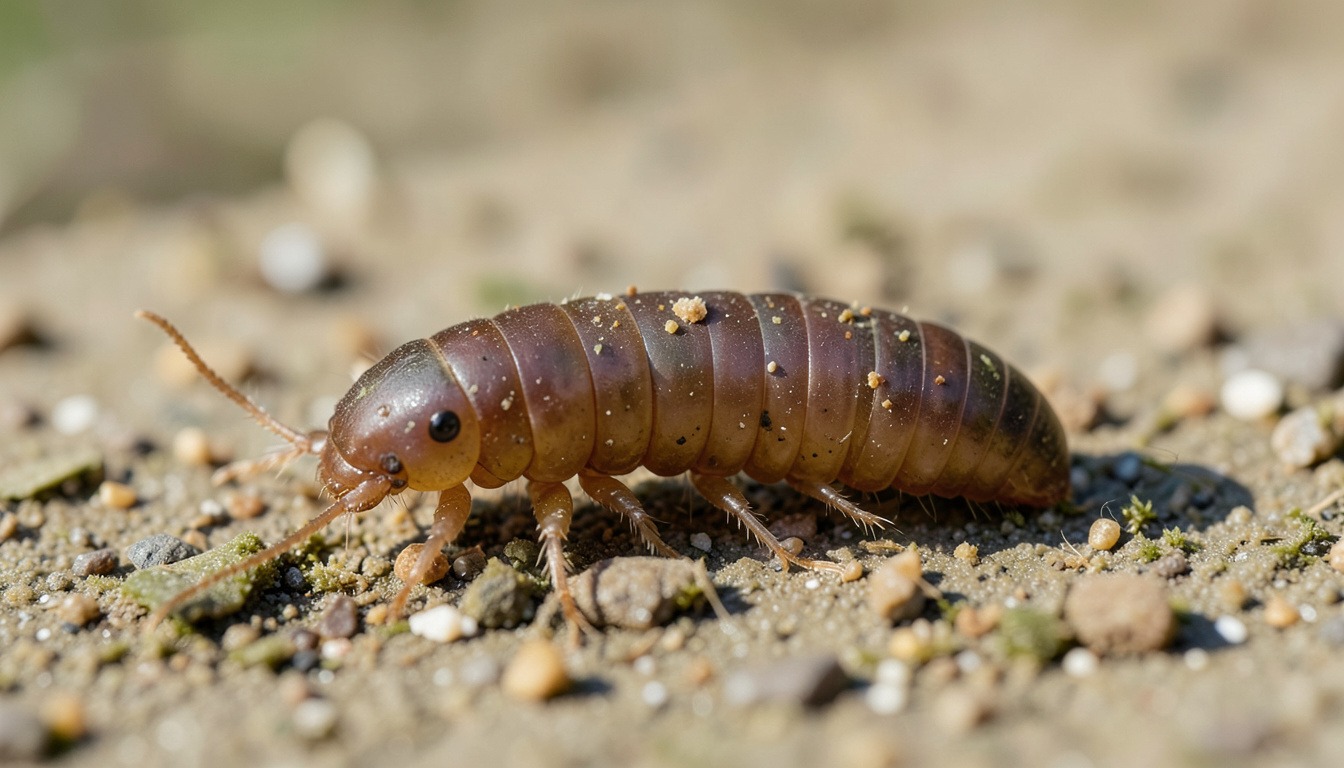
Grub worms are the larvae of various beetles and are increasingly recognized as a nutritious food source. Their high protein content and essential nutrients make them a valuable addition to diets worldwide.
What are Grub Worms?
Grub worms belong to several species within the Coleoptera order. They are typically creamy white or yellowish, with a soft body and no legs. Commonly consumed species include:
- Cockchafer grubs
- Rose chafer grubs
- Garden chafer grubs
These larvae feed on organic matter, making them efficient at converting waste into protein-rich food.
Lifecycle of Grubs and Edibility
Grub worms undergo a metamorphosis that includes several stages: egg, larva (grub), pupa, and adult beetle.
1. Egg Stage: Female beetles lay eggs in the soil or decaying plant matter.
2. Larval Stage (Grub): The larvae hatch and feed on organic material. This is the stage at which they are harvested for food. Their diet during this phase affects their nutritional content.
3. Pupal Stage: Grubs form a protective casing and undergo transformation.
4. Adult Stage: The fully formed beetle emerges, capable of reproduction.
The nutritional value of grubs is highest during the larval stage. They are rich in proteins, fats, and essential vitamins, making them suitable for human consumption.
Common Types of Edible Grubs
The following table outlines some popular edible grub types and their notable characteristics:
| Grub Type | Nutritional Highlights | Common Preparation Methods |
|---|---|---|
| Cockchafer Grub | High in protein; rich in vitamins B | Roasted, grilled, or added to dishes |
| Rose Chafer Grub | Contains healthy fats; good source of energy | Fried, used in soups or stews |
| Garden Chafer Grub | Nutrient-dense; low in carbs | Sautéed, incorporated into salads |
Grubs are not only nutritious but also versatile in culinary applications. They can be roasted, fried, or even ground into powder, such as in Insect Protein Powder, which can be used in various recipes for added nutrition. Check Price on Amazon.
Grub worms embody a sustainable food source, with their lifecycle contributing to their edibility. Their nutritional profile and various preparation methods make them an excellent option for those looking to diversify their diet.
Nutritional Benefits of Grub Worms
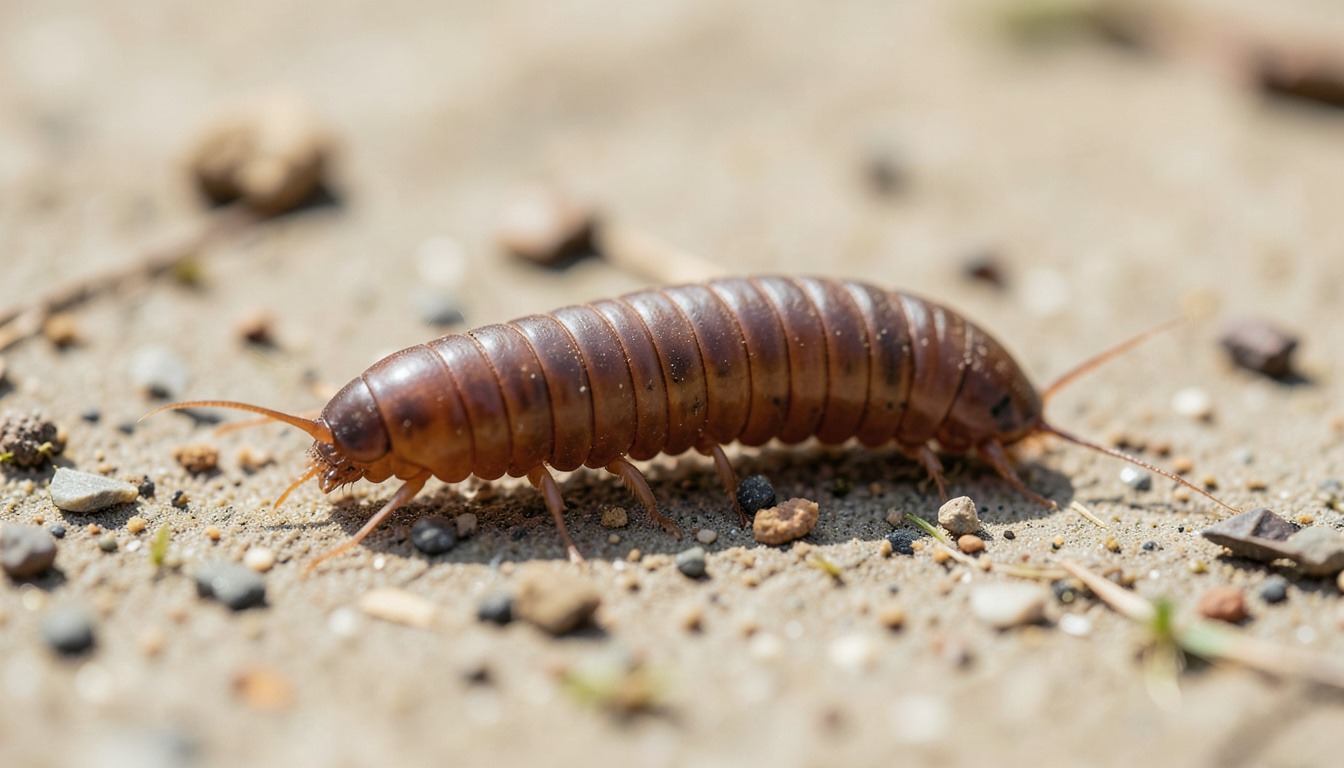
Grub worms offer a rich nutritional profile, serving as a protein-packed food source. Their vitamins and minerals contribute significantly to a balanced diet, making them an attractive option for various culinary applications.
Protein Content and Nutritional Value
Grub worms are remarkable for their high protein content. On average, they contain about 20-30 grams of protein per 100 grams. This makes them a comparable source of protein to traditional meats. Their protein is easily digestible, offering essential amino acids crucial for human health.
Vitamins and Minerals in Grubs
Grubs are not just protein-rich; they also contain various vitamins and minerals. Key nutrients include:
- Iron: Vital for blood health and oxygen transport.
- Calcium: Important for bone strength and metabolic functions.
- B Vitamins: Essential for energy metabolism and brain function.
These nutrients contribute to overall health and wellness.
Comparing Grubs to Traditional Proteins
When comparing grub worms to traditional protein sources like chicken and beef, they stand out in several areas:
| Nutrient | Grub Worms (per 100g) | Chicken (per 100g) | Beef (per 100g) |
|---|---|---|---|
| Protein | 20-30g | 31g | 26g |
| Fat | 10-15g | 3.6g | 15g |
| Iron | 3mg | 1mg | 2mg |
| Calcium | 50mg | 11mg | 18mg |
This table illustrates that while chicken has slightly more protein, grubs provide additional nutrients like calcium and iron, making them a nutritious alternative.
Incorporating grubs into your diet can diversify your nutrient intake. For those interested in sustainable food sources, Insect Protein Powder is an excellent option for adding grub-derived protein to meals. Check Price on Amazon.
Preparation Methods for Cooking Grub Worms
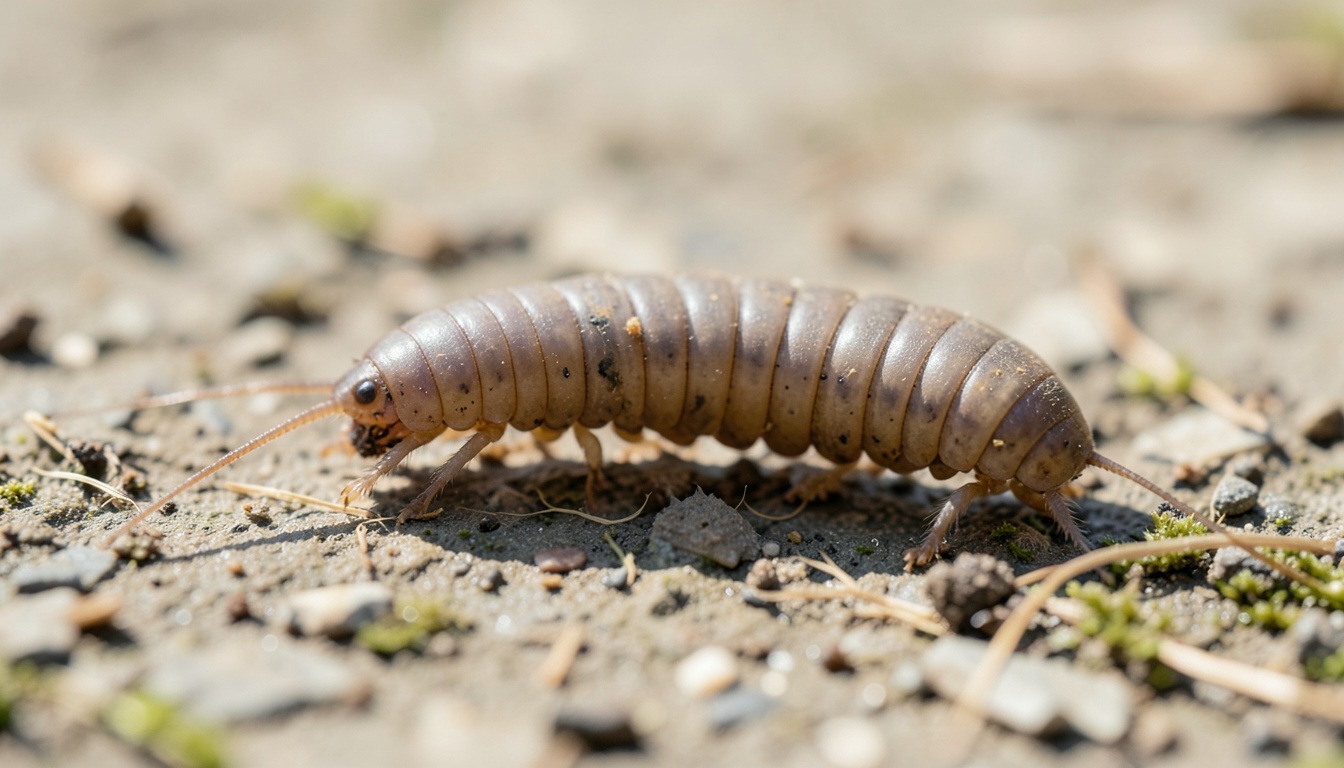
Grub worms offer a versatile and nutritious food source. Understanding the various preparation methods can enhance their flavor and make them a delightful addition to your meals.
Cooking Techniques for Grubs
Grubs can be prepared using several cooking techniques. Here are some popular methods:
- Boiling: Place grubs in boiling water for 2-3 minutes. This method softens their texture and removes any unwanted flavors.
- Frying: Heat oil in a pan and fry grubs for 5-7 minutes. This creates a crispy exterior while retaining moisture inside.
- Baking: Bake grubs at 350°F (175°C) for 10-15 minutes. This method allows for even cooking and can be combined with spices.
- Grilling: Skewer grubs and grill them for about 5 minutes on each side. This adds a smoky flavor that complements their natural taste.
Popular Recipes to Try
1. Spicy Fried Grubs:
- Ingredients: 1 cup grubs, 2 tablespoons oil, 1 teaspoon chili powder, salt to taste.
- Instructions: Heat oil in a pan. Add grubs and fry until golden brown. Sprinkle chili powder and salt before serving.
2. Grub Stir-Fry:
- Ingredients: 1 cup grubs, 1 cup mixed vegetables, 2 tablespoons soy sauce, 1 tablespoon sesame oil.
- Instructions: Heat sesame oil in a wok. Add grubs and stir-fry for 3 minutes. Add vegetables and soy sauce, cooking for another 5 minutes.
3. Baked Grub Tacos:
- Ingredients: 1 cup grubs, taco shells, lettuce, salsa, cheese.
- Instructions: Bake grubs as mentioned above. Fill taco shells with grubs, lettuce, salsa, and cheese.
Safety Tips for Preparing Grubs
When preparing grubs, it’s crucial to follow safety guidelines:
- Source: Always obtain grubs from reputable sources to ensure they are safe for consumption.
- Clean: Rinse grubs thoroughly to remove dirt or contaminants before cooking.
- Cook Thoroughly: Ensure grubs are cooked to a safe temperature to kill any harmful bacteria.
- Avoid Overcooking: Cooking grubs too long can make them tough. Aim for a tender, juicy texture.
By experimenting with these cooking methods and recipes, you can enjoy the unique flavors of grub worms while maximizing their nutritional benefits.
Cultural Significance of Eating Grub Worms
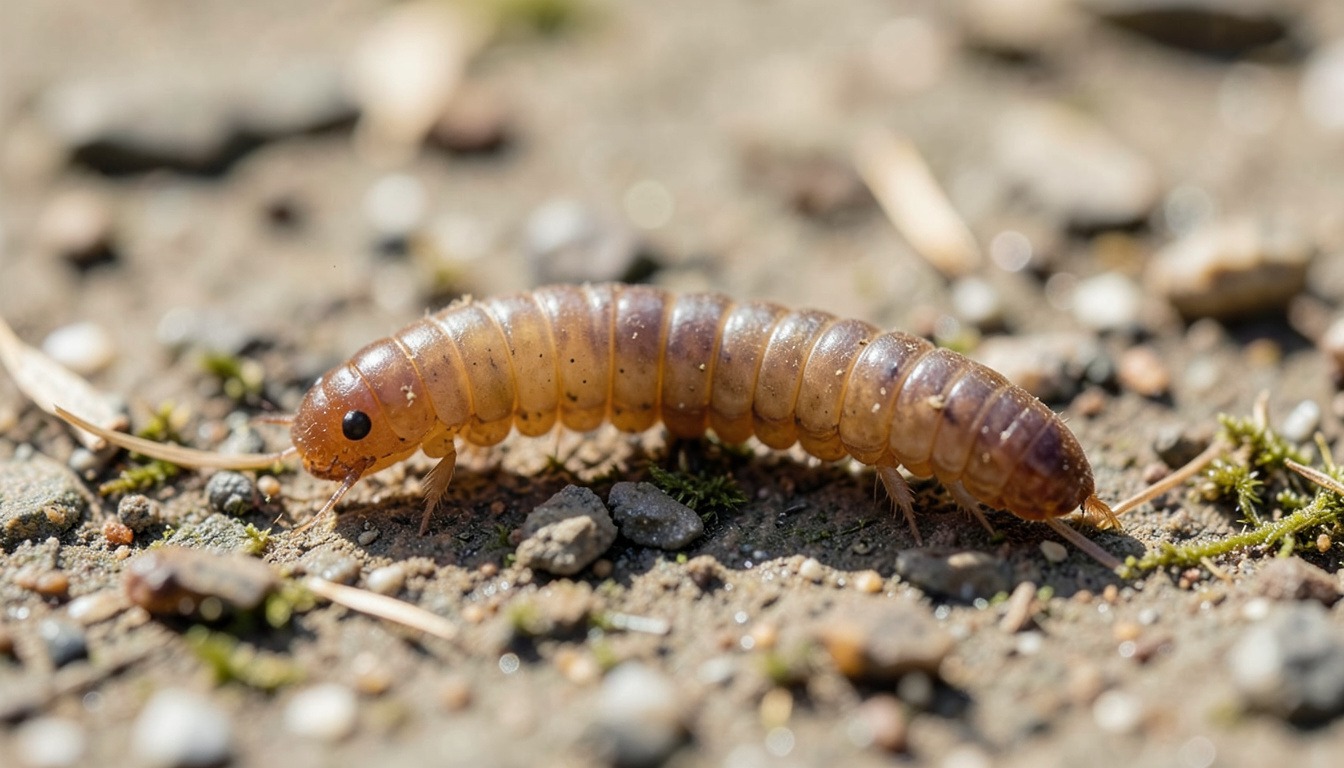
Grub worms hold substantial cultural significance in various societies around the world. Their consumption reflects not only culinary traditions but also sustainable practices that align with environmental stewardship.
Grub Worms in Traditional Diets
In many cultures, grubs are a staple food source. Indigenous communities in Africa and South America have included grubs in their diets for centuries. For example, the Mopane worm, which is actually the caterpillar of a moth, is a delicacy in Southern Africa. It provides essential nutrients and serves as a reliable protein source in regions where livestock is scarce.
- Health Benefits: Grubs are rich in protein, essential fatty acids, and micronutrients.
- Culinary Uses: They can be roasted, fried, or incorporated into stews, showcasing versatility in traditional recipes.
Modern Acceptance of Edible Insects
As global awareness of food sustainability increases, the acceptance of edible insects, including grubs, is on the rise. In Western countries, chefs are experimenting with grubs in gourmet dishes. This shift highlights a growing recognition of insects as a viable alternative protein source.
- Culinary Innovation: Restaurants are crafting unique menus that incorporate grubs, demonstrating their culinary potential.
- Nutritional Awareness: More consumers are seeking protein sources that have a lower environmental impact compared to traditional livestock.
Sustainability and Grub Farming
Grub farming is considered an eco-friendly practice. Grubs require significantly less land, water, and feed compared to cattle or pigs. This efficiency makes them an attractive option for sustainable food production.
- Lower Carbon Footprint: Grub farming generates fewer greenhouse gases.
- Resource Efficiency: They can convert waste into high-quality protein, making them an ideal choice in urban farming initiatives.
By embracing grub worms as a food source, societies not only preserve traditional practices but also move toward more sustainable and environmentally friendly food systems.
Safety and Toxicity Concerns
Eating grub worms can be a nutritious addition to your diet, but safety is paramount. Proper cooking and identifying safe grubs can mitigate health risks associated with their consumption.
Are Grubs Safe to Eat?
Grubs are generally safe to eat if prepared correctly. However, improper handling or cooking can lead to foodborne illness. The most common concerns include:
- Parasites: Some grubs can harbor parasites. Cooking them thoroughly kills any harmful organisms.
- Toxic substances: Certain grub species may contain harmful chemicals. Identifying edible varieties is crucial.
Cooking Requirements for Safety
To ensure safety when consuming grubs, follow these cooking guidelines:
- Cook Thoroughly: Grubs should be cooked to an internal temperature of at least 165°F (74°C). This temperature effectively kills parasites and bacteria.
- Avoid Raw Consumption: While some may eat grubs raw, cooking is strongly recommended to eliminate health risks.
Cooking Methods:
- Roasting: Provides a crunchy texture and enhances flavor.
- Boiling: A safe method that can be combined with seasonings for taste.
- Frying: Adds richness and is popular in various cuisines.
Identifying Edible Grubs
Identifying safe grubs is critical. Use the following checklist:
- Color: Edible grubs are usually pale white or off-white.
- Size: Look for grubs that are plump and firm. Avoid shriveled or discolored specimens.
- Source: Only consume grubs sourced from reputable suppliers or farms.
Checklist for Identifying and Preparing Edible Grubs:
- [ ] Check color: Pale white or off-white only.
- [ ] Assess size: Plump and firm is ideal.
- [ ] Verify source: Preferably farm-raised.
- [ ] Cook thoroughly: Minimum internal temperature of 165°F (74°C).
- [ ] Avoid raw consumption: Always cook before eating.
By adhering to these guidelines, you can safely enjoy grub worms as a food source.
Taste Profiles and Culinary Uses
Grub worms offer a unique flavor profile that can enhance various dishes. Their taste can be likened to several familiar proteins, making them versatile in culinary applications.
Flavor Characteristics of Grubs
Grubs generally have a mild flavor. Their taste can be described as:
- Similar to chicken: Many people find the texture and taste reminiscent of tender chicken meat.
- Resembling beef bone marrow: This comparison highlights their rich, fatty profile.
- Hints of bacon when roasted: Cooking grubs over an open flame can impart a savory, smoky flavor.
These characteristics make grubs suitable for many culinary contexts, from stir-fries to gourmet dishes.
Cooking Techniques to Enhance Flavor
To maximize the taste of grub worms, consider the following cooking techniques:
- Roasting: This method enhances their natural flavors and adds a crispy texture.
- Sautéing: Quick frying in oil or butter can develop a rich, savory taste.
- Incorporating spices: Using herbs and spices can elevate their flavor, making them a delicious addition to various recipes.
When preparing grubs, it is essential to cook them thoroughly to ensure safety and enhance their flavor profile.
Grubs vs. Other Edible Insects
Grubs hold their own when compared to other edible insects:
| Insect Type | Flavor Profile | Cooking Methods | Nutritional Content |
|---|---|---|---|
| Grubs | Mild, chicken-like | Roasting, sautéing | High protein, healthy fats |
| Crickets | Nutty, earthy | Baking, frying | High protein, low fat |
| Mealworms | Buttery, soft | Frying, baking | Good source of protein |
Grubs provide a unique taste experience, with distinct nutritional benefits compared to other edible insects. When deciding between grubs and other insects, consider both flavor and nutritional value to find the best fit for your culinary needs.
Frequently Asked Questions
These quick answers cover the most common questions about this topic, including key details, practical tips, and common concerns.
Are grub worms good for you to eat?
Yes, grub worms are highly nutritious. They are rich in protein, containing 20-30 grams per 100 grams, along with essential vitamins and minerals like iron and calcium. Their nutritional profile makes them a great alternative to traditional meat sources.
Can humans eat grub worms?
Absolutely, humans can eat grub worms. They are consumed in various cultures and are recognized for their high protein content and nutritional benefits. However, it is essential to ensure they are sourced from reputable suppliers and cooked properly.
Are grub worms safe to eat raw?
It is not recommended to eat grub worms raw. Cooking them thoroughly is crucial to eliminate potential parasites and harmful bacteria. Always aim for an internal temperature of at least 165°F (74°C) to ensure safety.
Which is better for chickens, mealworms or grubs?
Both mealworms and grubs are excellent sources of protein for chickens, but grubs may have a slight edge due to their higher fat content, which can provide additional energy. Ultimately, the choice may depend on availability and cost.
What nutritional benefits do grubs provide?
Grubs are a rich source of protein, healthy fats, and essential vitamins. They contain iron, which is vital for blood health, and calcium for strong bones. Their nutrient density makes them a valuable addition to a balanced diet.
How do you prepare grubs for cooking?
Preparing grubs is straightforward. First, rinse them thoroughly to remove any dirt. You can boil them for a few minutes, fry them in oil for a crispy texture, or roast them in the oven. Each method enhances their flavor and ensures they are safe to eat.
When is the best time to harvest grubs?
The best time to harvest grubs is during their larval stage, typically in late spring and early summer when they are plump and nutrient-rich. This timing ensures you get the most nutritional value from them.
What are alternatives to grubs for protein?
If you’re looking for alternatives to grubs, consider other edible insects like crickets or mealworms. Additionally, traditional protein sources such as chicken, fish, and legumes can provide similar nutritional benefits.