
The gumbo limbo tree, known for its striking red bark and rapid growth, offers benefits like shade and wildlife support but also poses challenges such as potential invasiveness and maintenance requirements.
Table of Contents
The gumbo limbo tree (Bursera simaruba) is a striking addition to landscapes, favored for its fast growth and unique appearance. However, it comes with both advantages and disadvantages that potential planters should carefully consider before planting.

Understanding the Gumbo Limbo Tree
The gumbo limbo tree, scientifically known as Bursera simaruba, is notable for its distinctive features and adaptability. Understanding its classification, common names, and unique characteristics can help potential planters make informed decisions.
Scientific Classification and Common Names
Bursera simaruba belongs to the family Burseraceae. Here are some key details:
- Scientific Name: Bursera simaruba
- Family: Burseraceae
- Common Names:
- Gumbo Limbo
- Tourist Tree
- Chaca (in Caribbean cultures)
- Guaiacum (in some regions)
Unique Characteristics of the Gumbo Limbo Tree
The gumbo limbo tree is recognized for its remarkable properties. Here are its standout features:
- Appearance: It has smooth, reddish-brown bark that peels in thin layers, resembling the skin of sunburnt tourists. This quality gives it the nickname “Tourist Tree.”
- Height: The tree typically reaches between 30 to 60 feet in height, with an open canopy that provides ample shade.
- Growth Rate: It is fast-growing, making it an excellent choice for immediate landscape impact.
- Drought Tolerance: The gumbo limbo exhibits strong drought resistance, reducing maintenance needs in arid conditions.
- Wind Resistance: This tree is highly tolerant of strong winds, making it suitable for coastal areas.
Cultural and Historical Significance
Throughout history, the gumbo limbo tree has held cultural importance in various regions. Indigenous peoples utilized its sap for medicinal purposes, highlighting its value beyond mere aesthetics. The wide variety of common names across cultures reflects its significance in traditional medicine and local folklore. For example, its sap was often used to treat skin ailments and as an aromatic remedy.
These characteristics contribute to the gumbo limbo tree’s appeal, but they also necessitate careful management in landscaping contexts. Understanding these factors can enhance the benefits while mitigating potential challenges.
Pros of Planting a Gumbo Limbo Tree
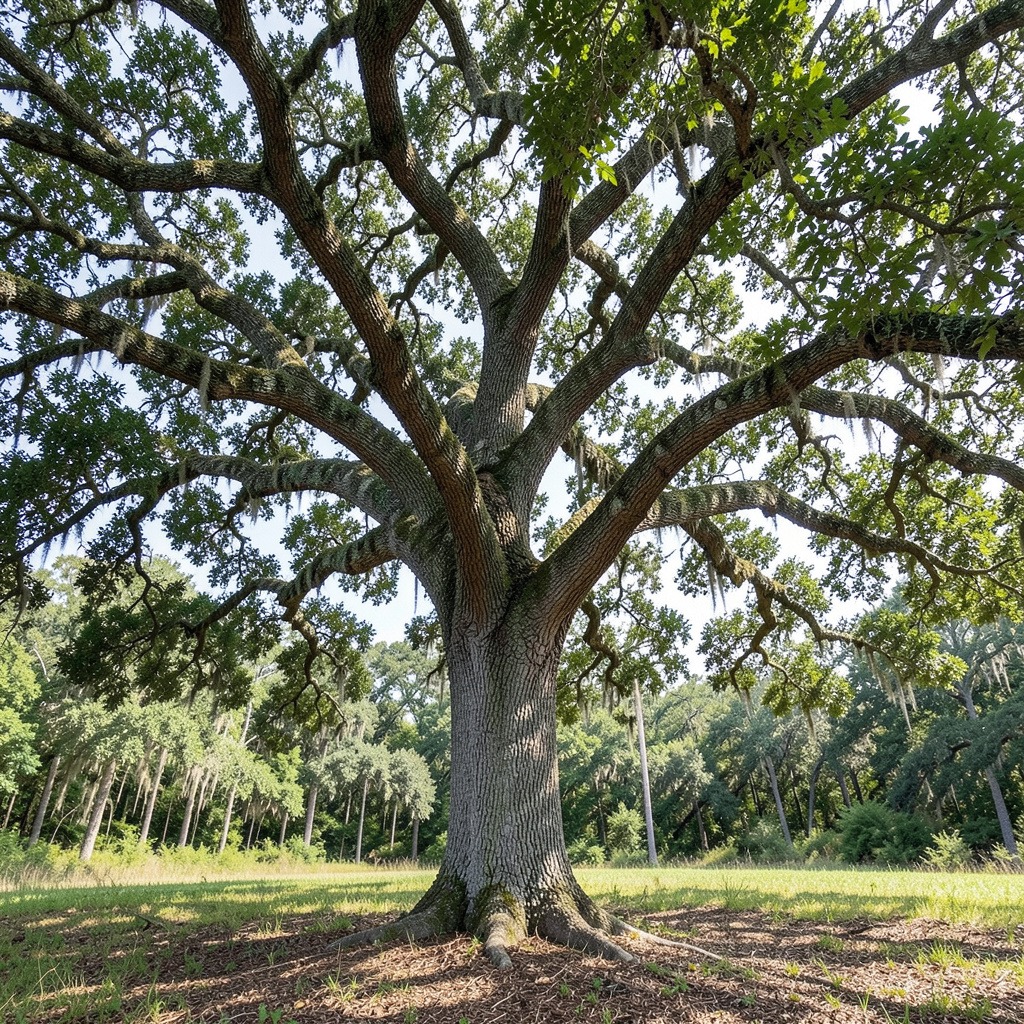
The gumbo limbo tree offers numerous advantages for landscaping and ecological health. Its unique characteristics make it a popular choice in suitable environments.
Ecological Benefits
The gumbo limbo tree supports local wildlife and contributes positively to the ecosystem. Here are some key ecological advantages:
- Wildlife Habitat: The tree provides shelter and food for various bird species, including migratory birds. Its foliage attracts insects, which serve as a food source for birds.
- Drought Tolerance: Gumbo limbo trees exhibit excellent drought resistance. This trait makes them ideal for regions with fluctuating water availability.
- Soil Stabilization: The tree’s extensive root system helps prevent soil erosion, especially in coastal areas.
Aesthetic and Functional Advantages
In addition to ecological benefits, the gumbo limbo tree enhances landscapes with its striking appearance and functional roles.
- Distinctive Bark: The tree’s reddish-brown, peeling bark creates visual interest and texture in gardens. This feature often earns it the nickname “Tourist Tree.”
- Rapid Growth: Gumbo limbo trees grow quickly, reaching heights of 25-40 feet within a few years. This allows for prompt shade provision in residential and commercial spaces.
- Shade Provider: With a broad canopy, the gumbo limbo tree offers ample shade, making it suitable for parks, patios, and other outdoor areas.
Case Study: Successful Plantings
Consider a coastal park that integrated gumbo limbo trees into its design. The trees not only provided shade for visitors but also created a habitat for local birds and insects. Over time, the park’s biodiversity flourished, showcasing the positive impact of these trees on the environment.
By understanding these benefits, homeowners and landscapers can make informed decisions about incorporating gumbo limbo trees into their landscapes.
Cons of Planting a Gumbo Limbo Tree
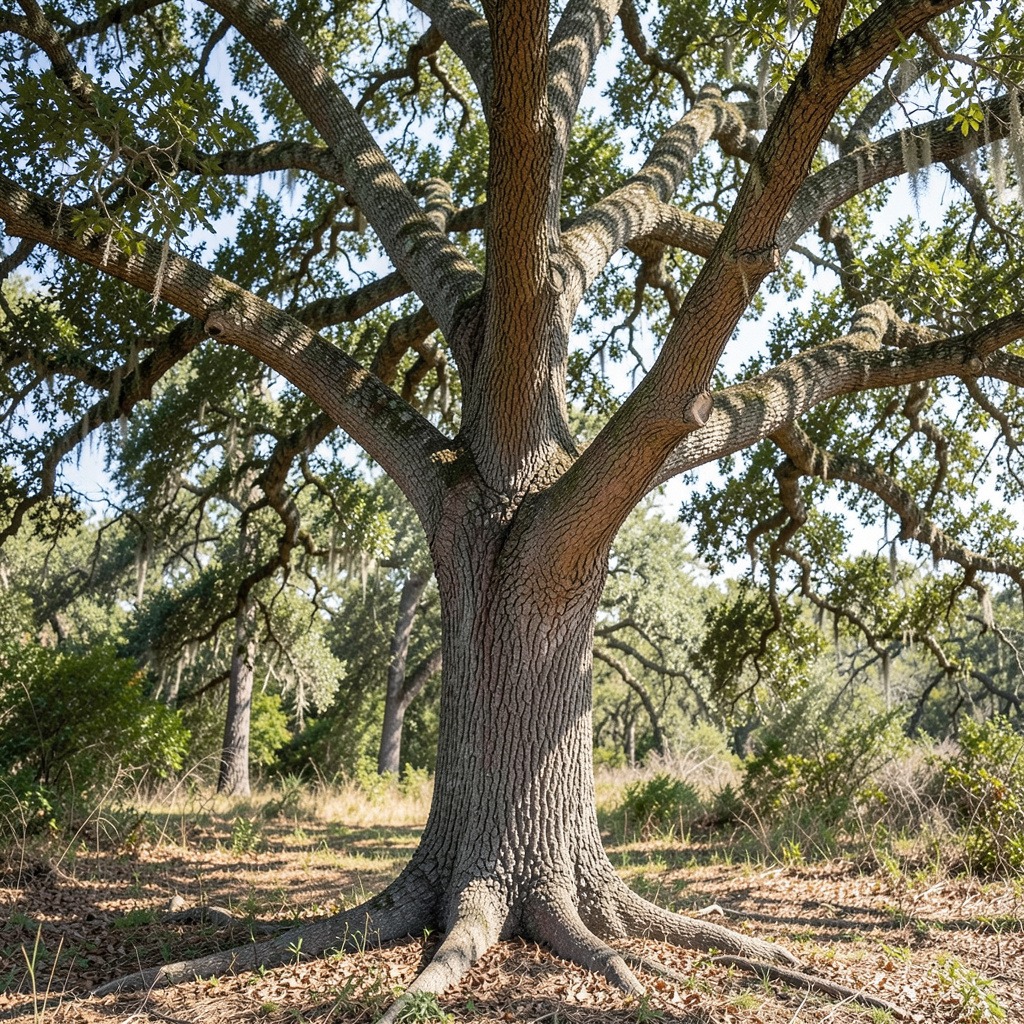
While the gumbo limbo tree offers numerous benefits, it also presents several challenges that potential growers should consider. Understanding these drawbacks can help in making informed landscaping decisions.
Maintenance Challenges
Gumbo limbo trees require specific care to thrive. Their rapid growth, while beneficial, can also lead to complications.
- Regular Pruning: These trees often need pruning to maintain their shape and health. Failure to do so can result in a sprawling canopy that may not fit well in residential landscapes.
- Watering Needs: Although drought-tolerant, young gumbo limbo trees require regular watering until established. This can be a challenge in arid conditions.
- Pest Management: They can attract pests such as aphids and scale insects. Regular monitoring and treatment are necessary to prevent infestations.
Invasiveness and Risk Factors
Gumbo limbo trees can pose risks when planted near structures or in certain environments.
- Aggressive Growth: Their fast growth can lead to root systems that may damage nearby sidewalks, foundations, or underground utilities.
- Potential Invasiveness: In some regions, gumbo limbo trees may outcompete native plants, disrupting local ecosystems. This is particularly a concern in areas where they are not native.
- Falling Debris: The tree’s thick, peeling bark can create litter, which may require regular cleanup in landscaped areas.
Alternatives to Gumbo Limbo Tree
If the drawbacks of the gumbo limbo tree seem significant, consider these alternatives:
- Live Oak (Quercus virginiana): Offers shade and stability with lower maintenance needs.
- Bald Cypress (Taxodium distichum): A good choice for wet areas, providing ecological benefits without the invasive risks.
- Southern Magnolia (Magnolia grandiflora): Provides attractive foliage and flowers while requiring less intensive care.
By evaluating these cons alongside the benefits, you can better determine whether incorporating a gumbo limbo tree into your landscape is the right choice.
How to Grow and Care for Gumbo Limbo Trees
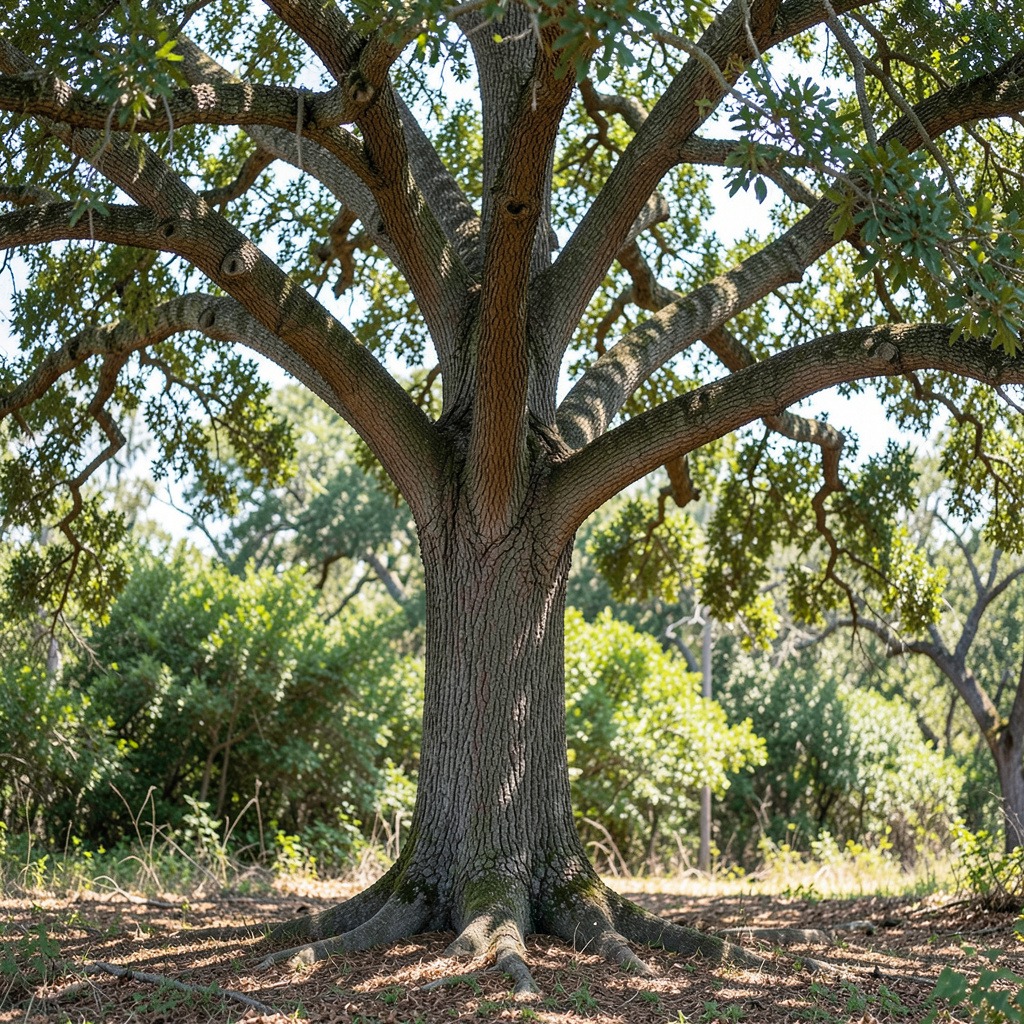
The gumbo limbo tree, known scientifically as Bursera simaruba, thrives in specific conditions. Understanding how to care for this unique tree can help you maximize its benefits while minimizing challenges.
Optimal Growing Conditions
Gumbo limbo trees prefer full sun but can tolerate partial shade. They flourish in well-drained sandy or limestone soils. Here are key conditions for optimal growth:
- Soil Type: Well-drained, sandy, or limestone soils.
- Sunlight: Full sun exposure is ideal.
- Temperature: Hardy in USDA zones 10B–11, tolerating warm climates well.
Watering and Fertilization Tips
Proper watering and fertilization are crucial for healthy growth. Young trees require regular watering, while mature trees are drought-tolerant.
- Young Trees: Water regularly to establish roots.
- Mature Trees: Minimal watering is needed; they can survive dry spells.
- Fertilization: Use a balanced fertilizer in spring to support new growth.
Checklist for Watering and Fertilization:
- Water young trees weekly.
- Apply fertilizer in early spring.
- Monitor soil moisture for mature trees.
Pruning and Pest Management
Pruning helps maintain the structure and health of the gumbo limbo tree.
- Pruning: Minimal pruning is needed. Remove dead or weak branches to enhance air circulation.
- Pest Management: Monitor for common pests such as scale and aphids. Use insecticidal soap or neem oil as a treatment.
Pest Management Strategies:
1. Regular Inspections: Check leaves and branches for signs of infestation.
2. Natural Remedies: Use insecticidal soap for mild infestations.
3. Professional Help: Consider hiring an arborist for severe cases.
By following these guidelines, you can effectively cultivate and maintain a healthy gumbo limbo tree, enhancing your landscape while enjoying its numerous benefits.
When and Where to Plant Gumbo Limbo Trees
Planting gumbo limbo trees requires careful consideration of timing and location. These trees thrive in specific climates and environments, making proper placement essential for their growth and health.
Ideal Planting Seasons
The best time to plant gumbo limbo trees is during the spring or early fall. This timing allows the trees to establish roots before the harsher summer heat or winter cold.
- Spring: Ideal for warm climates, as soil temperatures are rising, promoting active root growth.
- Early Fall: Provides mild conditions for root establishment without the stress of extreme temperatures.
Best Locations for Planting
Gumbo limbo trees prefer full sun but can tolerate partial shade. Optimal planting locations should account for their growth characteristics and environmental needs.
- Sunlight: At least 6 hours of direct sunlight daily.
- Soil Conditions: Well-drained soils are crucial. They adapt to various soil types but thrive in sandy or loamy soils.
- Urban Settings: Consider planting in open spaces where their broad canopy can provide shade. Ensure at least 15 feet of clearance from structures to avoid potential damage from falling branches as they mature.
Regional Planting Guide
- USDA Zones: Suitable for zones 10B to 11.
- Climate Considerations:
- Tropical and Subtropical Regions: Optimal growth and resilience.
- Areas with High Winds: Their wind tolerance makes them excellent choices for coastal areas.
Decision-Making Checklist
Use this checklist to determine the best planting conditions:
- [ ] Assess sunlight exposure (minimum 6 hours).
- [ ] Check soil drainage capabilities.
- [ ] Ensure sufficient spacing from structures.
- [ ] Choose spring or early fall for planting.
By following these guidelines, you can enhance the success of your gumbo limbo tree planting efforts. Proper timing and location are vital for maximizing the benefits of this unique tree.
Alternatives to the Gumbo Limbo Tree
If you’re considering alternatives to the gumbo limbo tree, several species offer similar benefits without some of the associated challenges. These trees can provide shade, aesthetic appeal, and resilience in coastal areas.
Suitable Coastal Trees
Here are some tree species that thrive in coastal environments and share characteristics with the gumbo limbo tree:
| Tree Species | Pros | Cons |
|---|---|---|
| Sea Grape | Drought-tolerant, attractive foliage | Can be aggressive in growth |
| Coconut Palm | Iconic coastal appearance, edible coconuts | Requires well-drained sandy soil |
| Red Maple | Vibrant fall color, supports wildlife | Needs more water than gumbo limbo |
| Southern Live Oak | Strong wind resistance, large shade canopy | Slow growing, requires space |
Comparing Benefits and Drawbacks
When evaluating alternatives, consider the following:
- Growth Rate: Gumbo limbo trees grow quickly, reaching 6–8 feet in 18 months. Alternatives like the southern live oak are slower to mature but provide long-term benefits.
- Drought Tolerance: The gumbo limbo is drought-tolerant, similar to sea grapes and coconut palms. However, red maples require more moisture, making them less suitable for arid conditions.
- Wildlife Support: All listed alternatives can support local wildlife. For instance, the coconut palm attracts birds and insects with its fruit.
- Aesthetic Appeal: The gumbo limbo is known for its striking, peeling bark. Alternatives like the sea grape and red maple offer unique foliage and seasonal changes.
Choosing the right tree involves weighing these factors against your specific landscaping needs and environmental conditions.
Frequently Asked Questions
These quick answers cover the most common questions about this topic, including key details, practical tips, and common concerns.
How fast do gumbo limbo trees grow?
Gumbo limbo trees are known for their rapid growth, typically reaching heights of 25-40 feet within a few years. Under optimal conditions, they can grow up to 6-8 feet in just 18 months. This fast growth makes them an excellent choice for those looking to establish shade quickly in their landscapes.
What is special about a gumbo limbo tree?
The gumbo limbo tree, scientifically known as Bursera simaruba, is unique for its striking reddish-brown bark that peels in thin layers, resembling sunburnt skin. This distinctive feature gives it the nickname “Tourist Tree.” Additionally, it is drought-tolerant and wind-resistant, making it suitable for coastal areas and regions with variable water availability.
Are gumbo limbo trees invasive?
In some regions, gumbo limbo trees can be considered invasive. They may outcompete native plants, disrupting local ecosystems. It’s important to check local guidelines before planting, especially in areas where they are not native, to avoid potential ecological impacts.
How much does a gumbo limbo tree cost?
The cost of a gumbo limbo tree can vary depending on size and source. Typically, young trees can range from $30 to $100. Larger specimens or those from specialty nurseries may cost more. Additionally, consider any planting costs, which can add to your overall investment.
Any advice on planting gumbo limbo trees near a house?
When planting gumbo limbo trees near a house, ensure they are at least 15 feet away from structures. Their aggressive root system can potentially damage foundations and sidewalks. Also, consider their mature height and spread to avoid future maintenance issues and falling debris.
What are the best conditions for growing gumbo limbo trees?
Gumbo limbo trees thrive in full sun and well-drained sandy or limestone soils. They prefer warm climates and are hardy in USDA zones 10B to 11. Regular watering is essential for young trees until they are established, while mature trees are more drought-resistant.
What wildlife benefits from gumbo limbo trees?
Gumbo limbo trees provide habitat and food for various wildlife, particularly birds and insects. Their foliage attracts insects, which serve as a food source for birds. Additionally, the tree’s structure offers shelter for migratory birds, enhancing local biodiversity.
What should readers know about detailed pest and disease management strategies?
Managing pests and diseases in gumbo limbo trees involves regular monitoring for common issues like aphids and scale insects. Use insecticidal soap or neem oil for treatment. Pruning dead or weak branches can also improve air circulation and reduce disease risk. Regular inspections will help catch problems early and maintain tree health.