
The Himalayan Tahr is a remarkable mountain goat known for its unique adaptations and behaviors that enable it to thrive in the harsh, high-altitude environments of the Himalayas. This article explores its distinct characteristics, social behavior, and conservation status.
Table of Contents
Overview of the Himalayan Tahr
The Himalayan Tahr is a fascinating mountain goat that thrives in some of the world’s most rugged terrains. Let’s dive into its scientific classification and geographical distribution.
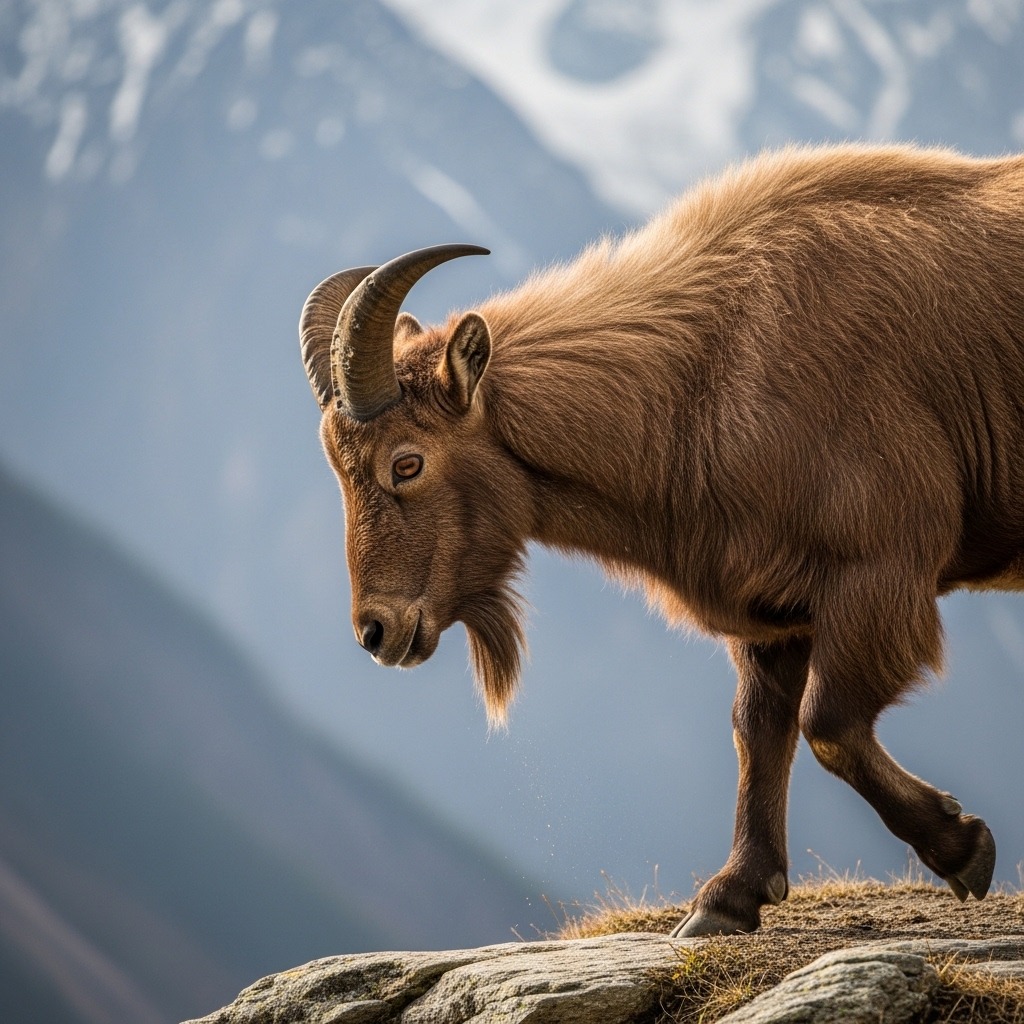
Scientific Classification
The Himalayan Tahr belongs to the following classification:
- Kingdom: Animalia
- Phylum: Chordata
- Class: Mammalia
- Order: Artiodactyla
- Family: Bovidae
- Genus:Hemitragus
- Species: H. jemlahicus
This classification places the Himalayan Tahr among other hoofed mammals, highlighting its unique traits and adaptations.
Geographic Distribution
The Himalayan Tahr is primarily found in the high-altitude areas of the Himalayas. Here are some key points about its distribution:
- Countries: India, Nepal, Bhutan, and parts of China.
- Elevation Range: Typically inhabits elevations between 2,500 to 5,000 meters.
- Habitat: Prefers rugged, wooded hills and steep mountain slopes.
This mountain goat has adapted well to its environment, allowing it to navigate the challenging terrains. Its ability to thrive in such conditions plays a crucial role in maintaining the ecological balance in these regions.
In recent years, the Himalayan Tahr has been introduced to places like New Zealand, where it has become an invasive species. This has raised concerns about its impact on local ecosystems, as it can outcompete native species for resources.
Understanding the Himalayan Tahr’s classification and distribution helps us appreciate its unique adaptations and the challenges it faces in different environments.
Unique Adaptations of the Himalayan Tahr
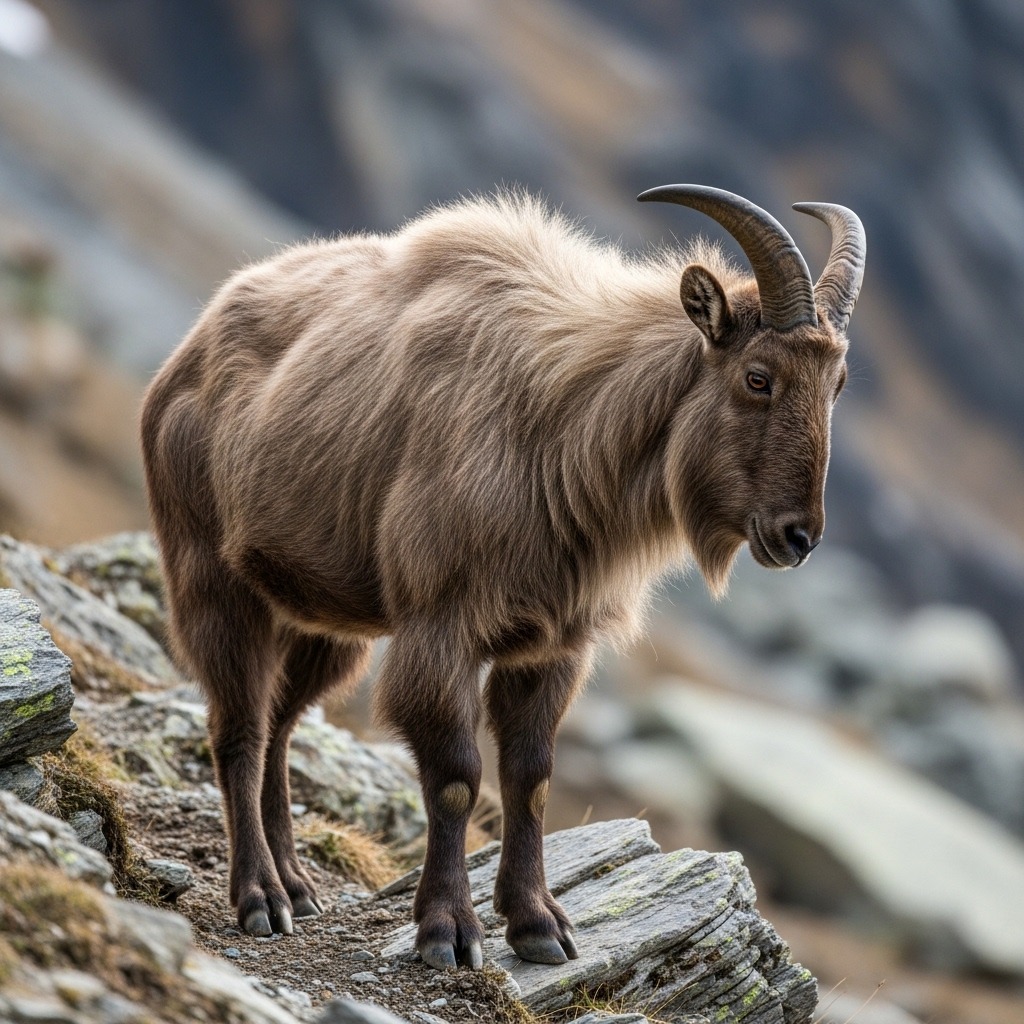
The Himalayan Tahr is a remarkable mountain goat, perfectly adapted to life in high altitudes. Its unique physical and behavioral traits allow it to thrive in harsh conditions where few other animals can survive.
Physical Adaptations
Himalayan Tahrs boast several physical features that help them navigate their rugged environment:
- Specialized Hooves: Their hooves are broad and rough, providing excellent grip on steep, rocky surfaces. This allows them to traverse steep cliffs with ease.
- Dense Coat: They have a thick, woolly coat that protects them from frigid temperatures. This coat insulates them against the cold found at high elevations.
- Efficient Respiratory System: At altitude, oxygen levels are low. The tahr’s respiratory system is adapted to extract maximum oxygen from the air, enabling them to move and thrive in thin air.
- Strong Musculature: Their powerful muscles support their agility and stamina, helping them navigate challenging terrains effortlessly.
These adaptations are vital for survival in the rugged Himalayan landscape.
Behavioral Adaptations
Behaviorally, the Himalayan Tahr exhibits traits that enhance its survival:
- Social Structure: They often form groups, known as herds, which provide protection against predators. These social bonds help them stay alert to dangers.
- Foraging Skills: The tahr has a flexible diet. It can eat a wide variety of vegetation, from soft grasses to tough shrubs. This adaptability gives them an edge in finding food, even when resources are scarce.
- Territorial Behavior: Males establish territories to attract females during the breeding season. This behavior ensures successful reproduction and the continuation of the species.
Understanding these adaptations highlights the Himalayan Tahr’s resilience and unique place in the ecosystem.
Behavior of the Himalayan Tahr
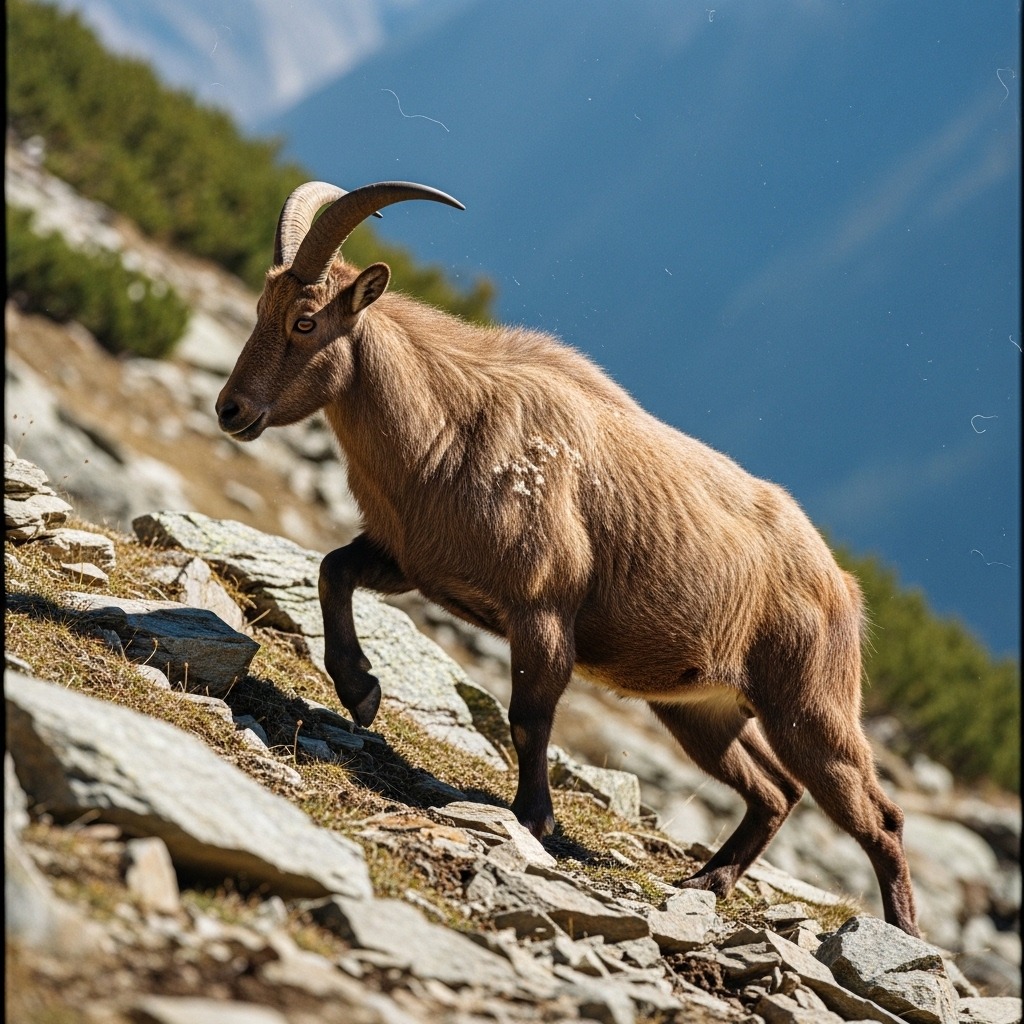
The Himalayan Tahr has some fascinating social dynamics and mating rituals. Their behaviors not only reflect their need for survival but also play a crucial role in their reproduction.
Social Structure
Himalayan Tahr live in herds, which offer safety in numbers. Here are some key points about their social structure:
- Herds: Typically consist of females and their young. Males often roam separately or join herds during the breeding season.
- Hierarchy: Within herds, there’s a social hierarchy. Dominant females lead, guiding the group to food and away from threats.
- Communication: They communicate through body language and vocalizations, helping to maintain social bonds and alert others of danger.
This social structure is vital for their survival, as it helps them detect predators quickly and find food more efficiently.
Mating Rituals
When it comes to mating, the Himalayan Tahr showcases intriguing behaviors:
- Breeding Season: This usually occurs in late autumn. Males establish territories to attract females.
- Headbutting: During mating season, males engage in headbutting contests. This displays strength and helps determine dominance.
- Courtship: Males will often show off their horns and physical prowess to impress females.
These mating rituals are essential for genetic diversity and the health of the population. Successful males pass their genes to the next generation, ensuring the continuation of their unique traits.
Understanding these behaviors gives insight into how the Himalayan Tahr thrives in its high-altitude environment and adapts to its surroundings.
Diet and Feeding Habits

The Himalayan Tahr has a fascinating diet that reflects its high-altitude habitat. These mountain goats are well-adapted to thrive in rugged terrains where food sources can be scarce.
Types of Food Consumed
Himalayan Tahrs primarily feed on:
- Grasses: They graze on a variety of grasses found in their mountainous regions.
- Herbs: Tender herbs are a favorite, especially in spring.
- Shrub Leaves: They munch on leaves from shrubs and young trees, adding variety to their diet.
This diverse diet helps them obtain essential nutrients needed for survival in harsh conditions.
Feeding Behavior
Himalayan Tahrs are known for their unique feeding habits.
- Grazing: They often graze in the early mornings and late afternoons, avoiding the heat of the day.
- Seasonal Changes: As seasons shift, so do their food sources. In winter, they might rely more on shrubs and evergreen plants since grasses are covered in snow.
These seasonal adaptations are critical for maintaining their health. For example, when food is scarce in winter, their bodies adjust, slowing down metabolism to conserve energy.
Understanding the diet and feeding behaviors of the Himalayan Tahr gives insight into how these remarkable animals survive in their challenging environment. Their ability to adapt to seasonal changes not only affects their physical health but also influences their social dynamics and behavior patterns.
Conservation Status and Threats
The Himalayan Tahr faces a delicate balance between thriving in its natural habitat and confronting various threats. Understanding its conservation status helps highlight the challenges it faces.
Current Conservation Status
The Himalayan Tahr is currently listed as “Near Threatened” on the IUCN Red List. This status means their populations are stable in some areas but still vulnerable to various pressures. In New Zealand, where they were introduced, their population density has soared, reaching alarming levels in some regions. This unchecked growth threatens local ecosystems, as these animals compete with native species for resources.
Major Threats
Several threats impact the Himalayan Tahr. Here are the key issues:
- Habitat Loss: Deforestation and land development reduce their natural living space, forcing them into smaller areas.
- Overpopulation: In places like New Zealand, their numbers have skyrocketed. This leads to overgrazing and can harm the native flora and fauna.
- Hunting Pressures: While regulated hunting helps manage populations, unregulated hunting can pose a threat to their survival. Some farmers view them as a resource, creating a complex dynamic between conservation and economic interests.
- Climate Change: Changing weather patterns can affect the availability of food and suitable habitat.
Conservation Strategies and Challenges
Efforts to conserve the Himalayan Tahr include:
- Managed Hunting: Regulated hunting is a primary method to control their populations. In some areas, it’s seen as a necessary tool to maintain ecological balance.
- Protected Areas: Establishing conservation zones can help preserve their habitat and reduce human interference.
However, challenges remain. Coordination between hunters, farmers, and conservationists is crucial. A successful strategy must balance the ecological needs of the tahr with the economic realities of local communities. Engaging these stakeholders can lead to innovative solutions that benefit both the tahr and the people who share their environment.
By understanding these conservation efforts and the ongoing threats, we can better appreciate the unique behaviors and adaptations of the Himalayan Tahr.
Conclusion: The Future of the Himalayan Tahr
The Himalayan Tahr is not just a mountain goat; it’s a symbol of the delicate balance between nature and human activity. Protecting this unique species involves understanding its behaviors, habitat, and the challenges it faces.
Summary of Key Points
- Unique Adaptations: Himalayan Tahrs are built for high altitudes. Their thick fur and specialized hooves help them navigate rugged terrains.
- Behavior Patterns: These animals are social creatures, often found in herds. Their interactions provide insights into their complex social structures.
- Habitat and Diet: Native to the Himalayas, they thrive on a diverse diet that includes grasses, leaves, and shrubs.
- Breeding and Conservation Status: Their reproduction rates and community involvement in conservation efforts are crucial for their survival.
- Threats: Overpopulation and habitat destruction pose significant risks, making conservation efforts vital.
Call to Action for Conservation
Community involvement plays a critical role in protecting the Himalayan Tahr. Here are ways you can help:
- Support Local Conservation Projects: Get involved or contribute to initiatives focused on tahr habitat preservation.
- Educate Others: Share information about the importance of the Himalayan Tahr within local ecosystems.
- Participate in Eco-Tourism: Choose eco-friendly travel options that benefit local communities and promote conservation efforts.
Successful case studies, like local community-led wildlife management programs, demonstrate the power of collective action. By valuing both the Himalayan Tahr and the communities that coexist with it, we can ensure a brighter future for this remarkable species.
Frequently Asked Questions
These quick answers cover the most common questions about this topic, including key details, practical tips, and common concerns.
What is unique about Himalayan Tahr?
The Himalayan Tahr has several distinctive features that set it apart. Its thick, woolly coat provides insulation against extreme cold at high altitudes. Its broad, rough hooves enable it to grip steep, rocky slopes, and its ability to navigate rugged terrain is exceptional. Behaviorally, it forms social groups and exhibits seasonal migration to access food and suitable breeding grounds.
What are the unique characteristics of a goat?
Goats are known for their agility, curiosity, and adaptability. They have specialized hooves for climbing and a keen sense of balance. Many species, including the Himalayan Tahr, are herbivores with varied diets. They also display social behaviors, such as herd formation and hierarchical structures, which help them survive in diverse environments.
What are the characteristics of a Himalayan goat?
Himalayan goats, or Tahrs, are characterized by their dense, woolly fur, strong limbs, and broad hooves suited for mountain terrain. They typically have curved horns, with males displaying larger, more prominent ones. Their coloration varies from brown to gray, providing camouflage in rocky habitats. They are highly adapted to high-altitude living.
What is the behavior of a mountain goat?
Mountain goats are social animals that live in herds, especially females and young. Males may be solitary or join herds during mating season. They communicate through vocalizations and body language. During breeding, males engage in headbutting contests to establish dominance. They are also seasonal migrators, moving vertically to find food and mates.
How do Himalayan Tahrs adapt to their environment?
Himalayan Tahrs have physical adaptations like dense fur for insulation and broad hooves for climbing. They also have efficient respiratory systems to cope with low oxygen levels at high elevations. Behaviorally, they migrate seasonally and form social groups for protection, which helps them survive in harsh, rugged conditions.
When is the breeding season for Himalayan Tahr?
The breeding season typically occurs in late autumn. During this time, males establish territories and engage in headbutting contests to attract females. Females give birth after a gestation period of about 6 months, usually to a single kid, which they care for in sheltered areas.
What are the main threats to Himalayan Tahr populations?
Major threats include habitat loss due to deforestation and land development, overpopulation in some regions, hunting pressures, and climate change. Invasive populations, like those in New Zealand, can also disrupt local ecosystems by competing with native species. These threats have led to their Near Threatened status.
How do Himalayan Tahrs behave in groups?
Himalayan Tahrs form herds mainly composed of females and their young. Males may be solitary or join herds during the mating season. Herd hierarchies are based on dominance, with dominant females leading. Group living provides safety from predators and helps coordinate feeding and movement across rugged terrain.