
The Hong Kong Orchid Tree, or Bauhinia x Blakeana, offers stunning, orchid-like flowers and low maintenance, but may have invasive roots and produce messy flowers.
Table of Contents
The Hong Kong Orchid Tree is celebrated for its vibrant flowers and adaptability in various landscapes. However, potential planters should weigh its aesthetic benefits against challenges like invasive roots and maintenance issues to make informed gardening choices.
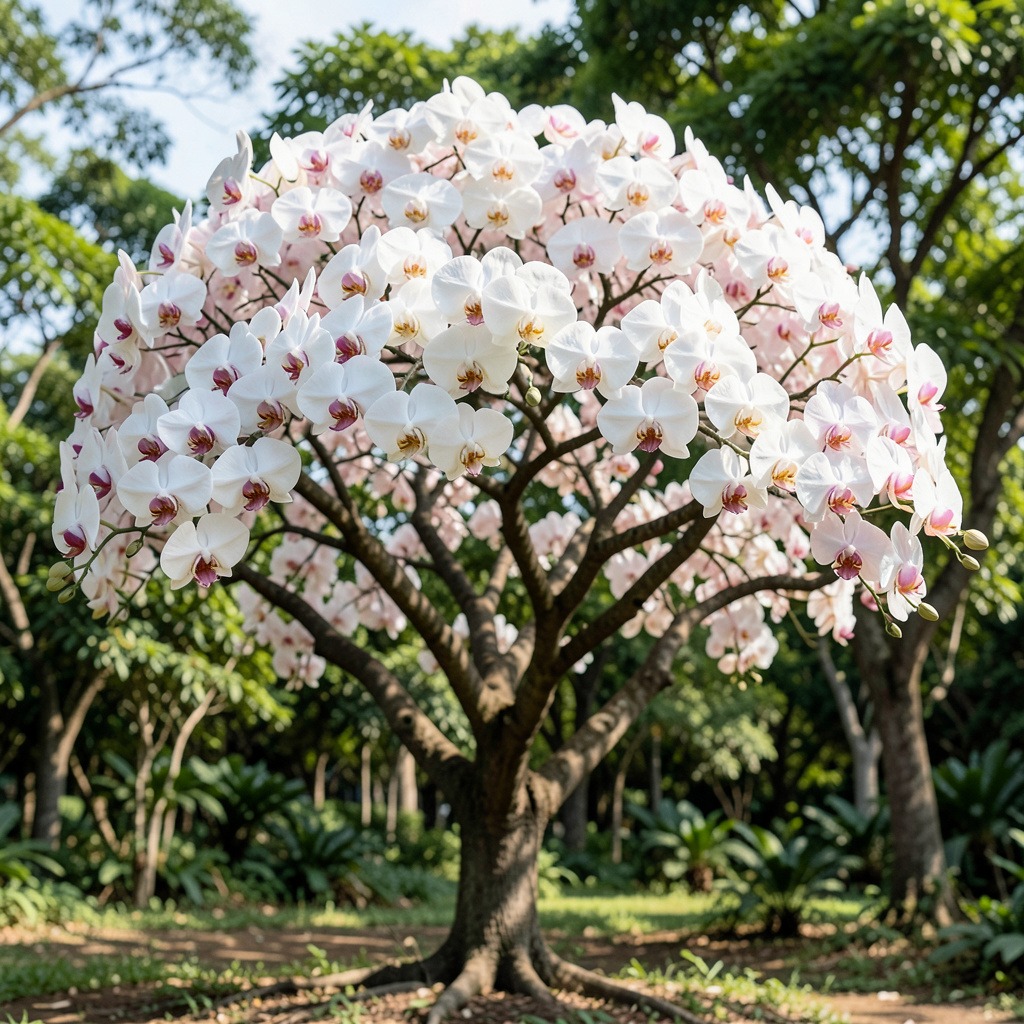
Understanding the Hong Kong Orchid Tree
The Hong Kong Orchid Tree, scientifically known as Bauhinia x blakeana, is an ornamental tree renowned for its striking flowers and unique foliage. It is a popular choice for landscaping in warmer climates due to its beauty and adaptability.
Scientific Classification and Origin
- Scientific Name: Bauhinia x blakeana
- Common Name: Hong Kong Orchid Tree
- Origin: Discovered by French missionaries in Hong Kong, it has become the official floral emblem of the area.
This tree is a hybrid species, derived from two native Bauhinia species. Its significance extends beyond aesthetics; it features prominently in Hong Kong’s identity, appearing on the local flag and emblem.
Growth Habit and Size
The Hong Kong Orchid Tree typically exhibits a moderate to fast growth rate. Under optimal conditions, it can grow between 1 to 2 feet per year.
- Height at Maturity: 20 to 40 feet
- Canopy Spread: 20 to 25 feet
These dimensions make it suitable for both residential and urban settings. However, potential planters should note its expansive root system, which can become invasive if not managed properly.
Flowering Season and Aesthetic Appeal
The tree is celebrated for its dramatic, orchid-like flowers that bloom from November to March.
- Flower Size: Up to 6 inches across
- Flower Colors: Rich shades of purple, pink, and occasionally white variegation.
These flowers not only enhance landscape value but also attract pollinators, providing ecological benefits. The large, heart-shaped leaves add to its visual interest throughout the year, even when the tree is not in bloom.
With its unique characteristics and striking appearance, the Hong Kong Orchid Tree serves as a stunning focal point in any garden or landscape.
Pros of the Hong Kong Orchid Tree
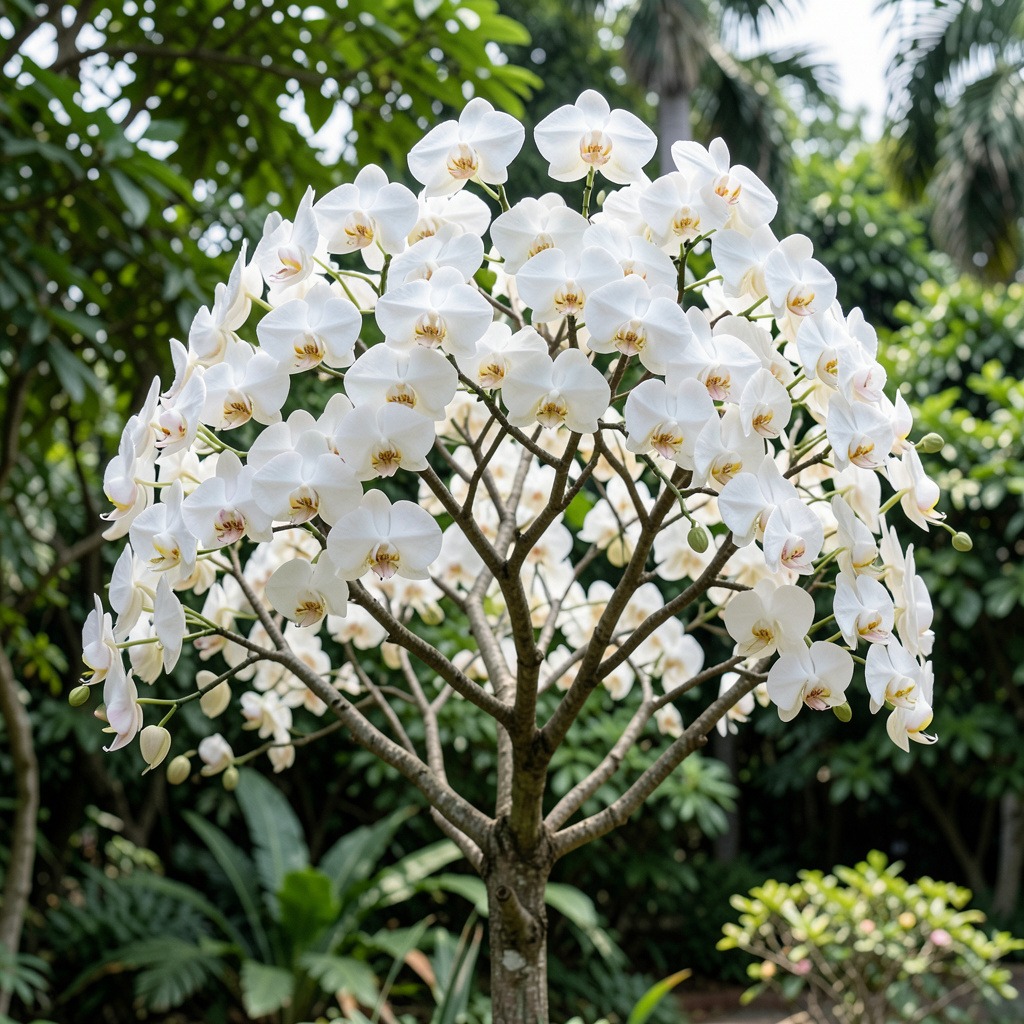
The Hong Kong Orchid Tree boasts several compelling advantages that make it an appealing choice for landscaping. Its striking beauty, low maintenance needs, and positive environmental impact enhance outdoor spaces.
Stunning Aesthetic Appeal
The Hong Kong Orchid Tree is renowned for its large, showy flowers that bloom from November to March. These blossoms, which can reach up to 6 inches across, display a vibrant palette of purples, pinks, and occasionally white. This dramatic floral display not only adds color but also serves as a focal point in any garden.
- Visual Interest: The heart-shaped leaves provide lush greenery year-round, complementing its seasonal blooms.
- Landscape Design: Incorporating the Hong Kong Orchid Tree can elevate various landscaping styles, from tropical to contemporary. For example, planting it near water features or walkways can create an inviting atmosphere.
Low Maintenance Requirements
Once established, the Hong Kong Orchid Tree requires minimal upkeep. It thrives in a variety of soil types and tolerates different environmental conditions.
- Resilience: This tree is adaptable to drought conditions, making it suitable for arid climates.
- Care Needs: Fertilizing three times a year during the growing season enhances its health and flowering potential. Regular watering during dry spells promotes optimal growth.
Wildlife Attraction and Biodiversity Enhancement
The Hong Kong Orchid Tree plays a vital role in supporting local ecosystems. Its flowers attract various pollinators, including bees and butterflies, contributing to biodiversity.
- Pollinator-Friendly: The vibrant blooms serve as a food source for insects, helping to sustain pollination cycles.
- Habitat Contribution: The tree can provide shelter for birds and other wildlife, further enriching the garden’s ecological value.
In summary, the Hong Kong Orchid Tree’s aesthetic appeal, low maintenance needs, and environmental benefits make it a standout choice for landscaping enthusiasts. Its beauty and adaptability enhance outdoor spaces while supporting local wildlife.
Cons of the Hong Kong Orchid Tree
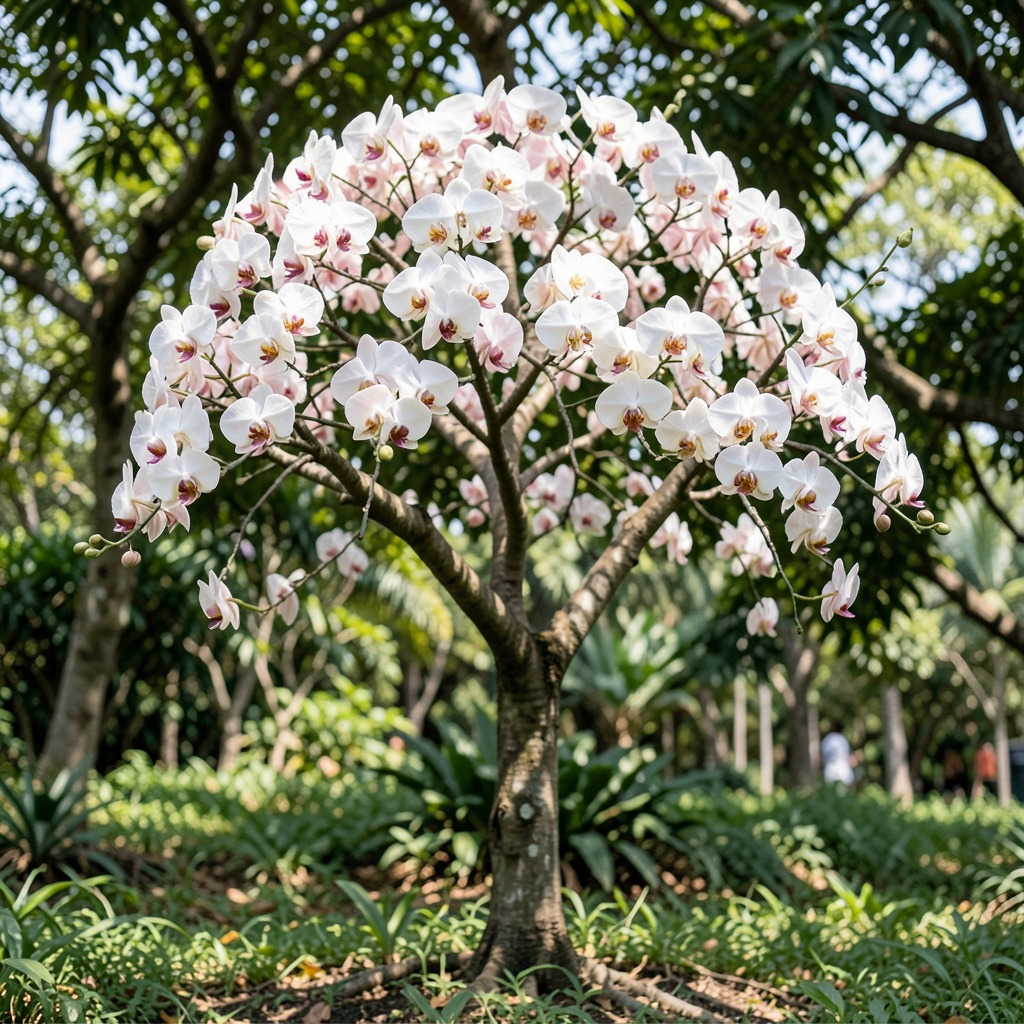
While the Hong Kong Orchid Tree (Bauhinia x blakeana) is admired for its beauty, it also presents several challenges. Potential drawbacks include invasive roots, litter from fallen flowers, and susceptibility to pests and diseases.
Potential for Invasive Roots
The Hong Kong Orchid Tree has a propensity for invasive root systems. These roots can spread aggressively and may disrupt nearby plants and structures. Homeowners should consider the following strategies to manage this issue:
- Regular Pruning: Keep the tree’s growth in check to minimize root spread.
- Barrier Installation: Use root barriers to limit expansion in desired areas.
- Optimal Spacing: Plant the tree away from foundations, sidewalks, and other landscaping elements.
Messy Flower Drop and Cleanup
Another concern is the litter created by fallen flowers. While the blooms are stunning, their seasonal drop can create a mess, requiring regular maintenance. To mitigate this:
- Schedule Cleanups: Plan regular cleanups during the flowering season.
- Choose Planting Locations Wisely: Avoid areas where flower litter may become an issue, such as patios or walkways.
- Consider Mulching: Use mulch to cover the ground and make cleanup easier.
Susceptibility to Pests and Diseases
The Hong Kong Orchid Tree is vulnerable to various pests and diseases, including aphids and root rot in overly moist conditions. Effective management includes:
- Routine Inspections: Regularly check for pests or signs of disease.
- Integrated Pest Management: Utilize natural predators and organic treatments to control infestations.
- Proper Watering Practices: Ensure the tree is not overwatered to prevent root rot.
Checklist for Managing Challenges
- [ ] Regularly prune to control growth and roots.
- [ ] Schedule cleanup during and after flowering.
- [ ] Inspect for pests monthly.
- [ ] Implement pest management strategies.
- [ ] Water adequately to avoid root issues.
By following these guidelines, you can effectively manage the challenges associated with the Hong Kong Orchid Tree while enjoying its beauty and ecological benefits.
Care and Maintenance of the Hong Kong Orchid Tree
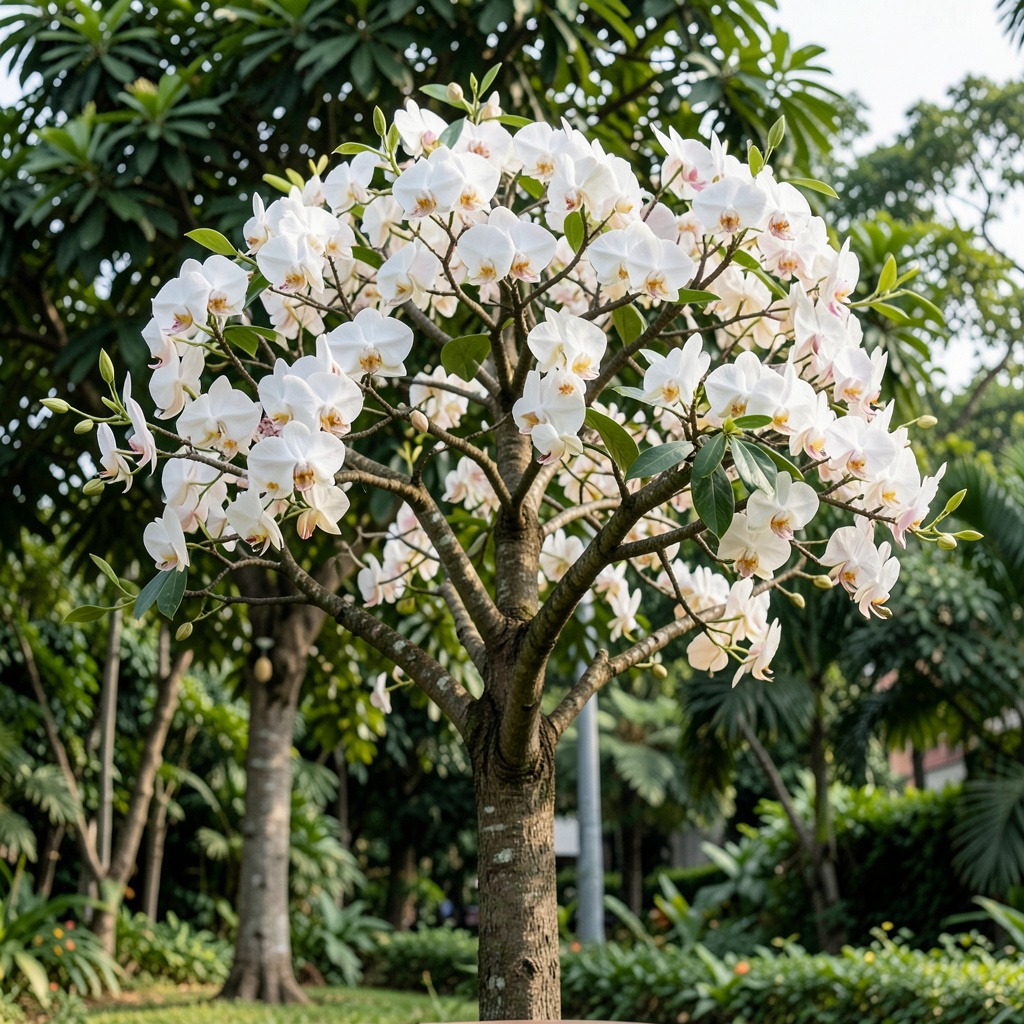
Caring for the Hong Kong Orchid Tree (Bauhinia x Blakeana) involves understanding its specific needs. Proper maintenance ensures healthy growth and vibrant blooms, enhancing its aesthetic appeal in your landscape.
Watering and Soil Requirements
The Hong Kong Orchid Tree thrives in well-draining, moist loamy soil. However, it is drought-tolerant once established, so overwatering can lead to reduced flowering and root issues.
- Watering Frequency:
- Water deeply every 2-3 weeks during dry spells.
- Reduce frequency during the wet season.
- Soil Type:
- Ensure soil drains well; avoid overly wet conditions to prevent root rot.
Pruning Techniques for Optimal Growth
Pruning is essential for shaping the tree and promoting healthy growth. It helps enhance air circulation and encourages flowering.
- When to Prune:
- Prune after flowering to avoid cutting off developing buds.
- Pruning Steps:
- Remove dead or damaged branches.
- Lightly shape the tree throughout the year.
- Avoid heavy pruning, which can decrease blooms.
Pest Management Strategies
The Hong Kong Orchid Tree can attract pests like aphids and caterpillars. Implementing effective pest management strategies is crucial for maintaining the tree’s health.
- Inspection:
- Check for pests monthly, especially during the growing season.
- Management Techniques:
- Use natural predators like ladybugs to control aphid populations.
- Apply organic treatments if infestations occur.
Seasonal Care Calendar
| Season | Care Focus | Action Items |
|---|---|---|
| Spring | Fertilizing and Pruning | Apply organic fertilizer; prune after flowering. |
| Summer | Watering and Pest Monitoring | Water deeply; inspect for pests regularly. |
| Fall | Preparatory Pruning | Lightly prune to shape; prepare for winter. |
| Winter | Minimal Watering | Water only if soil is extremely dry. |
By following these care tips, you can ensure the Hong Kong Orchid Tree remains healthy and vibrant while enjoying its beauty in your landscape.
Comparing the Hong Kong Orchid Tree with Other Flowering Trees
The Hong Kong Orchid Tree (Bauhinia × blakeana) stands out due to its striking flowers and growth characteristics. Understanding how it compares with other flowering trees can guide landscaping choices. Below, we examine the Hong Kong Orchid Tree in relation to similar species, focusing on care, aesthetics, and suitability for various environments.
Hong Kong Orchid Tree vs. Common Orchid Tree
The Common Orchid Tree (Bauhinia variegata) is another flowering tree that shares some similarities with the Hong Kong Orchid Tree, but notable differences exist.
| Feature | Hong Kong Orchid Tree (Bauhinia × blakeana) | Common Orchid Tree (Bauhinia variegata) |
|---|---|---|
| Flower Color | Purple to rose pink, sometimes white | Yellow to white with purple markings |
| Growth Rate | Moderate to fast (1-2 feet/year) | Fast (up to 3 feet/year) |
| Mature Height | 20-40 feet | 30-50 feet |
| Leaf Shape | Heart-shaped leaves | Butterfly-shaped leaves |
| Pest Susceptibility | Moderate (aphids, caterpillars) | High (aphids, beetles) |
| Sunlight Requirements | Full sun to partial shade | Full sun |
Other Alternatives for Flowering Trees
When considering alternatives to the Hong Kong Orchid Tree, several species offer unique benefits:
- Jacaranda (Jacaranda mimosifolia): Known for its vibrant purple blooms. It requires well-drained soil and full sun but has a slower growth rate compared to the Hong Kong Orchid Tree.
- Crepe Myrtle (Lagerstroemia indica): Offers a variety of flower colors, is drought-tolerant, and can be maintained at a smaller size. It also has a longer blooming season.
- Redbud (Cercis canadensis): Features heart-shaped leaves and pink flowers in early spring. It is suitable for woodland gardens and prefers partial shade.
Best Uses in Landscaping
The versatility of the Hong Kong Orchid Tree makes it suitable for various landscaping applications:
- Ornamental Specimen: Its large, colorful flowers serve as a focal point in gardens.
- Shade Tree: With a broad canopy, it provides excellent shade, making it ideal for parks and residential areas.
- Wildlife Attraction: The tree attracts pollinators, including bees and butterflies, contributing to biodiversity in urban landscapes.
When selecting a flowering tree for your landscape, consider the aesthetic appeal, maintenance needs, and environmental adaptability of each species. The Hong Kong Orchid Tree’s unique characteristics make it a worthy contender among flowering trees, but understanding alternatives ensures informed decisions aligned with your landscape goals.
Economic Considerations of Planting Hong Kong Orchid Trees
Understanding the costs associated with planting and maintaining a Hong Kong Orchid Tree is essential for potential buyers. This analysis includes initial purchase costs, long-term maintenance expenses, and the tree’s expected lifespan.
Initial Purchase Costs
The initial investment for a Hong Kong Orchid Tree can vary based on size and source. Generally, prices range from $75 to $300 depending on the tree’s maturity. Here are common factors influencing the cost:
- Size: Young saplings are less expensive than mature trees.
- Source: Local nurseries may charge differently than online retailers.
- Quality: Healthy specimens with a strong root system command higher prices.
Long-Term Maintenance Expenses
Maintaining a Hong Kong Orchid Tree involves several ongoing costs. Here’s what to consider:
- Fertilization: Expect to spend about $20 to $50 annually for organic fertilizer applications.
- Watering: While the tree is drought-tolerant, it may require supplemental watering in dry spells, which could add to your water bill.
- Pest Management: Budget for pest control measures, which can range from $50 to $100 per year if infestations occur.
Expected Lifespan and Value
The Hong Kong Orchid Tree boasts a lifespan of 20 to 30 years under optimal conditions. This longevity adds significant value, especially when considering:
- Aesthetic Appeal: The beautiful blooms enhance property value.
- Shade and Wildlife Habitat: Provides ecological benefits that can increase neighborhood appeal.
In summary, while the initial purchase cost may seem high, the long-term beauty and benefits of the Hong Kong Orchid Tree often outweigh these expenses. An investment in this tree can yield both aesthetic and ecological dividends over its lifetime.
Conclusion: Weighing the Pros and Cons
The Hong Kong Orchid Tree (Bauhinia x Blakeana) presents both appealing advantages and notable challenges for landscapers. Understanding these factors is essential for making an informed planting decision.
Key Benefits
- Aesthetic Appeal: The tree’s large, vibrant flowers provide stunning visual interest.
- Wildlife Attraction: Its blooms attract pollinators, enhancing local biodiversity.
- Growth Rate: With moderate to fast growth, it reaches maturity quickly, providing shade and beauty in a relatively short time.
Considerations and Challenges
- Messy Shedding: The tree’s flowers can create litter, requiring regular cleanup.
- Potential Pests and Diseases: Watch for aphids, caterpillars, and root rot in moist conditions.
- Invasive Roots: Its root system can become problematic in certain landscapes, causing damage to nearby structures.
Decision Framework
When evaluating the Hong Kong Orchid Tree for your landscape, consider the following:
- Location: Is your space suitable for its size and potential root spread?
- Maintenance: Are you prepared for regular care and cleanup?
- Aesthetic Goals: Do the tree’s visual characteristics align with your landscaping vision?
In summary, the Hong Kong Orchid Tree can be a valuable addition to your garden if its pros align with your landscape needs and maintenance capabilities. Prioritize understanding its growth habits and potential challenges to ensure a successful planting experience.
Frequently Asked Questions
These quick answers cover the most common questions about this topic, including key details, practical tips, and common concerns.
What are the common problems with orchid trees?
Common issues with Hong Kong Orchid Trees include susceptibility to pests like aphids and caterpillars, which can damage leaves and flowers. Additionally, they may experience root rot if planted in overly moist conditions. Regular inspections and integrated pest management strategies can help mitigate these problems.
Do Hong Kong orchid trees have invasive roots?
Yes, Hong Kong Orchid Trees can develop invasive root systems. Their roots tend to spread aggressively, potentially damaging nearby structures and competing with other plants for nutrients. To manage this, it’s advisable to plant them away from foundations and use root barriers if necessary.
How much does a Hong Kong orchid tree cost?
The cost of a Hong Kong Orchid Tree typically ranges from $75 to $300, depending on its size and source. Young saplings are generally less expensive than mature trees. Local nurseries may offer different pricing compared to online retailers, so it’s worth shopping around.
How long do Hong Kong orchid trees typically live?
Hong Kong Orchid Trees have an expected lifespan of 20 to 30 years when properly cared for. This longevity makes them a worthwhile investment for landscaping, providing beauty and shade for many years.
Are Hong Kong orchid trees HOA compliant for front yards?
Whether Hong Kong Orchid Trees are HOA compliant depends on specific community regulations. Many HOAs have guidelines regarding tree species, height, and maintenance. It’s advisable to check with your HOA before planting to ensure compliance.
What to do if my Hong Kong Orchid Tree is damaged by frost?
If your Hong Kong Orchid Tree has been damaged by frost, assess the extent of the damage. If it appears to be growing from the bottom, you can prune away the dead or damaged branches. With proper care, including watering and fertilization, the tree may recover and thrive.
When is the best time to plant a Hong Kong Orchid Tree?
The best time to plant a Hong Kong Orchid Tree is in the spring or early fall. This timing allows the tree to establish its roots before facing extreme temperatures. Ensure that the soil is well-draining and that you provide adequate water during the establishment phase.
What are some alternative trees to plant instead of Hong Kong Orchid Trees?
If you’re considering alternatives to the Hong Kong Orchid Tree, options include Jacaranda, known for its stunning purple flowers, and Crepe Myrtle, which offers a variety of colors and requires less maintenance. Redbud is another excellent choice, featuring heart-shaped leaves and early spring blooms, suitable for smaller spaces.