
Balsam fir trees have adapted to the taiga ecosystem through their conical shape, thick needles, and shallow root systems. These features allow them to withstand harsh winters, conserve water, and thrive in nutrient-poor soils.
The taiga, also known as the boreal forest, is a vast biome characterized by its cold climate and coniferous forests. This ecosystem stretches across Canada, Alaska, and parts of Europe and Asia. The Balsam fir (Abies balsamea) is one of the dominant tree species found in this region. Its ability to adapt to the challenging conditions of the taiga plays a crucial role in maintaining the ecological balance.
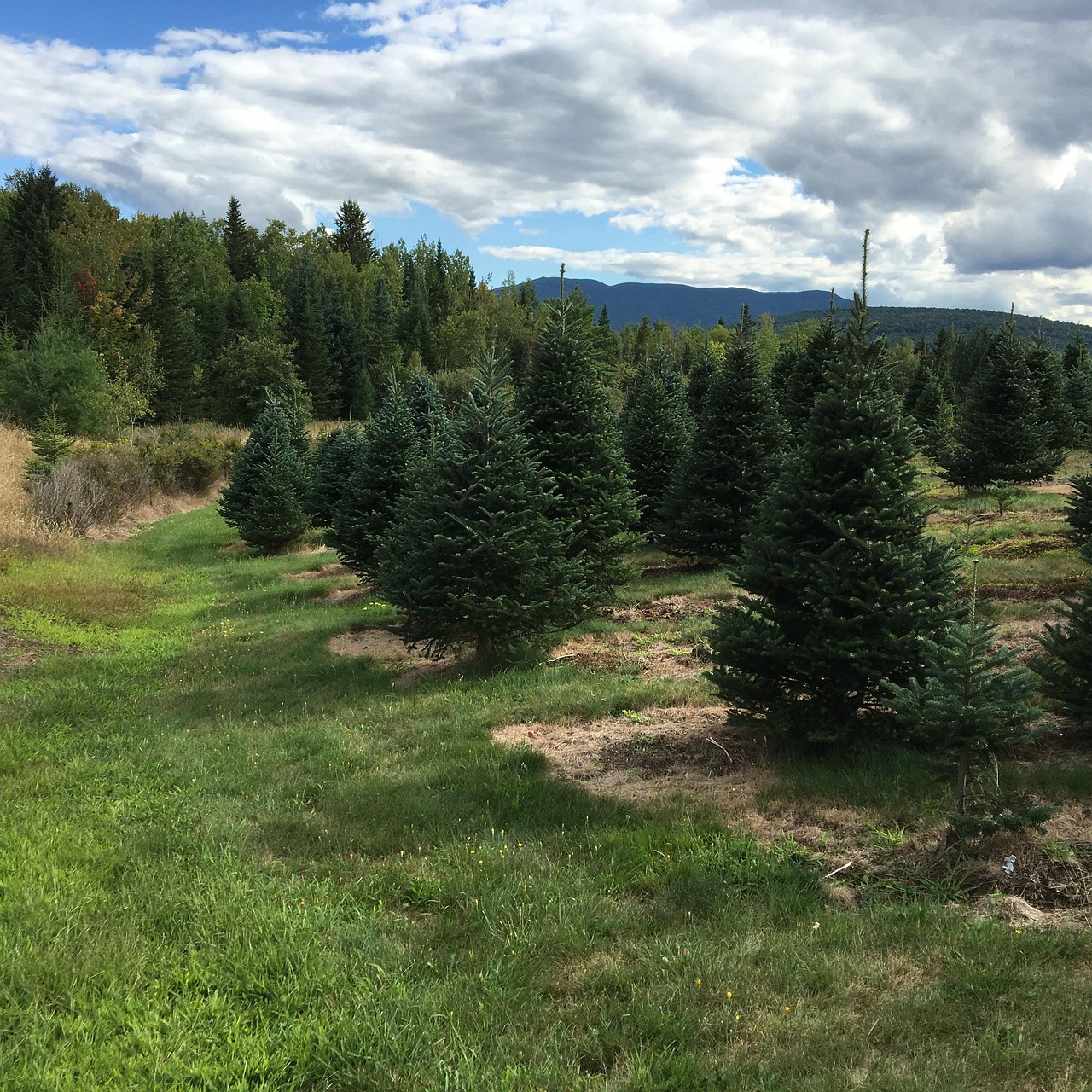
Balsam fir trees are well-suited to survive the extreme temperatures that are typical of the taiga. Winters can be long and severe, with temperatures frequently dropping below freezing. The tree’s thick needles are covered with a waxy coating that reduces water loss, allowing the tree to retain moisture even when the ground is frozen. This adaptation is essential for survival during dry winter months.
Physical Characteristics of Balsam Fir Trees
The physical structure of Balsam fir trees contributes significantly to their adaptation in the taiga ecosystem. These trees can reach heights of 40 to 60 feet and have a narrow, conical shape which helps shed heavy snow. The weight of accumulated snow can often break branches or even topple trees, so this shape is vital for their survival.
| Characteristic | Adaptation |
|---|---|
| Needle Structure | Thick, waxy coating reduces water loss |
| Tree Shape | Narrow conical form sheds snow effectively |
| Root System | Shallow roots stabilize the tree in rocky or poor soils |
Another significant adaptation is their root system. Balsam fir trees have shallow roots that spread wide rather than deep. This allows them to anchor themselves in nutrient-poor soils typical of the taiga while also maximizing their ability to absorb any available moisture. The shallow roots help prevent soil erosion and provide stability against strong winds.
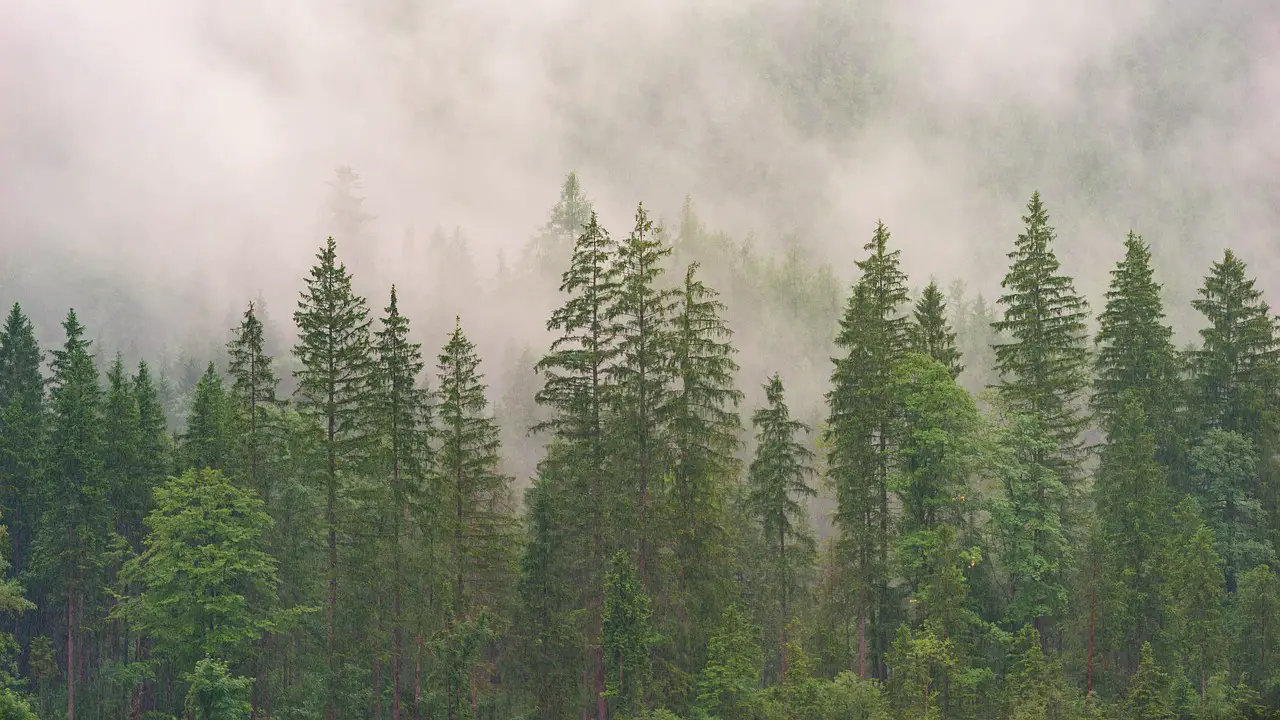
Additionally, Balsam fir trees are evergreen, meaning they retain their needles throughout the year. This feature allows them to photosynthesize as soon as conditions are favorable, even if it is still cold. In contrast to deciduous trees that lose their leaves and temporarily halt photosynthesis during winter, Balsam firs can take advantage of the short growing season in the taiga.
Reproductive Adaptations
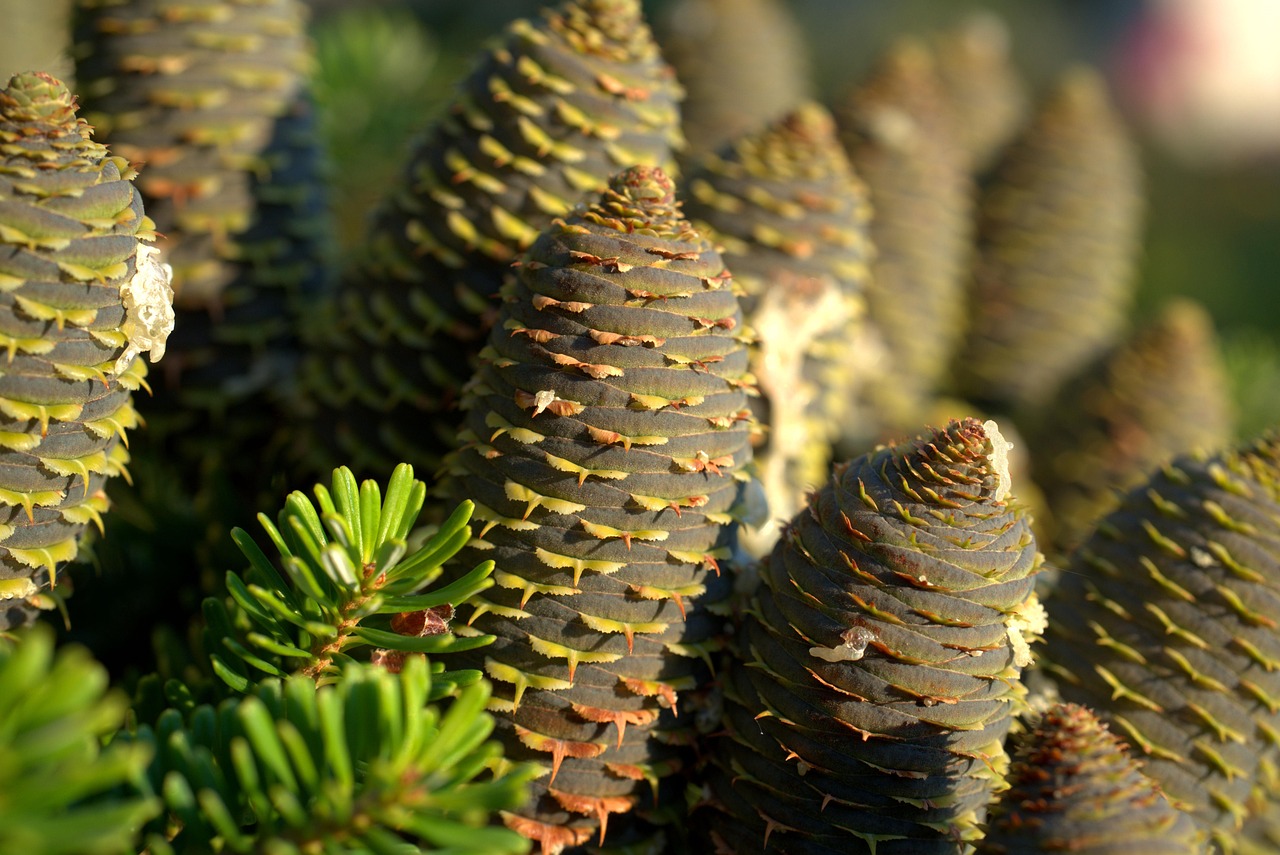
The reproductive strategy of Balsam fir trees also reflects their adaptation to the taiga ecosystem. They reproduce through cones, which house their seeds. The cones are designed to open in response to heat, often triggered by forest fires or warm temperatures in spring. This adaptation ensures that seeds are dispersed at a time when conditions are optimal for germination.
- Cones open in response to heat.
- Seeds are lightweight and can be carried by wind.
- Rapid growth during short growing seasons maximizes survival rates.
Furthermore, Balsam fir trees produce a large number of seeds each year. This high seed output increases the likelihood that some will find suitable conditions for growth amidst the competition from other plant species in the taiga. The seeds can remain viable in the soil for several years, allowing them to germinate when conditions improve.
This combination of physical and reproductive adaptations allows Balsam fir trees not only to survive but also to thrive in one of the harshest environments on Earth. Their unique characteristics enable them to play a vital role in the taiga ecosystem, providing habitat and food for various wildlife species while contributing to carbon storage and soil stabilization.
Role of Balsam Fir in the Taiga Ecosystem
Balsam fir trees are not just survivors in the taiga; they play a significant role in the ecosystem. Their presence impacts various ecological processes and contributes to the overall health of the forest. Understanding the multifaceted role of Balsam fir can highlight its importance in maintaining biodiversity and ecosystem functions.
Habitat for Wildlife
Balsam fir forests provide essential habitat for a wide range of wildlife species. The dense foliage offers shelter and nesting sites for birds, mammals, and insects. Some of the key wildlife that depend on Balsam fir include:

- Birds: Species such as the spruce grouse and crossbills rely on Balsam fir for food and nesting sites.
- Mammals: Animals like moose and deer feed on the tree’s needles and bark, especially during winter when other food sources are scarce.
- Insects: The tree serves as a host for various insect species, which play a role in pollination and as a food source for other wildlife.
The availability of food and shelter makes Balsam fir an integral part of the taiga’s food web. By supporting various species, these trees help maintain biodiversity within the ecosystem.
Contributions to Soil Health
Soil health is crucial for the sustainability of the taiga ecosystem. Balsam fir trees contribute positively to soil quality through several mechanisms:
- Leaf Litter: The needles that fall from Balsam fir trees decompose slowly, adding organic matter to the soil. This process enriches the soil with nutrients, improving its fertility.
- Erosion Control: The shallow root systems of Balsam fir trees help to stabilize the soil, preventing erosion caused by wind and water.
- Microbial Activity: The decomposition of organic matter promotes microbial activity, which is essential for nutrient cycling within the soil.
The combination of these factors leads to healthier soils that can support a variety of plant species, further enhancing biodiversity in the taiga ecosystem.
Interactions with Other Plant Species
Balsam fir trees also interact with other plant species in the taiga, creating complex relationships that benefit the entire ecosystem. These interactions can be categorized into competition and symbiosis.
Competition for Resources
While Balsam fir trees provide numerous benefits, they also compete with other species for resources such as light, water, and nutrients. Their tall stature allows them to capture sunlight effectively, which can overshadow smaller plants. This competition influences the composition of understory vegetation.
- Shade Tolerance: Balsam fir trees are shade-tolerant, meaning they can grow well in low-light conditions. This ability allows them to thrive even in dense forests.
- Influence on Species Diversity: Their presence can shape which species dominate the understory, affecting overall plant diversity.
Symbiotic Relationships
Balsam fir trees also engage in symbiotic relationships with various organisms. One notable example is their relationship with mycorrhizal fungi:
- Mycorrhizal Fungi: These fungi form partnerships with the tree roots, enhancing nutrient uptake. In return, the fungi receive carbohydrates produced by the tree during photosynthesis.
- Mutual Benefits: This relationship improves the health of both the tree and the fungi, promoting growth and resilience against diseases.
The interconnectedness between Balsam fir trees and other organisms underscores their importance in maintaining ecological balance within the taiga. These relationships enhance nutrient cycling and support a diverse array of life forms.
Potential Threats to Balsam Fir
Despite their remarkable adaptations and ecological significance, Balsam fir trees face several threats that could impact their survival in the taiga ecosystem. Understanding these threats is crucial for conservation efforts.
- Climate Change: Rising temperatures and altered precipitation patterns can stress these trees, affecting their growth and reproduction.
- Pests and Diseases: Invasive species such as the balsam woolly adelgid can harm Balsam fir trees, leading to declines in populations.
- Logging Activities: Unsustainable logging practices can reduce Balsam fir populations and disrupt their habitat.
Addressing these threats through conservation strategies is vital to ensure that Balsam fir trees continue to thrive in their natural environment, thus supporting the broader taiga ecosystem.
Conservation Efforts for Balsam Fir Trees
In light of the challenges faced by Balsam fir trees, various conservation efforts are underway to protect and sustain their populations within the taiga ecosystem. These efforts aim to mitigate threats and promote healthy forest environments where Balsam fir can thrive.
Forest Management Practices
Sustainable forest management is essential for ensuring the long-term health of Balsam fir stands. Implementing responsible logging practices can help maintain forest structure and biodiversity. Key strategies include:
- Selective Logging: This method involves removing only certain trees while preserving the overall structure of the forest. It minimizes disturbance to the surrounding ecosystem and allows for natural regeneration.
- Buffer Zones: Establishing buffer zones around Balsam fir forests can protect them from direct impacts of logging and other human activities. These zones help maintain habitat connectivity and support local wildlife.
- Reforestation: Planting new Balsam fir trees in logged areas ensures that these vital species continue to thrive. This practice helps restore forest cover and supports biodiversity.
These management practices not only benefit Balsam fir trees but also contribute to the overall health of the taiga ecosystem.
Monitoring and Research Initiatives
Ongoing research plays a critical role in understanding the ecology of Balsam fir and the challenges they face. Monitoring initiatives help track changes in populations, health, and environmental conditions. Important aspects include:
- Population Studies: Researchers conduct surveys to assess the health and distribution of Balsam fir populations. These studies provide valuable data on growth rates, mortality, and regeneration patterns.
- Pest and Disease Monitoring: Continuous observation of pests, such as the balsam woolly adelgid, helps detect outbreaks early. This proactive approach allows for timely intervention to protect affected trees.
- Climate Impact Research: Studying the effects of climate change on Balsam fir trees assists in understanding how shifting weather patterns may affect their growth and survival. This research informs adaptive management strategies.
The information gathered through these initiatives contributes to informed decision-making regarding conservation efforts.
Community Involvement and Education
Engaging local communities and promoting education about the importance of Balsam fir trees is crucial for successful conservation efforts. Community involvement fosters stewardship and encourages sustainable practices. Key components include:
- Awareness Campaigns: Educational programs highlight the ecological significance of Balsam fir trees and the threats they face. Increased awareness can motivate individuals to participate in conservation efforts.
- Volunteering Opportunities: Community members can participate in tree planting, monitoring, and habitat restoration projects. Hands-on involvement fosters a personal connection to the forest.
- Collaborative Partnerships: Collaborations among local organizations, government agencies, and researchers enhance resource sharing and knowledge exchange. These partnerships strengthen conservation initiatives.
Empowering communities to take an active role in conservation increases the likelihood of long-term success in protecting Balsam fir populations.
The Role of Technology in Conservation
Advancements in technology are transforming conservation strategies for Balsam fir trees. Innovative tools enhance monitoring, data collection, and analysis, providing new insights into forest health. Some key technological applications include:
- Remote Sensing: Satellite imagery and aerial drones allow for large-scale monitoring of forest cover, health, and changes over time. This technology provides valuable information about forest dynamics.
- GIS Mapping: Geographic Information Systems (GIS) facilitate spatial analysis of Balsam fir distribution and habitat preferences. This information aids in planning conservation strategies.
- Data Analytics: Advanced data analysis tools help interpret environmental data, allowing researchers to model future scenarios related to climate change and pest outbreaks.
The integration of technology into conservation efforts enhances our understanding of the ecosystem and improves management practices for Balsam fir trees.
Legislation and Policy Frameworks
Effective conservation of Balsam fir trees is also supported by legislative frameworks that protect forest ecosystems. Government policies play a crucial role in ensuring sustainable practices and habitat preservation. Key components include:
- Protected Areas: Establishing national parks and reserves safeguards critical habitats for Balsam fir trees. These protected areas limit human activities that could negatively impact these ecosystems.
- Sustainable Forestry Certifications: Certification programs promote responsible logging practices that prioritize environmental health. These labels encourage consumers to choose products from sustainably managed forests.
- Invasive Species Regulations: Policies aimed at controlling invasive species help protect native trees like Balsam fir from harmful pests that threaten their survival.
A comprehensive policy framework supports coordinated efforts to conserve Balsam fir trees while balancing economic needs with ecological integrity.
Future Research Directions
As we look toward the future, ongoing research will be essential in enhancing our understanding of Balsam fir trees and their role in the taiga ecosystem. Several areas of study warrant attention:
- Climate Resilience Studies: Investigating how Balsam fir trees respond to various climate scenarios can help predict their future viability. Understanding their genetic diversity may reveal traits that confer resilience to changing conditions.
- Pest Resistance Research: Studying the interactions between Balsam fir and pests can provide insights into natural defenses and potential management strategies. Identifying resistant varieties could aid in conservation efforts.
- Community Ecology: Exploring the relationships between Balsam fir and other species within the taiga can shed light on ecosystem dynamics. Understanding these interactions is crucial for holistic conservation approaches.
Such research endeavors will provide valuable information for policymakers, conservationists, and land managers, ensuring that Balsam fir trees continue to thrive in their native habitats.
The Economic Importance of Balsam Fir
Balsam fir trees are not only ecologically significant but also hold economic value. They are harvested for various purposes, including:
- Timber Production: Balsam fir wood is used in construction, furniture making, and paper production due to its lightweight and workable nature.
- Christmas Trees: The species is popular as a Christmas tree, with its attractive appearance and pleasant fragrance making it a favorite among consumers.
- Essential Oils: The needles contain essential oils that are used in aromatherapy and personal care products, contributing to local economies.
Balancing economic benefits with conservation efforts is essential to sustain both the forest ecosystems and the livelihoods they support.
Community Engagement in Conservation
The engagement of local communities is vital for effective conservation strategies. When communities understand the significance of Balsam fir trees, they are more likely to participate in conservation efforts. Effective community engagement includes:
- Educational Workshops: Organizing workshops that focus on the ecological importance of Balsam fir and sustainable practices can empower local residents.
- Citizen Science Programs: Involving community members in data collection and monitoring can enhance awareness and foster a sense of ownership over local natural resources.
- Collaboration with Indigenous Groups: Incorporating traditional ecological knowledge from Indigenous communities can enrich conservation strategies and promote cultural heritage.
Community involvement is key to fostering stewardship and ensuring the long-term protection of Balsam fir trees.
Final Thoughts
Balsam fir trees are remarkable examples of adaptation within the taiga ecosystem. Their unique physical characteristics, reproductive strategies, and ecological roles highlight their significance in maintaining biodiversity and supporting various wildlife species. However, they face numerous threats, including climate change, pests, and human activities.
Effective conservation strategies are essential for ensuring the survival of Balsam fir trees. Sustainable forest management, community engagement, and continued research will play crucial roles in protecting these vital trees. By understanding their adaptations and the challenges they face, we can work toward a future where Balsam fir continues to thrive in the taiga ecosystem, benefiting both the environment and local communities.
The collaborative efforts of researchers, policymakers, and local communities will be indispensable in fostering a balanced coexistence between human needs and ecological integrity. Through education and sustainable practices, we can ensure that Balsam fir trees remain a vital component of the taiga for generations to come.