
Balsam fir trees help repel common pests through their aromatic needles and resinous bark. These characteristics create an environment that is less inviting for many insects, such as aphids and mosquitoes, thereby providing a natural pest control solution.
Balsam fir (Abies balsamea) is a species of evergreen tree native to North America. They are recognized for their tall, slender trunks and dense foliage. These trees thrive in colder climates, commonly found in the northeastern United States and Canada. Balsam firs are frequently used as Christmas trees due to their pleasant scent and attractive appearance. However, their charm extends beyond aesthetics; they play a significant role in promoting biodiversity and maintaining ecological balance.
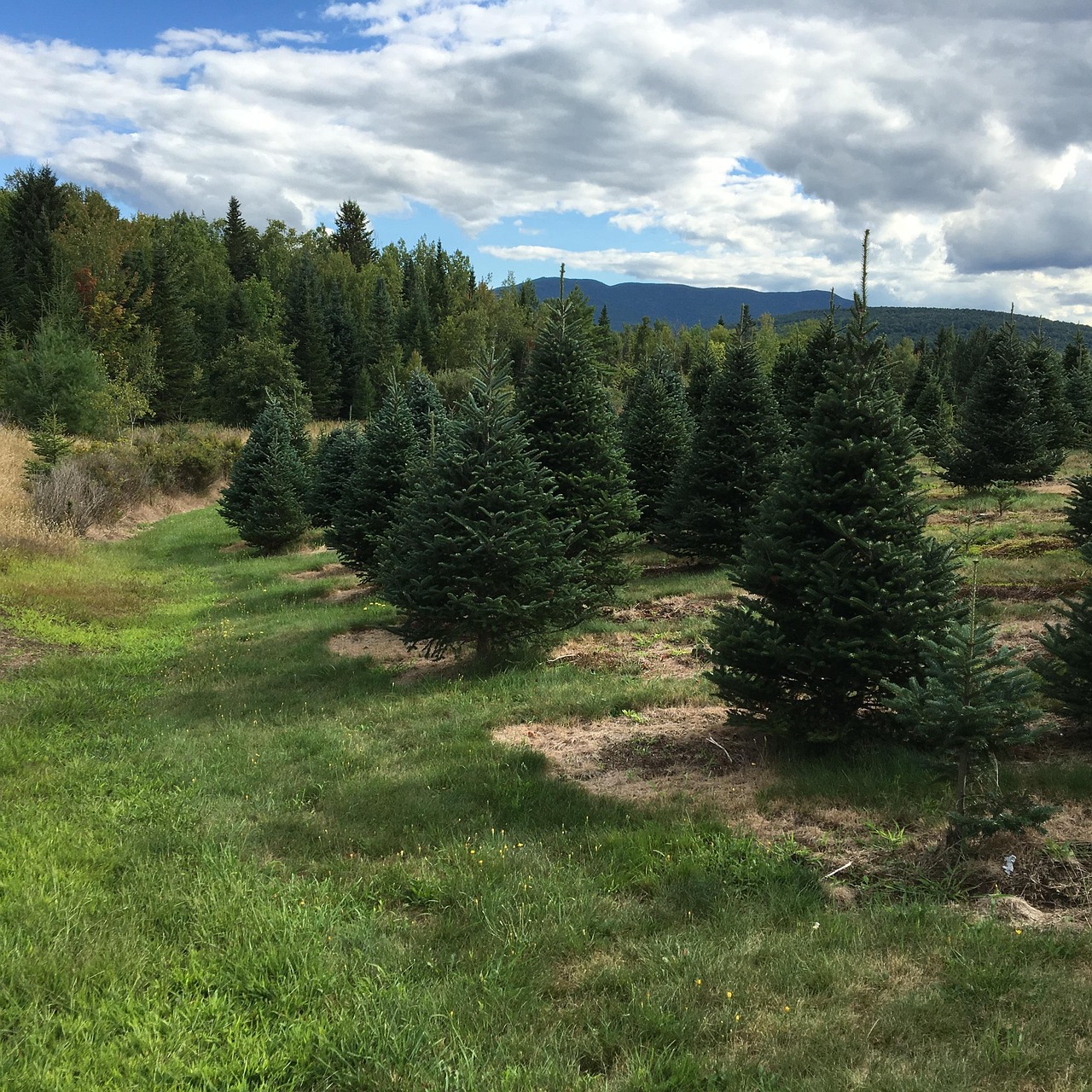
One of the remarkable features of balsam firs is their ability to repel certain pests. This quality can be attributed to the natural compounds found in their needles and bark. The essential oils released by the tree contain properties that deter many common insects. Understanding these natural defenses can help gardeners and homeowners protect their plants without relying on chemical pesticides.
The Natural Defense Mechanisms of Balsam Fir Trees
Balsam fir trees possess several natural defense mechanisms that contribute to their pest-repelling abilities. These mechanisms include:
- Essential Oils: The aromatic oils in balsam fir needles have insect-repelling properties. These compounds create an unfavorable environment for pests.
- Resins: The sticky resins produced by the tree act as a barrier, trapping small insects that come into contact with them.
- High Acidity: The needles have a higher acidity level, which can deter certain pest species from feeding on them.
These natural defenses not only help the balsam fir survive in its native habitat but also benefit surrounding plants. By repelling pests, these trees create a more hospitable environment for other flora and fauna in the ecosystem.

Common Pests Affected by Balsam Fir Trees
Several common pests are known to be repelled by balsam fir trees. Understanding which pests these trees can deter is essential for gardeners and landowners looking to maintain healthy landscapes. Some of the most notable pests include:
| Pest | Impact on Plants | Effectiveness of Balsam Fir |
|---|---|---|
| Aphids | Sap-sucking insects that weaken plants. | High |
| Spider Mites | Small arachnids that cause leaf discoloration. | Moderate |
| Whiteflies | Pests that feed on plant sap and spread disease. | High |
| Japanese Beetles | Defoliate plants and flowers. | Moderate |
| Mosquitoes | Annoying pests that can transmit diseases. | High |
The effectiveness of balsam fir trees in deterring these pests can vary. However, many gardeners report a significant reduction in pest populations when these trees are present in the landscape. This makes balsam firs an excellent choice for integrated pest management strategies.
In addition to their pest-repelling qualities, balsam fir trees contribute to the overall health of an ecosystem. They provide shelter and food for various wildlife species, including birds and small mammals. Their dense foliage offers protection from predators, creating a safe habitat for these animals.
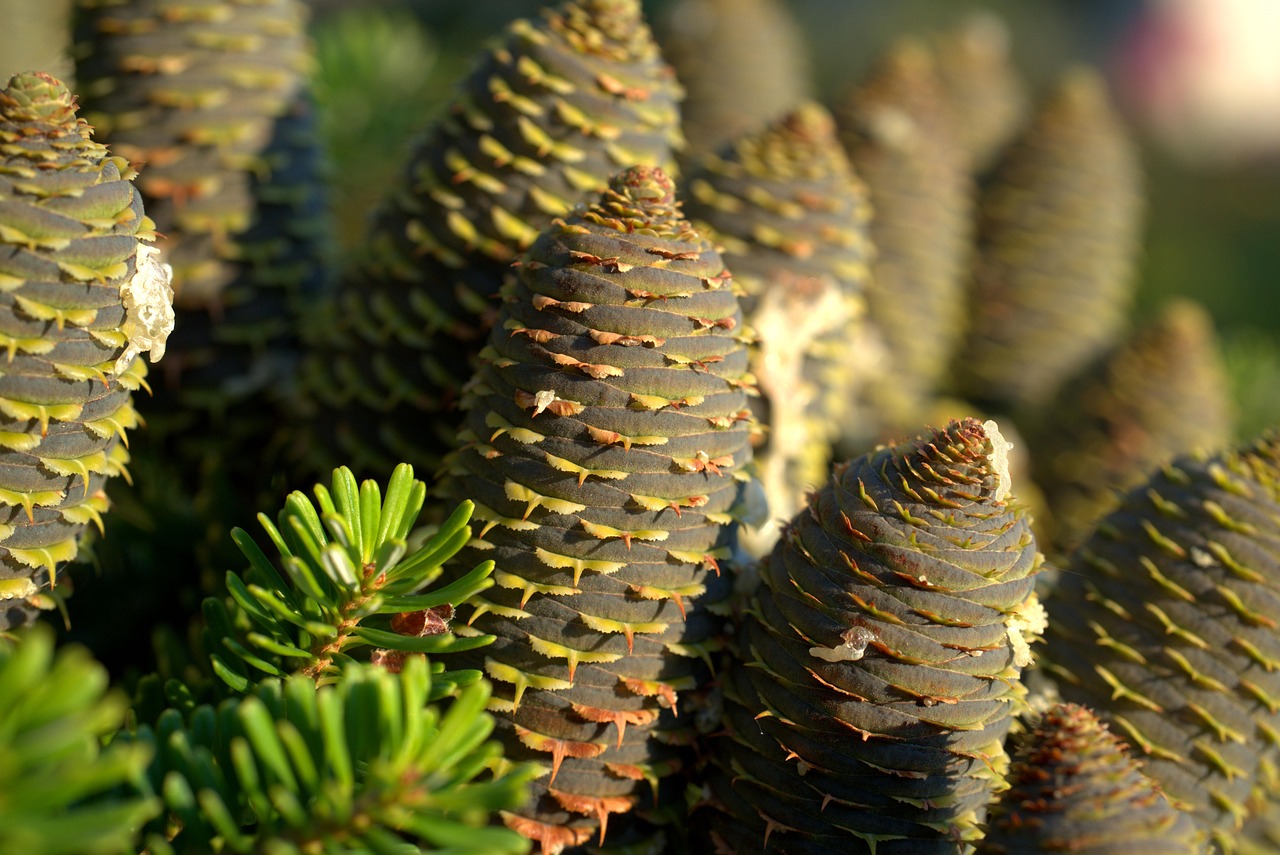
Balsam fir trees also play a role in improving air quality. Their needles absorb carbon dioxide and release oxygen, contributing to a healthier environment. This process benefits both humans and wildlife, making balsam firs valuable additions to any landscape.
The unique characteristics of balsam fir trees not only enhance their beauty but also provide essential ecological benefits. As awareness grows regarding sustainable gardening practices, integrating balsam firs into landscapes becomes increasingly appealing for those seeking natural pest control solutions.
Benefits of Balsam Fir Trees Beyond Pest Repellence
While the pest-repelling qualities of balsam fir trees are notable, they also offer numerous other benefits that contribute to both the environment and human enjoyment. These advantages make balsam firs a popular choice in landscaping, forestry, and conservation efforts.

Ecological Contributions
Balsam firs play a vital role in their ecosystems. They provide essential habitat and resources for various species. Some of the key ecological contributions include:
- Wildlife Habitat: Balsam fir trees serve as nesting sites for birds and shelter for small mammals. Their dense branches create protective environments.
- Food Source: Many animals, including deer and squirrels, feed on the needles and cones of balsam firs, making them an important food source in forested areas.
- Soil Health: The fallen needles from balsam firs contribute organic matter to the soil. This enhances soil fertility and promotes healthy plant growth.
These ecological contributions highlight the importance of balsam firs in maintaining biodiversity within their natural habitats.
Landscape Aesthetics
Balsam fir trees are not only functional but also aesthetically pleasing. Their unique shape and vibrant green color make them a valuable addition to any landscape. Here are several aesthetic advantages:
- Year-Round Greenery: Balsam firs retain their foliage throughout the winter, providing visual interest when many other plants have lost their leaves.
- Natural Privacy Screens: Their dense growth can serve as effective privacy barriers, making them ideal for residential landscapes.
- Seasonal Appeal: In addition to their beauty in summer, balsam firs are often associated with the holiday season, adding festive charm to winter landscapes.
The combination of functionality and beauty makes balsam firs a versatile choice for homeowners and landscapers alike.
Cultural Significance of Balsam Fir Trees
Balsam fir trees hold cultural importance in various regions. They are often celebrated for their role in traditions and festivities. Some noteworthy aspects include:
- Christmas Traditions: Balsam firs are one of the most popular choices for Christmas trees due to their pleasant aroma and symmetrical shape. Families often gather to decorate these trees during the holiday season.
- Indigenous Uses: Native American tribes have historically used balsam fir for medicinal purposes. The resin has been utilized to treat wounds and respiratory ailments.
- Symbolism: In many cultures, evergreens symbolize endurance and resilience. Balsam fir trees represent these qualities, making them significant in various folklore and traditions.
The cultural significance of balsam fir trees enriches their value beyond mere landscaping plants, fostering connections between people and nature.
Pest Control in Organic Gardening
For those interested in organic gardening, incorporating balsam fir trees can enhance pest control efforts without relying on synthetic chemicals. Their natural properties can be utilized as part of an integrated pest management (IPM) approach. Below are some practical applications:
- Companion Planting: Balsam fir can be planted alongside vegetables or flowers to deter pests naturally while promoting healthy growth.
- Barrier Planting: Strategically placing balsam firs around gardens can create natural barriers against pests, protecting more vulnerable plants.
- Mulching with Needles: The fallen needles from balsam fir trees can be used as mulch. This not only suppresses weeds but also offers pest-repelling benefits.
By using balsam firs in these ways, gardeners can foster healthier ecosystems while minimizing harmful pesticide use.
Considerations for Planting Balsam Fir Trees
If you are considering adding balsam fir trees to your landscape or garden, there are several important factors to keep in mind:
- Climate Requirements: Balsam fir trees thrive in cooler climates. Ensure that your region’s climate is suitable for their growth before planting.
- Soil Conditions: They prefer moist, well-drained soils rich in organic matter. Conducting a soil test can help determine if amendments are needed.
- Space Requirements: Balsam firs can grow tall and wide. Plan for adequate space between trees and other plants to avoid overcrowding.
- Pest Management: While they repel certain pests, monitoring for any diseases or pests that may affect balsam firs is essential for maintaining their health.
By considering these factors, you can successfully integrate balsam fir trees into your landscape while maximizing their benefits.
Enhancing Your Landscape with Balsam Fir Trees
Incorporating balsam fir trees into your landscape can provide multiple benefits that go beyond pest control. These trees can enhance the aesthetic appeal of your property, contribute to environmental sustainability, and even improve your overall quality of life. Here are several ways to maximize the benefits of planting balsam firs.
Design Ideas for Balsam Fir Integration
When planning to add balsam fir trees to your garden or landscape, consider various design elements that will complement their natural beauty. Here are some design ideas:
- Natural Groupings: Planting multiple balsam firs in clusters can create a woodland effect. This arrangement mimics their natural habitat and enhances biodiversity.
- Mixed Borders: Combine balsam firs with other evergreen and deciduous plants to create a visually appealing mixed border. This can provide year-round interest.
- Accent Trees: Use balsam firs as focal points in larger landscapes. Their unique shape and height can draw attention and create visual balance.
These design strategies can not only improve the aesthetic value of your landscape but also create habitats that support local wildlife.
Seasonal Maintenance Tips
To ensure that your balsam fir trees remain healthy and continue to provide their beneficial qualities, seasonal maintenance is essential. Here are some tips for proper care:
- Spring Care: In early spring, check the trees for any signs of pests or disease. Prune any dead or damaged branches to promote healthy growth.
- Summer Monitoring: During the summer months, monitor soil moisture levels, especially in dry periods. Ensure the trees receive adequate water without becoming waterlogged.
- Fall Preparation: As temperatures begin to drop, apply a layer of mulch around the base of the trees. This will help regulate soil temperature and retain moisture during winter.
- Winter Protection: In particularly harsh climates, wrapping the lower trunks with burlap can protect young trees from frost damage and harsh winds.
Following these maintenance tips can help your balsam fir trees thrive and continue to offer their many advantages throughout the seasons.
Economic Benefits of Balsam Fir Trees
Planting balsam fir trees can also yield economic benefits. They can serve various purposes that can be financially advantageous. Consider the following:
- Timber Production: Balsam firs are valuable for their timber, which is used in construction, furniture making, and other wood products. Harvesting mature trees can provide a source of income.
- Christmas Tree Farming: Many farmers grow balsam firs specifically for the Christmas tree market. These trees are highly sought after, providing a profitable seasonal business opportunity.
- Eco-Tourism: Landscapes featuring balsam firs can attract tourists interested in nature walks, photography, and outdoor activities, supporting local economies.
The economic potential of balsam fir trees makes them an attractive option for both individual landowners and larger agricultural operations.
Pest Repellence in Urban Environments
In urban settings, the pest-repelling qualities of balsam fir trees can play a significant role in improving the quality of life for residents. Here’s how they contribute:
- Aesthetic Improvement: Balsam firs enhance urban landscapes, making neighborhoods more pleasant and inviting for residents and visitors alike.
- Pest Control in Gardens: Their natural ability to repel pests can reduce the need for chemical pesticides in urban gardens, promoting a healthier community environment.
- Air Quality Enhancement: As urban areas often struggle with air pollution, planting balsam firs can help improve air quality by absorbing pollutants and producing oxygen.
The integration of balsam firs into urban planning can lead to healthier, more sustainable cities.
Caring for Balsam Fir Trees in Different Regions
The care and management of balsam fir trees can vary based on regional climates. Understanding these differences is important for successful cultivation. Consider the following factors based on geographical regions:
| Region | Climate Considerations | Care Tips |
|---|---|---|
| Northeast US | Cool, humid climate ideal for growth. | Regular watering during dry spells; watch for pests like aphids. |
| Southeast US | Warmer climates may stress balsam firs. | Provide shade during peak heat and monitor soil moisture closely. |
| Northwest US | Mild temperatures with significant rainfall. | Avoid waterlogged soil; ensure good drainage. |
| Canada | Cold winters and short summers; excellent growing conditions. | Mulch in winter to protect roots; prune to maintain shape. |
By considering regional climate factors, you can provide tailored care that ensures your balsam fir trees thrive in various environments.
Additional Uses and Benefits of Balsam Fir Trees
Balsam fir trees hold various uses that extend beyond pest control and aesthetic appeal. Their unique properties and characteristics make them valuable assets in different fields. Here are some notable uses:
- Medicinal Applications: The resin from balsam fir trees has been used in traditional medicine for its antiseptic and anti-inflammatory properties. It can be applied to minor cuts and abrasions to aid healing.
- Aromatherapy: The essential oils derived from balsam fir needles are popular in aromatherapy. They are believed to promote relaxation and reduce stress.
- Crafts and Decorations: The fragrant needles are often used in holiday decorations, wreaths, and garlands, enhancing the festive atmosphere with their pleasant scent.
- Environmental Restoration: Balsam fir trees can be used in reforestation projects. They help restore habitats, improve soil quality, and contribute to carbon sequestration efforts.
The versatility of balsam fir trees makes them an excellent choice for various applications, further emphasizing their importance in both natural and human-made environments.
Educational Opportunities with Balsam Fir Trees
Balsam fir trees can also serve as powerful educational tools. Whether in schools or community programs, they can teach valuable lessons about ecology, sustainability, and the importance of biodiversity. Here are ways to incorporate educational opportunities:
- School Projects: Educators can use balsam fir trees as a subject for science projects that explore plant biology, ecosystems, and environmental science.
- Community Workshops: Hosting workshops focused on the care and benefits of balsam firs can engage community members in sustainable landscaping practices.
- Nature Walks: Guided nature walks in areas with balsam firs can offer insights into local flora and fauna, promoting awareness of environmental conservation.
By engaging the community with educational initiatives centered around balsam fir trees, individuals can foster a greater appreciation for nature and its resources.
Final Thoughts
Balsam fir trees are remarkable for their ability to repel common pests while providing numerous ecological, economic, and aesthetic benefits. Their natural defenses against insects not only protect themselves but also help create healthier environments for surrounding plants and wildlife. As homeowners, landscapers, and communities increasingly seek sustainable solutions for gardening and landscaping, the value of balsam firs becomes even more evident.
From enhancing air quality to supporting biodiversity, balsam fir trees contribute significantly to both human well-being and environmental health. Their versatility as a resource—from timber production to educational opportunities—highlights their importance in various sectors. By thoughtfully integrating balsam firs into landscapes and communities, we can promote a sustainable future that honors the natural world.
Furthermore, understanding the specific requirements for growing balsam fir trees based on regional climates can ensure their successful cultivation. With proper care and attention, these trees can thrive and continue to offer their many benefits for generations to come.
In conclusion, whether you are looking to enhance your landscape, engage in organic gardening practices, or explore educational opportunities, balsam fir trees present a unique option worth considering. Their multifaceted contributions can lead to healthier ecosystems and enriched communities, making them invaluable assets in our pursuit of sustainable living.