
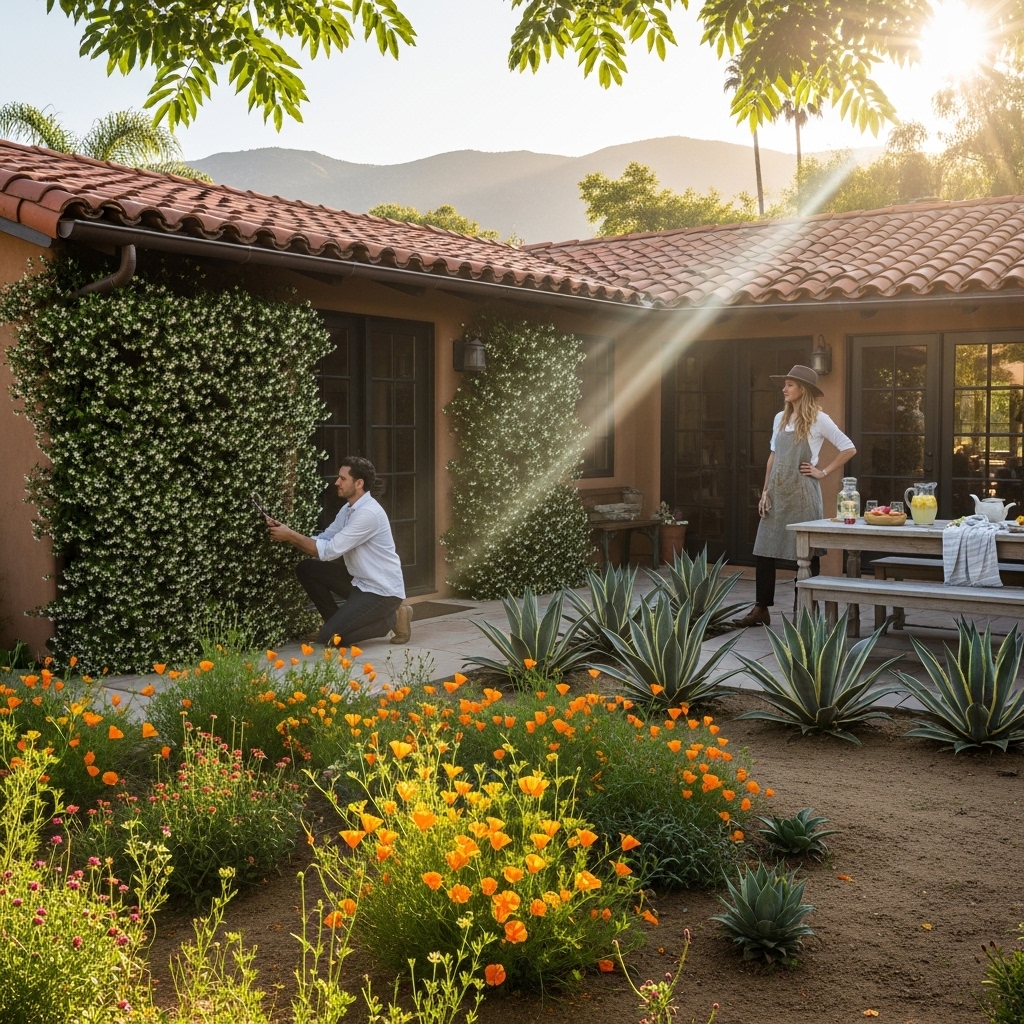
In California, plants should generally be placed at least 3 to 5 feet away from a house to ensure proper airflow and to minimize fire hazards. This distance can vary based on plant type, local regulations, and specific climate conditions.
Understanding Plant Proximity to Homes in California
The Importance of Plant Placement
When I first started gardening near my home in California, I quickly learned that the placement of plants can make or break my landscaping efforts. It’s not just about aesthetics; the distance between plants and a house can significantly affect both the health of the plants and the safety of my home. I remember getting overly excited about planting colorful flowers and lush shrubs, only to find out later that I had placed them too close to the foundation. This not only made maintenance difficult but also created potential risks for my home.
Proper plant placement is crucial for several reasons. First, it allows for adequate airflow, which reduces the risk of mold and mildew on both plants and the house itself. Second, keeping plants a safe distance from walls and windows prevents moisture buildup that can lead to structural damage over time. Lastly, in areas prone to wildfires, maintaining a defensible space around my home is essential for safety. I learned that a thoughtful approach to plant placement can enhance the beauty of my yard while ensuring the longevity of my home. Read Interesting article: Unlocking the Secrets: How Fast Do Valley Oak Trees Thrive in California Woodlands?
Factors Influencing Plant Distance from Homes
When considering how far to plant from the house, I found several factors come into play. The type of plants I choose, the local climate, and even the layout of my yard all influence where I can safely plant. For example, larger trees require more space due to their extensive root systems and canopy spread. I’ve seen trees planted too close to homes, leading to cracked foundations and damaged roofs. On the other hand, smaller shrubs or ornamental grasses can be placed closer to the house, provided they don’t obstruct airflow.
Additionally, I discovered that the slope of my yard affects plant placement. In California, especially in hilly regions, water runoff can carry soil and debris toward my home. I learned that positioning plants farther away can help prevent erosion and protect my foundation. Understanding my yard’s unique geography has been an essential part of my gardening journey.
Another factor that has influenced my plant placement decisions is the sun’s movement throughout the day. I’ve noticed that certain areas of my yard receive more sunlight, while others are shaded by trees. Placing sun-loving plants in those bright spots while ensuring that shade-tolerant varieties are closer to the house has led to healthier plants overall.
California Climate Considerations
Understanding USDA Hardiness Zones
California boasts a diverse range of climates, which is something I’ve come to appreciate as I’ve explored different gardening options. The USDA Hardiness Zones provide a helpful framework for understanding which plants can thrive in my region. I’ve learned to check the zone map to determine the best plants for my area, which has made a noticeable difference in my gardening success.
For example, I realized that while a tropical plant might flourish in Southern California, it would struggle in the cooler climates of Northern California. This understanding helps me choose plants that are not only beautiful but also suitable for my local conditions. Additionally, knowing my hardiness zone allows me to place plants closer to the house if they are known to be heat-tolerant and drought-resistant. Read Interesting article: The Carrotwood Tree: Weighing the Pros and Cons
Microclimates and Their Impact on Plant Growth
One of the most fascinating aspects of gardening in California is the concept of microclimates. I learned that even a small distance can create significantly different growing conditions. For instance, a sunny south-facing wall can heat up the area around it, making it an ideal spot for heat-loving plants. Conversely, shaded areas under large trees can be cooler and wetter, which suits shade-loving varieties.
Understanding these microclimates has allowed me to optimize my plant placement. I’ve experimented with various species, moving some plants closer to the house to take advantage of the warmth while keeping others in cooler spots. This trial-and-error approach has not only enhanced my garden’s beauty but also made it more resilient to fluctuating weather patterns.
In summary, learning about plant proximity to homes in California has been a journey filled with discovery. The importance of thoughtful plant placement, combined with an understanding of local climate and microclimates, has transformed my gardening experience. As I continue to refine my landscaping, I find joy in seeing how my choices affect the health of my plants and the safety of my home.
Common Plants and Their Spacing Requirements
Trees: Types and Recommended Distances
When I began choosing trees for my garden, I quickly realized they require special consideration in terms of spacing. Different types of trees have different needs, and placing them too close to my home could lead to some serious issues down the line. For instance, I learned that large shade trees like oaks or maples should ideally be planted at least 15 to 20 feet away from the house. This distance not only allows them to grow without risking damage to my roof or foundation but also enables their expansive canopies to thrive.
On the flip side, I found that smaller ornamental trees, like dogwoods or Japanese maples, can be planted much closer—around 6 to 10 feet from my home. This proximity works well for enhancing curb appeal without compromising the safety of my structure. I’ve noticed that understanding the growth habits of different trees helped me make better choices, ensuring my landscape flourished while still keeping my home secure.
Shrubs: Spacing Guidelines for Different Varieties
Shrubs are another essential component of my garden, but they come with their own spacing requirements. I remember the first time I planted a row of flowering shrubs near my home. I was so eager to create a vibrant display that I placed them much too close together. Over time, they overcrowded each other, leading to poor air circulation and unhealthy plants.
From my experience, a good rule of thumb is to space shrubs about 2 to 4 feet apart, depending on the variety. For larger, more mature shrubs, like hydrangeas or rhododendrons, I’ve found that spacing them at least 4 feet apart allows them to grow into their full glory without competing for resources. In contrast, smaller shrubs, such as dwarf varieties, can be placed closer together, around 2 feet apart, to create a fuller look.
I also learned that when positioning shrubs near my home, I should consider their height at maturity. Taller shrubs should be planted a little farther from the house to avoid blocking windows and creating maintenance challenges. This way, I can enjoy the beauty of my garden without sacrificing functionality.
Ground Covers: How Close Can They Be?
Ground covers have become one of my favorite landscaping features. They not only add beauty but also suppress weeds and prevent soil erosion. When I first started using ground covers, I was unsure how close I could plant them to my home. I learned that many ground cover plants, like creeping thyme or sweet woodruff, thrive when planted just a foot away from the foundation.
However, I discovered that I need to keep an eye on how these plants spread. Many ground covers can be quite aggressive, and if I’m not careful, they can encroach too much on my home’s structure over time. I’ve found that a distance of about a foot allows for a lush appearance while still keeping the area clean and manageable.
Understanding the specific growth patterns of each ground cover has been crucial in my gardening journey. By giving them enough space to spread without overwhelming my property, I’ve been able to create a beautiful carpet of greenery that complements my home.
Safety and Maintenance Concerns
Fire Safety Regulations in California
Living in California means I must always be aware of fire safety, especially when it comes to landscaping. I learned that maintaining a defensible space around my home is not just a recommendation but a necessity. The state has specific guidelines to help homeowners minimize fire hazards, which influence how I plant my garden.
For example, I’ve come to understand that keeping flammable vegetation at least 30 feet away from my home is essential in high fire-risk areas. This distance helps create a buffer zone that can slow or stop the spread of flames. I’ve also learned to choose fire-resistant plants, such as succulents, lavender, and certain native species, which can withstand heat better than traditional landscaping choices.
Regular maintenance is also crucial. I’ve taken it upon myself to regularly trim back any overgrown plants, clear away dead debris, and ensure that my yard remains tidy. I must admit, it feels good knowing that my efforts not only beautify my space but also contribute to the safety of my home and family.
Pest Control and Plant Positioning
Another aspect I’ve had to consider is pest control. I’ve noticed that certain plants attract pests that can become a headache if they get too close to my home. For instance, I learned that placing flowering plants near my entrance could attract bees, which are wonderful for the garden but can become a nuisance if they invade my living space.
By strategically placing plants, I’ve been able to create a natural barrier against pests. For example, I found that planting marigolds near other flowers helps deter aphids and other harmful insects. I now plan my plant placement to maximize the benefits while minimizing potential issues.
Additionally, keeping plants at a safe distance from my home allows me to inspect and maintain them more easily. It’s much simpler to monitor for pests and diseases when I don’t have to squeeze between the plants and my house. I’ve learned that thoughtful placement is as much about the health of the plants as it is about protecting my home.
Impact on Home Structure and Foundation
Finally, one of the most significant considerations I’ve encountered is the impact of plants on my home’s structure and foundation. I remember hearing stories of homeowners dealing with cracked foundations due to large trees planted too close to their homes. This made me acutely aware of the root systems of the plants I choose.
I now understand that large trees can have extensive root systems that may seek out moisture from nearby foundations, leading to potential damage. To prevent this, I make sure to keep trees at least 10 to 15 feet away from my home. I also pay attention to the types of shrubs and ground covers I plant, as some can have invasive roots that might pose a risk if placed too close.
This knowledge not only protects my home but also helps me create a healthy balance between my garden and my living space. I feel empowered knowing that my choices can lead to a flourishing garden while keeping my foundation safe and sound.
Local Regulations and Guidelines
City-Specific Planting Codes
As I delved deeper into my gardening journey, I quickly realized that local regulations play a huge role in how I can landscape around my home. Each city in California has its own set of planting codes that dictate what I can grow and where I can plant it. I remember feeling overwhelmed at first, trying to navigate the specific rules in my area. However, I discovered that checking with my local government or city planning department was a game-changer.
For example, I learned that some cities have restrictions on planting certain types of trees or plants that might pose invasive threats. This is especially important in California, where native ecosystems can be fragile. In my case, I found that my area had guidelines on how far specific tree species should be planted from sidewalks and utility lines. Knowing this not only helped me avoid fines but also ensured that my gardening efforts were beneficial to the local environment.
I also discovered that some cities offer incentives for planting drought-resistant landscaping, which encouraged me to incorporate more native plants into my garden. It felt great to contribute positively to the local ecosystem while also ensuring that my yard was compliant with regulations.
HOA Restrictions and Requirements
If you live in a neighborhood with a Homeowners Association (HOA), it’s crucial to understand their specific landscaping guidelines. I learned this lesson the hard way after planting several vibrant flower beds, only to receive a notice to remove them because they didn’t adhere to HOA standards. I felt frustrated at first, but this experience taught me the importance of checking HOA rules before making any changes to my garden.
Many HOAs have strict guidelines regarding plant types, colors, and even spacing. For instance, I found that my HOA required a minimum distance between certain types of plants and the property line to maintain a uniform look throughout the neighborhood. There are also restrictions on the use of non-native species, which can help preserve the characteristics of the area.
Understanding these requirements has allowed me to plan my garden more effectively. I’ve learned to select plants that not only fit my aesthetic preferences but also comply with HOA regulations. This has led to a more harmonious garden that fits well within my neighborhood while still reflecting my personal style.
Best Practices for Planting Near Homes
Choosing the Right Plants for Proximity
Choosing the right plants is one of the most rewarding parts of gardening. I’ve found that selecting plants based on their mature size and growth habits is vital for successful landscaping near my home. I remember when I first planted a row of beautiful flowering bushes that I thought would add color to my yard. However, I didn’t consider their potential size, and soon they were overshadowing my windows and blocking sunlight.
Now, I always do my research before planting. For instance, I’ve learned to favor slow-growing or compact varieties for areas closest to my home. By selecting plants that won’t outgrow their space, I can enjoy their beauty without worrying about potential issues down the line. I’ve also focused on incorporating native plants, which not only thrive in California’s climate but also require less maintenance and water.
Another tip I picked up is to consider the seasonal changes of the plants I choose. I like to have a mix of evergreen and seasonal flowers, ensuring that my garden remains visually appealing throughout the year. This variety keeps my yard lively and reduces the risk of having bare spaces when some plants go dormant. Read Interesting article: How to Make Zinnias Bushy? (Triple the Blooms)
Creating a Healthy Landscape Design
Creating a landscape design that promotes health and vitality has been an essential part of my gardening journey. I’ve learned that a well-thought-out design not only enhances the beauty of my home but also helps maintain the integrity of my plants. One of the first things I did was to create zones in my garden, grouping plants with similar water and sunlight needs together.
For example, I placed drought-tolerant plants in one area, while the moisture-loving plants found their home in another. This practice has minimized water waste and allowed me to focus my care efforts where they’re most needed. I remember when I neglected to group my plants correctly, leading to some areas being overwatered while others dried out. Now, I feel like I have a better handle on irrigation and maintenance.
Additionally, I’ve embraced the idea of layering my plants. Taller plants provide shade for shorter ones, creating a microenvironment that can help protect plants from the harsh California sun. I’ve seen how this approach not only adds depth and interest to my landscape but also helps promote overall plant health.
Maintaining Accessibility for Maintenance
One of the lessons I learned early on is the importance of accessibility when planting near my home. I remember struggling to reach some of my plants for routine care because I had placed them too close to the fence or walls. Now, I prioritize creating pathways that allow easy access for maintenance tasks like pruning, weeding, and pest control.
I’ve found that leaving sufficient space between plants and structures not only makes maintenance easier but also promotes better airflow around the plants. This approach has helped me prevent many issues, including mold and pests, that could arise from overcrowded conditions. I often leave at least 2 to 3 feet of space around larger plants to ensure I can properly tend to them without hassle.
Ultimately, I’ve come to appreciate that thoughtful planning and design can lead to a flourishing garden that enhances both the beauty of my home and the enjoyment I get from my outdoor space.
Frequently Asked Questions
What is the recommended distance for planting near a house in California?
Plants should generally be placed at least 3 to 5 feet away from a house to ensure proper airflow and minimize fire hazards. This distance can vary based on plant type, local regulations, and specific climate conditions.
Why is proper plant placement important?
Proper plant placement is crucial for ensuring adequate airflow, reducing the risk of mold and mildew, preventing moisture buildup that can lead to structural damage, and maintaining a defensible space around homes in areas prone to wildfires.
What factors influence how far plants should be from a house?
Factors influencing plant distance from homes include the type of plants chosen, local climate, the layout of the yard, the slope of the land, and the sun’s movement throughout the day.
How do USDA Hardiness Zones affect plant selection in California?
USDA Hardiness Zones help gardeners understand which plants can thrive in their region, allowing them to choose suitable plants based on local climate conditions, which can also dictate how close they can plant to their home.
What are microclimates and how do they affect plant growth?
Microclimates are small areas with significantly different growing conditions. For example, a sunny south-facing wall may be ideal for heat-loving plants, while shaded areas suit shade-loving varieties. Understanding microclimates helps optimize plant placement for better health and growth.
What are the spacing requirements for trees near homes?
Large shade trees like oaks or maples should ideally be planted at least 15 to 20 feet away from the house, while smaller ornamental trees, such as dogwoods or Japanese maples, can be planted 6 to 10 feet away.
What are the spacing guidelines for shrubs in a garden?
A good rule of thumb is to space shrubs about 2 to 4 feet apart, depending on their variety. Larger shrubs should be spaced at least 4 feet apart, while smaller dwarf varieties can be placed 2 feet apart.
How close can ground covers be planted to a house?
Many ground cover plants can thrive when planted about a foot away from the foundation. However, it is important to monitor their growth to prevent them from encroaching on the home’s structure.
What fire safety regulations should be followed when landscaping in California?
In high fire-risk areas, flammable vegetation should be kept at least 30 feet away from the home. Choosing fire-resistant plants and maintaining a tidy yard is also essential for minimizing fire hazards.
How can local regulations and HOA guidelines affect plant placement?
Local regulations vary between cities in California and may dictate what can be planted and where. Additionally, Homeowners Associations (HOAs) often have specific guidelines regarding plant types, colors, and spacing, which must be followed to maintain community standards.