
The ideal depth for planting potatoes is about 4 to 6 inches, which provides the best conditions for growth and helps prevent issues like rot. From my experience, getting this depth right can significantly improve your potato yield. For more details on this topic, you can read How Deep to Plant Potatoes for Best Growth.
Table of Contents
Understanding Potato Planting Depth
The Importance of Planting Depth
When I first started gardening, I quickly learned that the depth at which you plant your seeds can make a noticeable impact on their growth. For potatoes, this is especially true. Planting depth isn’t just a minor detail; it significantly affects how well the plants establish themselves and how productive they become. If you’ve ever grown potatoes, you know they can be somewhat finicky. Too shallow, and they may not develop properly; too deep, and they might rot or fail to emerge. I remember one year I planted them too shallow, and they ended up being a snack for hungry critters rather than a bountiful harvest!
How Depth Affects Growth and Yield
The depth at which you plant potatoes influences several factors, including moisture retention, root development, and exposure to pests. When planted at the correct depth, potatoes are less vulnerable to drying out and can access moisture in the soil more effectively. I’ve seen firsthand how a well-watered potato plant can flourish, producing larger and healthier tubers. Conversely, if they are planted too shallow, the soil may not retain enough moisture, leading to stunted growth and smaller yields. I once tried to plant them in a sandy area without considering how quickly it drained; let’s just say that was a lesson learned the hard way!
Another aspect to consider is how the depth can affect pest exposure. When I planted my potatoes at the recommended depth, I noticed that they were less susceptible to pests like cutworms, which tend to attack young seedlings. On the flip side, if they are buried too deep, they may struggle to break through the soil, leading to poor growth or even failure to sprout. This experience taught me to pay close attention to planting depth, as it could mean the difference between a fruitful harvest and a failed crop.
Ideal Depth for Planting Potatoes
General Guidelines for Planting Depth
So, how deep should you plant your potatoes? Generally, planting them 4 to 6 inches deep is the sweet spot. This depth allows for adequate growth while also providing enough soil to protect the developing tubers from sunlight, which can turn them green and make them toxic. The first time I planted potatoes, I followed this guideline, and it made a world of difference. The plants thrived, and I ended up with a fantastic harvest!
When planting, it’s also essential to space the seed potatoes adequately. I usually aim for about 12 inches apart in rows. This spacing allows each plant ample room to grow without competing for nutrients. I’ve found that overcrowding can lead to smaller potatoes, which is something I definitely want to avoid.
Factors Influencing Planting Depth
While 4 to 6 inches is a good general rule, several factors can influence how deep you should plant your potatoes. I always take these into account before I start my planting process. Let’s break these down.
Soil Type
The type of soil in your garden plays a significant role in determining the optimal planting depth. For example, I noticed that in heavy clay soils, I had to plant potatoes a bit deeper—about 6 inches—to ensure they had enough room to grow and avoid waterlogging. In contrast, sandy soil allows for shallower planting, as it drains well and doesn’t retain too much moisture. Understanding your soil composition can help you make the best decision for your plants.
Potato Variety
Different potato varieties have distinct growth patterns. Some, like fingerling potatoes, can do well with shallower planting depths, while larger varieties may require more depth. I’ve experimented with various types over the years, and I’ve seen how the depth can vary for each. It’s a good idea to research the specific needs of the variety you’re planting. I remember being fascinated by how certain varieties thrived in my garden while others just didn’t take off—depth was one of the factors I started to consider more seriously.
Climate Conditions
Climate also has a big impact on how deep you should plant your potatoes. In cooler climates, a slightly deeper planting depth can help protect the tubers from frost, while in warmer areas, planting shallower can prevent overheating and promote better growth. During my gardening adventures, I’ve had to adjust my planting habits based on the weather patterns in my area. I learned the hard way that what works in one season may not work in another, so keeping an eye on the climate conditions is crucial.
Step-by-Step Guide to Planting Potatoes
Preparing the Soil
Preparing the soil is one of the most important steps in planting potatoes. I like to start by clearing the area of any weeds or debris because competition can hurt your potato plants. Once the area is clear, I take the time to loosen the soil with a garden fork or tiller. This is crucial because well-aerated soil allows for better root development, which is something I’ve learned through trial and error. A couple of years back, I neglected this step and ended up with compacted soil that stunted my potato growth. Now, I always make sure to turn the soil and mix in organic matter like compost. This not only enriches the soil but also improves drainage, which is essential for healthy potatoes.
Choosing the Right Seed Potatoes
When it comes to choosing seed potatoes, I’ve found that quality makes a big difference. I always opt for certified seed potatoes rather than grocery store ones. Certified seed potatoes are disease-free and more likely to produce healthy plants. I usually buy them from local garden centers or trusted online retailers. When selecting, I look for potatoes that are firm and have several “eyes” or buds, as these will grow into new plants. In my experience, selecting the right seed potatoes can significantly enhance the overall yield, making it worth the extra effort. Read Interesting article: How to Plant Sweet Potatoes (Easy Step-by-Step)
Determining the Correct Depth
Once I’ve prepared the soil and chosen my seed potatoes, I focus on determining the correct depth for planting. This part can be a bit tricky, especially when I consider all the factors we discussed earlier. I always mentally reference that sweet spot of 4 to 6 inches, but then I also think about the specific conditions of my garden.
Standard Depth Recommendations
For most garden situations, sticking to the standard depth of 4 to 6 inches remains ideal. If the soil is well-draining and the weather is mild, I aim for the lower end of that range. However, if it’s a bit cooler or the soil is heavy, I usually plant at 6 inches. I remember one year, I followed this guideline precisely, and my potatoes thrived beautifully. I had so many that I ended up sharing with friends and neighbors!
Adjustments for Different Conditions
As I mentioned, the soil type and climate conditions can necessitate adjustments in planting depth. If I’m planting in a particularly sandy area that drains quickly, I might stick to 4 inches to ensure the tubers have enough moisture. On the other hand, in clay-heavy soils, I go deeper, often planting at 6 inches to avoid waterlogging. This flexibility has saved me from many gardening mishaps, and I can’t stress enough how important it is to observe your garden’s unique conditions.
Planting Techniques
Now that I have everything ready, it’s time to get the potatoes in the ground. I’ve experimented with a couple of different planting techniques over the years, and each has its own benefits. Here are my favorites:
Trenching Method
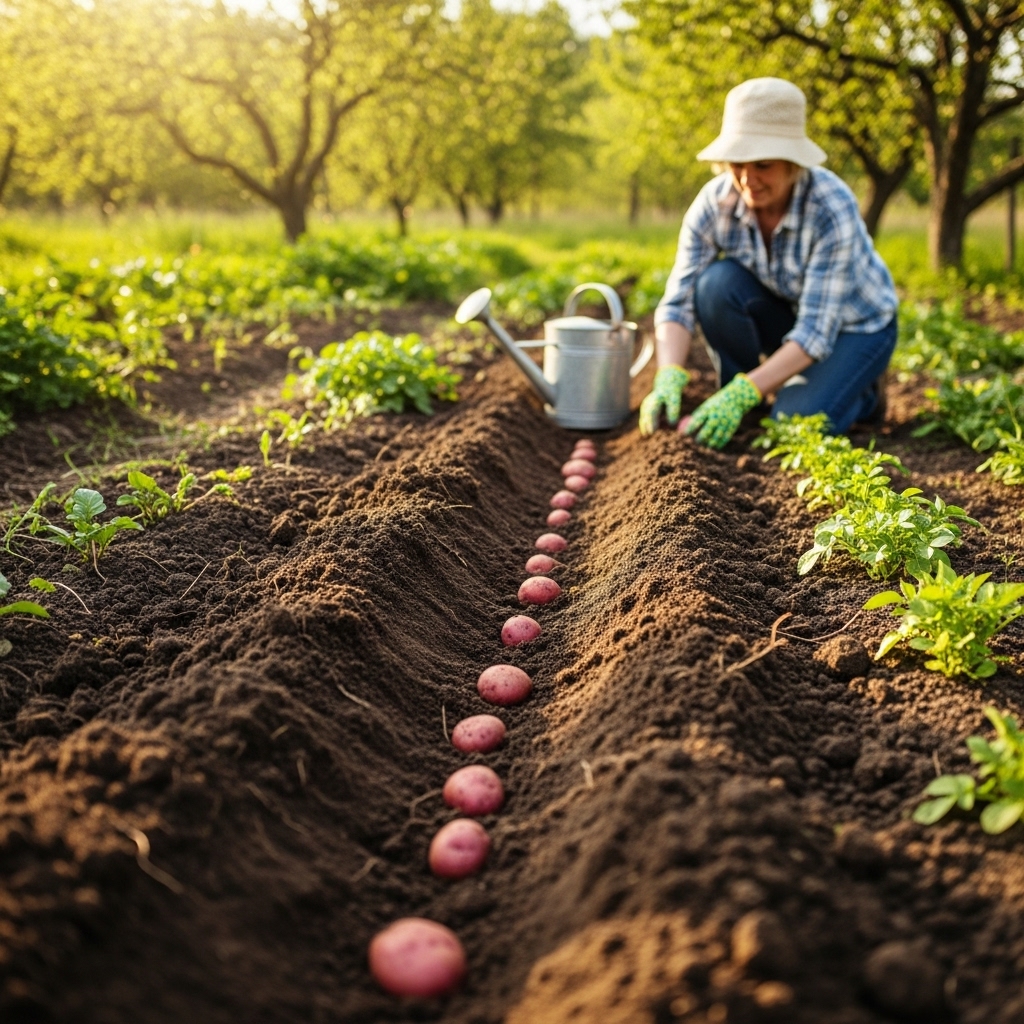
The trenching method is one of the most popular ways to plant potatoes. I dig a trench about 6 to 8 inches deep and place my seed potatoes inside, spacing them about 12 inches apart. After that, I cover them with soil. This method allows for easy hilling later on, which is something I always do as the plants grow. Hill up soil around the base as the stems grow to encourage more tuber production. I can’t tell you how many extra potatoes I’ve harvested just by using this technique!
Hill Method
The hill method is another fantastic option. Instead of digging a trench, I create small mounds or hills of soil about 8 inches high and then plant the seed potatoes on top. This method works well in areas where drainage is a concern. I’ve found that this approach helps the tubers stay dry and promotes healthy growth. After planting, I keep an eye on the hills and add more soil as the plants grow taller, ensuring the tubers are well covered.
Both methods have their merits, and I often switch between them depending on my garden conditions or the specific potato variety I’m planting. With a little practice, I’ve learned to adapt my planting techniques to suit my needs and, ultimately, boost my harvest. Each year brings new lessons, and I always look forward to applying what I’ve learned in the next planting season!
When to Plant Potatoes
Understanding Frost Dates
Timing is everything when it comes to planting potatoes. I’ve learned that understanding your local frost dates is crucial for a successful harvest. Typically, potatoes should be planted a couple of weeks before your last expected frost date in spring. This way, the seedlings can establish themselves before temperatures drop again. I remember a year when I got a bit too eager and planted my potatoes too early. A sudden frost wiped out my young plants, which was a tough lesson in patience!
To find your area’s average frost dates, I recommend checking local gardening resources or extension services. Many websites provide handy calendars based on your zip code, which can make planning your planting much easier. I always keep a calendar handy to note these dates, so I know exactly when to start prepping my soil and planting my seed potatoes. Read Interesting article: When to Plant Potatoes for Maximum Yield
Best Seasons for Planting
Generally, potatoes thrive in cool to moderate temperatures. Spring is usually the best time to plant, but I’ve found that the specific timing can vary depending on where you live. In most regions, late March to early May is the sweet spot. In warmer climates, I’ve even planted in the fall for a winter harvest, which can be quite rewarding!
The key is to pay attention to your local climate conditions. I often look for the soil temperature to be around 45°F to 50°F. This is when you’ll get the best germination rates. I’ve used a simple soil thermometer to check this, and it’s been invaluable in ensuring my planting schedule aligns with optimal growing conditions. Remember, potatoes don’t like to be planted in overly wet or cold soil, so timing your planting just right can lead to a healthier and more productive crop!
Common Mistakes to Avoid
Planting Too Shallow
One mistake I made early in my gardening journey was planting my potatoes too shallow. I thought I could save time by skipping a deep dig, but I quickly learned that this can lead to several problems, including poor growth and vulnerability to pests. When potatoes are not buried deep enough, they can be exposed to sunlight, which causes them to turn green and become toxic. Trust me; I had a few disappointing harvests before I figured this out!
To avoid this pitfall, I always remind myself to stick to that 4 to 6 inches depth rule, and I encourage others to do the same. I’ve seen my yields dramatically improve just by ensuring my seed potatoes are planted at the proper depth.
Planting Too Deep
On the flip side, planting too deep can also be a problem. I’ve made the mistake of burying my seed potatoes too far down, thinking they would be safer from pests. Unfortunately, this can lead to poor sprouting and root development. If the potatoes are too deep, they might struggle to push through the soil, which can delay growth significantly. I remember one year, I planted in a new section of my garden and buried the potatoes a whole 8 inches deep due to the loose soil. I ended up waiting weeks longer than expected for them to break through, and I was left feeling anxious about whether they would even sprout at all!
To find that balance, I always check my planting depth, making sure it’s within that ideal range. If I’m ever unsure, I dig down a bit to see how the soil feels and adjust my planting accordingly.
Ignoring Soil Conditions
One of the biggest blunders a gardener can make is ignoring the soil conditions. I’ve had my fair share of issues due to not testing or preparing the soil properly. Each type of soil behaves differently, and potatoes thrive best in loose, well-drained soil. I’ve tried to plant in compacted soil before, thinking I could make it work, and the results were disheartening. My plants struggled to grow and ended up with stunted tubers.
Now, I always test the soil before I plant, checking for drainage and texture. If the soil is heavy or clay-like, I’ll add compost or other organic matter to help improve its structure. This simple step has saved me so much hassle and has undoubtedly contributed to my success in potato gardening. I can’t stress enough how important it is to pay attention to what’s beneath the surface!
Post-Planting Care for Potatoes
Watering Techniques
After planting, my focus shifts to watering. Potatoes need consistent moisture, especially during the early stages of growth. I’ve found that keeping the soil evenly moist, but not soggy, is key. Too much water can lead to rot, while not enough can stunt growth. I usually check my soil regularly, sticking my finger in about an inch deep. If it feels dry, it’s time to water.
I’ve also learned that watering in the morning is best, allowing the plants to take in moisture before the heat of the day. I often set up soaker hoses or drip irrigation to ensure that I’m providing a steady supply of moisture without soaking the leaves, which can lead to disease.
Fertilization Tips
Potatoes appreciate nutrients, and I’ve found that a balanced fertilizer can really help promote healthy growth. After planting, I typically wait until the plants are about 6 inches tall before applying a fertilizer high in potassium, which supports tuber development. I remember the first time I tried fertilizing too early; it led to lush foliage but minimal tuber growth. Now, I’ve learned to be patient and apply nutrients at the right time. I usually reapply every few weeks until the plants start to flower, which signals that the tubers are developing well underground.
Pest and Disease Management
Finally, I always keep a close eye on pests and diseases. Potatoes can be susceptible to various issues, so regular inspections are a must. I check for signs of pests like aphids and Colorado potato beetles, and I’ve found that handpicking them off the plants can be effective. I also practice crop rotation to prevent disease build-up in the soil. I once neglected this, and it resulted in a disappointing crop due to blight. Now, I make sure to plan my garden layout in advance, rotating my crops every year to keep my potatoes healthy and thriving.
Frequently Asked Questions
What is the ideal depth for planting potatoes?
The ideal depth for planting potatoes is about 4 to 6 inches, which provides the best conditions for growth and helps prevent issues like rot.
How does planting depth affect potato growth?
Planting depth influences moisture retention, root development, and exposure to pests. Correct depth lessens vulnerability to drying out and improves access to moisture, leading to larger and healthier tubers.
What should I consider when determining planting depth for potatoes?
Factors influencing planting depth include soil type, potato variety, and climate conditions. Each of these factors can necessitate adjustments to the general recommendation of 4 to 6 inches.
How does soil type affect planting depth?
In heavy clay soils, potatoes may need to be planted deeper, around 6 inches, to avoid waterlogging, while sandy soils allow for shallower planting due to better drainage.
What are some common mistakes to avoid when planting potatoes?
Common mistakes include planting too shallow, which exposes potatoes to sunlight and can lead to greening, and planting too deep, which may result in poor sprouting and delayed growth.
When is the best time to plant potatoes?
Generally, potatoes should be planted a couple of weeks before the last expected frost date in spring, typically between late March and early May, though some may plant in the fall in warmer climates.
How should I prepare the soil before planting potatoes?
Preparing the soil involves clearing the area of weeds, loosening the soil with a garden fork or tiller, and mixing in organic matter like compost to improve drainage and enrich the soil.
What watering techniques are recommended for potatoes after planting?
Potatoes require consistent moisture, especially early in growth. Watering in the morning is best, and maintaining evenly moist soil without soaking the leaves is key to preventing rot.
What type of fertilizer should I use for potatoes?
A balanced fertilizer, particularly one high in potassium, should be applied after the plants reach about 6 inches tall to support tuber development. Reapplying every few weeks until the plants flower is recommended.
How can I manage pests and diseases in my potato garden?
Regular inspections for pests like aphids and Colorado potato beetles are essential. Handpicking pests and practicing crop rotation can help prevent disease build-up in the soil.