
Daffodil bulbs should be planted about 6 to 8 inches deep. This depth allows them to establish roots properly while ensuring they are protected from extreme weather conditions. Read Interesting article: How Deep to Plant Daffodil Bulbs: A Gardener’s Guide
Understanding Daffodil Bulbs
What Are Daffodil Bulbs?
I remember the first time I encountered daffodils – their bright yellow blooms swaying gently in the spring breeze instantly brightened my day. Daffodils, also known as Narcissus, are flowering plants that belong to the Amaryllidaceae family. They are among the first flowers to bloom in spring, signaling the end of winter. Daffodil bulbs are essentially the storage organs of the plant, containing all the nutrients needed for the flower to grow. When planted correctly, they can bring joy and color to our gardens year after year. How to Plant Daffodil Bulbs for Beautiful Blooms
Types of Daffodils
There are many types of daffodils, each with unique characteristics. I’ve noticed that the three primary groups include trumpet daffodils, large-cupped daffodils, and small-cupped daffodils. Trumpet daffodils are easily recognizable by their long petals and a trumpet-shaped center. They usually stand tall and proud in the garden. Large-cupped daffodils have a shorter cup compared to the petals, while small-cupped daffodils are delicate and charming. Understanding the different types can help you choose the right ones for your garden, especially when considering their planting requirements and blooming times.
Optimal Planting Depth for Daffodil Bulbs
General Guidelines for Planting Depth
Now, let’s dive deeper into the specifics of planting depth. For most daffodil bulbs, the rule of thumb is to plant them at a depth of 6 to 8 inches. This depth is crucial because it not only provides the bulbs with enough soil coverage to retain moisture but also protects them from extreme temperature fluctuations. I’ve learned from experience that planting too shallow can expose the bulbs to frost, while planting too deep may hinder their ability to break through the soil when it’s time to bloom.
Factors Influencing Planting Depth
While the 6 to 8-inch guideline is a great starting point, several factors can influence the ideal planting depth. I’ve come to realize that understanding these factors can make a significant difference in how well your daffodils thrive. When to Plant Daffodil Bulbs for Spring Blooms
Soil Type
The type of soil you have can greatly affect how deep you should plant your daffodil bulbs. For instance, if your soil is heavy clay, it tends to retain moisture, which can lead to bulb rot if planted too deep. In such cases, I recommend sticking closer to the 6-inch mark. On the other hand, if you have sandy soil that drains well, you might be able to plant a bit deeper, as the bulbs will have less risk of rot. Always consider the moisture retention of your soil before deciding on the exact depth.
Climate and Weather Conditions
Your local climate also plays a vital role in determining how deep to plant. In warmer climates, I’ve noticed that planting closer to 8 inches can help insulate the bulbs from heat. Conversely, if you live in a region with harsh winters, planting deeper can protect the bulbs from freezing temperatures. I remember one year, I lost a few bulbs because I underestimated the winter chill. Learning from that experience, I now always check the weather patterns before planting.
Bulb Size
Finally, the size of the bulbs themselves matters. Larger daffodil bulbs can be planted a bit deeper, around 8 inches, because they have more energy reserves to push through the soil. Smaller bulbs, however, should be planted at about 6 inches. I’ve found that paying attention to the size of the bulbs can lead to a more successful blooming season, as they tend to struggle if not planted according to their needs.
As I continue to experiment with planting daffodils, I’ve learned that the key to a flourishing garden lies in understanding these factors. By considering soil type, climate, and bulb size, I can ensure that my daffodils not only survive but thrive each spring. It’s all about finding that perfect balance to help them bloom beautifully year after year.
Step-by-Step Guide to Planting Daffodil Bulbs
Preparing the Soil
When it comes to planting daffodil bulbs, I’ve learned that preparing the soil is one of the most important steps. The right soil can make all the difference in how well your bulbs grow. I always start by clearing the area of any weeds, rocks, or debris that might hinder their growth. I remember one time I didn’t clear enough space, and it felt like the daffodils were in a constant battle with weeds for nutrients!
Next, I like to loosen the soil with a spade or garden fork, making sure it’s crumbly and well-aerated. If the soil feels compacted or heavy, I often mix in some compost or well-rotted manure. This not only enriches the soil with nutrients but also helps with drainage. I can’t emphasize enough how much healthier my daffodils looked after I started enriching the soil. They seemed to flourish in their new home!
Determining the Right Depth
Once the soil is prepared, it’s time to determine the right depth for planting. As I mentioned earlier, I generally stick to the 6 to 8 inches guideline, but this is where I also pay close attention to the specific conditions of my garden. I take a moment to assess the soil type and any other factors that may affect planting depth. This is a crucial stage; I remember feeling anxious the first time I planted bulbs, worried that I might not get it right. But soon enough, I found that taking my time and being deliberate led to beautiful blooms!
Planting Techniques
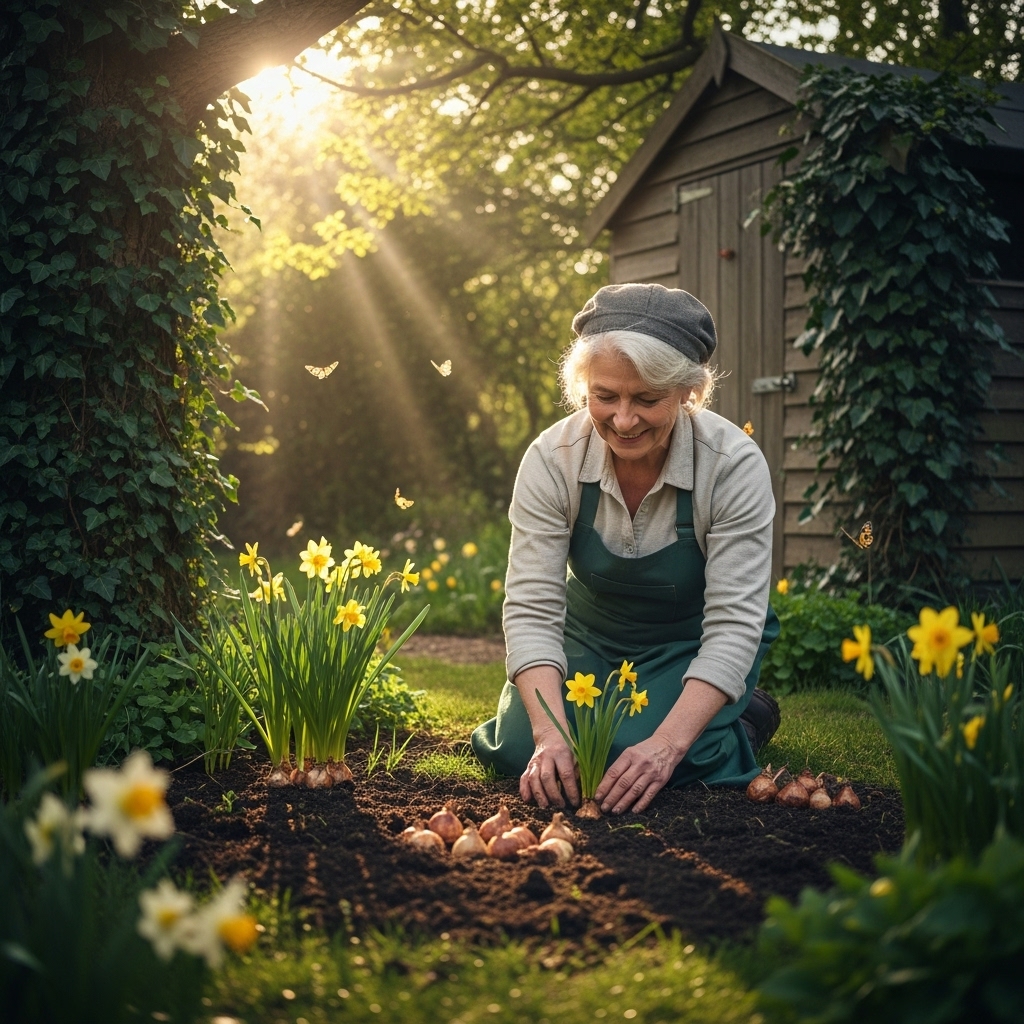
Now we get to the fun part: actually planting the bulbs! I usually create small holes or trenches in the soil where I want to place the bulbs. It’s a little like preparing a cozy bed for them. I make sure each bulb is placed at the correct depth, followed by gently covering them with soil. I’ve found that using my hands to cover the bulbs is the gentlest method, ensuring they’re well-protected.
Spacing Between Bulbs
One mistake I made early on was not spacing the bulbs properly. I remember how crowded my first batch of daffodils looked, and they didn’t bloom as well as I hoped. I typically space the bulbs about 4 to 6 inches apart, which allows them enough room to grow without competing for nutrients. It’s amazing how much better they thrived when I gave them a little personal space!
Orientation of the Bulbs
An important detail I once overlooked was the orientation of the bulbs. I’ve learned that daffodil bulbs have a pointy end and a flatter end. The pointy end should always face upwards! I’ve made the mistake of planting a few bulbs upside down, and while some still managed to grow, they struggled more than others. Taking a moment to check the orientation can save a lot of trouble down the line.
Common Mistakes When Planting Daffodil Bulbs
Planting Too Shallow
One of the biggest pitfalls is planting bulbs too shallow. I’ve done this before, thinking I was being cautious, but it led to my bulbs being vulnerable to frost and drying out. It’s a lesson learned: I now stick to the recommended depth and ensure they’re well covered. Watching them thrive in the spring sunshine is worth the effort!
Planting Too Deep
Conversely, I’ve also planted bulbs too deep in my quest for perfect soil coverage. I remember the frustration of waiting for them to bloom only to realize they were struggling to break through. I’ve learned to trust my instincts and the guidelines more carefully. Finding the right balance is key, and patience is a virtue in gardening.
Ignoring Soil Conditions
Lastly, ignoring the soil conditions can lead to disappointing results. I once planted daffodils in a spot that I thought was ideal, only to find out it was too compact and held too much moisture. The bulbs didn’t stand a chance! Now, I always take time to evaluate the soil and make necessary adjustments. This attention to detail can truly make or break your daffodil planting experience.
When to Plant Daffodil Bulbs
Best Time of Year for Planting
Finding the right time to plant is crucial in ensuring healthy blooms. I’ve found that the best time to plant daffodil bulbs is in the fall, about six weeks before the first frost. This gives them enough time to establish their roots before the ground freezes. I remember the excitement of fall planting, knowing that I was preparing for the colorful display of spring.
Signs of the Right Planting Season
I’ve learned to look for specific signs that indicate it’s time to plant. The air starts to cool, and leaves begin to change color. When the weather feels consistent and mild—around 50°F (10°C) during the day—I know it’s time to get my hands in the dirt. It feels so rewarding to prepare for the upcoming blooms, and I get a little thrill thinking about how beautiful my garden will look come spring!
Care and Maintenance After Planting
Watering Practices
Once I’ve planted my daffodil bulbs, I feel a sense of relief and excitement. However, I know the journey doesn’t end there. One of the most important aspects of ensuring healthy blooms is proper watering. After planting, I always give the bulbs a good soak to help settle the soil around them. It’s like giving them a warm welcome into their new home!
In general, daffodils don’t need a lot of water, especially once they’re established. I’ve learned that overwatering can lead to rot, so I usually wait until the top couple of inches of soil is dry before giving them another drink. If you’re in a particularly wet climate, you might even find that nature takes care of this for you. During dry spells in spring, I keep a close eye on the soil moisture and ensure they receive a little extra love. It’s amazing how a little attention can encourage those vibrant blooms!
Fertilization Tips
Fertilizing is another key component of daffodil care that I’ve come to appreciate. I remember my first year of planting. I was so eager for blooms that I didn’t realize the importance of nutrition. After a little research and advice from fellow gardeners, I’ve adopted a few simple practices that have made a noticeable difference.
In the fall, before planting, I generally mix in some slow-release bulb fertilizer into the soil. This gives the bulbs a nutrient boost just when they need it most. I’ve found that fertilizers high in phosphorus—like bone meal—really help support root development. In the spring, once the shoots have emerged, I give them another light feeding with a balanced fertilizer to encourage growth. Just remember, moderation is key! Too much fertilizer can do more harm than good.
Mulching and Weed Control
Mulching has become one of my favorite gardening practices, especially for daffodil bulbs. I discovered that adding a layer of mulch after planting can help retain moisture and regulate soil temperature. I typically use organic mulch, like shredded leaves or straw, which breaks down over time and enriches the soil. It’s like giving my daffodils a cozy blanket to snuggle into during the colder months.
Weed control is another critical aspect I’ve learned to prioritize. Weeds can be pretty relentless and will compete with my daffodils for nutrients and water. I remember the early days when I thought a few weeds wouldn’t hurt; boy, was I wrong! Now, I make sure to regularly check for any unwanted greenery creeping into my garden beds. Hand-pulling weeds when they’re small has worked wonders for me. It’s a bit of extra effort, but the payoff in healthier blooms is absolutely worth it.
Frequently Asked Questions (FAQs)
How Deep Should Daffodil Bulbs Be Planted?
This is a common question I hear from fellow gardeners. As I mentioned earlier, the general guideline is to plant daffodil bulbs about 6 to 8 inches deep. However, it’s essential to consider factors like soil type, climate, and bulb size to find the perfect depth for your specific situation.
Can Daffodil Bulbs Be Planted in Containers?
Absolutely! I’ve had a fantastic experience growing daffodils in containers. They can bring a lovely splash of color to patios or balconies. Just be sure to choose a container that is at least 8 to 10 inches deep, and use well-draining soil. I always make sure to water them properly and provide enough sunlight, and they’ve been just as stunning as those planted directly in the ground!
What Happens if Daffodil Bulbs Are Planted Incorrectly?
If daffodil bulbs are planted incorrectly, it can lead to a variety of issues. Bulbs planted too shallow may be vulnerable to freezing temperatures, while those planted too deep might struggle to reach the surface. I’ve experienced both scenarios myself. The key is to monitor your bulbs and adjust as needed. If you notice they aren’t sprouting, it’s worth checking the depth and conditions!
How Long Do Daffodil Bulbs Take to Bloom?
Typically, after planting in the fall, I can expect my daffodils to start blooming in early spring, usually about 6 to 8 weeks after they begin to emerge. It’s such a thrill to see those first green shoots breaking through the soil, and the wait is always worth it when those bright yellow flowers finally open up! Each spring, I find myself eagerly anticipating that moment, and it never disappoints.