
The best depth for planting garlic is about 2 to 4 inches, depending on the soil conditions and climate. My experiences in the garden have shown that the right planting depth can significantly influence the size and yield of your garlic harvest. Read Interesting article: How to Plant and Harvest Garlic (Complete Guide)
Table of Contents
Understanding Garlic Planting Depth
Importance of Planting Depth for Garlic
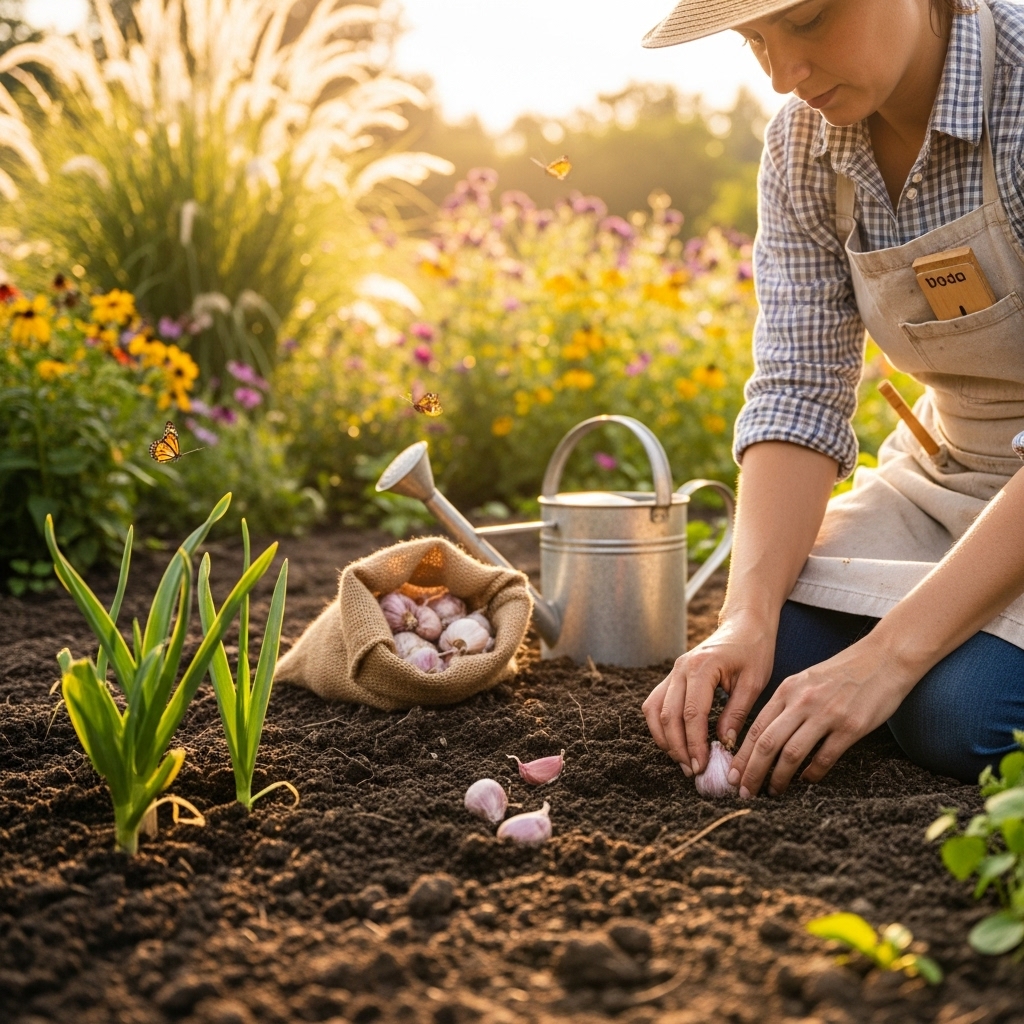
When I first started growing garlic, I quickly learned that the depth at which I planted my cloves could make a world of difference. Garlic is a unique plant that responds quite favorably to specific planting conditions, and planting depth is one of the most critical factors. If you plant too shallow, the cloves may not develop properly, and if you go too deep, they may struggle to push through the soil. Finding that sweet spot is essential for a big, healthy harvest.
How Depth Affects Growth and Yield
As I delved deeper into the art of garlic cultivation, I realized how planting depth is closely linked to growth and yield. Garlic cloves need to be deep enough to protect them from extreme temperatures and pests. However, if they are buried too deep, they might take longer to sprout, which can delay growth. The ideal depth allows for a balance where the cloves are shielded yet can sprout quickly. In my garden, I’ve noticed that cloves planted at the optimal depth tend to produce larger bulbs and healthier plants overall. It’s fascinating how something as simple as depth can have such a profound impact on the outcome of our gardening efforts.
Optimal Depth for Planting Garlic
General Guidelines for Planting Depth
In my experience, a general rule of thumb for planting garlic is to place the cloves about 2 to 4 inches deep. This range works well for most soil types and climates. If I’m planting in loose, sandy soil, I tend to lean towards the shallower end of that range. On the other hand, in heavier soils, especially clay, I find that planting closer to 4 inches helps to ensure that the cloves are well-protected and able to grow without issues. I’ve also observed that planting depth can even influence the flavor of the garlic, which is something I never expected!
Factors Influencing Planting Depth
As I continued my garlic-growing journey, I discovered that several factors influence how deep I should plant my cloves. Understanding these can help you fine-tune your planting strategy for the best results.
Soil Type and Texture
The type of soil in my garden has always played a huge role in determining how deep I plant my garlic. For instance, in sandy soils, I’ve noticed that the cloves can be planted a little shallower since the soil drains well and warms up quickly. However, in clay soils, which retain moisture and can be quite dense, I prefer to dig a bit deeper. This helps prevent the cloves from rotting, which has been a problem I’ve faced in the past.
Climate and Weather Conditions
The climate also heavily influences planting depth. In areas with harsher winters, I’ve learned that planting deeper can provide the garlic with extra insulation from freezing temperatures. Conversely, in milder climates, a shallower planting can encourage quicker sprouting in the spring. Over the years, I’ve adapted my planting depth based on the forecast, and it has paid off with healthier plants.
Garlic Variety Differences
Not all garlic varieties are created equal! I’ve experimented with several types, including hardneck and softneck garlic, and found that their planting preferences can differ. Generally, hardneck varieties, which are known for their robust flavor, can be planted at a slightly deeper depth compared to softneck garlic. Each variety has its needs, so I recommend checking specific guidelines for the type you choose to plant. It’s been enlightening to see how these differences can impact growth and yield.
Preparing Garlic for Planting
Selecting the Right Garlic Bulbs
When I prepare to plant garlic, the first step is choosing the right bulbs. I always opt for organic, disease-free bulbs from reputable sources. In my experience, I’ve found that the quality of the bulbs can influence the overall health of the plants. I tend to select larger cloves because they often yield bigger bulbs. It’s like choosing the best seeds for a garden—they set the stage for what’s to come.
Preparing the Soil
Preparing the soil is another crucial step I never overlook. Healthy soil leads to healthy garlic plants. I make sure to enrich my soil with compost and organic matter, ensuring it’s well-draining yet rich in nutrients. This preparation has made a noticeable difference in my garden.
Soil Testing and Amendments
I recommend testing your soil if you can. I’ve done this in the past, and it’s helped me understand what amendments I needed. If my soil lacks certain nutrients, I add specific fertilizers or amendments to create an ideal environment for my garlic. It’s about setting the right stage for success.
Soil Drainage Considerations
Good drainage is something I’ve learned to prioritize. Garlic doesn’t like “wet feet,” so ensuring the soil drains well is paramount. In my garden, I often add organic matter to improve drainage, especially in areas where water tends to pool. This has reduced the risk of rot and improved my overall yields.
Techniques for Planting Garlic
Planting Methods
When it comes to planting garlic, I’ve found that there are a few methods to choose from, each with its own pros and cons. Personally, I’ve experimented with both direct sowing and transplanting, and each has its place depending on my garden’s needs.
Direct Sowing vs. Transplanting
Direct sowing, as I’ve come to appreciate, is the more straightforward approach. It involves planting the garlic cloves directly into the soil where they will grow. This method has worked well for me, especially when planting in the fall. The cloves settle in and can establish themselves over the winter months. I remember the first time I tried this method; I felt a sense of accomplishment seeing those green shoots breaking through the soil in early spring.
Transplanting, on the other hand, is the method I turn to when I want to ensure a head start for my garlic. This involves starting the cloves indoors or in a controlled environment before moving them into the garden. I’ve found that this technique allows for better control over the early growth conditions, leading to healthier plants. However, it does require a bit more effort and planning. I recommend this method for anyone aiming for an early harvest or in regions with less predictable spring weather.
Spacing Between Cloves
Something I’ve learned over the years is the importance of spacing between cloves. I tend to plant my garlic cloves about 6 to 8 inches apart. This distance allows each plant enough room to grow without competing for nutrients and sunlight. When I first started, I was a bit too eager and planted them a little too close together, which resulted in smaller bulbs. Once I adjusted my spacing, I noticed a remarkable improvement in the size and quality of my garlic. So, if you’re planting, give those cloves some breathing room!
Tools and Equipment Needed
Having the right tools can make all the difference when planting garlic. I’ve gathered a few essentials that I always keep handy during planting season.
- Garden Trowel: A sturdy trowel is a must-have. I use mine to dig holes for planting and to amend the soil. It’s amazing how much easier it makes the process.
- Rake: I’ve found that a rake is incredibly useful for leveling the soil and breaking up any clumps. A smooth surface makes for better planting conditions.
- Measuring Tape: To ensure proper spacing, I keep a measuring tape close by. It helps me mark out rows and make sure everything is evenly spaced.
- Gardening Gloves: While they may seem like a small detail, good gloves protect my hands and make the whole experience more enjoyable.
These tools have become my trusted companions in the garden. Investing in quality equipment has saved me time and effort and has made my planting experience much more enjoyable.
Timing Your Garlic Planting
Best Seasons for Planting Garlic
Timing is everything when it comes to planting garlic. Over the years, I’ve learned that the best time to plant garlic is in the fall, about 4 to 6 weeks before the ground freezes. I remember the first time I planted in the fall; it felt a bit strange to be thinking about garlic while other plants were winding down for the season. But this timing allows the cloves to establish roots before winter. In the spring, I’ve also tried planting, but I found that fall-planted garlic tends to produce a more robust yield.
How Timing Affects Growth and Harvest
The timing of planting garlic not only affects its growth but also its overall health and the timing of the harvest. I noticed that fall-planted garlic often matures earlier than spring-planted garlic. This can make a big difference in climates with short growing seasons. When I plant in the fall, I’m usually harvesting my garlic around mid to late summer, which is something I really look forward to. It feels rewarding to reap the benefits of my careful planning and timing.
In addition to the season, I also keep an eye on soil temperature. Garlic prefers cooler soil to establish itself properly. I try to plant when the soil temperature is around 50°F (10°C). This ensures that my cloves can take root without the stress of summer heat.
Post-Planting Care for Garlic
Watering Practices
Once I’ve planted my garlic, I realize that the care I provide during the growing season is just as vital as the planting itself. Watering is one of those key practices I pay close attention to. Garlic loves moisture, but it also doesn’t want to sit in waterlogged soil. I’ve learned to keep the soil consistently moist, especially during the early growth stages. This is when the roots are establishing, and they need that gentle hydration to thrive.
In my experience, I try to water deeply but infrequently. This means giving my garlic a good drink when the top inch of soil feels dry. I usually aim for about an inch of water per week, which can include rainfall. If we haven’t had rain, I make it a habit to meander through the garden with my watering can or hose and ensure my garlic is getting what it needs. I remember one year when I neglected the watering; my garlic didn’t develop to its full potential, and I learned my lesson the hard way!
Fertilization Requirements
Fertilization is another aspect that I’ve found can really make a difference in the quality of my garlic. Garlic is a heavy feeder, meaning it benefits from additional nutrients throughout its growing season. After planting, I typically apply a balanced fertilizer to give the cloves a good start. I prefer using organic options like compost or well-rotted manure, which not only provide nutrients but also improve soil structure.
As the garlic grows, I usually perform a second round of fertilization in the spring when the plants start to show vigorous growth. I’ve discovered that side-dressing with a nitrogen-rich fertilizer helps encourage larger bulb development. It’s fascinating how just a bit of extra care can lead to such a noticeable increase in yield and bulb size. I often find myself excited as I watch the green shoots flourish, knowing that I’ve set the stage for a bountiful harvest.
Pest and Disease Management
Keeping my garlic healthy means being vigilant about pests and diseases. I’ve run into several issues over the years, from pesky insects to fungal diseases. Early on, I made it a point to regularly inspect my garlic plants for any signs of trouble. I’ve learned to recognize the common pests, like aphids and thrips, and treat them promptly with organic insecticidal soap or neem oil, which I find effective without harming beneficial insects.
Diseases can be a bit trickier. I’ve encountered issues like white rot and downy mildew in my garden. To prevent these, I focus on crop rotation and good air circulation around my garlic plants. I often remind myself not to plant garlic in the same spot year after year. Instead, I rotate it with crops that aren’t susceptible to the same diseases. This practice has greatly helped in keeping my garlic healthy and disease-free.
Another vital lesson I’ve learned is to avoid overhead watering. Instead, I prefer to water at the soil level to minimize the risk of fungal diseases. By being proactive and taking care of my plants, I’ve been able to enjoy healthier garlic and better yields. I feel like a proud gardener when I see my garlic thriving, and it’s all thanks to the diligent care I put into it!
Harvesting Garlic
Signs That Garlic is Ready to Harvest
The anticipation of harvesting garlic is something I look forward to each year. I’ve discovered that there are specific signs to watch for that indicate it’s time to pull those bulbs from the ground. Generally, I know garlic is ready when the lower leaves start turning yellow and browning. I usually see about half of the leaves still green while the rest are dying back. It’s like nature’s signal that my hard work is about to pay off!
In my experience, I’ve also found that the timing can vary based on the variety I’m growing. Hardneck garlic typically matures earlier than softneck. I remember one year, I got a bit too eager and harvested too soon, resulting in smaller bulbs. Now, I’m more patient and wait for the right signs before I dig them up. It’s all about timing, and I’ve learned that the best garlic is worth the wait!
How Planting Depth Affects Harvest Timing
Interestingly, I’ve also noticed that the depth at which I plant my garlic can affect when I should harvest it. Garlic planted at the ideal depth tends to mature more uniformly. I’ve found that if I plant too shallow, the bulbs may not develop as well, leading to varied maturity times. This year, I made sure to stick to the optimal depth, and I was thrilled to see that my harvest was more consistent.
Best Practices for Harvesting Garlic
When it comes time to harvest, I’ve developed a few best practices that help me get the most out of my garlic. I like to use a garden fork to carefully lift the bulbs from the ground, being cautious not to damage them. I remember the first time I tried to pull them out by hand, and I ended up breaking a few cloves off. Now, I gently loosen the soil around the bulbs before pulling them up.
After harvesting, I always let my garlic cure in a cool, dry place for a couple of weeks. This process allows the flavor to develop and the skins to harden, making them easier to store. I’ve learned that proper curing is vital for extending the shelf life of my garlic. It’s exciting to see my efforts rewarded with beautiful, healthy bulbs ready for use in the kitchen or for sharing with friends and family. Read Interesting article: How to Plant Sweet Potato Slips for Bigger Harvest
Frequently Asked Questions
What is the best depth for planting garlic?
The best depth for planting garlic is about 2 to 4 inches, depending on the soil conditions and climate.
How does planting depth affect garlic growth and yield?
Planting depth is critical as it influences the protection of cloves from extreme temperatures and pests. The optimal depth allows for a balance where cloves are shielded yet can sprout quickly, leading to larger bulbs and healthier plants.
What factors should be considered when determining garlic planting depth?
Factors influencing planting depth include soil type and texture, climate and weather conditions, and the specific garlic variety being planted.
How does soil type influence garlic planting depth?
Sandy soils allow for shallower planting since they drain well and warm up quickly, while clay soils require deeper planting to prevent cloves from rotting.
When is the best time to plant garlic?
The best time to plant garlic is in the fall, about 4 to 6 weeks before the ground freezes, as this timing allows the cloves to establish roots before winter.
What watering practices should be followed after planting garlic?
Garlic should be kept consistently moist, especially during early growth stages. Water deeply but infrequently, aiming for about an inch of water per week.
What are the fertilization requirements for garlic?
Garlic is a heavy feeder and benefits from additional nutrients throughout the growing season. A balanced fertilizer is typically applied after planting and again in the spring to encourage larger bulb development.
How can pests and diseases be managed in garlic cultivation?
Regularly inspecting garlic plants for pests and treating them with organic insecticidal soap or neem oil can help manage issues. Crop rotation and good air circulation also prevent diseases.
What signs indicate that garlic is ready to harvest?
Garlic is ready to harvest when the lower leaves start turning yellow and browning, with about half of the leaves still green. Timing can vary based on the variety being grown.
What best practices should be followed when harvesting garlic?
Use a garden fork to carefully lift the bulbs from the ground, avoiding damage. After harvesting, let the garlic cure in a cool, dry place for a couple of weeks to extend shelf life and develop flavor.