
Farmers play a crucial role in helping plants grow by using a variety of proven methods that enhance crop production and maintain healthy ecosystems. Their practices not only ensure food security but also support sustainable agriculture.
Understanding the Role of Farmers in Agriculture
The Importance of Farmers in Food Production
As someone who has spent time around farms, I’ve always been amazed by the dedication farmers put into nurturing plants and producing food. Farmers are the backbone of our food system, responsible for growing everything from fruits and vegetables to grains and livestock. They study the land, the climate, and the plants themselves to find the best ways to cultivate and harvest crops. Without farmers, our plates would look quite different! Read Interesting article: Pruning Almond Trees for Sustainable Farming Practices
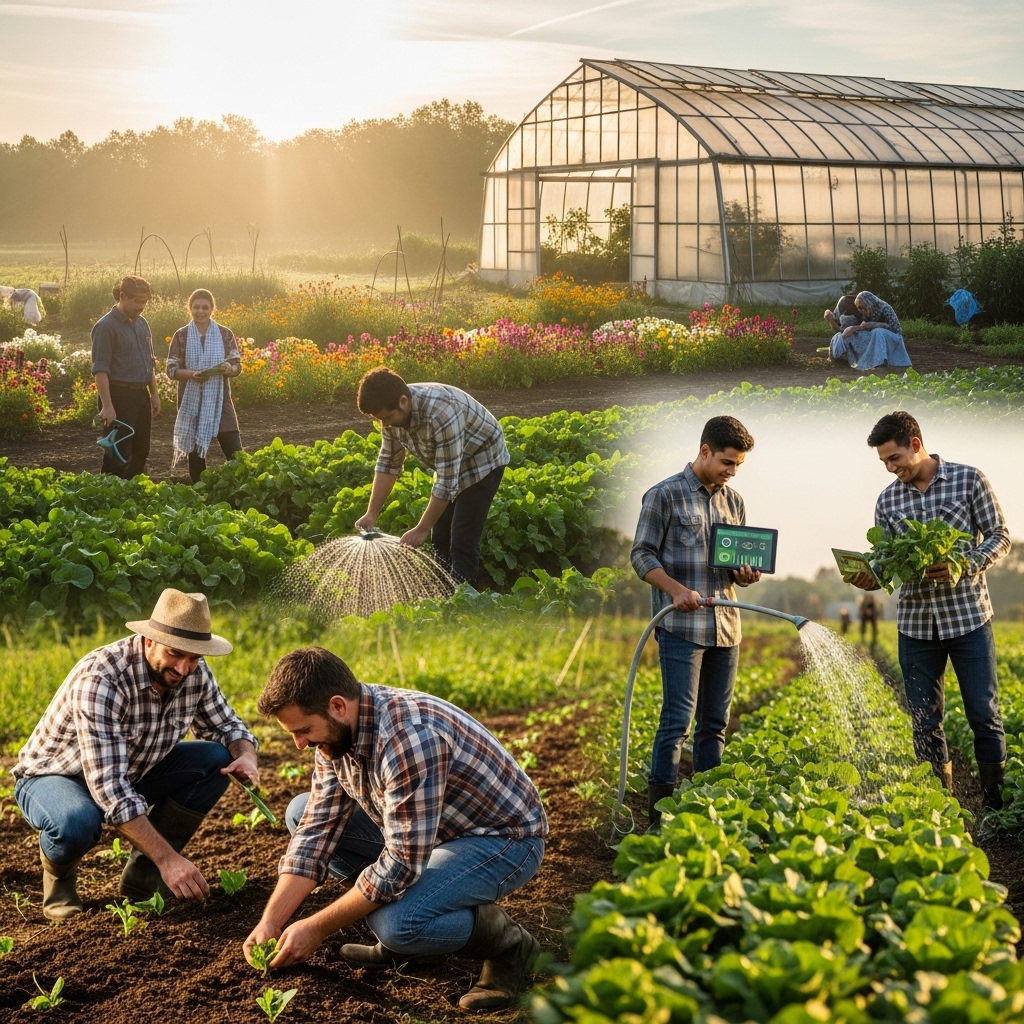
When I first visited a local farm, I was struck by how much knowledge and skill went into every step of the farming process. Farmers must manage planting times, soil conditions, and pest control effectively to ensure a successful harvest. This knowledge comes not only from books and research but also from generations of experience passed down through families. I remember chatting with a farmer who explained how he learned to read the signs of nature, like when to plant based on the changing seasons. It’s a blend of science and intuition that truly fascinates me.
Farmers’ Impact on Ecosystems
Farmers do more than just grow crops; they also play an integral role in maintaining the balance of ecosystems. I’ve come to realize that farming has a ripple effect on the environment. Healthy farming practices can improve soil health, increase biodiversity, and even help combat climate change. For instance, when farmers use sustainable practices like cover cropping and crop rotation, they not only protect their soil from erosion but also enhance its fertility.
During my explorations, I noticed that many farmers are increasingly adopting eco-friendly methods. They understand that healthy soil leads to healthy plants and, ultimately, a healthier environment. I remember visiting an organic farm where they emphasized the importance of companion planting, which involves growing different plants together to naturally repel pests and promote growth. This practice not only supports plant health but also encourages beneficial insects, creating a vibrant ecosystem on their farm. Read Interesting article: Moth Caterpillars: The Amazing Larvae Behind the Moths!
Proven Farming Methods to Help Plants Grow
Soil Preparation Techniques
When it comes to helping plants grow, soil preparation is one of the first and most crucial steps I’ve learned about. Good soil is the foundation of successful farming. Farmers often start with soil testing and analysis to understand the nutrients present and any deficiencies that need addressing. I remember the first time I saw a farmer take a soil sample and send it off for testing. It felt a bit like a scientist preparing for an experiment, and it made me realize how much care goes into every decision they make.
Soil Testing and Analysis
Soil testing is essential because it provides valuable information on pH levels and nutrient content. Farmers can then make informed decisions about what amendments to add, whether it’s lime to increase alkalinity or compost to boost organic matter. I’ve seen firsthand how this meticulous attention to soil quality can lead to better crop yields. For example, a neighbor of mine began to test his soil regularly, and after adjusting his practices based on the results, he saw a marked improvement in his tomato harvests.
Crop Rotation Practices
Another fascinating aspect of soil preparation is crop rotation. This method involves alternating the types of crops grown in a particular area from season to season. I learned that rotating crops can naturally replenish soil nutrients and help prevent pests and diseases that affect specific plants. Farmers often keep detailed records of which crops they planted where and when, ensuring that they maintain balance in their fields. I’ve seen my friend’s farm transform after several years of rotating crops, leading to healthier plants and less reliance on chemical fertilizers.
Water Management Strategies
Water management is another significant area where farmers use proven methods to help plants thrive. I’ve come to appreciate the importance of water conservation in farming, especially in regions where water is scarce. Effective irrigation systems can make a big difference in crop health and sustainability.
Drip Irrigation Systems
One method I find particularly interesting is drip irrigation, which delivers water directly to the plant roots. This technique minimizes water waste and ensures that plants receive the hydration they need without overwatering. I remember visiting a farm that had installed a drip irrigation system, and I could see how efficiently they were using water. The plants looked vibrant and healthy, and it was clear that the farmer had made a smart investment in sustainable practices.
Rainwater Harvesting Techniques
Farmers are also getting creative with rainwater harvesting techniques. Collecting rainwater for irrigation not only conserves water but also helps reduce reliance on municipal supplies. I’ve seen examples of farmers setting up simple rain barrels or more complex systems to capture and store rainwater. It’s inspiring to see how these methods can lead to greater sustainability and resilience, especially in the face of changing weather patterns.
Fertilization Practices
The right fertilization practices are vital in helping plants grow strong and healthy. I’ve discovered that the debate between organic and synthetic fertilizers is quite lively among farmers. Each type has its pros and cons, and personal preference often plays a significant role in a farmer’s choice.
Organic vs. Synthetic Fertilizers
Organic fertilizers, such as compost and manure, improve soil structure and provide essential nutrients over time. I’ve seen farmers who swear by organic methods and how their crops flourish due to the rich, living soil they cultivate. On the other hand, synthetic fertilizers can provide quick nutrient boosts but may lead to long-term soil health issues if overused. It’s a balancing act that I find fascinating, as farmers strive to find what works best for their specific situations.
Composting Methods
Composting is a method that combines sustainability with fertilization. I’ve enjoyed experimenting with composting at home, and it’s incredible to see how kitchen scraps transform into nutrient-rich soil. Farmers who compost can reduce waste and enhance their soil health simultaneously. I’ve met farmers who have developed elaborate composting systems, turning everything from crop residues to food waste into valuable resources for their fields.
Pest and Disease Management
Pest and disease management is another area where farmers demonstrate impressive skills. I’ve learned that protecting crops from pests and diseases is essential for maintaining healthy plants and maximizing yield.
Integrated Pest Management (IPM)
One approach I find particularly effective is Integrated Pest Management (IPM). This method combines biological, cultural, and chemical practices to control pests in a sustainable manner. I remember visiting a farm that utilized IPM strategies, including planting pest-resistant varieties and introducing beneficial insects like ladybugs. The farmer explained how this holistic approach reduced pesticide use and resulted in healthier plants. It was a real eye-opener to see how interconnected everything is in farming.
Biological Control Methods
Biological control methods involve using natural predators to manage pest populations. I’ve seen how farmers introduce beneficial insects to combat pests, which can be a more environmentally friendly option than chemical treatments. It’s like a mini-ecosystem on the farm, where different species work together to maintain balance. I remember being amazed at how a simple change in strategy could lead to a healthier farm overall.
I’m excited to delve deeper into the innovative farming techniques, traditional practices, and challenges that farmers face in helping our plants grow. There’s so much to learn and appreciate in the world of agriculture!
Innovative Farming Techniques
Hydroponics and Aquaponics
One of the most exciting developments in agriculture that I’ve come across is hydroponics. This method involves growing plants in a nutrient-rich water solution without soil. I remember visiting a hydroponic farm and being amazed by the rows of leafy greens thriving in bright, controlled environments. The farmer explained how she could grow crops year-round, regardless of the weather outside. It was incredible to see how technology can create a sustainable and efficient system for food production.
Aquaponics takes hydroponics a step further by integrating fish farming into the system. The waste from the fish provides nutrients for the plants, while the plants help filter and clean the water for the fish. I found this symbiotic relationship fascinating! It reminded me of a small ecosystem where everything has its role. Seeing this innovation in action made me appreciate how farmers are finding creative solutions to address food production challenges, especially in urban areas where space is limited.
Vertical Farming Approaches
Vertical farming is another innovative method that I find particularly intriguing. By growing crops in stacked layers, often indoors, farmers can maximize their yield while minimizing land use. I visited a vertical farm that utilized LED lights and climate control to create ideal growing conditions. It was like stepping into a science fiction movie! The efficiency of this approach is striking, as it allows for fresh produce to be grown right in the heart of cities, reducing transportation costs and environmental impact.
What’s even more impressive is how many vertical farms use hydroponics or aeroponics, which further conserves water. This method not only addresses the growing demand for food but also aligns with sustainable practices, making it a win-win for the environment and the community. I believe that as urban populations continue to rise, vertical farming will play a key role in ensuring food security.
Permaculture Principles
Permaculture is a philosophy I’ve grown to admire for its holistic approach to farming. It emphasizes working with nature rather than against it. I was lucky enough to attend a workshop on permaculture design, where we learned about creating self-sustaining ecosystems. The idea is to mimic natural ecosystems, which promotes biodiversity and resilience in agricultural systems.
During the workshop, I learned about techniques like planting perennials that can provide food year after year without needing to be replanted. The focus on native plants and companion planting helps to create a balanced environment where pests are controlled naturally. I’ve seen farmers implement these practices and noticed how their fields transformed into vibrant, productive spaces that not only yield crops but also support local wildlife. This approach resonates with my belief that we should honor the natural world while producing food.
Traditional Farming Practices Still in Use
Conventional Tillage vs. No-Till Farming
When I first learned about tillage practices, I found the contrast between conventional tillage and no-till farming fascinating. In conventional tillage, farmers plow the soil to prepare it for planting, which can lead to soil erosion and loss of nutrients. I remember watching a farmer explain the dust clouds that rose during tilling and how it can harm the soil structure over time.
No-till farming, on the other hand, involves leaving the soil undisturbed. This method helps maintain soil health by preserving its structure and improving water retention. I had the chance to visit a no-till farm where the soil was rich and dark, teeming with life. The farmer shared how this practice not only benefited the crops but also reduced labor and fuel costs. It was inspiring to see how traditional practices could be adapted to create a more sustainable future in farming.
Heirloom Seed Preservation
Heirloom seeds hold a special place in my heart. These seeds have been passed down through generations, often selected for their unique flavors and resilience. I visited a local seed bank where they were dedicated to preserving heirloom varieties that might otherwise be lost. It was like stepping into a treasure trove of history!
Farmers who use heirloom seeds often find that these plants are better adapted to their local environments. I met a farmer who relied on these seeds for his vegetable stand, and he passionately described the rich flavors and stories behind each variety. It reminded me that farming is not just about production; it’s about heritage, culture, and connecting with our roots.
Community Supported Agriculture (CSA)
Community Supported Agriculture, or CSA, has become a wonderful way for farmers and consumers to connect. I joined a local CSA last summer, and it was a delightful experience. Each week, I received a box of fresh, seasonal produce directly from a nearby farm. Knowing where my food came from and having a direct relationship with the farmer was rewarding.
CSAs help support farmers financially by providing them with funds upfront for the season. I noticed that this model allows farmers to focus on growing healthy food without the stress of fluctuating market prices. It’s also a great way for consumers to learn about seasonal eating and discover new vegetables. I believe this approach fosters a sense of community and encourages sustainable practices, as both farmers and consumers are invested in the health of their local food system.
Frequently Asked Questions
What role do farmers play in food production?
Farmers are the backbone of our food system, responsible for growing a variety of crops including fruits, vegetables, grains, and livestock. They utilize their knowledge of land, climate, and plants to cultivate and harvest crops effectively.
How do farmers impact ecosystems?
Farmers maintain the balance of ecosystems by adopting healthy farming practices that improve soil health, increase biodiversity, and combat climate change. Techniques like cover cropping and crop rotation protect soil from erosion and enhance its fertility.
What is the importance of soil preparation in farming?
Soil preparation is crucial for successful farming as good soil is the foundation for plant growth. Farmers conduct soil testing and analysis to understand nutrient levels and make informed decisions about soil amendments.
What are the benefits of crop rotation?
Crop rotation helps replenish soil nutrients and prevents pests and diseases by alternating the types of crops grown in a specific area from season to season. This practice leads to healthier plants and reduces reliance on chemical fertilizers.
What is drip irrigation, and why is it used?
Drip irrigation is a water management technique that delivers water directly to plant roots, minimizing water waste and ensuring plants receive adequate hydration without overwatering. It is an efficient method for maintaining crop health.
What are organic and synthetic fertilizers, and how do they differ?
Organic fertilizers, such as compost and manure, improve soil structure and provide essential nutrients over time, while synthetic fertilizers offer quick nutrient boosts but may harm soil health if overused. Farmers often choose based on personal preference and specific needs.
What is Integrated Pest Management (IPM)?
Integrated Pest Management (IPM) is a sustainable approach to pest control that combines biological, cultural, and chemical practices. It includes strategies like planting pest-resistant crops and introducing beneficial insects to reduce pesticide use.
What is hydroponics, and how does it work?
Hydroponics is a method of growing plants in a nutrient-rich water solution without soil, allowing for year-round cultivation regardless of external weather conditions. It is an innovative solution for sustainable food production.
What is community-supported agriculture (CSA)?
Community Supported Agriculture (CSA) is a model where consumers purchase shares of a farm’s harvest upfront, providing farmers with financial support. This relationship fosters community connection and promotes seasonal eating.
How does no-till farming benefit the soil?
No-till farming preserves soil structure and improves water retention by leaving the soil undisturbed. This practice helps maintain soil health and reduces erosion, benefiting both crops and the environment.