
Nuclear power plants generate electricity by harnessing the energy released from nuclear fission reactions, primarily using uranium or plutonium as fuel. This process creates heat that is used to produce steam, which drives turbines to generate electricity.
Understanding Nuclear Energy
What is Nuclear Energy?
Nuclear energy is the energy released during nuclear reactions, specifically through the process of nuclear fission or fusion. In fission, the nucleus of an atom splits into smaller parts, releasing a significant amount of energy. I find it fascinating how such a small amount of fuel can produce so much energy. Just a few grams of uranium can generate as much energy as several tons of coal. This efficiency is one of the reasons nuclear energy is a key player in the quest for sustainable power solutions. Read Interesting article: Indian Tree Growth Rate for Diverse Regional Climates
History of Nuclear Energy Development
The development of nuclear energy has an intriguing history dating back to the early 20th century. It all began with the discovery of radioactivity by Henri Becquerel in 1896, followed by Marie Curie’s work on radioactive elements. Fast forward to the 1930s, and scientists like Enrico Fermi were experimenting with nuclear fission. I remember reading about how the first controlled nuclear chain reaction took place in 1942 under the stands of the University of Chicago’s Stagg Field. This monumental moment laid the groundwork for the first nuclear reactors and, eventually, power plants. The first commercial nuclear power plant, Calder Hall in the UK, opened in 1956, marking a new era in energy generation.
Components of a Nuclear Power Plant
Nuclear Reactor
The heart of a nuclear power plant is the nuclear reactor, where the fission process occurs. In my experience learning about reactors, I found it fascinating that they can be designed in various ways, but most use fuel rods containing uranium-235 or plutonium-239. When these atoms are bombarded with neutrons, they split, releasing energy in the form of heat. The reactor also contains control rods made of materials that absorb neutrons, allowing operators to control the rate of the reaction. I remember watching a documentary where the operators explained how crucial these control rods are for maintaining safe and stable reactions.
Steam Generator
Once the reactor generates heat, that heat needs to be transferred to water to create steam. This is where the steam generator comes into play. In pressurized water reactors (PWRs), the heat from the reactor is used to heat a secondary water system in the steam generator. I learned that this separation is vital because it prevents the radioactive water from mixing with the steam that will drive the turbines. The process is a bit like boiling water on a stove: the heat from the burner creates steam, but the water itself doesn’t need to be contaminated.
Turbine
The steam produced in the steam generator is directed to turbines, which are massive devices that convert steam energy into mechanical energy. I remember the first time I saw a turbine up close at a power plant tour; its size was mind-blowing. As the steam spins the turbine blades, it creates rotational energy. This mechanical action is similar to how a pinwheel spins when blown by the wind, but on a much larger scale. Turbines in nuclear power plants can spin at thousands of revolutions per minute, generating a significant amount of energy.
Generator
Attached to the turbine is the generator, which transforms the mechanical energy into electrical energy. When the turbine spins, it turns the generator’s rotor, which is surrounded by magnets. This movement creates an electromagnetic field that produces electricity. I’ve always found it amazing how such a complex system, with so many moving parts, works together seamlessly to provide us with power. It feels like a well-choreographed dance of engineering and physics!
Cooling System
A cooling system is essential in a nuclear power plant to manage the heat produced during the fission process and to condense steam back into water. In many plants, cooling towers are a familiar sight, releasing steam into the atmosphere. I think it’s fascinating to see how these structures serve a dual purpose: cooling the system and adding to the unique skyline of power plants. The cooling water is often sourced from nearby rivers or lakes, and it’s crucial for preventing overheating of the reactor. I’ve learned that maintaining the right temperature is vital for both safety and efficiency in energy production.
How Nuclear Power Plants Generate Electricity
Nuclear Fission Process
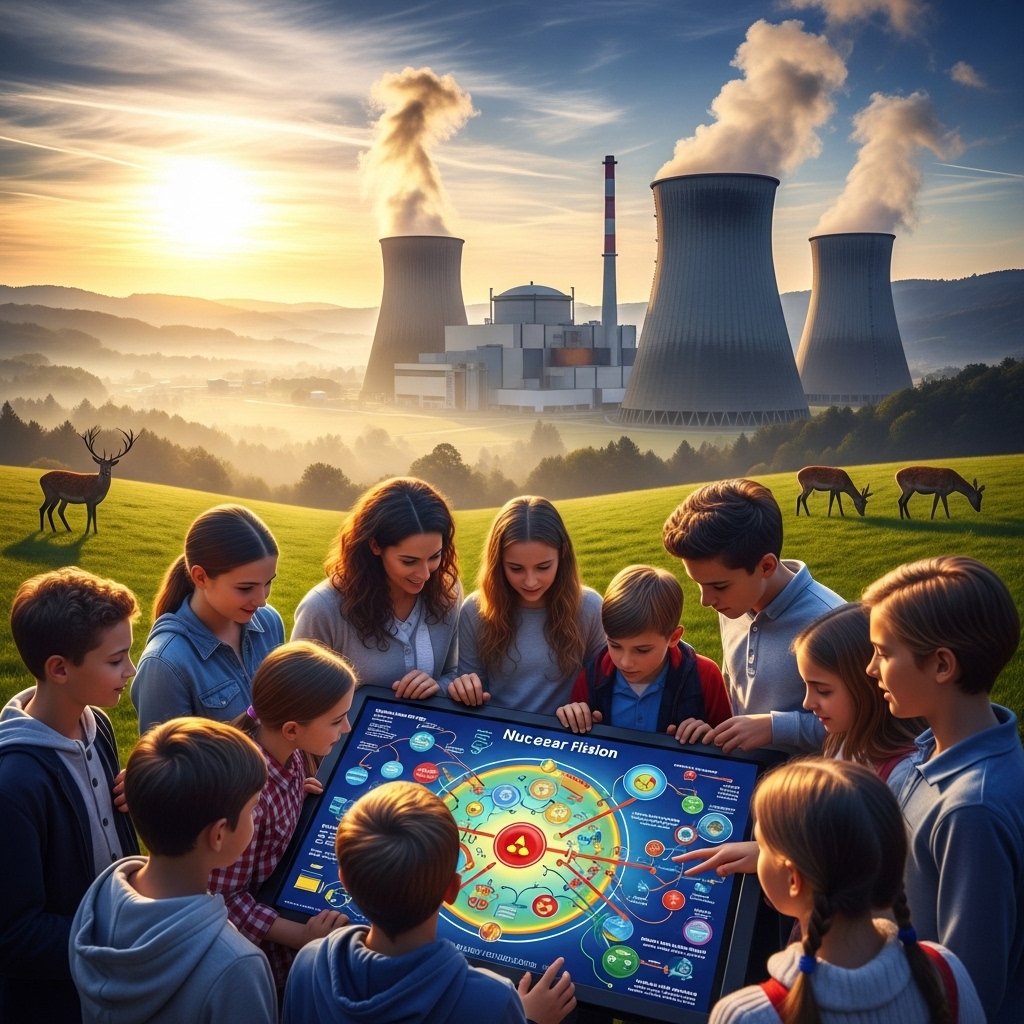
The process of nuclear fission is where the magic happens. It all begins when a uranium or plutonium atom absorbs a neutron, causing it to become unstable and split into two smaller atoms, known as fission products. This reaction releases a large amount of energy in the form of heat, along with more neutrons that can induce further fission reactions. I’ve read that this chain reaction is self-sustaining, meaning that once it starts, it can continue as long as there is enough fuel and the conditions are right. Understanding this process really made me appreciate the intricacy and power of atomic energy.
Heat Production and Transfer
The heat produced in the reactor needs to be efficiently transferred to the water used for steam generation. This is primarily done through a heat exchanger system, where the reactor heats the primary coolant, which then transfers that heat to the secondary coolant in the steam generator. I remember being surprised by how much engineering goes into ensuring that the heat transfer is effective while keeping the radioactive materials contained. This careful design helps maintain operational safety and efficiency throughout the plant.
Steam Production and Electricity Generation
As the heated water in the steam generator turns into steam, it is directed to the turbines, where it expands and creates mechanical energy. This mechanical energy is then converted into electrical energy by the generator, completing the cycle. I always find it gratifying to think about how the energy we use for our daily lives ultimately comes from this complex but fascinating process. It’s like connecting the dots between the atoms in the reactor and the electricity that powers our homes, making it all feel interconnected. Read Interesting article: Banyan Tree Growth Rate and Lifespan in Urban Parks
Safety Measures in Nuclear Power Plants
Containment Structures
When I first learned about nuclear power plants, one of the aspects that struck me most was their focus on safety, particularly the containment structures. These robust barriers are designed to prevent the release of radioactive materials into the environment, even in the event of an accident. I always imagined these structures as strong fortresses, built to withstand extreme conditions, including earthquakes and hurricanes. Made from thick steel and reinforced concrete, they encase the reactor and other critical components. I remember watching a documentary where engineers discussed the design process, emphasizing that these structures are often built to be several feet thick. It gives me a sense of security knowing there’s such a rigorous system in place to protect both the public and the environment.
Emergency Cooling Systems
Another vital safety feature that I found fascinating is the emergency cooling systems. These systems kick in if there’s a failure in the primary cooling system, which could happen due to various reasons, like a power loss. I learned that they can utilize backup pumps and water supplies to keep the reactor core cool, preventing overheating and potential meltdowns. During my research, I came across stories of how these systems were tested in simulations, and it was reassuring to see how thoroughly prepared they are for emergencies. The ability to react fast and effectively is crucial, and I feel comforted knowing that these plants have multiple layers of protection built into their design.
Regulatory Oversight and Inspections
Regulatory oversight plays a significant role in ensuring safety at nuclear power plants. Government agencies, like the U.S. Nuclear Regulatory Commission (NRC), are responsible for setting safety standards and conducting regular inspections. I found it interesting to read about how these agencies work closely with plant operators to ensure compliance with safety regulations. Inspections can be quite thorough, covering everything from equipment functionality to emergency preparedness. I remember reading an account from a former inspector who described spending weeks at a time assessing various aspects of a plant. It’s clear that there’s a commitment to safety that involves not just the technology, but also the people who operate the plants. I believe that this regulatory framework helps foster a culture of safety and transparency, which is crucial for public trust.
Advantages of Nuclear Power
Low Greenhouse Gas Emissions
One of the most compelling benefits of nuclear power, in my opinion, is its low greenhouse gas emissions. Unlike fossil fuels, which release carbon dioxide and other harmful gases into the atmosphere, nuclear energy generation produces minimal emissions during operation. I’ve seen studies that highlight how, over its lifecycle, nuclear power plants contribute significantly less to global warming compared to coal or natural gas plants. For someone like me who cares about environmental issues, this is a huge plus. It feels like a step in the right direction for combating climate change, allowing us to produce energy while being mindful of our planet’s health.
High Energy Density
Another advantage that really resonates with me is the high energy density of nuclear fuel. As I mentioned earlier, just a small amount of uranium can produce an immense amount of energy. This efficiency means that nuclear power plants require less fuel compared to traditional energy sources. I learned that a single pellet of uranium can generate as much electricity as a ton of coal! This high energy density not only reduces the volume of fuel needed but also minimizes the waste produced. It’s astonishing to think that a relatively small amount of material can power our homes, schools, and businesses for extended periods.
Base Load Power Generation
Nuclear power also provides consistent and reliable base load electricity. This means that it can generate a steady supply of energy to meet the minimum demand on the grid, regardless of weather conditions. I remember when I attended a seminar about energy sources, and the speaker emphasized how critical base load power is for grid stability. Unlike renewable sources like solar or wind, which can fluctuate based on conditions, nuclear power plants can operate continuously. This reliability is essential for maintaining a stable energy supply, especially as we move towards a future that heavily relies on electric energy. Knowing that nuclear plants can step in to provide consistent power gives me confidence in our energy infrastructure. Read Interesting article: Lemon Tree Growth Rate From Seed To Fruiting
Challenges and Concerns of Nuclear Power
Nuclear Waste Management
Despite the many advantages, there are significant challenges associated with nuclear power, particularly nuclear waste management. I’ve learned that spent nuclear fuel remains radioactive for thousands of years, and figuring out how to store it safely is a daunting task. I remember reading about Yucca Mountain in Nevada, which was proposed as a long-term storage site, but the project has faced numerous setbacks and controversies. It’s a complex issue that raises questions about environmental safety, public health, and the responsibility of future generations. I often wonder how we can strike a balance between harnessing the benefits of nuclear energy and ensuring that we manage its byproducts responsibly.
Risk of Accidents
The potential risk of accidents is another concern that many people have when it comes to nuclear power. High-profile incidents like Chernobyl and Fukushima have left a lasting impact on public perception. I can understand why these events cause fear and skepticism. When I learned about the safety measures in place, I felt reassured, but I also recognize that no system is infallible. The industry continually strives to improve safety protocols, but the memory of past accidents lingers. I believe it’s essential to foster open discussions about these risks and work towards enhancing safety even further.
Public Perception and Acceptance
Public perception plays a crucial role in the future of nuclear power. Many people hold strong opinions about it, often influenced by historical events and media portrayals. I’ve seen how this divide can affect policy and investments in nuclear technology. It’s important to address these concerns through education and transparency. I think that when people are informed about the safety measures, environmental benefits, and advancements in technology, it could lead to a more balanced view of nuclear energy. Engaging communities in conversations about their concerns is vital for building trust and acceptance.
The Future of Nuclear Power
Advancements in Nuclear Technology
Potential for Small Modular Reactors (SMRs)
Nuclear Power and Renewable Energy Integration
Frequently Asked Questions
What is nuclear energy?
Nuclear energy is the energy released during nuclear reactions, specifically through nuclear fission or fusion. In fission, the nucleus of an atom splits into smaller parts, releasing a significant amount of energy.
How do nuclear power plants generate electricity?
Nuclear power plants generate electricity by harnessing the energy released from nuclear fission reactions. The heat produced from fission creates steam, which drives turbines to generate electricity.
What are the main components of a nuclear power plant?
The main components of a nuclear power plant include the nuclear reactor, steam generator, turbine, generator, and cooling system. Each component plays a crucial role in the process of generating electricity.
What is the role of the nuclear reactor in a power plant?
The nuclear reactor is the heart of a nuclear power plant where the fission process occurs. It contains fuel rods made of uranium-235 or plutonium-239 and control rods that manage the reaction rate.
What safety measures are in place at nuclear power plants?
Nuclear power plants implement several safety measures, including containment structures to prevent the release of radioactive materials, emergency cooling systems to maintain reactor core temperature, and regulatory oversight by government agencies.
What are the advantages of nuclear power?
The advantages of nuclear power include low greenhouse gas emissions, high energy density of fuel, and the ability to provide consistent base load power generation, making it a stable energy source.
What challenges are associated with nuclear power?
Challenges associated with nuclear power include nuclear waste management, as spent nuclear fuel remains radioactive for thousands of years, and the potential risk of accidents, which can impact public perception and acceptance.
How does the nuclear fission process work?
Nuclear fission occurs when a uranium or plutonium atom absorbs a neutron, causing it to split into two smaller atoms and releasing a large amount of energy in the form of heat, along with more neutrons that can induce further fission reactions.
What is the significance of containment structures in nuclear power plants?
Containment structures are crucial for safety as they prevent the release of radioactive materials into the environment, even in the event of an accident. They are designed to withstand extreme conditions and are made from thick steel and reinforced concrete.
Why is public perception important for the future of nuclear power?
Public perception is important because it influences policy and investments in nuclear technology. Addressing concerns through education and transparency can lead to a more balanced view of nuclear energy and foster trust and acceptance in communities.