
Plants grow through a process that involves water, sunlight, nutrients, and air, allowing them to transform into larger, more complex structures. My curiosity about how plants grow began when I first tried my hand at gardening, and I was amazed by the science behind it. Read Interesting article: Why Observing Plant Growth Matters (Easy Explanation)
Understanding Plant Growth
What is Plant Growth?
Plant growth refers to the increase in size and mass of a plant over time. This process is not just about getting taller but also involves the development of roots, leaves, stems, and flowers. I remember my first plant, a small seedling, and how it transformed into a robust little entity with vibrant leaves. It’s incredible to think that this growth is a result of various biological processes working together. Just like us, plants go through stages in their life cycle, and understanding these stages helped me appreciate their beauty and complexity.
The Importance of Plants in Our Ecosystem
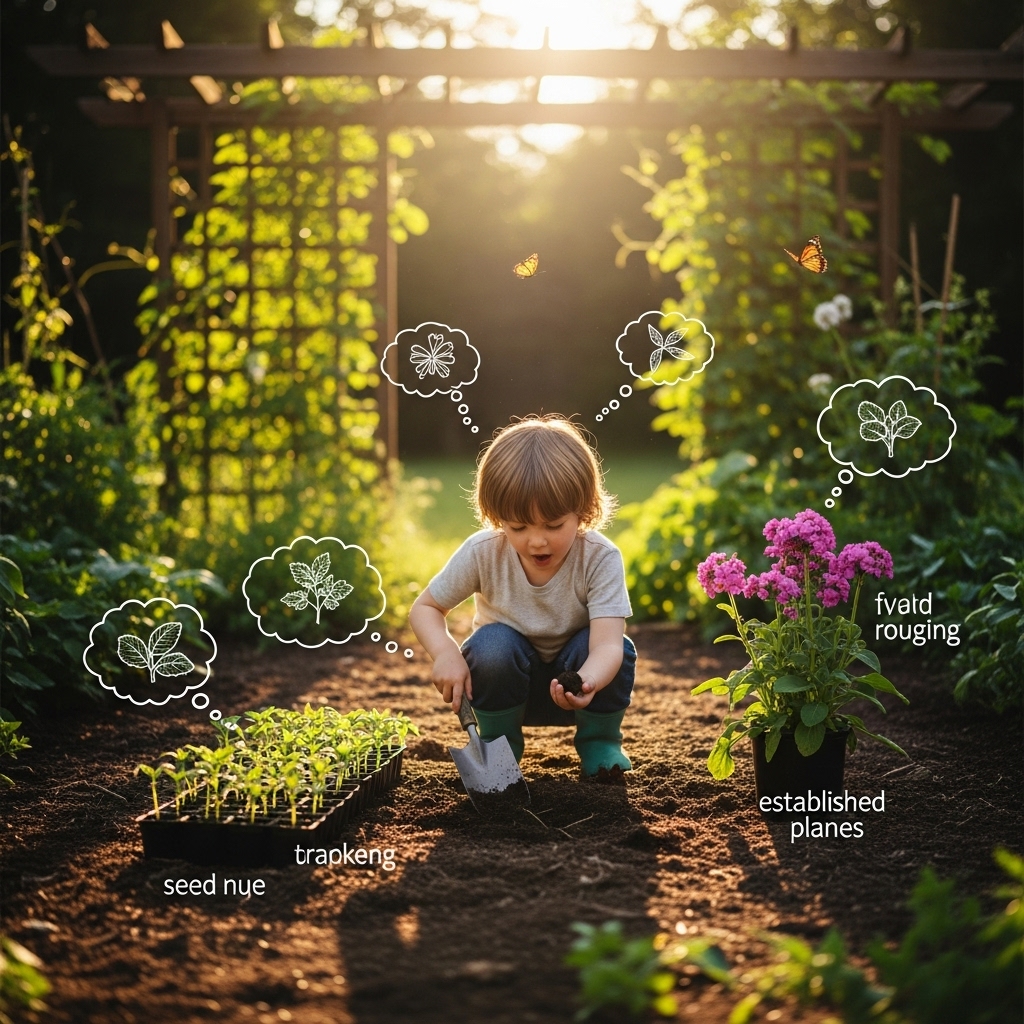
The role of plants in our ecosystem is vital. They produce oxygen through photosynthesis, which is essential for most living organisms, including us. I often think about how each breath I take is connected to a tree or flower somewhere. Additionally, plants provide food, shelter, and habitat for countless creatures. During one of my hikes, I was struck by how different plants supported different species of birds and insects, creating a bustling community. Plants help in preventing soil erosion, regulating the water cycle, and even influencing the climate. This interconnectedness is a beautiful reminder of how everything in nature works together, and it sparked my passion for learning more about plant biology. Read Interesting article: Do Plants Have Cell Walls? Quick Answer Explained
Key Factors in Plant Growth
Photosynthesis
Photosynthesis is the heart of plant growth. It’s the process through which plants convert sunlight into energy, using carbon dioxide from the air and water from the soil. I remember watching a documentary about how plants absorb sunlight through their leaves, which is just fascinating. Chlorophyll, the green pigment in leaves, captures sunlight, and this energy helps convert carbon dioxide and water into glucose, a type of sugar that fuels the plant’s growth. Without photosynthesis, plants wouldn’t be able to grow, and neither would most life forms on Earth. I’ve tried growing my own vegetables and found that the more sunlight they receive, the healthier and bigger they grow.
Water and Nutrients
Water is another critical element in plant growth. It helps transport nutrients from the soil to different parts of the plant. When I first started gardening, I learned the hard way about the importance of watering. Too little water leads to wilting, and too much can cause root rot. It’s a delicate balance! Nutrients like nitrogen, phosphorus, and potassium are also essential for healthy growth. These nutrients are often found in fertilizers, which I began using after noticing my plants needed a boost. I was amazed at how quickly they responded to proper feeding, showing me just how vital these elements are in their growth journey.
Soil Composition
The composition of the soil plays a significant role in how well plants grow. Healthy soil contains a mix of minerals, organic matter, air, and water. I’ve experimented with different types of soil for my plants and noticed that some did much better in well-draining soil, while others preferred something denser. The pH level of the soil can also affect nutrient availability. I learned that testing my soil was a good step to ensure my plants had the best chance of thriving. Creating the right soil environment has been one of the most rewarding aspects of my gardening experience.
Light Requirements
Different plants have different light requirements, which can be a bit confusing for beginners. Some thrive in full sunlight, while others do better in shaded areas. I found this out when I placed one of my favorite plants in direct sun, thinking it would love it, only to see it droop. Now, I make sure to research the light needs of each plant before placing them in my garden. Understanding light requirements has helped me create a more balanced garden, ensuring that each plant gets what it needs to flourish.
Temperature and Climate
Temperature and climate are crucial for plant growth as well. Most plants have a specific temperature range in which they thrive. I live in a region with distinct seasons, and I’ve learned to adapt my gardening practices accordingly. For example, I’ve discovered that starting my seeds indoors during the cooler months helps them grow strong before I transplant them outside. Observing how my plants respond to different temperatures has been an enlightening experience, teaching me to be patient and respectful of nature’s rhythms.
The Life Cycle of a Plant
Seed Germination
Seed germination is the magical moment when a tiny seed transforms into a living plant. I remember planting sunflower seeds for the first time and eagerly watching the soil each day. After a few days, I noticed that the soil cracked open, and a small shoot emerged. This moment filled me with excitement! Germination begins when the seed absorbs water, swells, and breaks its outer shell. It’s fascinating how each seed contains all the genetic instructions needed to grow into a specific plant. Understanding this phase has made me appreciate the patience required in gardening, as not every seed germinates at the same time or rate.
Seedling Stage
Once a seed has germinated, it enters the seedling stage, where it develops its first true leaves and begins to establish itself. I’ve learned that this stage is crucial because it sets the foundation for the plant’s future growth. When I first started gardening, I was often tempted to move my seedlings outside too quickly, thinking they would thrive in the sunlight. However, I discovered that acclimating them to outdoor conditions is essential for their survival. This gradual introduction helps them adapt to factors like wind and temperature changes, making the transition smoother and more successful.
Vegetative Growth
During the vegetative growth phase, plants focus on developing their leaves, stems, and roots. It’s also the time when they need plenty of nutrients and water. I remember feeling a sense of pride as my plants grew taller and greener during this period. The leaves served as solar panels, soaking up sunlight for photosynthesis. I noticed how the plants became more resilient and robust as they developed a strong root system. I started using fertilizers during this phase, which really made a difference. The right nutrients can accelerate growth significantly, and seeing my plants thrive during this time was incredibly rewarding.
Flowering and Reproduction
Finally, we reach the flowering and reproduction stage, which is one of the most exciting parts of a plant’s life cycle. This is when plants produce flowers, which are crucial for attracting pollinators like bees and butterflies. I can recall the joy I felt when my first tomato plant blossomed. It was like a celebration in my garden! The flowers not only add beauty but also serve a vital function in the life cycle by facilitating reproduction. After flowering, many plants produce seeds, which can then be dispersed to grow new plants. Learning about this process helped me understand the bigger picture of gardening, reinforcing the idea that growth doesn’t end with one plant but continues through its seeds.
Different Types of Plants and Their Growth Patterns
Annuals vs. Perennials
When I first started gardening, I was confused by the terms annuals and perennials. Now I find it interesting how these two types of plants differ in their growth patterns and lifecycles. Annuals complete their life cycle in one year, growing from seed to flower, producing seeds, and then dying off. I remember planting marigolds one spring, and by summer, they were bursting with color! On the other hand, perennials live for several years, growing and blooming every season. I’ve planted a few perennials, like lavender, and I love that they come back year after year, giving my garden a familiar and comforting feel. Understanding the differences has helped me plan my garden layout better, ensuring I have both seasonal bursts of color and long-lasting beauty.Read Interesting article: What Plant Yields Mezcal? The Full Answer
Herbaceous vs. Woody Plants
Herbaceous plants are those with soft stems that die back at the end of the growing season. I find them particularly charming, as they can fill a garden with vibrant colors. Think of flowers like daisies or leafy greens like lettuce. Woody plants, however, have hard, woody stems and can live for many years. Trees and shrubs fall into this category. I’ve planted both types in my garden, and I appreciate how each contributes differently to the overall landscape. Herbaceous plants often provide quick bursts of color, while woody plants offer structure and shade.
Cacti and Succulents
Finally, I can’t overlook the unique world of cacti and succulents. These plants are remarkable for their ability to store water, making them ideal for arid environments. I remember the first time I bought a small cactus; it was so different from any other plant I had grown. Cacti thrive in minimal water and have adapted to survive in harsh conditions. I’ve learned that these adaptations are fascinating, showcasing nature’s resilience. Succulents, with their plump leaves, are also captivating. My collection has grown over the years, and they remind me of the beauty of diversity in plant life.
Common Challenges in Plant Growth
Pests and Diseases
One of the biggest challenges I’ve faced in my gardening journey is dealing with pests and diseases. I can recall a time when I noticed my beautiful tomato plants suddenly wilting and losing their leaves. Upon closer inspection, I discovered aphids clinging to the stems. It was frustrating, but it taught me a lot about the importance of monitoring my plants regularly. I’ve learned that prevention is key. Keeping my garden clean, rotating my crops, and using companion planting have all helped reduce pest populations. I also discovered natural remedies, like using neem oil or introducing beneficial insects like ladybugs, which are great allies in the fight against pests.
Environmental Stressors
Environmental stressors can wreak havoc on our plants, and I’ve certainly experienced this firsthand. Changes in weather, such as unexpected frost or intense heat, have impacted my garden at different times. I remember planting some delicate seedlings that were suddenly hit by an unseasonably late frost. It was heartbreaking to see my hard work seemingly go to waste. Since then, I’ve become more cautious, often covering my plants with cloth or moving them indoors during extreme weather. Learning to read the signs of environmental stress has made me a more attentive gardener, and I now pay closer attention to weather forecasts, planning my gardening activities accordingly.
Overwatering vs. Underwatering
Finding the right balance when it comes to watering can be tricky. I’ve had my fair share of mishaps—either drowning my plants or letting them dry out too much. I learned that overwatering can lead to root rot, while underwatering can cause wilting. One of the best tips I picked up was to check the soil moisture before watering. I often stick my finger into the soil about an inch deep; if it feels dry, it’s time to water. I also discovered the joy of using self-watering pots, which have helped me maintain consistent moisture levels for my plants. Understanding how to properly water has been a game changer in helping my plants thrive.
How to Support Healthy Plant Growth
Choosing the Right Soil
Soil is the foundation of any plant’s health, and I can’t stress enough how important it is to choose the right type. When I first started, I thought any garden soil would do, but that’s not the case. I learned that different plants have different soil needs, and finding the right mix can make a huge difference. For my vegetables, I now use a mixture of potting soil with compost, which gives them the nutrients they crave. For my succulents, I opt for a well-draining soil mix to prevent rot. Experimenting with different soils has been a fun learning curve, and seeing my plants respond positively to the right soil has been incredibly rewarding.
Proper Watering Techniques
As I mentioned earlier, watering is both an art and a science. I’ve found that watering early in the morning or late in the afternoon is best, as it minimizes evaporation. I also use a watering can with a long spout, which allows me to direct the water to the base of the plant, reducing the risk of fungal diseases on the leaves. It’s fascinating how much of a difference the method can make. I’ve learned to be mindful of the weather as well; if it rains, I check the soil moisture before reaching for the watering can. Keeping a consistent watering schedule has helped my plants flourish and keeps me engaged in the process.
Fertilizing Plants
Proper fertilization is another key element in supporting healthy plant growth. Initially, I was hesitant to use fertilizers, fearing I might overdo it. But I learned that plants have specific nutrient needs at different stages of growth. Now, I use organic fertilizers, such as compost or fish emulsion, which are gentle yet effective. I’ve come to appreciate the benefits of feeding my plants during their growing season, especially during the vegetative and flowering stages. Observing how they respond to good nutrition has been a rewarding experience, and I feel proud knowing I’m giving them what they need to thrive.
Providing Adequate Light
Light is crucial, and I’ve discovered firsthand how important it is to provide adequate light for my plants. I’ve gone through phases where I underestimated the light needs of certain plants, only to see them stretch and droop toward the nearest window. Now, I’m more vigilant about placing my plants in locations where they can receive the proper amount of sunlight, whether it’s indoors or outdoors. I also rotate my plants every few weeks to ensure even growth and prevent them from leaning. Investing in grow lights for my indoor plants has also been a game changer, allowing me to provide the necessary light, even during the darker months.
Fun Facts About Plant Growth
Fastest Growing Plants
Did you know that some plants can grow astonishingly fast? I was amazed to learn that bamboo can grow up to 35 inches in a single day! It’s incredible to think about how something can grow so rapidly. This has inspired me to explore growing my own bamboo as a unique addition to my garden. It’s also a reminder of nature’s incredible adaptability and resilience, as these fast-growing plants often thrive in various conditions.
Unique Adaptations of Plants
Plants have some fascinating adaptations that allow them to survive in diverse environments. For instance, I’ve learned that many desert plants have developed thick, waxy skin to reduce water loss. This adaptation is what allows cacti to thrive in such arid conditions. I find myself captivated by how nature equips plants with the tools they need to overcome challenges. Understanding these adaptations has deepened my appreciation for plant diversity and the intricate ways life flourishes on our planet.
Frequently Asked Questions
What is plant growth?
Plant growth refers to the increase in size and mass of a plant over time, involving the development of roots, leaves, stems, and flowers.
What role do plants play in our ecosystem?
Plants produce oxygen through photosynthesis, provide food and habitat for creatures, prevent soil erosion, regulate the water cycle, and influence climate.
How does photosynthesis contribute to plant growth?
Photosynthesis is the process through which plants convert sunlight into energy, using carbon dioxide and water, enabling them to grow and thrive.
What are the key factors that influence plant growth?
Key factors include water, nutrients, soil composition, light requirements, temperature, and climate.
What happens during the seed germination phase?
During seed germination, a tiny seed absorbs water, swells, and breaks its outer shell, transforming into a living plant.
What is the difference between annuals and perennials?
Annuals complete their life cycle in one year, while perennials live for several years, growing and blooming each season.
What are herbaceous and woody plants?
Herbaceous plants have soft stems that die back at the end of the growing season, while woody plants have hard stems and can live for many years.
How can gardeners deal with pests and diseases?
Gardeners can manage pests and diseases by monitoring plants regularly, practicing crop rotation, keeping gardens clean, and using natural remedies like neem oil or beneficial insects.
What are proper watering techniques for plants?
Proper watering techniques include watering early in the morning or late in the afternoon, checking soil moisture before watering, and using self-watering pots.
What are some unique adaptations of plants?
Many plants have adaptations that allow them to survive in diverse environments, such as thick, waxy skin in desert plants to reduce water loss, enabling cacti to thrive in arid conditions.