
Plants reproduce in two main ways: asexual and sexual reproduction. Each method plays a crucial role in ensuring the survival and diversity of plant species. Do Plants Have Genders? Explained Simply
Understanding how plants reproduce not only enhances our appreciation of nature but also helps us in gardening, agriculture, and conservation efforts.
Understanding Plant Reproduction
What is Plant Reproduction?
Plant reproduction is the biological process by which plants create new individuals. This can occur through various methods, primarily categorized into asexual and sexual reproduction. In essence, it’s how plants sustain their species and adapt to changing environments. I’ve always found it fascinating how complex yet beautiful this process can be, especially when you see it in action in your backyard or a nearby park.
Importance of Plant Reproduction
The importance of plant reproduction cannot be overstated. It is essential for the continuation of plant species and contributes to the overall health of ecosystems. When I observe a blooming garden, I realize that each flower, fruit, or seed represents a story of survival and adaptation. Plants not only provide food and shelter for countless organisms, but they also play a significant role in maintaining the balance of our environment. This underscores the importance of understanding how plants reproduce, as it connects to our own survival on this planet. Additionally, exploring Best Science Questions You Can Test Using Plants (Ideas) can deepen this understanding.
Types of Plant Reproduction
Asexual Reproduction
Definition and Process
Asexual reproduction in plants is a method where new individuals are produced without the involvement of seeds or spores. Instead, a single parent plant creates offspring that are genetically identical to itself. This method can seem quite magical; I remember my first experience watching a plant sprout from a cutting I placed in water. The simplicity and efficiency of asexual reproduction allow plants to populate quickly, especially in stable environments.
Examples of Asexual Reproduction Methods
There are several methods of asexual reproduction that I’ve come across, each with its own charm and effectiveness. Here are a few of the most common:
Vegetative Propagation
Vegetative propagation is when new plants grow from parts of the parent plant, such as stems, roots, or leaves. I’ve tried propagating succulents by simply placing a leaf in soil, and I was thrilled to see new roots sprouting after a few weeks. This method is especially common in plants like potatoes, where tubers can grow into new plants.
Cuttings
Cuttings are pieces of a plant, such as stems or leaves, that can grow into a new plant. I’ve had success with this method when I took stem cuttings from a mint plant. After placing them in water, they quickly developed roots, and I was able to plant them in soil. This method is popular among gardeners because it’s easy and allows for quick multiplication of plants.
Layering
Layering involves bending a stem to the ground and covering a part of it with soil while it’s still attached to the parent plant. Over time, roots will form where the stem is buried. I remember being amazed when I saw a neighbor layering a branch of his raspberry bush; soon enough, he had new plants sprouting from the ground, ready to be nurtured.
Division
Division is another straightforward method, particularly for clumping plants like irises or daylilies. I’ve divided my own hostas in the garden, and it was rewarding to see how quickly they established themselves in new spots. Simply separating the root system allows each division to grow into a new plant.
Sexual Reproduction
Definition and Process
In contrast to asexual reproduction, sexual reproduction involves the fusion of male and female gametes (sex cells), leading to the formation of seeds. I find it fascinating how flowers act as the reproductive organs of many plants, each uniquely designed to attract pollinators. This process not only ensures the creation of new plants but also promotes genetic diversity, which is essential for adapting to environmental changes.
Key Components of Sexual Reproduction
There are several key components in the sexual reproduction process that I’ve come to appreciate:
Flowers
Flowers are the most visible part of a plant’s reproductive system. They come in various shapes, sizes, and colors, all designed to attract the right pollinators. I’ve often marveled at how a simple flower can be so intricate and beautiful, each petal working to serve its purpose in the cycle of life.
Pollen
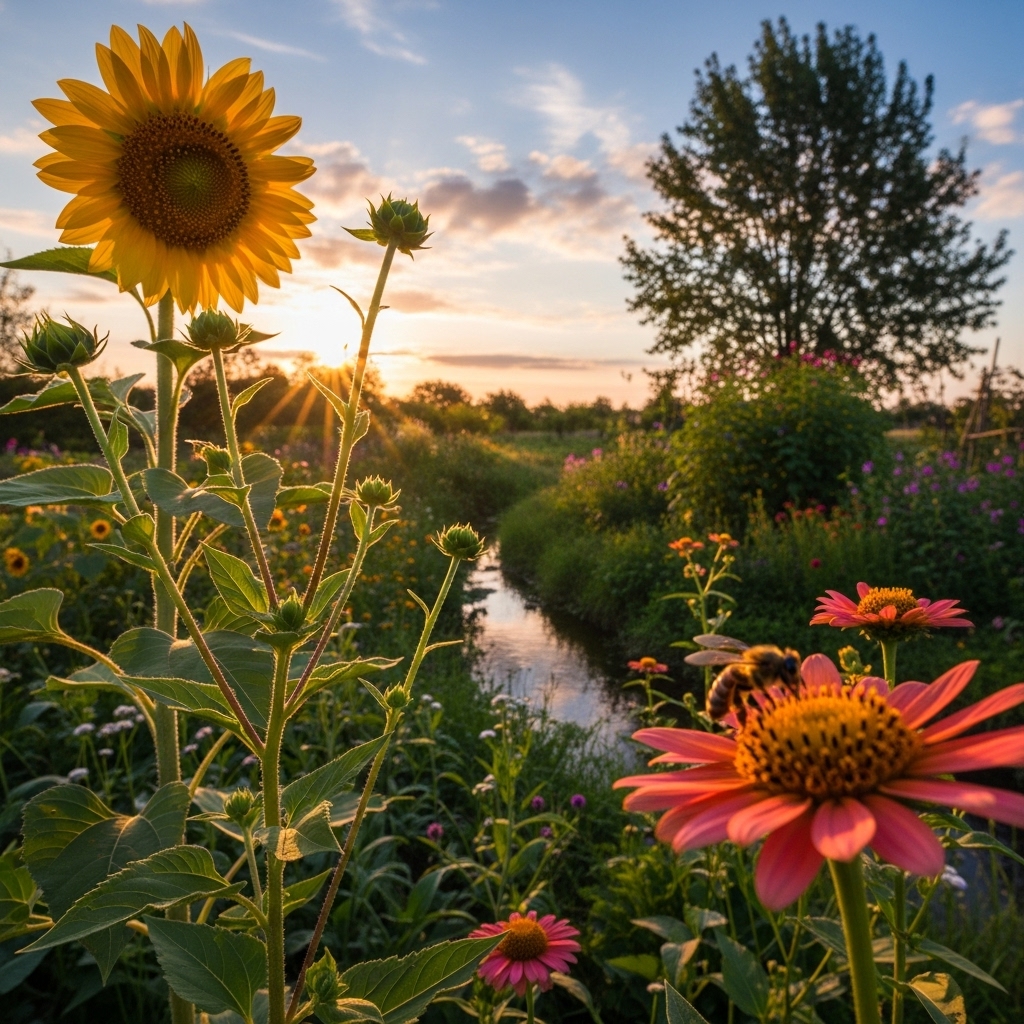
Pollen is the fine powder produced by the male parts of flowers. When I see bees buzzing around my garden, I know they’re collecting pollen, which is vital for fertilization. This tiny grain is essential for the formation of seeds and fruits.
Pollinators
Pollinators, such as bees, butterflies, and birds, play a crucial role in plant reproduction. They transfer pollen from one flower to another, facilitating fertilization. I’ve spent countless afternoons watching bees flit from flower to flower, and I’ve learned to appreciate their role not just in plant reproduction but in maintaining the entire ecosystem.
Seeds and Fruits
Once fertilization occurs, seeds develop, often within a fruit. This is one of the most exciting parts for me, especially when I see the fruits of my labor (pun intended) in my garden! Seeds are the next generation of plants, each containing the genetic material needed to grow into a new individual. The vast variety of seeds and fruits is a testament to nature’s creativity and adaptability.
The Role of Pollination
What is Pollination?
Pollination is a crucial step in the sexual reproduction of plants, involving the transfer of pollen from the male parts of a flower to the female parts. I find it fascinating how this simple act can lead to the production of new life. Without pollination, many plants would struggle to reproduce, and the diversity of plant life we enjoy would diminish significantly. Watching this process unfold in nature often feels like witnessing a beautiful dance between plants and their pollinators.
Types of Pollination
Self-Pollination
Self-pollination occurs when pollen from the male part of a flower fertilizes the female part of the same flower. This method can be quite efficient, allowing plants to reproduce without needing another partner. I’ve seen plants like tomatoes and beans thrive through self-pollination, and it’s reassuring to know that they can produce seeds even in isolation. However, while self-pollination can be a reliable way to reproduce, it can limit genetic diversity.
Cross-Pollination
Cross-pollination, on the other hand, involves the transfer of pollen from one flower to another, often between different plants of the same species. This method promotes genetic diversity, which can enhance a plant’s resilience to diseases and environmental changes. I remember visiting a local orchard and learning how the farmers strategically planted different varieties of apple trees to encourage cross-pollination. It was amazing to think that the fruits I enjoyed were a result of this natural collaboration!
Pollinators and Their Importance
Pollinators are vital players in the process of plant reproduction. They facilitate the transfer of pollen, ensuring that fertilization occurs. Without them, many plants would struggle to reproduce effectively. I often sit in my garden, watching the busy bees and butterflies flit from flower to flower, and I can’t help but appreciate their hard work.
Bees
Bees are perhaps the most well-known pollinators. There are many species, each playing a specific role in pollination. I’ve noticed how they seem to prefer certain flowers, buzzing around to collect pollen. Their fuzzy bodies pick up pollen grains and carry them from one bloom to another, making them incredibly efficient at what they do. I remember reading about how a single bee colony can pollinate hundreds of thousands of flowers in a single day. It’s staggering to think about their impact!
Butterflies
Butterflies are not just beautiful creatures; they also serve an essential purpose in the ecosystem. They can be seen visiting brightly colored flowers, drawn by their sweet nectar. I’ve spent many warm afternoons in my garden, captivated by the colorful patterns of butterflies as they flutter about. Unlike bees, butterflies have a more delicate approach to pollination, often becoming dusted with pollen as they land on flowers. Their role in cross-pollination is significant and adds to the beauty of nature.
Birds
Birds can also be effective pollinators, especially in tropical regions. Hummingbirds, for instance, are well-known for their role in pollinating flowers with tubular shapes that accommodate their long beaks. I’ve always been excited when I spot a hummingbird visiting my garden. It’s a testament to how diverse the pollination process can be, with different species evolving to adapt to their specific pollinators. This connection between plants and birds showcases the intricate web of life that surrounds us.
The Life Cycle of a Plant
Stages of Plant Development
The life cycle of a plant is a remarkable journey, filled with stages that each contribute to its growth and survival. I’ve had the joy of observing this process firsthand in my garden, from seed to maturity.
Seed Germination
Seed germination is the first step in a plant’s life cycle. When conditions are right—adequate moisture, warmth, and oxygen—the seed begins to sprout. I remember planting sunflower seeds in the spring and eagerly checking the soil every day, waiting for those first green shoots to emerge. The excitement I felt when they finally broke through the surface was unforgettable. This stage is crucial, as it determines a plant’s potential for growth.
Seedling Stage
Once the seed has germinated, it enters the seedling stage. During this time, the plant develops its first true leaves and establishes its root system. I’ve nurtured many seedlings in my home, and I’ve learned how important it is to provide the right light and water for them to thrive. It’s like caring for a young child, watching them grow and providing them with what they need to become strong and healthy.
Mature Plant Stage
Finally, the plant reaches its mature stage, ready to reproduce and continue the cycle. At this point, it showcases its full beauty, whether through vibrant flowers, lush foliage, or delicious fruits. I’ve found joy in tending to mature plants, seeing them flourish and attract pollinators. It’s a rewarding experience to witness the entire life cycle, knowing that every stage plays a part in the survival of the species.
Environmental Factors Affecting Plant Reproduction
Light
Light is one of the most critical factors influencing plant reproduction. Plants rely on sunlight not just for photosynthesis but also for their reproductive cycles. I’ve noticed that many flowering plants have specific light requirements for blooming. For instance, some plants only flower when days are long, while others thrive in shorter daylight conditions. I remember experimenting with different light setups for indoor plants, and it amazed me how a simple shift in light exposure could encourage or delay flowering. Understanding the light needs of various plants can significantly impact our gardening success.
Water
Water availability is crucial for plant health and reproduction. Plants need adequate moisture during their growing season for proper development. I’ve seen how a lack of water can stress plants, leading to poor flowering or even complete failure to produce seeds. On the flip side, too much water can cause root rot and hinder growth. I often keep an eye on the moisture levels in my garden, especially during dry spells. Creating a watering schedule has helped me ensure my plants receive the hydration they need, particularly during their critical reproductive phases.
Temperature
Temperature plays a vital role in plant reproduction as well. Each plant species has its preferred temperature range for optimal growth and reproduction. I’ve learned that some plants, like tomatoes, thrive in warm weather, while others prefer cooler temperatures. I remember planting a variety of flowers in the spring, only to be caught off guard by an unexpected cold snap. It reminded me how sensitive plants can be to temperature changes. Keeping track of local weather patterns has become a part of my gardening routine, ensuring I can protect my plants during extreme conditions.
Soil Quality
The health of the soil directly affects a plant’s ability to reproduce. Rich, nutrient-dense soil supports robust growth, which is essential for flowering and fruiting. I’ve spent time improving my soil with compost and organic fertilizers, and I’ve seen a remarkable difference in my plants’ health and productivity. Testing soil pH and nutrient levels has become a regular practice for me. I discovered that certain plants prefer acidic soils, while others thrive in alkaline conditions. This knowledge has allowed me to create tailored environments for various plants, leading to more successful reproduction.
Common Questions About Plant Reproduction
How do plants ensure genetic diversity?
Plants ensure genetic diversity primarily through sexual reproduction and cross-pollination. By mixing genetic material from different individuals, they create offspring that can adapt better to changing environments. I find it fascinating how plants have evolved mechanisms to encourage cross-pollination, such as producing different flowering times or employing various pollinators to facilitate this process. From my experience, planting a variety of species in my garden not only enhances its beauty but also contributes to a healthier ecosystem.
Can all plants reproduce both sexually and asexually?
Not all plants have the ability to reproduce both ways. While many plants can reproduce asexually and sexually, some species are adapted to only one method. I’ve seen plants like strawberries doing both, sending out runners (asexual) while also producing seeds through flowers (sexual). However, others, like certain ferns, exclusively reproduce through spores. This diversity in reproductive strategies showcases how plants have adapted to their environments over time, which I find incredibly interesting.
What are the advantages of asexual reproduction?
Asexual reproduction offers several advantages, especially in stable environments. It allows plants to reproduce quickly and efficiently, which is essential for colonizing new areas or recovering after disturbances. I’ve noticed that many houseplants, like pothos, thrive through asexual reproduction, making it easy to propagate and share. This method also guarantees that the offspring are clones of the parent, ensuring that successful traits are preserved. However, I’ve learned that the lack of genetic diversity can be a downside, particularly when facing diseases or environmental changes.
How do environmental changes affect plant reproduction?
Environmental changes, such as climate shifts or habitat destruction, can significantly impact plant reproduction. Changes in temperature, rainfall patterns, or soil quality can disrupt flowering times, pollinator availability, and seed production. I remember a particularly dry summer when my garden’s flowering plants struggled to bloom, which in turn affected their ability to produce seeds. Being aware of these environmental factors has made me more conscious of how I care for my plants, emphasizing the importance of adapting gardening practices to support their reproductive success.
Frequently Asked Questions
What are the two main ways plants reproduce?
Plants reproduce in two main ways: asexual and sexual reproduction.
What is the significance of plant reproduction?
The importance of plant reproduction lies in its essential role for the continuation of plant species and the overall health of ecosystems, providing food and shelter for organisms and maintaining environmental balance.
What is asexual reproduction in plants?
Asexual reproduction is a method where new individuals are produced without seeds or spores, resulting in offspring that are genetically identical to the parent plant.
What are some common methods of asexual reproduction?
Common methods of asexual reproduction include vegetative propagation, cuttings, layering, and division.
What is sexual reproduction in plants?
Sexual reproduction involves the fusion of male and female gametes, leading to the formation of seeds, and promotes genetic diversity among plants. For more insights, check out Do Plant Cells Have a Nucleus? Answer Explained.
What role do pollinators play in plant reproduction?
Pollinators, such as bees, butterflies, and birds, facilitate the transfer of pollen between flowers, which is crucial for fertilization and the reproduction of many plants.
What is pollination?
Pollination is the transfer of pollen from the male parts of a flower to the female parts, a critical step in the sexual reproduction process of plants.
What are the two types of pollination?
The two types of pollination are self-pollination, where pollen fertilizes the same flower, and cross-pollination, where pollen is transferred between different flowers, promoting genetic diversity.
How do environmental factors affect plant reproduction?
Environmental factors such as light, water, temperature, and soil quality significantly influence plant reproduction by affecting flowering times, pollinator availability, and seed production.
Can all plants reproduce both sexually and asexually?
No, not all plants can reproduce both ways. Some species are adapted to only one method, while others can reproduce both sexually and asexually.