
Plants reproduce through two main methods: asexual reproduction, where a single plant creates offspring without seeds, and sexual reproduction, which involves the fusion of male and female gametes to form seeds. Understanding these processes is essential for gardening, conservation, and appreciating our ecosystems. Read Interesting article: How Does a Plant Reproduce? Easy Explanation
Understanding Plant Reproduction
What is Plant Reproduction?
Plant reproduction is the process by which plants create new individuals. This can occur through asexual means, like cloning themselves, or sexual means, which involves the production of seeds through the combination of genetic materials from two parent plants. I remember the first time I watched my garden bloom in spring; it made me realize just how fascinating this process really is. Every seed and sprout carries the potential for life, continuing the cycle of nature.
Importance of Plant Reproduction in Ecosystems
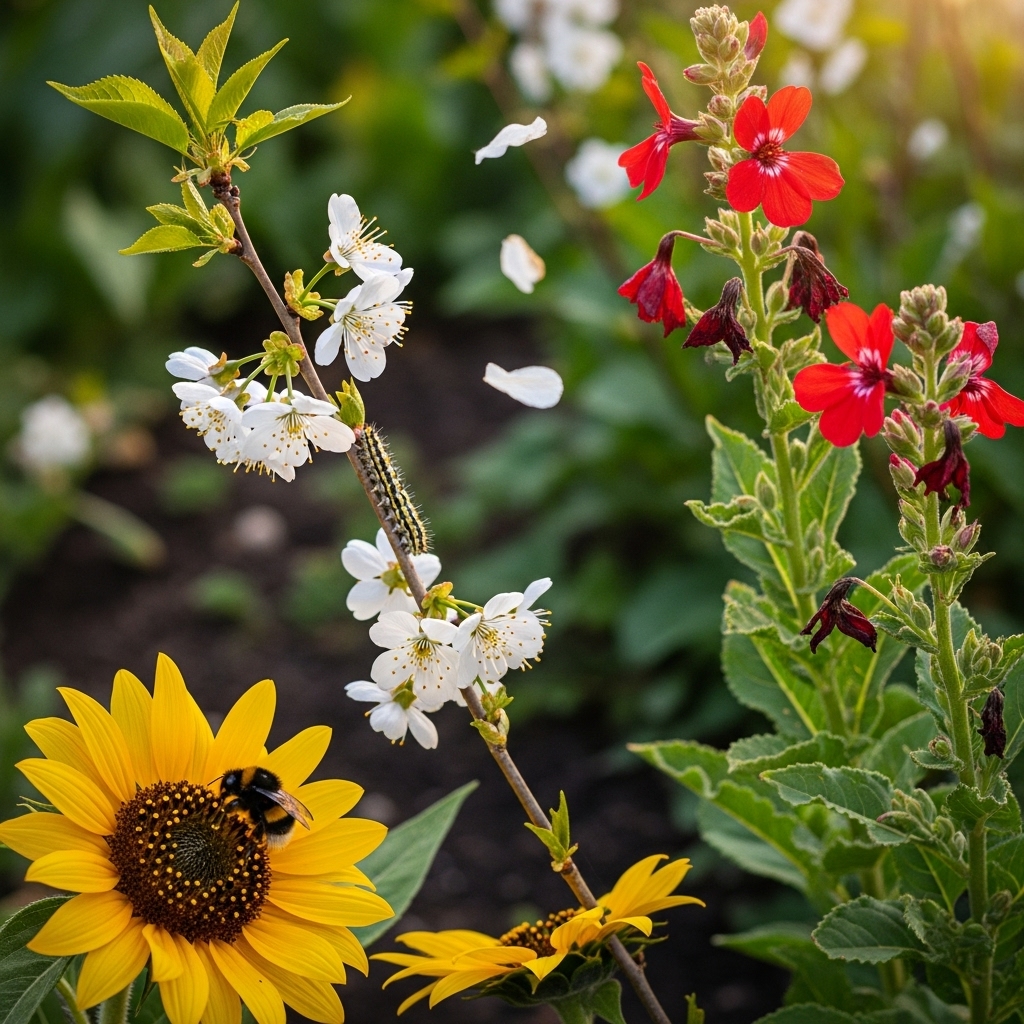
Plant reproduction plays a vital role in ecosystems. It ensures the continuation of plant species, which are foundational to food webs. Without plants, many animals would struggle for survival. I’ve seen how a healthy garden attracts a variety of wildlife, from birds to butterflies, all dependent on the plants that grow there. Moreover, plants help stabilize soil, regulate the climate, and provide oxygen, making their reproduction crucial for a balanced environment. If you’re curious about the differences between plant and animal cells, check out this Simple Guide.
Types of Plant Reproduction
Asexual Reproduction
Definition and Overview
Asexual reproduction involves a single parent plant producing offspring without the need for seeds. This method allows plants to quickly colonize an area, ensuring that successful traits are passed on. I’ve tried a few asexual propagation techniques in my garden and have been amazed at how easy it is to create new plants from existing ones. It’s like having a small army of green companions ready to thrive!
Common Methods of Asexual Reproduction
There are several common methods of asexual reproduction that I’ve encountered, each with its unique benefits. Here are some of the most popular techniques:
Vegetative Propagation
Vegetative propagation is one of the most widely used methods. It involves taking a part of a plant, usually a stem, leaf, or root, and planting it to grow a new plant. I recall my first experience with this when I took a cutting from my friend’s pothos plant. Within weeks, I had a beautiful new plant thriving in my home!
Root Cuttings
Root cuttings are another fantastic way to reproduce plants. By cutting sections of roots from certain plants, new shoots can emerge, leading to fresh growth. I’ve found this method particularly effective with perennials, and it’s rewarding to see new life emerge from a simple root piece.
Stem Cuttings
Stem cuttings involve taking a section of a stem, usually below a leaf node, and placing it in soil or water until roots develop. I’ve successfully propagated succulents this way. Just a small piece can grow into a full plant, and it feels like magic watching it happen!
Leaf Cuttings
Some plants can be propagated from leaves. This method involves placing a leaf in moist soil and waiting for roots to develop. I once tried this with a jade plant, and I was thrilled when I saw tiny new plants emerge from the leaf’s base.
Layering
Layering involves bending a stem to the ground and covering part of it with soil. The buried section will develop roots while still attached to the parent plant. I’ve seen this done with raspberry bushes, and it’s a simple way to expand your garden without much hassle.
Bulbs and Corms
Bulbs and corms are underground storage structures that can also produce new plants. Tulips and onions are great examples. When I plant bulbs in the fall, I always look forward to the beautiful blooms that come up in spring, knowing they were just waiting underground to burst forth.
Sexual Reproduction
Definition and Overview
Sexual reproduction involves the combination of genetic material from two parent plants, usually through flowers and seeds. This method introduces genetic variation, which is essential for the adaptation and resilience of plant species. I’ve always found it fascinating how diverse plants can be, all stemming from this intricate process.
Key Components of Sexual Reproduction
For sexual reproduction, several key components come into play. Understanding these can enhance our appreciation of how plants grow and flourish:
Flowers
Flowers are the reproductive structures of many plants, containing the male and female parts necessary for reproduction. I love how flowers come in all shapes and sizes, each attracting different pollinators. It’s a beautiful display of nature’s artistry.
Pollination
Pollination is the transfer of pollen from the male anthers to the female stigma. This process can occur through wind, insects, birds, and even water. I remember my excitement when I first learned that bees play such a crucial role in pollination, and now I always make sure to plant flowers that attract them to my garden.
Fertilization
Once pollen lands on the stigma, it can lead to fertilization, where the male gamete fuses with the female gamete. This step is essential for seed development. I’ve often marveled at how a tiny seed can hold the blueprint for a giant tree!
Seed Development
After fertilization, seeds develop within the ovary of the flower. Each seed contains the genetic material of the parent plants and, often, a food source for the new plant. I’ve had my fair share of gardening triumphs and failures, but watching seeds sprout into young plants always feels like a rewarding miracle.
Pollination: The Key to Plant Reproduction
What is Pollination?
Pollination is the vital process that allows plants to reproduce sexually. It’s when pollen from the male parts of a flower is transferred to the female parts, enabling fertilization to occur. I remember the first time I observed this process up close—it was awe-inspiring to see bees buzzing from flower to flower, unknowingly playing a crucial role in the cycle of life. Pollination not only leads to the production of seeds but also contributes to the genetic diversity necessary for healthy ecosystems.
Types of Pollination
Self-Pollination
Self-pollination occurs when a flower’s pollen fertilizes its own ovules. This method ensures that plants can reproduce even when pollinators are scarce. I’ve grown several self-pollinating plants, like tomatoes and peas, and it’s remarkable how they don’t rely on outside help to produce fruit and seeds. This can be a real boon for gardeners in areas with limited pollinator activity.
Cross-Pollination
Cross-pollination, on the other hand, happens when pollen from one plant fertilizes another plant’s ovules. This method often leads to greater genetic variability, which can enhance the adaptability and resilience of plant species. I often find that when I plant multiple varieties of flowers close together, I’m rewarded with a beautiful array of colors and forms, all thanks to the cross-pollination happening in my garden.
Pollinators and Their Role
Insects
Insects, especially bees, are among the most well-known pollinators. They’re attracted to flowers for their nectar and, in the process, pick up pollen and carry it to other blooms. I’ve noticed that when I include a variety of flowering plants, my garden becomes a buzzing hub of activity, with bees flitting from blossom to blossom. It’s a lovely sight and reminds me of how interconnected our ecosystems are.
Birds
Birds, particularly hummingbirds, also play a significant role in pollination. They are attracted to brightly colored flowers with ample nectar. I once planted a hummingbird garden, and watching these tiny creatures zip around was pure joy. They not only help with pollination but also add a lively spirit to the garden.
Wind
Some plants rely on the wind for pollination. Grasses and many trees release large amounts of pollen into the air, which can travel long distances. I’ve always found it fascinating how these plants can thrive without the help of animals. It’s a reminder of the many different strategies plants use to ensure their survival and reproduction.
Seed Dispersal Mechanisms
Importance of Seed Dispersal
After pollination and fertilization, the next crucial step in plant reproduction is seed dispersal. It’s the method by which seeds are spread away from the parent plant, allowing them to grow in new locations. This is essential for reducing competition among plants, colonizing new areas, and ensuring the survival of plant species. I’ve often marveled at how seeds can travel far from their parent, leading to new growth in unexpected places.
Types of Seed Dispersal
Wind Dispersal
Wind dispersal is a fascinating mechanism. Many plants produce lightweight seeds with structures like wings or tufts that allow them to float away in the breeze. I remember planting dandelions in my yard and being captivated by how their fluffy seeds would drift away with the slightest gust of wind. It’s nature’s way of ensuring that plants can spread out and find suitable places to grow.
Water Dispersal
Water dispersal is another method I find intriguing. Certain plants, like coconuts, can float on water and travel long distances. I’ve seen mangroves along coastlines using this strategy, where their seeds are carried away by tides to new areas. It’s amazing how plants adapt to their environments to increase their chances of reproduction.
Animal Dispersal
Animals play a crucial role in seed dispersal. Some plants produce fruits that are attractive to animals, who eat the fruit and later excrete the seeds in different locations. I’ve always enjoyed watching birds and squirrels in my garden, knowing they’re helping to distribute seeds. It’s a win-win situation—animals get food, and plants get to spread their seeds!
Explosive Dispersal
Lastly, some plants utilize explosive dispersal. This happens when a seed pod dries out and bursts open, flinging seeds away from the parent plant. I once observed a jewelweed plant doing this, and it was both surprising and delightful. You could almost hear the seeds pop as they shot out into the surrounding area, ready to take root in new soil.
Factors Affecting Plant Reproduction
Environmental Factors
When it comes to plant reproduction, various environmental factors play a significant role. I’ve noticed how my own gardening success can vary from year to year, often due to changes in these factors. Understanding them can really enhance our experience as gardeners.
Climate Conditions
Climate is one of the most influential factors in plant reproduction. Temperature, humidity, and precipitation all affect how plants grow and reproduce. For instance, I’ve seen how a warm, wet spring can lead to an explosion of blossoms in my garden, while a dry or cold season can inhibit growth. Plants have adapted to specific climates, and when conditions are just right, they thrive. It’s fascinating to watch how different plants react to seasonal changes, like how some bloom in late winter while others wait for summer.
Soil Quality
The quality of the soil is another key player in plant reproduction. Healthy soil rich in nutrients fosters strong plant growth, which directly impacts their ability to reproduce. I remember a time when I neglected to amend my garden soil, and the plants seemed stunted. After adding compost and organic matter, I was amazed at how quickly they bounced back! The right balance of pH, organic content, and moisture can make all the difference. I often test my soil and make amendments based on what my plants need, and it’s rewarding to see the results.
Light Availability
Light is essential for photosynthesis, which fuels plant growth and reproduction. Different plants have varying light requirements; some thrive in full sun while others prefer shade. In my experience, I’ve had to experiment with plant placements in my garden to find the perfect spots. For instance, I once planted sunflowers in a shaded area, only to find they leaned awkwardly towards the light. Once I moved them to a sunnier spot, they flourished, producing beautiful blooms. Understanding light availability can help maximize the reproduction potential of our plants.
Biological Factors
Beyond environmental aspects, biological factors also play a crucial role in how plants reproduce. These include genetic variation and the availability of pollinators, both of which are vital for successful reproduction.
Genetic Variation
Genetic variation is essential for the adaptability of plant species. The more diverse the genetic material, the better the chances that some individuals will survive changing conditions. I’ve learned that when I cross-pollinate different varieties, the resulting seeds often produce plants that are more resilient to pests and diseases. This diversity can lead to unexpected results; I’ve had seedlings that surprised me with their unique colors and growth habits. It’s a reminder of nature’s creativity and the importance of maintaining genetic diversity in our gardens.
Pollinator Availability
Pollinators are crucial for many plants’ sexual reproduction, especially those that rely on cross-pollination. The presence of bees, butterflies, and other pollinators can significantly affect seed production. I often work to create an inviting environment for these important creatures by planting a variety of flowers that bloom at different times throughout the season. I love watching the bees buzzing around, and I feel a sense of satisfaction knowing I’m doing my part to support their populations. When pollinators are abundant, my plants seem to produce more seeds, resulting in a thriving garden.
Tips for Beginner Gardeners
Choosing Plants for Asexual Reproduction
For those new to gardening and interested in asexual reproduction, starting with easy-to-propagate plants is a great option. I recommend trying popular choices like succulents, pothos, or spider plants. These plants are forgiving and can tolerate a bit of trial and error. When I began, I experimented with cuttings from friends’ plants and was thrilled when they took root. It’s a rewarding way to expand your garden without the need for seeds.
Understanding Flowering Plants for Sexual Reproduction
If you’re more drawn to sexual reproduction, learning about flowering plants is key. I suggest starting with self-pollinating varieties like tomatoes or peppers, as they simplify the process. Once you gain confidence, you can explore cross-pollinating flowers to create a diverse garden. It’s a wonderful experience to observe how flowers attract different pollinators and how that influences the production of seeds.
Best Practices for Pollinator-Friendly Gardens
Creating a pollinator-friendly garden is not only beneficial for your plants but also for the environment. I always focus on planting native species, which are typically well-adapted to local pollinators. Incorporating a variety of colors and shapes can attract a wider range of pollinators. Additionally, I make sure to avoid pesticides, which can harm these helpful creatures. Watching bees and butterflies in my garden makes all the effort worth it!
Seed Saving Techniques
Finally, if you’re interested in preserving your favorite plants, learning seed-saving techniques can be incredibly rewarding. I often collect seeds from my most successful plants at the end of the season. It’s quite simple: just allow the flowers or fruits to mature fully, collect them, and store them in a cool, dry place. This not only saves money but also helps maintain the genetic diversity of your garden. Plus, there’s something special about growing plants from seeds you’ve saved yourself! Read Interesting article: Cool Imaginary Plant Technique Names (Creative List)
Frequently Asked Questions
What are the two main methods of plant reproduction?
The two main methods of plant reproduction are asexual reproduction, where a single plant creates offspring without seeds, and sexual reproduction, which involves the fusion of male and female gametes to form seeds.
What is vegetative propagation?
Vegetative propagation is a method of asexual reproduction that involves taking a part of a plant, such as a stem, leaf, or root, and planting it to grow a new plant.
How does sexual reproduction differ from asexual reproduction in plants?
Sexual reproduction involves the combination of genetic material from two parent plants, typically through flowers and seeds, while asexual reproduction allows a single parent plant to produce offspring without seeds.
What role do pollinators play in plant reproduction?
Pollinators, such as bees and birds, are crucial for the process of pollination, which allows for the transfer of pollen from male parts of a flower to female parts, enabling fertilization and seed development.
What is self-pollination?
Self-pollination occurs when a flower’s pollen fertilizes its own ovules, allowing plants to reproduce without the need for external pollinators.
What methods do plants use for seed dispersal?
Plants use various methods for seed dispersal, including wind dispersal, water dispersal, animal dispersal, and explosive dispersal.
Why is genetic variation important in plant reproduction?
Genetic variation is essential for the adaptability of plant species, as it increases the chances that some individuals will survive changing environmental conditions.
What is the significance of climate conditions for plant reproduction?
Climate conditions such as temperature, humidity, and precipitation significantly affect plant growth and reproduction, influencing how well plants can thrive in a given environment.
What are some tips for beginner gardeners interested in asexual reproduction?
Beginner gardeners can start with easy-to-propagate plants like succulents, pothos, or spider plants. These plants are forgiving and can tolerate a bit of trial and error.
How can gardeners create a pollinator-friendly garden?
To create a pollinator-friendly garden, gardeners should plant native species, incorporate a variety of colors and shapes to attract different pollinators, and avoid using pesticides that can harm these beneficial creatures.