
Plants reproduce in two main ways: sexually and asexually. Each method plays a crucial role in their survival and adaptation, ensuring the continuation of plant species in various environments. Understanding the difference between plant and animal cells can provide insights into the intricate processes involved in plant reproduction.
Overview of Plant Reproduction
What is Plant Reproduction?
Plant reproduction is the biological process through which plants produce new individuals or offspring. This process can happen either through sexual means, involving the combination of genetic material from two parent plants, or through asexual methods, where a single plant can produce offspring without the fusion of gametes. I remember the first time I learned about this in school; the complexity and beauty of how plants continue their lineage fascinated me.
Importance of Reproduction in Plants
The importance of plant reproduction cannot be overstated. It is essential for the survival of plant species, maintaining genetic diversity, and enabling adaptation to changing environments. Without reproduction, a plant species would be unable to survive over generations, leading to extinction. I think about how crucial this process is, especially when I walk through a forest or a garden, observing the multitude of plants thriving around me, each with its own unique way of ensuring its future.
Types of Plant Reproduction
Sexual Reproduction
Definition and Process
Sexual reproduction in plants involves the interaction of male and female reproductive structures to produce seeds. In simple terms, it’s like a dance where pollen from the male part of the plant (the stamen) fertilizes the ovule in the female part (the pistil). This process begins with the formation of flowers, which are the reproductive organs of flowering plants. I’ve often been amazed at how plants attract pollinators with their vibrant colors and sweet scents, creating a beautiful cycle of life.
Key Structures Involved
In understanding sexual reproduction, we should look at the key structures involved. Flowers consist of various parts, but the most critical are the stamens and pistils. The stamens produce pollen, which contains the male gametes, while the pistils house the ovules, which contain the female gametes. Once the pollen reaches the pistil, fertilization can take place. I find it fascinating how something so small can lead to the creation of new life.
Asexual Reproduction
Definition and Process
Asexual reproduction, on the other hand, allows plants to reproduce without the need for seeds or pollen. This can happen through various means, including vegetative propagation, where a new plant grows from a fragment of the parent plant. It’s incredible to think that a simple leaf or stem can give rise to an entirely new plant. I once tried propagating a pothos plant from a cutting, and watching it grow roots in water was such a rewarding experience!
Common Methods of Asexual Reproduction
There are several common methods of asexual reproduction. One popular method is through cuttings, where a piece of the parent plant is cut and placed in soil or water until it roots and grows. Grafting is another technique used, especially in fruit trees, where the tissue of one plant is joined with that of another. I remember when my father explained grafting to me while tending to his garden; it opened my eyes to how we can manipulate nature to our advantage. Other methods include rhizomes, tubers, and bulbs, which are specialized underground structures that store nutrients and can grow into new plants. Each method has its unique charm and effectiveness.
Sexual Reproduction in Detail
Flower Anatomy
Stamens and Pistils
Delving deeper into sexual reproduction, the anatomy of flowers reveals a lot about how plants reproduce. The stamens, which are composed of an anther and a filament, release pollen grains, while the pistils consist of the stigma, style, and ovary. The stigma is the landing spot for pollen, where fertilization begins its journey. I’ve often found myself marveling at the intricate designs of flowers, each adapted to attract specific pollinators, like bees or butterflies, which play a crucial role in this process.
Pollination Mechanisms
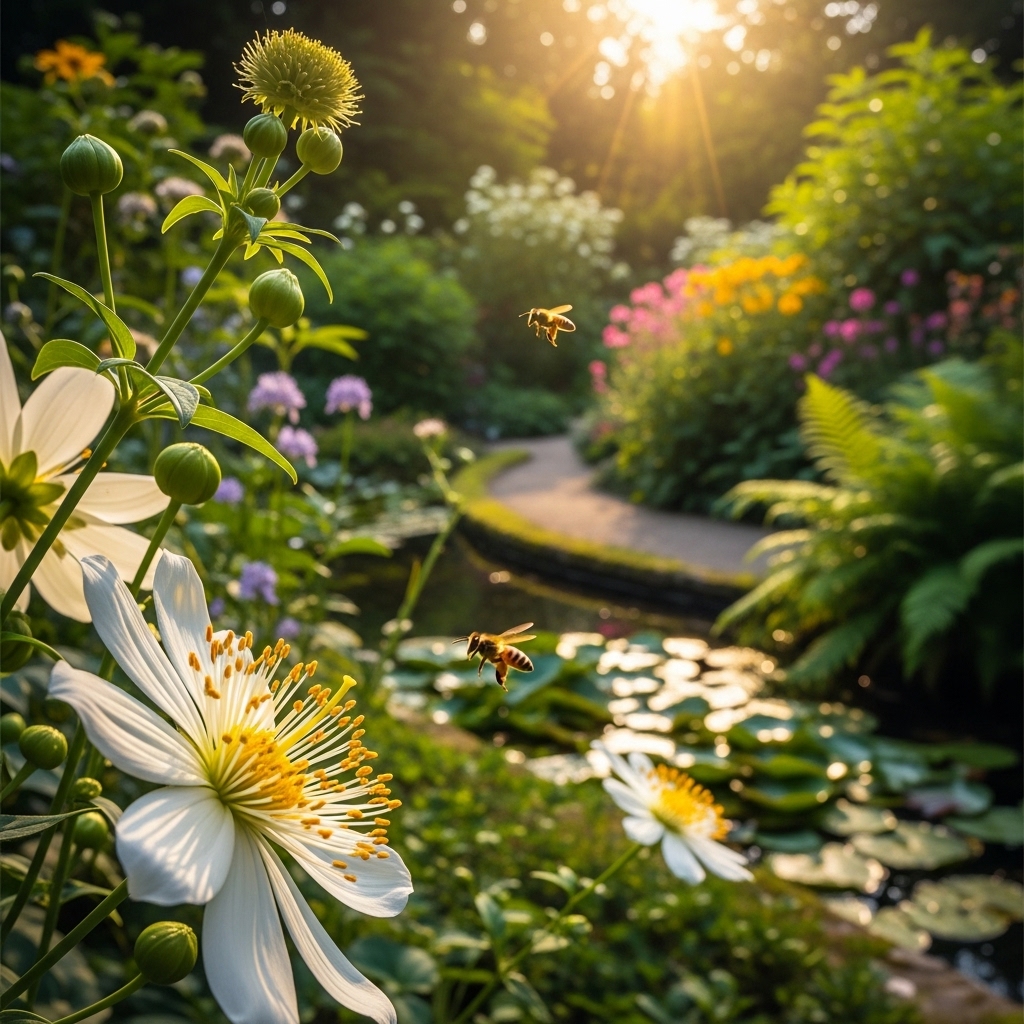
Pollination is the transfer of pollen from the male stamen to the female pistil. This can occur through various mechanisms: wind, water, or animals. Animals, especially insects, are the most effective pollinators. I remember observing bees buzzing around flowers in my garden, and it made me appreciate their role in the ecosystem. It’s a delicate balance; without these pollinators, many plants would struggle to reproduce.
Fertilization Process
Role of Pollinators
Once pollination occurs, the fertilization process kicks in. The pollen grain travels down the style to reach the ovary, where it fertilizes the ovule. This process is where the magic happens—new life begins to form. I can’t help but think about how this tiny act leads to the creation of seeds that will grow into entire plants one day. It’s a powerful reminder of nature’s resilience.
Self-Pollination vs. Cross-Pollination
Plants can either self-pollinate (pollen fertilizing the same flower) or cross-pollinate (pollen from one flower fertilizing another). Each method has its advantages. Self-pollination can ensure that plants reproduce even when pollinators are scarce, while cross-pollination increases genetic diversity, which is vital for adaptation. I find this duality fascinating, as it showcases nature’s ability to adapt and evolve.
Seed Development and Dispersal
Seed Formation
After fertilization, seeds begin to develop within the ovary. The ovule transforms into a seed, while the ovary becomes the fruit. This process can take varying amounts of time, depending on the plant species. I’ve always loved the moment when I see fruits starting to form after flowers have bloomed. It’s like watching a story unfold, leading to the birth of new plants.
Methods of Seed Dispersal
Once seeds are formed, the next step is dispersal. Plants have evolved various methods to spread their seeds, ensuring they have the best chance of germinating in suitable environments. Some seeds are carried by the wind, while others are dispersed by animals who eat the fruit and later excrete the seeds elsewhere. I remember observing dandelions in my yard, their fluffy seeds carried away by a gentle breeze, each one a potential new plant waiting to find its home.
Asexual Reproduction in Detail
Types of Asexual Reproduction Methods
Vegetative Propagation
One of the most fascinating aspects of asexual reproduction is vegetative propagation. This method allows a plant to produce new individuals from its existing structures, like roots, stems, or leaves. I still remember the excitement of discovering that taking a simple leaf from a jade plant and placing it in soil could result in a brand-new plant. It felt like magic! Vegetative propagation can happen naturally, as seen in many common plants, or it can be facilitated by gardeners like us who want to expand our collections. The joy is often in the journey as we watch these new plants take root and thrive.
Cuttings and Grafting
Cuttings are perhaps the most well-known technique in asexual reproduction. When I first learned about this method, I was amazed at how easy it was to propagate certain plants just by snipping a part of the stem or leaf and placing it in water or soil. It’s like giving a plant a second chance at life! Grafting, on the other hand, is a bit more complex but equally fascinating. I remember when I saw my neighbor carefully grafting two different fruit trees together. It’s a unique way to combine the best traits of two plants, leading to more robust or fruitful varieties. This method can take a bit of practice, but witnessing the success of a graft can be incredibly rewarding.
Rhizomes, Tubers, and Bulbs
Plants also reproduce asexually through specialized structures like rhizomes, tubers, and bulbs. Rhizomes are underground stems that grow horizontally, producing new shoots and roots along the way. For example, I’ve often seen bamboo spreading this way—one moment, it’s a single stalk, and before you know it, there’s a whole grove! Tubers, like potatoes, store nutrients and can sprout into new plants when planted. I’ve enjoyed digging up potatoes from my garden, not just for the harvest but for the thrill of seeing new life emerge from what initially seemed like a simple vegetable. Bulbs, such as tulips and daffodils, also rely on underground storage to survive winter and bloom again in spring. Each of these methods showcases the incredible adaptability of plants to ensure their survival.
Advantages of Asexual Reproduction
Asexual reproduction offers several advantages that make it appealing for many plant species. One major benefit is speed. In my experience, asexual reproduction often leads to quicker propagation compared to sexual reproduction, where seeds must develop and germinate. For example, when I wanted to fill my garden with lavender, I found it much simpler and faster to take cuttings from an existing plant rather than waiting for seeds to sprout. This method enables plants to rapidly colonize areas, which can be crucial in environments where competition for resources is fierce.
Another advantage is that asexual reproduction ensures that the offspring are genetically identical to the parent. This can be beneficial in stable environments where a successful parent plant has traits well-suited to the conditions. I often think about how my grandmother would propagate her favorite flowers, ensuring that each new plant would have the same lovely blooms and fragrance. While genetic uniformity can also be a disadvantage (like vulnerability to disease), for many gardeners and plant species, this predictability is a significant advantage.
Moreover, in unpredictable or harsh environments, asexual reproduction can provide a reliable means of survival. By not relying on pollinators, plants can reproduce effectively even in the absence of these crucial partners. I remember a particularly dry summer when my garden struggled; however, the hardy succulents I had propagated through cuttings continued to thrive. Their resilience reminded me of the strength and adaptability of nature.
Environmental Factors Influencing Plant Reproduction
Climate and Weather Conditions
Environmental factors play a significant role in plant reproduction, often determining whether a plant will reproduce sexually or asexually. Climate and weather conditions, such as temperature and rainfall, can directly impact the timing and success of reproduction. I’ve often noticed how my garden flourishes in the spring when everything is blooming, and the weather is just right for pollination. But during a particularly hot summer, my plants seemed to struggle, and I realized that many of them were opting for asexual reproduction instead. It’s remarkable how plants can sense these changes and adapt their reproductive strategies accordingly.
Soil Quality and Nutrients
The quality of soil and the availability of nutrients also influence how plants reproduce. Rich, well-aerated soil often leads to robust growth and healthy reproduction. I’ve seen firsthand the difference that good compost can make in my garden. When I added compost to my vegetable patch, the plants not only grew larger but also produced more flowers, leading to a better chance of seed formation. On the flip side, poor soil can hinder a plant’s ability to reproduce, pushing them towards quicker asexual methods to ensure their survival. Understanding what plants need to grow can further enhance our gardening efforts.
Light and Water Availability
Light and water are perhaps two of the most critical resources for plants. They need adequate sunlight to photosynthesize and grow, which directly impacts reproductive success. During a particularly rainy season, I noticed my plants thriving, producing more flowers and seeds than usual. Conversely, during droughts, I’ve seen many plants rely on asexual reproduction to conserve energy and resources. It’s a powerful reminder of how interconnected all aspects of plant life are, and how plants have evolved to maximize their chances of survival in various conditions.
Examples of Plant Reproduction
Common Flowering Plants
Sunflowers
Sunflowers are a great example of sexual reproduction in flowering plants. They have a striking appearance, with their large, bright yellow petals that seem to follow the sun throughout the day. I remember planting sunflower seeds in my garden one summer, and it was so fulfilling to watch them sprout and reach for the sky. Sunflowers reproduce by forming seeds in their heads after pollination occurs. The seeds can then be dispersed by wind or animals, making them a resilient species. It’s fascinating to think about how each seed carries the potential to grow into another towering sunflower, contributing to the cycle of life.
Roses
Roses are another example, showcasing both sexual and asexual reproduction. The beauty of roses is undeniable, and I’ve always been drawn to their variety in colors and scents. They reproduce sexually through seeds formed after pollination, which requires the help of pollinators like bees. However, they can also be propagated through cuttings, allowing gardeners to create clones of their favorite specimens. I remember when I tried to propagate a rose cutting; it felt like I was continuing the legacy of that beautiful plant. Each method—whether by seed or cutting—demonstrates the adaptability of roses in ensuring their survival and beauty in our gardens.
Ferns and Mosses
Spore Formation
Ferns and mosses take a different approach to reproduction compared to flowering plants. These non-flowering plants reproduce using spores instead of seeds. I’ve always been captivated by the delicate fronds of ferns and the lush green carpets of moss when hiking in the woods. Spores are microscopic and can be produced in large quantities, which increases the chances of successful reproduction. I remember finding clusters of sporangia on the undersides of fern leaves, marveling at how something so tiny could lead to the growth of new plants. This method of reproduction is a fascinating strategy that allows ferns and mosses to thrive in various environments, particularly in shaded, moist areas where seeds might struggle to establish.
Succulents and Cacti
Propagation Techniques
Succulents and cacti are among my favorites when it comes to asexual reproduction. These resilient plants have adapted to survive in harsh, arid conditions, and they often reproduce through methods like offsets or leaf cuttings. For instance, when I purchased my first succulent, I learned that many varieties produce “pups” or small offsets around their base. I was thrilled to discover that I could gently separate these pups and replant them, giving me more beautiful succulents to enjoy in my home. This ability to reproduce asexually allows them to thrive and expand their population even in challenging environments where water is scarce.
The Future of Plant Reproduction
Impact of Climate Change
The future of plant reproduction faces many challenges, particularly due to climate change. As temperatures rise and weather patterns become more unpredictable, I’ve noticed how these changes can affect plant reproduction cycles. For example, some plants may bloom earlier or later than usual, which can disrupt the timing of pollination and seed formation. I remember reading about how certain flowering plants depend on specific pollinators that may not be available when the flowers bloom due to shifting climates. This disconnection can lead to reduced reproduction rates and, ultimately, affect the survival of those species. It’s a sobering thought, as I realize how interconnected we are with nature and the subtle balances that exist within ecosystems.
Conservation Efforts
As we face these challenges, conservation efforts are more important than ever. I believe that protecting plant diversity and their reproductive strategies is crucial for maintaining healthy ecosystems. Many organizations work tirelessly to safeguard endangered plant species, focusing on preserving their habitats and promoting awareness about their ecological roles. I’ve seen community gardens and local initiatives aimed at educating people about native plants and their reproduction methods, which can create a ripple effect in fostering appreciation and respect for nature. Engaging in conservation efforts, whether small or large, can help ensure that future generations will continue to enjoy the incredible diversity of plant life. Additionally, learning about animal cells vs plant cells can enhance our understanding of their unique characteristics.
Frequently Asked Questions
What are the two main ways plants reproduce?
Plants reproduce in two main ways: sexually and asexually. Each method plays a crucial role in their survival and adaptation.
What is sexual reproduction in plants?
Sexual reproduction in plants involves the interaction of male and female reproductive structures to produce seeds. This process requires the combination of genetic material from two parent plants.
What are the key structures involved in sexual reproduction?
The key structures involved in sexual reproduction are the stamens and pistils. The stamens produce pollen containing male gametes, while the pistils house the ovules containing female gametes.
What is a common method of asexual reproduction?
A common method of asexual reproduction is through cuttings, where a piece of the parent plant is cut and placed in soil or water until it roots and grows.
How do plants adapt their reproduction methods to environmental factors?
Plants adapt their reproduction methods based on environmental factors like climate, soil quality, and water availability. For example, during droughts, many plants may rely on asexual reproduction to conserve energy.
What is pollination and why is it important?
Pollination is the transfer of pollen from the male stamen to the female pistil, and it is essential for sexual reproduction. It can occur through various mechanisms, including wind, water, or animals.
Can plants self-pollinate?
Yes, plants can self-pollinate, where pollen fertilizes the same flower, or they can cross-pollinate, where pollen from one flower fertilizes another. Each method has its advantages, such as ensuring reproduction when pollinators are scarce.
What is vegetative propagation?
Vegetative propagation is a method of asexual reproduction that allows a plant to produce new individuals from its existing structures, such as roots, stems, or leaves.
What are some examples of plants that reproduce asexually?
Examples of plants that reproduce asexually include succulents and cacti, which can produce offsets or leaf cuttings, and various flowering plants like roses, which can be propagated through cuttings.
How does climate change affect plant reproduction?
Climate change can disrupt plant reproduction cycles by affecting blooming times, which may lead to mismatches between the timing of flowering plants and their pollinators, ultimately affecting reproduction rates and the survival of those species.