
Planting tomatoes involves selecting the right variety, preparing your garden or containers, and following specific planting steps. I’ve grown tomatoes for years, and these steps make the process straightforward and rewarding. Read Interesting article: How to Plant Tomatoes for Maximum Harvest (Easy Steps)
Understanding Tomato Varieties
When I first started gardening, I was amazed at how many types of tomatoes there are. Understanding the different varieties is crucial because it influences everything from taste to growth habits. I’ve learned that two main categories exist: determinate and indeterminate tomatoes.
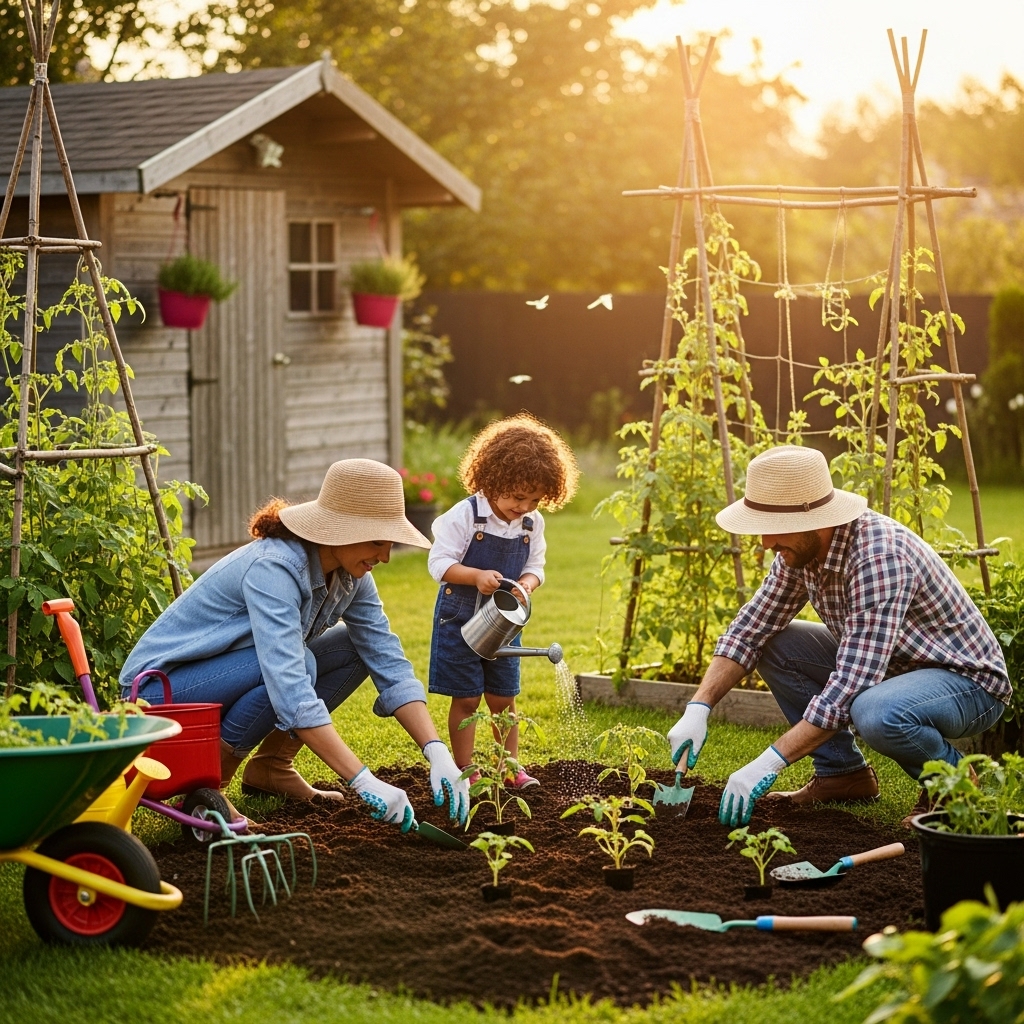
Determinate vs. Indeterminate Tomatoes
Determinate tomatoes grow to a predetermined height and produce their fruit all at once. This means you can have a big harvest in a short period, making them perfect for canning or making sauces. I remember my first year trying this type; I was overwhelmed with tomatoes in late summer, which was a delightful challenge!
On the other hand, indeterminate tomatoes continue to grow and produce fruit throughout the season. They can reach impressive heights and require more support. I personally enjoy these for continuous snacking throughout the summer, as I can pick fresh tomatoes right off the vine nearly every week.
Popular Tomato Varieties for Home Gardens
Some of my personal favorites include Roma, Beefsteak, and Cherry tomatoes. Roma tomatoes are fantastic for sauces and pastes due to their thick flesh and lower moisture content. Beefsteaks are juicy and perfect for sandwiches, while Cherry tomatoes are sweet and great for snacking or salads. When choosing a variety, consider what you enjoy most and how you plan to use your tomatoes.
Choosing the Right Variety for Your Climate
It’s important to consider your local climate when selecting tomato varieties. For example, in cooler regions, I’ve found that early-maturing varieties work best, as they can produce fruit before the first frost. Conversely, in warmer areas, I recommend varieties that can withstand heat, like Sun Gold or Heatmaster. Researching your local growing conditions can make a significant difference in your success.
Essential Tools and Materials for Planting Tomatoes
Getting started with tomatoes requires a few essential tools and materials. I remember my first gardening season, and I was surprised at how handy these items turned out to be.
Gardening Tools You’ll Need
You’ll need a few basic tools to plant tomatoes effectively. A sturdy trowel for digging, a garden fork for loosening soil, and gloves to protect your hands are essential. I also recommend having a watering can or a hose with a spray nozzle handy for watering your new plants. If you’re planning to stake or cage your tomatoes, keep some twine or plant ties available as well.
Soil and Fertilizer Recommendations
The right soil is crucial for healthy tomato plants. I usually recommend a well-draining soil rich in organic matter. You can create this by mixing compost with your garden soil. In terms of fertilizer, a balanced fertilizer can help, but I prefer to use a slow-release organic option. This way, I know my plants are getting nutrients steadily throughout the growing season.
Choosing the Right Containers or Garden Space
If you’re gardening in containers, select pots that are at least 5 gallons in size to give the roots enough space to grow. I’ve found that fabric pots can work wonders for drainage. If you’re planting in the ground, choose a sunny spot with well-drained soil. Tomatoes thrive in full sun, so I always ensure they receive at least six to eight hours of sunlight each day.
When to Plant Tomatoes
Timing is everything when it comes to planting tomatoes. I’ve had my share of experiences waiting too long or planting too early, and it’s a learning curve for sure!
Understanding Frost Dates
Understanding your local frost dates is crucial. Tomatoes are sensitive to frost, and planting too early can lead to disappointing results. I usually check my local extension service for the average last frost date in spring and plan my planting around that. This way, I can ensure my plants have a good chance of thriving. Read Interesting article: When Do I Plant Tomatoes? Best Timing for Success
Optimal Planting Seasons by Region
The optimal planting season can vary significantly by region. In warmer climates, I’ve seen gardeners successfully start tomatoes as early as March, while in cooler areas, it’s often best to wait until late May or early June. It’s essential to adapt to your specific environment for the best results.
Signs of Healthy Seedlings
Before planting, check your seedlings for signs of health. I look for sturdy stems, rich green leaves, and a healthy root system. If the seedlings are leggy or yellowing, it might be best to wait a little longer before planting or to reassess their conditions.
Preparing Your Garden or Containers
Once you have your varieties selected and your tools ready, the next step is preparing your garden or containers. This is where the real excitement begins, as you’re laying the foundation for your future tomato plants.
Soil Preparation Techniques
Preparing the soil is one of my favorite parts of planting tomatoes. I usually start by removing any weeds or debris from the area. Then, I loosen the soil with a garden fork and mix in compost to enrich it. This step ensures that the tomatoes have access to nutrients right from the start.
Choosing the Right Location for Sunlight
As I mentioned earlier, sunlight is critical for tomato plants. I always choose a location that receives full sun for most of the day. If you’re planting in containers, try to position them in a spot where they can soak up as much sunlight as possible. Trust me, it makes a huge difference in growth and fruit production.
How to Amend Soil for Nutrients
If your soil is lacking nutrients, I recommend testing it with a home soil test kit. If you find that your soil is deficient, you can amend it with organic fertilizers or additional compost. This step ensures that your tomatoes have the right nutrients they need to thrive. For me, this extra effort has always paid off with a bountiful harvest.
Step-by-Step Guide to Planting Tomatoes
Starting Seeds Indoors vs. Direct Sowing
One of the first decisions I had to make as a new gardener was whether to start my tomato seeds indoors or sow them directly in the ground. I’ve done both, and each method has its benefits. Starting seeds indoors can give you a head start on the growing season, especially if you live in a cooler climate. I remember the thrill of watching my seedlings emerge from the soil, feeling a sense of accomplishment even before I’d planted them outside.
If you choose to start seeds indoors, I recommend using seed trays or small pots filled with a seed-starting mix. Be sure to keep them in a warm area with plenty of light. A sunny windowsill works well, or you can use grow lights, which I found helpful in ensuring even growth. On the other hand, if you have a longer growing season or live in a warmer region, direct sowing can be a great option. Simply plant the seeds in well-prepared soil after the last frost date, and you’ll be on your way!
Transplanting Seedlings into the Garden
Transplanting is one of my favorite parts of tomato gardening. Once my seedlings have grown a few inches tall and have a solid root system, it’s time to move them outside. I like to harden off my seedlings first by gradually exposing them to outdoor conditions over a week or so. This step helps them adjust and reduces transplant shock.
When transplanting, I dig a hole deep enough to submerge the entire stem, leaving just the top leaves exposed. Tomatoes can develop roots along the buried stem, which boosts their overall growth. After placing the seedling in the hole, I gently firm the soil around it and water thoroughly. It’s such a rewarding moment to see those little plants nestled in the garden!
Spacing and Depth Guidelines for Planting
Spacing is crucial for healthy tomato plants. When I first started gardening, I didn’t realize how important it was to give each plant enough room to grow. Generally, I space determinate varieties about 18 to 24 inches apart, while indeterminate varieties need about 24 to 36 inches between them. This allows for good air circulation and sunlight exposure, which I find essential for preventing diseases. Read Interesting article: How Far Apart to Plant Tomatoes for Best Yield
In terms of planting depth, I usually go for about 2 inches deep for seedlings. If I’m planting taller seedlings, I may bury them even deeper, as mentioned earlier. It’s all about helping the plant establish a strong foundation. I’ve noticed that when I give my tomatoes the right spacing and depth, they thrive much better throughout the season.
Watering and Care After Planting
How Much Water Do Tomato Plants Need?
Now that my tomatoes are in the ground, the next step is watering. I’ve learned that consistent watering is key. Tomato plants generally need about 1 to 2 inches of water per week, either from rainfall or irrigation. I often check the soil moisture by sticking my finger an inch or two into the soil; if it feels dry, it’s time to water.
One of my favorite methods for watering is using a soaker hose or drip irrigation. This way, I can deliver moisture directly to the roots without wetting the leaves, which helps prevent diseases. I also try to water in the morning to allow the plants to dry off during the day, further reducing the risk of fungal issues.
When and How to Fertilize
After a few weeks of growth, I start thinking about fertilizing my tomato plants. I usually apply a balanced fertilizer or a tomato-specific fertilizer every 4 to 6 weeks. It’s essential to follow the instructions on the package, as too much fertilizer can harm the plants. I remember the first time I over-fertilized; my tomatoes had lush foliage but minimal fruit. I quickly learned that balance is key!
Applying fertilizer close to the base of the plants and watering it in helps distribute the nutrients effectively. I also like to use organic options when possible, as I feel they promote healthier plants and soil.
Common Pests and Diseases to Watch For
Pest management is another crucial aspect of caring for tomato plants. Over the years, I’ve encountered a few common pests, like aphids and tomato hornworms. When I first spotted hornworms, I was shocked at how they could devour entire leaves overnight! I usually check my plants regularly, looking under the leaves for any signs of trouble.
For pests, I’ve found that introducing beneficial insects like ladybugs can help control populations naturally. Additionally, I like to use an insecticidal soap if I see a significant infestation. As for diseases, I keep an eye out for signs of blight or powdery mildew. Good airflow and proper spacing can help minimize these issues. I always remind myself that staying vigilant is key to a successful tomato garden!
Supporting Your Tomato Plants
Staking vs. Caging: Which is Best?
One of the most important aspects of tomato care is supporting the plants as they grow. I’ve tried both staking and caging, and honestly, each method has its merits. Staking involves tying the plants to a support system, which can be simple wooden stakes or more elaborate trellises. I find that this method allows for good air circulation and makes it easier to harvest the fruit. However, it does require a bit more effort in terms of tying and adjusting the ties as the plants grow.
On the other hand, tomato cages are a more straightforward solution. They provide a sturdy structure and allow the plants to grow in a more natural, upright manner. I remember my first year using cages; it felt like a safety net for my tomatoes, and I didn’t have to worry about tying them up constantly. The key is to choose sturdy cages that can support the weight of the plants and their fruit—trust me, nothing is more disheartening than a cage collapsing under the weight of a heavy harvest!
Pruning Techniques for Healthy Growth
Pruning is another essential practice I’ve adopted over the years. I used to hesitate, thinking I might hurt my plants, but now I know that a little trimming can lead to healthier growth and better fruit production. I generally focus on removing suckers—those small shoots that grow in the joint between the stem and a branch. These can sap energy from the plant, so I try to pinch them off when they’re small.
I also like to remove any yellowing or damaged leaves to keep my plants healthy. This not only improves airflow but also helps the plant focus its energy on producing fruit. I’ve noticed that my tomatoes are often larger and more flavorful when I take the time to prune regularly. It’s a small effort that pays off in big ways!
Harvesting Your Tomatoes
When to Harvest Tomatoes
After all the hard work of planting, nurturing, and supporting my tomato plants, the moment of truth arrives: harvesting! I’ve learned that timing is crucial for getting the best flavor. Generally, I wait until the tomatoes are fully colored and slightly soft to the touch. For example, ripe cherry tomatoes will feel a bit squishy, while larger varieties like Beefsteak should have a deep color and give slightly under pressure.
It’s also important to consider the variety. Some tomatoes, like the Roma, may take a bit longer to ripen, while others can be ready to pick sooner. I keep a close eye on my plants every day, especially as they approach maturity. There’s something incredibly satisfying about plucking a perfectly ripe tomato straight from the vine!
How to Properly Harvest Tomatoes
When it comes to harvesting, I always make sure to use a gentle hand. I use scissors or pruning shears to cut the stem just above the fruit, avoiding any unnecessary damage to the plant. I’ve learned the hard way that yanking tomatoes off can lead to bruising or even tears in the plant, which can open it up to diseases. It’s a small detail, but it really matters!
After harvesting, I place my tomatoes in a basket or a box lined with soft cloth to prevent them from getting knocked around. I try to keep them out of direct sunlight until I’m ready to use them, as this can help preserve their flavor and texture.
Storing and Ripening Tomatoes After Harvest
Once I’ve harvested my tomatoes, the next step is deciding how to store them. I typically leave them at room temperature for a day or two to let them fully ripen. This is especially true for those that are still slightly green. I’ve noticed that letting them ripen naturally enhances their sweetness and flavor. After they’re perfectly ripe, I move them to the fridge if I can’t consume them right away. I know that refrigeration can sometimes alter the texture slightly, but in my experience, it helps to prolong their shelf life.
If you have an abundance of tomatoes, consider canning or making sauces, which I’ve found to be a great way to preserve that summer flavor for the colder months. It’s one of my favorite ways to remember the gardening season and share with family and friends.
Common Challenges and Solutions
Dealing with Blossom End Rot
Even with the best intentions, challenges can arise in the garden. One issue I faced early on was blossom end rot, a common condition where the bottom of the fruit turns brown and rot. I quickly learned that this can often be due to inconsistent watering or calcium deficiency. To combat this, I made sure to establish a regular watering schedule, and I also started adding lime to my soil to boost calcium levels. It’s amazing how these small tweaks can make a big difference!
Managing Tomato Blight
Another challenge I encountered was tomato blight. I still remember the sinking feeling I had when I noticed the first signs of this disease. To manage it, I focused on good airflow around my plants by ensuring proper spacing and staking. I also practiced crop rotation each year to minimize the risk of disease returning. I found that removing affected leaves promptly and keeping the foliage dry can help prevent the spread of blight.
Preventing Pests and Diseases
Lastly, pests can be a constant battle. I’ve learned to keep a close eye on my plants and use companion planting strategies to deter unwanted insects. For example, planting marigolds nearby can help ward off pests. I’ve also found that regular inspections and using natural insect deterrents, like neem oil, can keep my plants healthy without relying on harsh chemicals. It’s all about finding that balance and staying proactive in the garden.
Frequently Asked Questions
What are the two main categories of tomato varieties?
The two main categories of tomato varieties are determinate and indeterminate tomatoes. Determinate tomatoes grow to a predetermined height and produce their fruit all at once, while indeterminate tomatoes continue to grow and produce fruit throughout the season.
What are some popular tomato varieties for home gardens?
Some popular tomato varieties for home gardens include Roma, Beefsteak, and Cherry tomatoes. Roma tomatoes are great for sauces, Beefsteaks are juicy and ideal for sandwiches, and Cherry tomatoes are sweet and perfect for snacking or salads.
How should I choose the right tomato variety for my climate?
When choosing a tomato variety for your climate, consider local conditions. In cooler regions, early-maturing varieties are best, while in warmer areas, look for varieties that can withstand heat, such as Sun Gold or Heatmaster.
What essential tools do I need for planting tomatoes?
Essential tools for planting tomatoes include a sturdy trowel, a garden fork, gloves, a watering can or hose, and twine or plant ties if you plan to stake or cage your tomatoes.
When is the best time to plant tomatoes?
The best time to plant tomatoes depends on your local frost dates. Generally, in warmer climates, tomatoes can be started as early as March, while in cooler areas, it’s best to wait until late May or early June.
What should I look for in healthy seedlings before planting?
Healthy seedlings should have sturdy stems, rich green leaves, and a solid root system. If the seedlings are leggy or yellowing, it may be best to wait before planting or reassess their conditions.
How deep should I plant tomato seedlings?
Tomato seedlings should generally be planted about 2 inches deep. If transplanting taller seedlings, you may bury them deeper to help establish a strong foundation.
How much water do tomato plants need?
Tomato plants generally need about 1 to 2 inches of water per week from rainfall or irrigation. It’s essential to check soil moisture regularly and water when it feels dry.
What are some common pests and diseases to watch for in tomato plants?
Common pests include aphids and tomato hornworms, while diseases to watch for include blight and powdery mildew. Regular inspections and good airflow can help minimize these issues.
What should I do if I encounter blossom end rot?
To combat blossom end rot, establish a regular watering schedule and consider adding lime to your soil to boost calcium levels, as this condition is often due to inconsistent watering or calcium deficiency.