
A nuclear power plant generates electricity by using nuclear fission to produce heat, which then creates steam to drive turbines. This method of power generation is significant for its ability to produce large amounts of energy with low greenhouse gas emissions. Read Interesting article: What Is a Nuclear Power Plant? Simple Explanation
Understanding Nuclear Power
What is Nuclear Energy?
Nuclear energy is a form of energy released during the process of nuclear fission or fusion. In simple terms, it’s the energy that comes from the nucleus of an atom. When atoms split or merge under certain conditions, they release a substantial amount of energy. This energy is harnessed in nuclear power plants to generate electricity. I remember the first time I learned about nuclear energy; it felt almost like magic how something so small could produce such immense power.
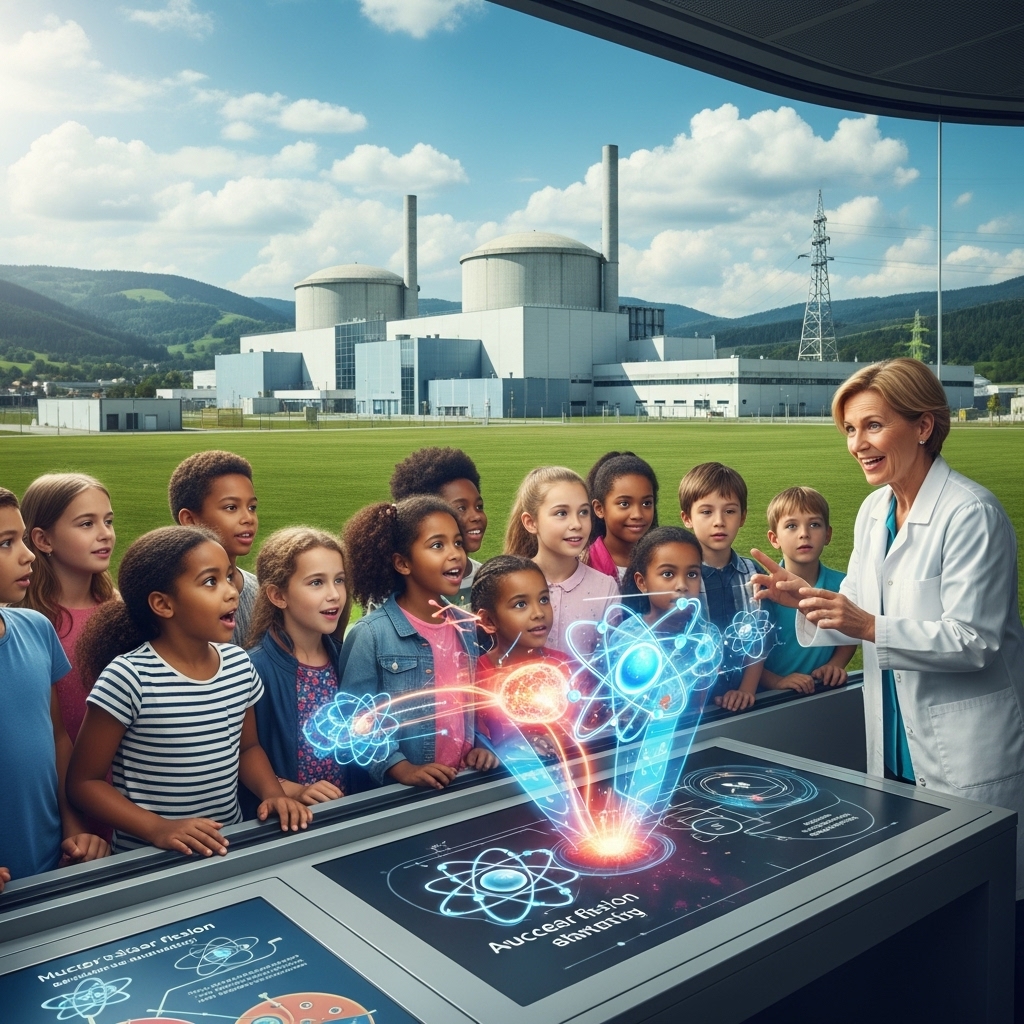
History of Nuclear Power
The history of nuclear energy is quite fascinating. It began with scientific discoveries in the early 20th century, notably with the work of scientists like Marie Curie and Albert Einstein. Their research led to the realization that atoms could be split, which opened the door to nuclear fission. The first controlled nuclear reaction took place in 1942, under the leadership of Enrico Fermi in Chicago. This achievement laid the groundwork for the development of nuclear reactors. I often think about how far we’ve come since then, with nuclear power plants now providing around 10% of the world’s electricity. Read Interesting article: How Many Nuclear Power Plants Are in America? Updated
Components of a Nuclear Power Plant
Nuclear Reactor
The heart of a nuclear power plant is the nuclear reactor. This is where the nuclear fission reaction takes place. Inside the reactor, fuel rods made of uranium or plutonium are housed. When the atoms in these fuel rods split, they release heat. I remember being amazed at how this process, which sounds so complex, can be contained within a robust structure designed to handle extreme conditions.
Steam Generator
Once the reactor generates heat, it needs a way to convert that heat into steam. This is where the steam generator comes into play. It takes the heat from the reactor and uses it to turn water into steam. The design of steam generators can vary, but they all aim to efficiently transfer heat without mixing the coolant with the steam that powers the turbines. The first time I saw a diagram of this process, it was like a light bulb moment for me—I could visualize how everything connected together.
Turbine
After steam is generated, it flows to the turbine. The high-pressure steam spins the turbine blades, converting thermal energy into mechanical energy. This is quite similar to how wind turbines work, but instead of wind, it’s steam doing the heavy lifting. I had a chance to visit a nuclear power plant once, and seeing the turbine in action was impressive. You could almost feel the power it was generating!
Generator
The turbine is connected to a generator, which converts the mechanical energy from the turbine into electrical energy. As the turbine spins, it turns the generator’s rotor, creating electricity through electromagnetic induction. This is where the magic of energy conversion happens. I often find it fascinating how all these components work together seamlessly to produce electricity that powers homes and businesses.
Cooling Tower
After the steam has passed through the turbine, it needs to be cooled down and converted back into water to be reused in the system. This is where the cooling tower comes in. Cooling towers release excess heat into the atmosphere, usually in the form of water vapor. Visiting a cooling tower for the first time, I was struck by its size and the sheer amount of steam it released. It’s a crucial component to ensure the efficiency and safety of the plant.
These components all work together in harmony, creating a complex yet efficient system. Understanding how they function gives me an appreciation for the engineering marvel that is a nuclear power plant. It’s not just about generating electricity; it’s about doing so safely and sustainably. As we dive deeper into how a nuclear reactor works, I find myself even more intrigued by the science behind it all. Read Interesting article: How Do Nuclear Power Plants Work? Simple Breakdown
How a Nuclear Reactor Works
Nuclear Fission Process
At the core of a nuclear reactor lies the fascinating process of nuclear fission. Essentially, this is when heavy atomic nuclei, like uranium-235 or plutonium-239, absorb a neutron and become unstable, causing them to split into two or more smaller nuclei, along with a few additional neutrons and a vast amount of energy in the form of heat. I remember my first encounter with a fission diagram; it was eye-opening to see how one reaction could set off a chain reaction, releasing energy that could be harnessed for power. This chain reaction is carefully controlled in a reactor to ensure a steady output of energy, making it a powerful yet delicate balance.
Control Rods and Neutron Moderation
To manage the nuclear fission process, control rods play a crucial role. These rods, often made of materials like boron or cadmium, can absorb neutrons and slow down or stop the fission process. I’ve often thought of them as the brakes in a car; when you pull the lever, you can control the speed of the reaction. By raising or lowering these control rods into the reactor core, operators can maintain the desired level of reaction. This moderation is key because it ensures that the reactor operates safely within its limits. I learned that without this mechanism, the reactor could overheat and lead to dangerous situations.
Cooling Systems
Cooling systems are vital in a nuclear reactor, ensuring that the heat produced is managed efficiently. As the fission process generates heat, it’s imperative to keep the reactor from overheating. I found it fascinating to discover that water is often used as both a coolant and a neutron moderator in many reactors. The water circulates through the reactor, absorbing heat and transferring it to the steam generator. However, if something were to go wrong, having backup cooling systems in place is essential. I remember reading about how redundant cooling systems can kick in during emergencies, a feature that reassures me about the safety measures in place.
The Power Generation Process
Heat Production
Once the fission reaction is underway, the process of heat production becomes the focus. The heat generated in the reactor is what drives the entire nuclear power generation process. I’ve always been amazed by how much energy is released from such a small amount of fuel; it’s like finding out that a tiny piece of chocolate can fuel a whole marathon. This heat is vital because it sets everything in motion, allowing the steam generators to do their job.
Steam Production
As the heat from the reactor warms the water in the steam generator, steam is produced. This steam is under high pressure and plays a crucial role in driving the turbine. I recall watching a documentary that showed how the transformation of water into steam was like a magician turning a simple card into a grand illusion. There’s something incredible about understanding that this steam, created from nuclear reactions, can lead to the electricity that powers my home.
Turbine Operation
Once steam is generated, it flows towards the turbine. This is where the magic happens! The high-pressure steam spins the turbine blades, converting thermal energy into mechanical energy. I have to say, seeing this in person was thrilling; I remember the whoosh of steam and the powerful sound of the turbine spinning. It’s almost like watching a performance where all parts work in perfect harmony, each contributing to the greater goal of generating electricity.
Electricity Generation
After the turbine does its job, it’s connected to a generator that converts the mechanical energy into electrical energy. I found it fascinating to learn that this conversion happens through electromagnetic induction. As the turbine spins, it turns the rotor inside the generator, creating electrical currents. It’s like a dance of energy; the whole process feels so interconnected and fluid. Just thinking about it gives me a sense of appreciation for how much work goes into creating the electricity that powers our daily lives.
Safety Measures in Nuclear Power Plants
Containment Structures
When I think about nuclear power plants, one of the first things that come to my mind is how safety is prioritized. A critical component of this safety is the containment structure. These structures are built to withstand extreme events, such as earthquakes or even impacts from aircraft. It’s fascinating to learn that these buildings are often constructed from reinforced concrete and steel, designed to keep radioactive materials contained in case of an emergency. I remember watching a documentary that showed how these structures can endure significant pressure, and it gave me a sense of reassurance knowing that so much thought goes into protecting the surrounding environment and communities.
Emergency Cooling Systems
Another crucial safety feature is the emergency cooling systems that nuclear power plants have in place. During my research, I discovered that these systems are designed to kick in automatically if the primary cooling systems fail. This redundancy is vital because it ensures that the reactor core remains cool, even in unforeseen circumstances. I once attended a seminar where a nuclear engineer explained how these systems work. They use a variety of methods, such as water, to keep the temperatures down, and hearing about it made me appreciate the layers of safety that protect both the plant and its workers. Knowing that these backup systems are ready to activate at a moment’s notice provides a comforting sense of security.
Regular Safety Protocols and Inspections
In addition to physical structures and systems, the culture of safety in nuclear plants is reinforced through regular protocols and inspections. I learned that these plants undergo rigorous testing and maintenance procedures to ensure everything is functioning correctly. From my experience, it’s fascinating to realize that inspectors assess everything—from the reactors to the cooling systems—on a routine basis. I’ve seen how this proactive approach not only helps prevent accidents but also builds trust within the community. When I hear about these stringent measures, I feel reassured knowing that there’s a dedicated workforce committed to the safety and reliability of nuclear power.
Environmental Impact of Nuclear Energy
Carbon Emissions Compared to Fossil Fuels
One of the aspects of nuclear energy that I find particularly compelling is its environmental impact—especially when compared to fossil fuels. Nuclear power plants produce electricity with minimal carbon emissions, which is incredibly important for combating climate change. I remember reading studies that highlighted how a single nuclear power plant can prevent millions of tons of carbon dioxide from entering the atmosphere each year. It’s fascinating to think about how this clean energy source can contribute to a more sustainable future. In my opinion, the low emissions profile of nuclear energy makes it a valuable player in the fight against global warming.
Nuclear Waste Management
However, the environmental story is not entirely positive. Nuclear waste management is a significant challenge that comes with this energy source. I’ve learned that spent nuclear fuel is highly radioactive and can remain hazardous for thousands of years. The process of storing and disposing of this waste requires careful planning and implementation. I remember visiting a facility designed for long-term waste storage, and it struck me how much effort goes into ensuring its safety. From what I’ve gathered, there are various methods being explored for waste management, including deep geological repositories and reprocessing techniques. This part of the nuclear energy conversation is crucial, and it’s something we must address responsibly.
Potential Risks and Mitigation Strategies
While nuclear energy has its advantages, it also comes with potential risks that must be acknowledged. Incidents like the ones at Chernobyl and Fukushima remind us of what can happen when things go wrong. I’ve spent time reading about these disasters, and it’s clear that they have shaped the way we approach nuclear safety today. I believe that understanding these risks allows us to implement better safety measures and response strategies. For instance, many plants have developed advanced systems for monitoring and managing potential hazards. It’s reassuring to know that lessons learned from past failures have led to improvements in technology and protocol, making the industry safer than ever.
Advantages and Disadvantages of Nuclear Power
Benefits of Nuclear Energy
Nuclear energy offers numerous benefits, and I find it important to highlight them. Beyond the low carbon emissions, nuclear power is incredibly efficient. A small amount of nuclear fuel can produce a substantial amount of electricity. I’ve always been amazed at how a mere handful of uranium pellets can generate power for an entire city. Additionally, nuclear plants provide a stable energy supply, which is crucial for meeting our growing energy demands. I often think about how this reliability sets it apart from other renewable sources that can be more intermittent, like solar and wind.
Challenges and Concerns
Despite its advantages, nuclear energy does face challenges and concerns. The high costs associated with building nuclear plants can be a significant barrier. I remember discussing this topic with friends, and we all agreed that while the upfront investment can be daunting, the long-term benefits may outweigh the initial expenses. Moreover, public perception plays a huge role in the future of nuclear power. Fear stemming from past accidents can lead to opposition against new projects. I believe that education and transparency are key to addressing these concerns and fostering a more informed conversation about the role of nuclear energy in our future.
Frequently Asked Questions
What is nuclear energy?
Nuclear energy is a form of energy released during nuclear fission or fusion, coming from the nucleus of an atom. It is harnessed in nuclear power plants to generate electricity.
How does a nuclear power plant generate electricity?
A nuclear power plant generates electricity by using nuclear fission to produce heat, which creates steam that drives turbines.
What are the main components of a nuclear power plant?
The main components of a nuclear power plant include the nuclear reactor, steam generator, turbine, generator, and cooling tower.
What role do control rods play in a nuclear reactor?
Control rods absorb neutrons and can slow down or stop the fission process, allowing operators to maintain the desired level of reaction in the reactor.
How does steam production occur in a nuclear power plant?
Steam production occurs when the heat generated in the reactor warms water in the steam generator, turning it into high-pressure steam that drives the turbine.
What safety measures are implemented in nuclear power plants?
Safety measures include containment structures, emergency cooling systems, and regular safety protocols and inspections to ensure safe operation.
What is the environmental impact of nuclear energy?
Nuclear energy produces minimal carbon emissions compared to fossil fuels, making it significant for combating climate change, but it also faces challenges with nuclear waste management.
What are the benefits of nuclear energy?
Benefits of nuclear energy include low carbon emissions, high efficiency in electricity production, and a stable energy supply crucial for meeting growing energy demands.
What challenges does nuclear energy face?
Challenges include the high costs of building nuclear plants and public perception issues stemming from fears related to past nuclear accidents.
How is nuclear waste managed?
Nuclear waste management involves careful planning for the storage and disposal of highly radioactive spent nuclear fuel, with methods including deep geological repositories and reprocessing techniques.