
Plants reproduce through two primary methods: asexual and sexual reproduction. Each method has its own unique processes and plays a crucial role in the survival and evolution of plant species. Understanding these processes can also shed light on how different types of cells function in plants and animals. How Are Plant and Animal Cells Different? Simple Guide provides further insights on this topic.
Understanding Plant Reproduction
What is Plant Reproduction?
Plant reproduction refers to the biological process by which plants produce new individuals or offspring. This can occur either through asexual means, where a single plant can create a clone of itself, or through sexual means, which involves the fusion of male and female gametes. I find it fascinating how plants have evolved these methods to ensure their survival in various environments.
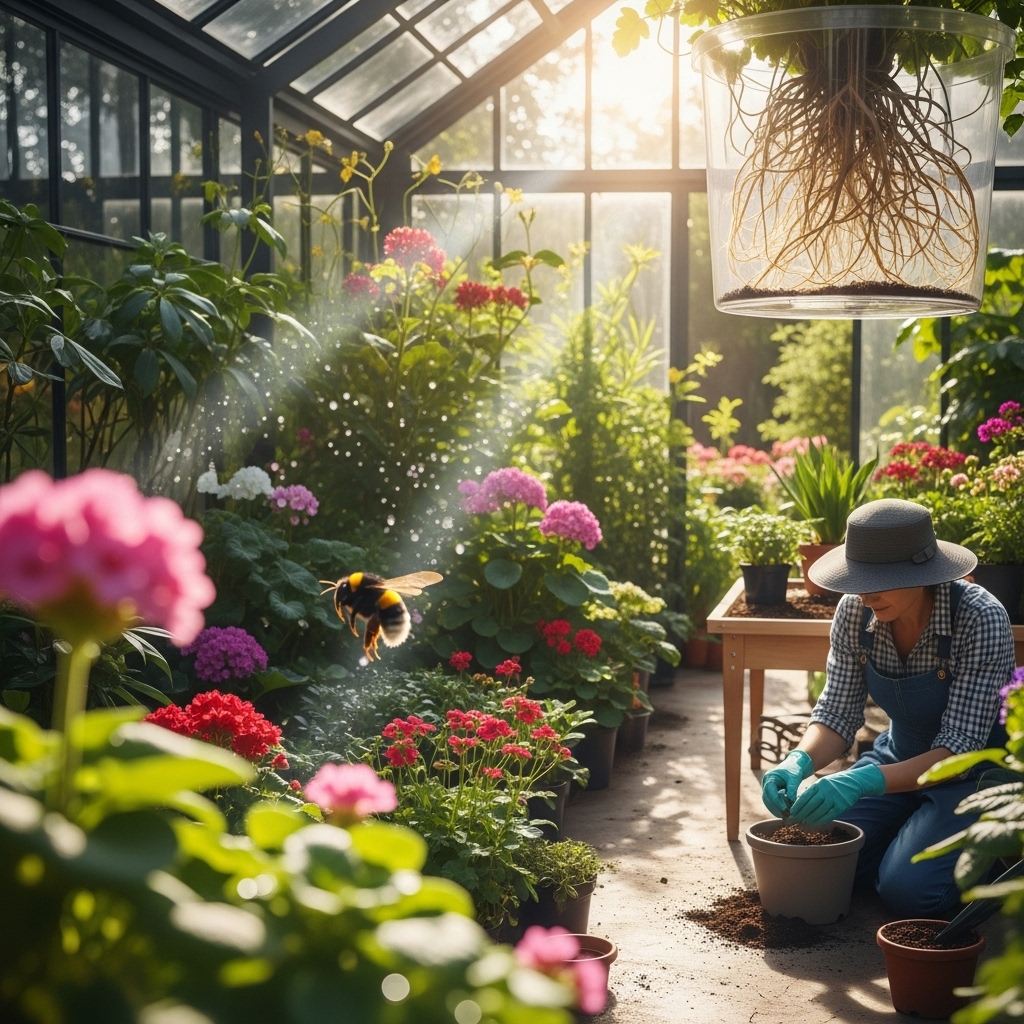
Importance of Reproduction in Plants
The ability to reproduce is vital for the continuation of plant species. Without reproduction, plants would not be able to pass on their genetic information or adapt to changing environments. I’ve learned that plant reproduction also plays a significant role in ecosystems, providing food and habitat for countless organisms. In my experience watching nature, I’ve seen how the cycle of life, from blooming flowers to developing seeds, intertwines with the health of our planet.
Types of Plant Reproduction
Asexual Reproduction
Definition and Overview
Asexual reproduction is a process where a single parent plant produces offspring without the involvement of gametes. This means that the offspring are genetically identical to the parent. I’ve often marveled at how certain plants can thrive just by sprouting a new shoot or root, creating a clone of themselves. It’s like nature’s version of a photocopy!
Methods of Asexual Reproduction
Vegetative Propagation
Vegetative propagation is one of the most common forms of asexual reproduction. In this method, new plants grow from parts of the parent plant, such as stems, roots, or leaves. I remember trying this with my grandmother’s beloved geraniums. We would take a cutting, place it in water, and watch as roots began to sprout. It’s a simple yet effective way to multiply plants. Cool Imaginary Plant Technique Names (Creative List) might inspire some creative propagation techniques!
Fragmentation
Fragmentation occurs when a part of the plant breaks off and develops into a new individual. This is common in plants like spider plants and certain types of succulents. I once accidentally broke a leaf off a succulent, and to my surprise, it took root in the soil I planted it in! It was a delightful reminder of how resilient plants can be.
Budding
Budding is another fascinating method of asexual reproduction. In this process, a small new plant grows off the side of the parent plant. Once it’s sufficiently developed, it can detach and grow independently. I’ve seen this beautifully illustrated in hydrangeas, where clusters of blooms can appear like little babies on the parent stem.
Apomixis
Apomixis is a unique reproductive strategy where seeds are produced without fertilization. This means that the offspring can be clones of the parent plant, even though they come from seeds. I learned about this fascinating method while studying dandelions, which can produce seeds without the need for pollination. It shows just how adaptable plants can be!
Sexual Reproduction
Definition and Overview
Unlike asexual reproduction, sexual reproduction involves the combination of genetic material from two parent plants. This results in offspring that are genetically diverse, which is essential for the evolution and survival of plant species. I’ve always found it interesting how flowers, often seen as symbols of beauty, are actually intricate structures designed specifically for reproduction.
Key Processes in Sexual Reproduction
Pollination
Pollination is the first step in the sexual reproduction process. It occurs when pollen grains from the male part of a flower (the anther) are transferred to the female part (the stigma). This can happen in various ways, including by wind, insects, or animals. I’ve spent hours in my garden watching bees buzz from flower to flower, unknowingly playing a vital role in this process. It’s amazing how interconnected life is!
Fertilization
After pollination, fertilization occurs when the male gamete (sperm) fuses with the female gamete (egg) inside the ovule. This process leads to the formation of a zygote, which will eventually develop into a seed. I remember feeling a sense of wonder the first time I learned about fertilization—the sheer complexity and beauty of life starting from such a tiny point! Understanding the Female Gamete of Pumpkin Plant: Simple Answer Explained can provide deeper insights into this process.
Seed Development
Once fertilization occurs, the zygote develops into a seed. During this stage, the seed takes shape, and it will contain the genetic material of both parent plants. I’ve planted many seeds in my garden, and watching them grow into new plants always feels like witnessing a miracle. It’s a cycle that connects us all, from the tiniest seed to the tallest tree.
Overall, understanding how plants reproduce not only deepens my appreciation for nature but also helps us learn about the vital roles plants play in our ecosystems and our lives. Whether through asexual or sexual means, the processes are complex and fascinating. I can’t wait to dive deeper into the next sections to explore pollination, fertilization, and all the ways seeds are spread across the earth.
Pollination: The First Step in Sexual Reproduction
What is Pollination?
Pollination is a crucial step in the process of plant reproduction. It involves the transfer of pollen from the anther (the male part of the flower) to the stigma (the female part). I’ve always found it fascinating how this tiny grain can play such a significant role in the creation of new life. Without pollination, many plants would be unable to produce seeds, which means no new plants! It’s like a hidden connection between the flowers and the entire ecosystem around us.
Types of Pollination
Self-Pollination
Self-pollination occurs when pollen from the same flower fertilizes its own ovules. This method can be quite efficient, especially in environments where pollinators are scarce. I remember learning about flowers like peas and tomatoes that often use this method. It’s like they have a built-in backup plan. While self-pollination can be beneficial, it can also limit genetic diversity, which I think is essential for the long-term survival of a species.
Cross-Pollination
Cross-pollination, on the other hand, involves pollen being transferred from one flower to another, typically of the same species. This method promotes genetic diversity, which is vital for adaptation and resilience. I’ve seen how bees and butterflies, flitting from one bloom to another, help facilitate this process. It’s almost like nature has its own matchmaking service! Watching this happen in my garden made me appreciate how interconnected life truly is.
Agents of Pollination
Wind
Wind is one of the primary agents of pollination for many plants, especially those with lightweight pollen grains. Grasses and certain trees, like pines, depend on the wind to carry their pollen over long distances. I find it remarkable how these plants have adapted to use the elements for their reproductive success. Just thinking about how pollen can travel for miles in the breeze is awe-inspiring!
Insects
Insects, particularly bees, play an enormous role in pollination. Flowers often have evolved specific traits to attract these pollinators, such as bright colors and sweet nectar. I often sit outside, watching bees diligently working from flower to flower. It’s fascinating how they not only gather food for themselves but also help plants reproduce. I feel like every time I see a bee, I’m witnessing a small miracle of nature in action.
Animals
In addition to insects, many animals contribute to pollination as well. Birds, bats, and even some small mammals can be important pollinators for specific plants. For instance, I’ve read about hummingbirds being attracted to certain flowers that produce nectar, helping those plants reproduce in the process. It’s a beautiful reminder of how various species work together in an ecosystem.
Fertilization: The Next Step
What Happens During Fertilization?
Fertilization is the moment when the male gamete (sperm) successfully meets the female gamete (egg), resulting in the formation of a zygote. It’s a process that marks the beginning of new life. I remember when I first learned about how this occurs inside the ovule, and I was astounded by the complexity of it all. It’s like a tiny miracle happening right before our eyes, even if we can’t see it!
Role of Pollen and Ovules
Pollen plays a crucial role in fertilization as it carries the male gametes to the ovules. Once a pollen grain lands on a compatible stigma, it germinates and grows a pollen tube down to the ovule. This journey is critical because it allows the sperm cells to reach the egg for fertilization. I think it’s amazing how plants have developed such intricate systems to ensure their continuation. The journey of a single pollen grain to fuse with an egg is an adventure in itself!
Seed Development and Dispersal
How Seeds Form
After fertilization, the zygote develops into a seed. This process involves several stages, including cell division and differentiation, where the zygote begins to grow into an embryo. I’ve planted seeds in my garden and watched as they grow and change. It’s like being a part of a small miracle when you see that first green shoot pushing through the soil! It’s incredible how much potential lies within a tiny seed.
Types of Seeds
Dry Seeds
Dry seeds are often harder and can be found in plants like beans and grains. They require specific conditions to germinate, such as moisture and warmth. I remember harvesting seeds from my garden and marveling at their resilience. Even after months of being stored away, they can still spring to life with the right care.
Fleshy Seeds
Fleshy seeds, like those found in fruits, often have an outer layer that helps protect them and sometimes aids in their dispersal. When you eat an apple, for example, the seeds inside are surrounded by delicious, edible flesh. I love how nature has designed fruits to attract animals, who then help spread the seeds, allowing new plants to grow in different locations.
Methods of Seed Dispersal
Wind Dispersal
Wind dispersal is an effective way for plants to spread their seeds across vast distances. Dandelion seeds are a perfect example—I can still picture the joy of blowing on a dandelion puff and watching the seeds float away. It’s a simple yet beautiful method of ensuring that new plants can take root far away from their parent.
Water Dispersal
Some seeds have adapted to travel by water. For instance, coconut seeds can float and are often carried by ocean currents to new shores. It’s fascinating to think about how these seeds can travel such long distances, potentially finding a new home where they can thrive.
Animal Dispersal
Animals play a significant role in seed dispersal as well. Many seeds pass through the digestive systems of animals, allowing them to be deposited in new locations. I’ve noticed how certain berries attract birds, which then spread the seeds in their droppings. It’s a lovely cycle where plants and animals benefit from one another.
Factors Affecting Plant Reproduction
Environmental Factors
Several environmental factors can significantly influence plant reproduction. I’ve often observed how changes in the weather and seasons can affect the blooming and fruiting of plants. Each factor plays a unique role in how well plants can reproduce and thrive.
Light
Light is one of the most crucial factors impacting plant reproduction. Plants depend on sunlight for photosynthesis, which provides them with the energy they need to grow and produce flowers and seeds. I remember planting sunflowers in my garden and noticing how they always turned to face the sun. This behavior is called heliotropism, and it’s fascinating how plants have adapted to maximize their light exposure. Without adequate light, plants may struggle to flower, which directly affects their ability to reproduce.
Water
Water availability also plays a vital role in plant reproduction. Plants require water not just for survival but also to support processes like flower development and seed formation. I’ve seen how during dry spells, my garden plants wilt and produce fewer flowers. It’s a reminder of how essential water is for sustaining life. On the other hand, too much water can lead to root rot, affecting the plant’s health and its ability to reproduce. Finding that balance is critical for successful plant growth.
Soil Quality
The quality of soil can greatly impact plant reproduction as well. Nutrient-rich soil provides the necessary elements for healthy growth and flowering. When I started my vegetable garden, I learned how important it was to amend the soil with compost to boost its nutrient content. Poor soil can hinder growth, leading to weak plants that may not produce flowers or seeds effectively. I believe that healthy soil is like a strong foundation for a house; without it, everything else struggles.
Biological Factors
In addition to environmental factors, biological aspects also play a significant role in plant reproduction. I’ve come to appreciate how genetics and the overall health of the plant can influence its reproductive success.
Genetics
Genetics determines many traits in plants, including their ability to reproduce. Some plants have evolved specific adaptations that enhance their reproductive success, such as producing larger flowers to attract more pollinators. I remember reading about how hybrid plants can sometimes have enhanced traits, making them more resilient and better at reproducing. Understanding the genetic makeup of plants has opened my eyes to the incredible diversity found in nature.
Plant Health
The overall health of a plant is crucial for successful reproduction. Healthy plants are more likely to produce robust flowers and seeds. I’ve noticed that plants stressed by pests or diseases often fail to flower or produce fewer seeds. This has made me more attentive to the signs of plant health in my garden, ensuring they are well-fed and free from pests. Maintaining good plant health through proper care is essential for a flourishing garden that can sustain itself through reproduction.
Examples of Plant Reproduction
Common Plants That Reproduce Asexually
When it comes to asexual reproduction, there are several plants that do this quite effectively. One of my favorites is the potato, which reproduces through tubers. I remember digging them up in my backyard garden and being amazed at how each potato could sprout into a new plant. Another example is the spider plant, which produces “pups” that can be easily propagated in water or soil. Watching them grow has always been a joyful experience for me.
Common Plants That Reproduce Sexually
On the other side of the spectrum, many plants thrive through sexual reproduction. For instance, many flowering plants, like roses and lilies, reproduce sexually and rely on pollinators to aid in the process. I’ve always been captivated by the beauty and fragrance of roses in my garden; their ability to attract bees and butterflies is a reminder of the intricate relationships in nature. Another example is the apple tree, which produces delicious fruits that contain seeds for the next generation. I love how each apple can carry the potential for a new tree, creating a cycle of life that continues year after year.
Frequently Asked Questions
What are the two primary methods of plant reproduction?
The two primary methods of plant reproduction are asexual and sexual reproduction.
What is asexual reproduction in plants?
Asexual reproduction is a process where a single parent plant produces offspring without the involvement of gametes, resulting in genetically identical offspring.
What is vegetative propagation?
Vegetative propagation is a common form of asexual reproduction where new plants grow from parts of the parent plant, such as stems, roots, or leaves.
How does pollination occur?
Pollination occurs when pollen grains from the male part of a flower (the anther) are transferred to the female part (the stigma), which can happen through various agents like wind, insects, or animals.
What is the significance of fertilization in plant reproduction?
Fertilization is significant as it involves the fusion of the male gamete (sperm) with the female gamete (egg) inside the ovule, leading to the formation of a zygote which will develop into a seed.
What are the types of pollination?
The two types of pollination are self-pollination, where pollen fertilizes its own ovules, and cross-pollination, where pollen is transferred from one flower to another of the same species.
What factors influence plant reproduction?
Environmental factors such as light, water availability, and soil quality, as well as biological factors like genetics and the overall health of the plant, can significantly influence plant reproduction.
Can you name some common plants that reproduce asexually?
Common plants that reproduce asexually include potatoes, which reproduce through tubers, and spider plants, which produce “pups” that can be propagated easily.
What role do insects play in plant reproduction?
Insects, particularly bees, play a crucial role in pollination by transferring pollen from flower to flower, facilitating the sexual reproduction of many plants.
What are the methods of seed dispersal?
Methods of seed dispersal include wind dispersal, where seeds are carried by the wind; water dispersal, where seeds float and travel by water; and animal dispersal, where seeds pass through animals’ digestive systems and are deposited in new locations.