
Cucumbers should be spaced about 18 to 36 inches apart, depending on the variety and growing method. Proper spacing ensures good air circulation, sunlight exposure, and room for growth, which are all crucial for healthy plants.
Understanding Cucumber Planting Basics
Planting cucumbers is one of the joys of gardening that I’ve come to appreciate over the years. Whether you’re a seasoned gardener or just starting out, knowing how to plant cucumbers correctly can make a big difference in your yield and the health of your plants. There’s more to this than just throwing seeds into the ground; understanding the basics will set you up for success.
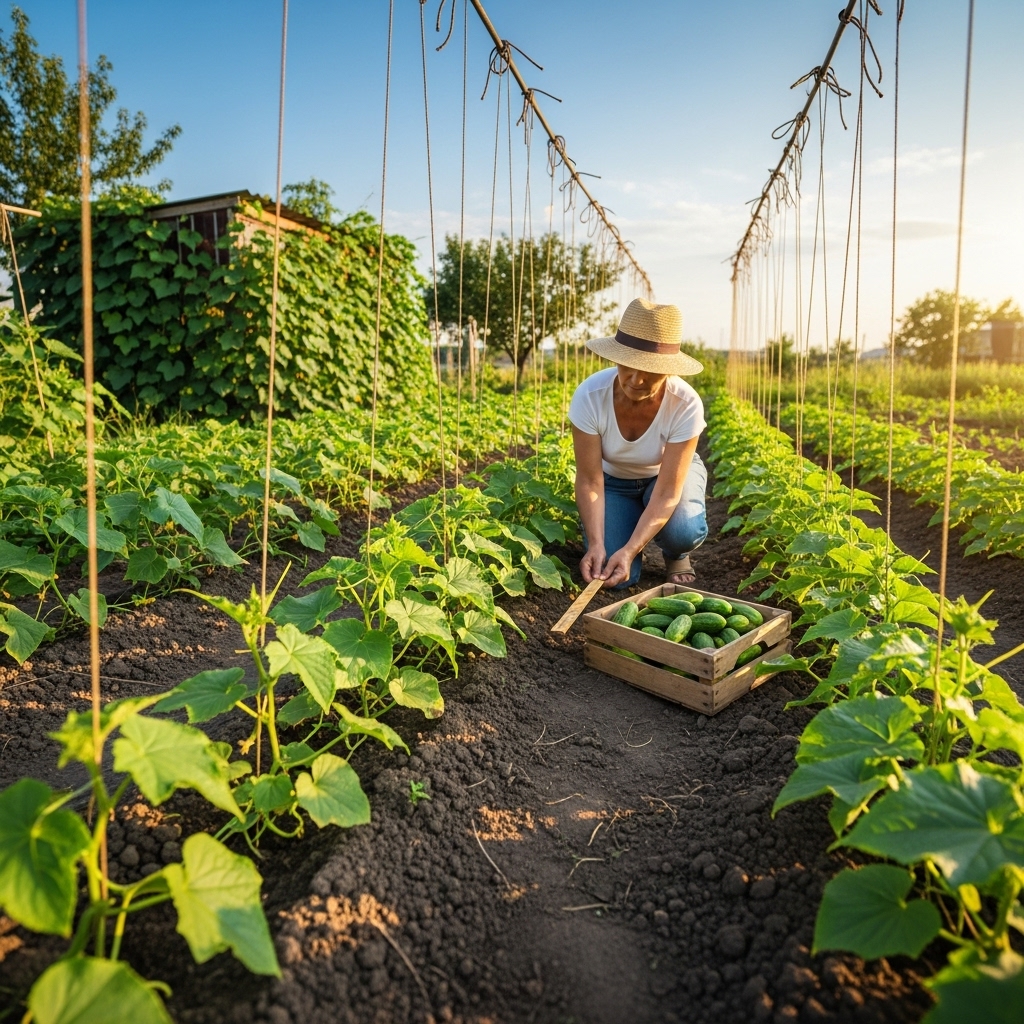
Cucumber Varieties and Their Needs
Cucumbers come in various types, each with unique characteristics and needs. The three main categories are slicing cucumbers, pickling cucumbers, and gherkin cucumbers. Slicing cucumbers are typically larger and are the ones you see in salads. They need more space as they grow, usually about 36 inches apart. Pickling cucumbers are smaller and more compact, making them suitable for canning. They can be planted closer together, around 18 to 24 inches apart. Lastly, gherkins, the tiny cousins of cucumbers, are often spaced even closer, at about 12 to 18 inches.
From my experience, I’ve found that knowing the specific needs of your cucumber type can greatly influence your garden layout. I remember one year, I mixed up my pickling and slicing cucumbers and ended up with overcrowded plants that struggled to thrive. Ever since that lesson, I’ve made it a point to keep a detailed planting plan!
Soil Requirements for Cucumbers
The soil you choose for your cucumbers is just as important as the spacing. Cucumbers thrive in well-draining, loamy soil that’s rich in organic matter. The pH level should ideally fall between 6.0 and 7.0, which is slightly acidic to neutral. I’ve tested my soil using simple kits from local garden centers, and the results helped me adjust nutrient levels effectively.
To prepare the soil, I usually incorporate compost or well-rotted manure about a week before planting. This not only enriches the soil but also improves its structure, allowing roots to spread easily. If you’re unsure about your soil quality, consider growing cucumbers in raised beds filled with a quality mix; this has worked wonders for me in terms of drainage and nutrient availability.
Ideal Spacing for Different Cucumber Types
Spacing for Slicing Cucumbers
Slicing cucumbers require ample space to grow, as they can spread quite a bit. For these, I recommend planting them 36 inches apart in rows that are also spaced at least 36 inches apart. This gives the plants room to breathe and ensures that they get plenty of sunlight. I’ve observed that when I follow this spacing, my cucumbers not only grow larger but also develop a sweeter taste.
Spacing for Pickling Cucumbers
For pickling cucumbers, which are generally smaller, you can reduce the spacing to about 18 to 24 inches apart. It’s essential to keep them in rows spaced about 36 inches apart, just like slicing cucumbers. I’ve tried planting them closer together in the past, and while it seemed like a good idea at the time, it resulted in plants that were competing for resources and ultimately produced fewer cucumbers.
Spacing for Gherkin Cucumbers
Gherkins, the smallest variety, can be spaced even closer, about 12 to 18 inches apart within the row. Their compact nature allows for more plants in a smaller area, which can be perfect if you’re looking to make pickles. However, even with gherkins, maintaining adequate row spacing of about 24 to 36 inches is crucial for airflow and light exposure. I remember the first time I planted gherkins, I was amazed at how many I could fit into a small garden plot by following this spacing guide!
Factors Influencing Cucumber Spacing
Growth Habits: Bush vs. Vining Cucumbers
Cucumbers can be bush or vining types, and this significantly influences spacing. Bush cucumbers are more compact and can be planted closer together, while vining cucumbers require more space to send out their tendrils. I’ve found that when growing vining varieties, using trellises not only saves space but also promotes better air circulation and sun exposure. If you’re using trellises, you can plant them about 12 to 24 inches apart, depending on the specific variety.
Climate and Growing Conditions
The climate where you live can also dictate how far apart to plant your cucumbers. In warmer areas, I’ve noticed that cucumbers can grow larger and spread more, requiring more space. In cooler climates, they might not spread as much, and I’ve often planted them a bit closer together without issue. It’s always worthwhile to observe how your plants behave in your specific conditions and adjust accordingly.
Soil Fertility and Nutrient Availability
The fertility of your soil is another crucial factor when determining spacing. If your soil is rich in nutrients, plants can often grow closer together without competing too fiercely for resources. Conversely, in less fertile soil, it’s wise to give your plants more room to grow. I’ve learned this the hard way: overcrowding in poor soil leads to weak plants that struggle to produce. Regular soil testing has become part of my gardening routine to ensure my cucumbers thrive.
How to Properly Space Your Cucumber Plants
Step-by-Step Planting Guide
When it comes to planting cucumbers, I’ve found that having a clear step-by-step process makes everything go smoothly. Here’s how I typically approach planting my cucumbers:
- Choose the Right Time: I always wait until after the last frost in my area. Cucumbers love warmth! The soil temperature should be at least 70°F for optimal germination.
- Prepare Your Garden Bed: I clear any weeds and debris and then till the soil to a depth of about 12 inches. This loosens things up and helps with drainage.
- Mark Your Rows: Using stakes and string, I mark out the rows according to the spacing I’ve chosen based on the variety—36 inches apart for slicing cucumbers, 18-24 inches for pickling, and 12-18 inches for gherkins.
- Create Planting Holes: I dig holes or furrows at the appropriate intervals. For vining types, I usually dig deeper holes, as their roots need room to grow.
- Plant the Seeds: I drop in the seeds and cover them lightly with soil. I generally plant 2-3 seeds per hole just in case some don’t germinate.
- Water Gently: After planting, I give them a gentle watering to help settle the soil around the seeds. I try not to overwater at this stage to avoid washing the seeds away.
Following this guide has made my planting process so much more efficient. It’s a joy to see the little green sprouts emerge after a week or so!
Using Trellises for Vertical Growth
Using trellises has been one of my favorite gardening techniques, especially for vining cucumbers. Not only does it save space, but it also keeps the cucumbers off the ground, which can help prevent diseases. Here’s how I incorporate trellises into my cucumber-growing routine:
- Choose the Right Trellis: I often use A-frame or single-panel trellises, depending on my space and the variety of cucumbers I’m growing. Ensure that the trellis is sturdy enough to support the weight of the plants as they grow.
- Planting Near the Trellis: I plant my cucumber seeds about 12 to 24 inches from the base of the trellis. This gives the plants enough room to grow and climb.
- Encouraging Climbing: As the plants start to grow, I gently guide the tendrils toward the trellis. Sometimes, I use soft ties to help them latch onto the structure.
Over the years, I’ve found that trellising not only maximizes my garden space but also improves air circulation, which is essential for preventing fungal diseases. I love walking through my garden, watching the cucumbers climb and produce!
Tools and Techniques for Accurate Spacing
Getting the spacing right can be tricky, but I’ve learned a few tools and techniques that make it easier. Here are my go-tos:
- Measuring Tape: A simple measuring tape comes in handy for marking out rows and ensuring I’m keeping the correct distances. It’s a small investment that pays off.
- Seed Spacing Templates: I’ve seen various templates online that can help with consistent spacing. When I used one, it made planting much quicker and more accurate.
- Planting Markers: I use stakes or markers to indicate where I’ve planted seeds. This helps me remember which rows are which, especially if I’m growing multiple varieties.
With these tools, I’ve felt more confident in my planting process. I can easily make adjustments as I go, ensuring that each cucumber plant has the space it needs to flourish.
Common Mistakes to Avoid When Planting Cucumbers
Overcrowding: Signs and Consequences
One of the biggest mistakes I made early in my gardening journey was overcrowding my cucumber plants. At first, I thought more plants would equal more cucumbers, but I quickly learned that this couldn’t be further from the truth. Overcrowding can lead to poor air circulation, fungal diseases, and competition for nutrients.
Some signs I’ve noticed when overcrowding occurs include yellowing leaves, stunted growth, and, unfortunately, fewer fruits. It’s heartbreaking to see my hard work not yield results. I recommend paying close attention to how your plants are spaced and making adjustments if you notice any of these symptoms.
Ignoring Growth Patterns
Another mistake I made was not paying enough attention to the growth patterns of my cucumber varieties. Different types grow differently, and I initially didn’t account for this. Vining cucumbers need ample vertical space while bush varieties can be planted closer together. Ignoring these patterns can lead to issues down the road.
I’ve learned to research my specific cucumber types and monitor their growth closely. This way, I can adjust my spacing and care practices based on how they’re thriving.
Neglecting Soil Health
Lastly, neglecting soil health can be detrimental. Healthy soil is the foundation of a productive garden. I used to focus solely on plant spacing and watering, but I’ve learned that enriching the soil with organic matter and regular testing is crucial. If the soil is lacking in nutrients, even the best-planned spacing won’t help my cucumbers flourish.
By avoiding these common mistakes, I’ve seen my cucumber plants thrive, producing more fruit and healthier growth. I believe that a little extra care goes a long way in gardening!
Post-Planting Care and Maintenance
Watering and Irrigation Practices
Once my cucumber seeds are in the ground, I find that proper watering is one of the most critical aspects of their care. Cucumbers are about 95% water, so they thrive when they receive consistent moisture. I typically water my plants deeply rather than lightly, aiming for about an inch of water per week. This encourages the roots to grow deeper and become more resilient.
I remember when I first started gardening, I didn’t realize how important it was to check the soil moisture before watering. I would just water on a schedule, but sometimes the soil was still moist. Now, I always stick my finger into the soil about an inch deep to see if it feels dry. If it does, I water; if not, I wait a day or two. This simple practice has made a noticeable difference in the health of my cucumber plants.
In addition, I’ve found that using mulch around my cucumber plants helps retain moisture and keeps the soil temperature consistent. Straw or wood chips work well for this. Not only does it prevent weeds, but it also reduces evaporation, which is particularly beneficial during hotter months.
Fertilization Guidelines
Fertilizing cucumbers can feel overwhelming, but I’ve learned that a little goes a long way. Cucumbers are heavy feeders, particularly when they start to fruit. I usually start with a balanced fertilizer, like a 10-10-10 mix, at planting time, working it into the soil. About four to six weeks after planting, I switch to a fertilizer higher in potassium, which encourages fruiting. I usually follow the instructions on the fertilizer package, but if I notice any yellowing leaves, I know it might be time to adjust my fertilization routine.
One tip I picked up is the use of compost tea. I brew it by soaking compost in water for a few days, then straining it out. When I apply it to my cucumber plants, I feel like I’m giving them a nutrient boost without the risk of over-fertilizing. It’s an organic way to keep my plants happy and healthy!
Pest and Disease Management
Pest management is something I’ve had to learn the hard way over the years. Cucumbers can be susceptible to pests like aphids, cucumber beetles, and spider mites. I often keep a close eye on my plants, checking the undersides of leaves and other hiding spots for any signs of trouble. When I spot pests early, I can remove them by hand or spray them off with a strong jet of water.
Another method I’ve found effective is planting companion plants. For instance, marigolds are great for deterring cucumber beetles, and I’ve had success with interplanting them. Read Interesting article: What to Plant With Cucumbers (Best Companions). It’s a simple way to create a more balanced ecosystem in my garden.
When it comes to diseases, powdery mildew is one that I’ve had to deal with. I noticed it first on my leaves, and it looked like a white coating. I learned that good air circulation is key to prevention, which is why I’m a big fan of proper spacing and trellising. If I do spot powdery mildew, I spray a mixture of water and baking soda on the affected areas, which has worked wonders for me.
Maintaining vigilance and being proactive about care has enabled me to enjoy a bountiful cucumber harvest year after year. I believe that the effort we put into post-planting care can make all the difference in producing healthy, delicious cucumbers!
Harvesting Cucumbers: Timing and Techniques
When to Harvest Cucumbers
Once my cucumber plants start producing, I can hardly contain my excitement! Knowing when to harvest is crucial to enjoying the best flavor and texture. I typically start checking my cucumbers when they reach about 6-8 inches in length for slicing varieties and about 4-6 inches for pickling types. I’ve learned that the longer they stay on the vine, the more bitter they can become, and nobody wants that!
I feel like the best way to gauge readiness is to pick one and taste it. If it’s crisp and refreshing, then I know I’ve hit the sweet spot. I also keep an eye on the skin color; it should be a vibrant green without any yellowing. If I notice any signs of yellow, I know it’s time to harvest, as it indicates that the cucumber is overripe.
Proper Harvesting Methods
When it comes to harvesting, I always use a sharp knife or garden shears to cut the cucumbers off the vine. I make sure not to pull or twist them, as this can damage the plant and lead to disease. I gently cut the stem, leaving a small part attached to the cucumber. This helps prolong its freshness.
After harvesting, I usually place the cucumbers in a cool, shaded area to keep them crisp. I’ve found that they store best in the refrigerator, wrapped in a paper towel to absorb excess moisture. This way, they stay fresh for a longer period, allowing us to enjoy them in salads, sandwiches, or just as a crunchy snack!
Harvesting is such a rewarding part of the gardening experience for me. I love sharing my bounty with family and friends, and there’s nothing quite like the taste of homegrown cucumbers! Every year, I’m reminded of how much joy and satisfaction gardening can bring.
Frequently Asked Questions
What is the recommended spacing for cucumbers?
Cucumbers should be spaced about 18 to 36 inches apart, depending on the variety and growing method.
What are the three main types of cucumbers?
The three main types of cucumbers are slicing cucumbers, pickling cucumbers, and gherkin cucumbers.
How far apart should slicing cucumbers be planted?
Slicing cucumbers require ample space and should be planted about 36 inches apart.
What spacing is recommended for pickling cucumbers?
Pickling cucumbers should be planted about 18 to 24 inches apart.
What is the ideal spacing for gherkin cucumbers?
Gherkin cucumbers can be spaced about 12 to 18 inches apart within the row.
What type of soil is best for growing cucumbers?
Cucumbers thrive in well-draining, loamy soil that is rich in organic matter, with a pH level between 6.0 and 7.0.
How often should cucumbers be watered?
Cucumbers typically need about an inch of water per week, and it is best to water deeply rather than lightly.
What are some common pests that affect cucumber plants?
Cucumbers can be susceptible to pests like aphids, cucumber beetles, and spider mites.
When should cucumbers be harvested?
Cucumbers should be harvested when they reach about 6-8 inches in length for slicing varieties and about 4-6 inches for pickling types.
What is the best method for harvesting cucumbers?
Use a sharp knife or garden shears to cut cucumbers off the vine, ensuring not to pull or twist them to avoid damaging the plant.