
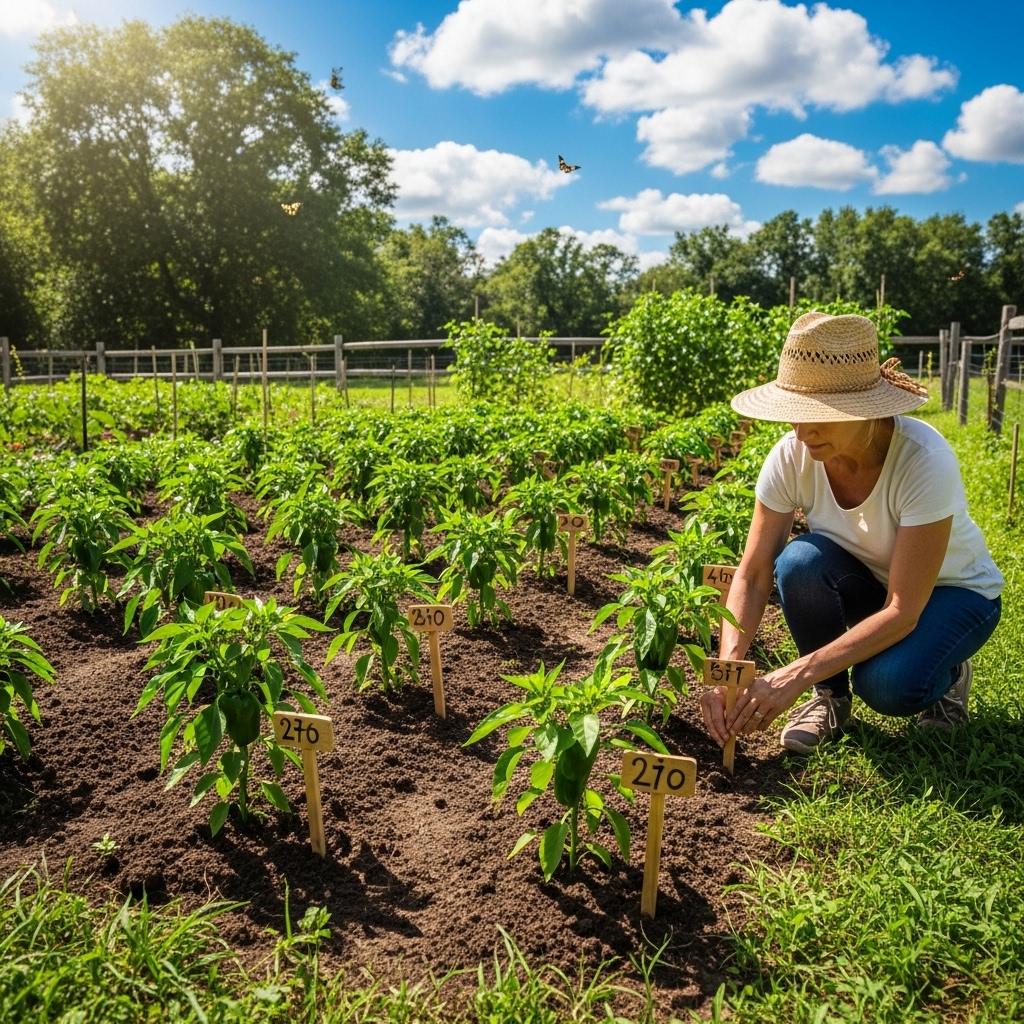
When planting peppers, the ideal spacing is typically 18 to 24 inches apart for standard varieties and about 12 to 18 inches for smaller types. Proper spacing is key to ensuring healthy growth and maximizing your pepper yield.
Understanding Pepper Planting Basics
Before diving into specific spacing recommendations, it’s essential to understand the basics of pepper planting. Peppers are among the most popular vegetables in home gardens, not just for their flavor but also for their vibrant colors and varied heat levels. Whether you’re a seasoned gardener or just starting out, knowing a bit about the types of peppers and their growth habits can greatly influence your planting success. Understanding how to plant peppers for maximum harvest can help you achieve a bountiful yield.
Types of Peppers
There are many types of peppers, and each has its own unique characteristics. Broadly, they can be categorized into two main types: sweet peppers and hot peppers. Sweet peppers include varieties like bell peppers and banana peppers, known for their mild flavor. On the other hand, hot peppers, such as jalapeños and habaneros, pack a spicy punch that can elevate any dish.
I remember the first time I grew peppers in my garden. I started with the classic bell pepper, thinking it would be straightforward. I was thrilled when they started to grow, but I soon learned that each variety has its own needs and quirks. For example, hot peppers often require more sunlight and can be more sensitive to temperature fluctuations compared to their sweet counterparts.
Growth Habits of Pepper Plants
Understanding the growth habits of pepper plants is crucial for successful planting. Most pepper plants grow upright, reaching heights between 18 to 36 inches. They generally have a bushy shape, which can lead to dense foliage. This bushiness is part of what makes proper spacing so important; if plants are too close together, they can block sunlight from reaching each other and hinder airflow.
In my garden, I’ve seen firsthand how crowded plants can lead to stunted growth. The leaves become more susceptible to diseases because moisture can become trapped in dense areas. I’ve learned that giving each plant enough room not only promotes healthier growth but also makes it easier to access the plants for watering and harvesting.
Importance of Proper Spacing
Now that we’ve covered the basics, let’s talk about why spacing is so critical for pepper plants. It might seem like a minor detail, but the distance between your plants can significantly impact their overall health and productivity. Here are some key reasons why spacing matters:
Impact on Air Circulation
Good air circulation is essential for preventing fungal diseases and other issues. When plants are spaced too closely, air can’t move freely around them, creating a humid environment that is perfect for mold and mildew. I’ve had my share of fungal problems in the past, and I can tell you that spacing my plants correctly has made a world of difference. I always aim to ensure that there’s enough space for air to flow between my peppers.
Soil Nutrient Accessibility
Proper spacing also allows each plant to access the nutrients in the soil more effectively. When plants are too close together, their roots will compete for limited nutrients, leading to weaker plants. I remember when I planted my peppers too close in one of my first attempts; they struggled to grow and produced very little fruit. Now, I always make sure to give them the space they need to thrive.
Pest and Disease Management
Another important aspect of spacing is pest and disease management. Crowded plants are more likely to attract pests, as they provide a perfect hiding spot. Additionally, diseases can spread more quickly among tightly packed plants. I’ve found that by spacing my peppers adequately, I’ve reduced the incidence of pests, making my gardening experience much more enjoyable.
In summary, understanding the importance of proper spacing is a vital part of growing healthy and productive pepper plants. I’ve learned that taking the time to plan my garden layout can lead to a bountiful harvest, and I encourage others to consider these factors as well. As I continue my gardening journey, I look forward to sharing more tips and experiences that can help us all grow better peppers together.
Recommended Spacing for Different Pepper Varieties
When it comes to spacing, not all pepper varieties are created equal. Each type has its own characteristics that determine how much room it needs to grow optimally. I’ve learned through trial and error that adhering to specific spacing guidelines can lead to a more productive garden, so let’s break down the recommended spacing for various pepper varieties.
Bell Peppers
Bell peppers are one of the most common peppers grown in home gardens. They typically need more space than some other varieties. I find that spacing them around 18 to 24 inches apart allows them to grow properly without competing for resources. This spacing gives them enough room to develop their bushy shape and ensures they receive adequate sunlight and airflow. In my own garden, I’ve noticed that when I follow this guideline, my bell peppers produce larger fruits and have fewer issues with pests. Learning how to plant bell peppers for high yield has further improved my results.
Hot Peppers
Hot peppers, such as jalapeños and habaneros, can often be planted a bit closer together than bell peppers. I usually space them about 12 to 18 inches apart. However, I still try to give them enough room to breathe. Hot peppers can be quite resilient, but I’ve seen how they thrive when given proper spacing. They tend to grow quite vigorously, and that extra room allows their roots to spread out and access nutrients better. Plus, it makes it easier to harvest those spicy delights without damaging neighboring plants.
Sweet Peppers
Sweet peppers, which include varieties like banana and cubanelle peppers, generally follow similar spacing guidelines to bell peppers. I usually stick to the 18 to 24-inch rule for these types as well. The extra space helps them develop their delicious flavors and ensures they don’t get too crowded. In my experience, these sweet varieties flourish when they have room to expand, resulting in a more abundant harvest. They’re definitely a crowd-pleaser in my garden, and I love sharing the fruits of my labor with friends and family.
Miniature or Specialty Peppers
Miniature peppers or specialty varieties, like the tiny Thai chili or ornamental peppers, can be spaced closer together—about 8 to 12 inches apart. These little peppers might not need as much space, but I still make sure they have enough room to grow without inhibiting each other. I’ve enjoyed growing these unique varieties because they add so much color and interest to my garden. Plus, I find that their compact size allows me to fit more plants into my growing space, which is a bonus if I’m looking to experiment with different flavors.
Factors Influencing Plant Spacing
While general spacing guidelines are helpful, several factors can influence how far apart you should plant your peppers. I’ve discovered that considering these elements can make a huge difference in my gardening success. Let’s dive into some of the key factors that I always keep in mind.
Plant Size and Growth Habit
One of the most significant factors affecting plant spacing is the size and growth habit of the pepper variety. Some varieties grow taller or bushier than others, which means they need more room to thrive. I’ve learned to research each pepper type before planting to understand its growth habits. For instance, larger, bushier plants like certain bell peppers require more space compared to slender varieties like hot peppers. Knowing this has helped me avoid overcrowding and ensured that each plant gets the attention it needs.
Garden Design and Layout
The design and layout of my garden also play a crucial role in spacing decisions. I’ve experimented with different layouts, from rows to raised beds to staggered plantings, and each has its own advantages. When planning my garden, I try to visualize how the plants will grow and take into account their mature size. This helps me decide how much space each plant will need. I find that a well-thought-out layout not only looks appealing but also promotes healthy growth.
Soil Quality and Fertility
The quality of the soil in my garden has a direct impact on how well my peppers grow. Rich, fertile soil can support more plants in a smaller area, while poorer soil might require more space to ensure each plant gets enough nutrients. I’ve learned to amend my soil with compost and organic matter, which has allowed me to plant my peppers a little closer together without sacrificing quality. Good soil health is key to growing robust plants, and I make it a priority in my gardening routine.
Climate and Weather Conditions
Finally, the climate and weather conditions in my area greatly influence plant spacing. In hotter climates, I’ve noticed that peppers may need more space to prevent overheating and ensure proper air circulation. Conversely, in cooler regions, I’ve found that closer spacing can help create a microclimate that retains heat. Paying attention to local weather patterns has taught me to adapt my gardening strategies accordingly, making my efforts more successful.
How to Measure and Mark Planting Spots
Once you’ve decided on the appropriate spacing for your peppers, the next step is measuring and marking those planting spots accurately. I remember the first time I attempted to plant peppers; I was so excited that I jumped right in without a plan. The result? A jumbled garden that looked more chaotic than organized. Now, I’ve learned a few tricks to ensure my plants are spaced just right, which helps them thrive.
Using a Measuring Tape
A measuring tape is an invaluable tool for any gardener. I always keep one handy when planning my garden layout. First, I determine the row spacing based on the type of peppers I’m planting. For instance, if I’m planting bell peppers, I’ll measure about 18 to 24 inches between each plant. I typically start by measuring the space available in my garden bed and marking it off with stakes or plant markers at each point where I want to dig.
After marking the first spot, I use the tape to measure the distance to the next spot. This method ensures that I stick to my spacing plan precisely. I remember one season when I got a bit too hasty and miscalculated the spacing; the results were plants that were way too close together. Now, I take my time and double-check my measurements. It’s worth the extra effort to avoid overcrowding!
Creating Planting Rows and Patterns
Creating rows or patterns can help maintain organization in the garden. I’ve experimented with different layouts, and I’ve found that straight rows often work best for me. I generally decide on a row orientation that maximizes sunlight exposure, which is crucial for pepper plants, especially in my region.
When I set up rows, I use stakes to mark the ends and run string between them. This way, I can see a straight line and ensure that my plants will be evenly spaced as I plant them. Another layout I enjoy is staggered planting, which can help maximize space and allow for better air circulation. It’s all about what works best for the space I have. I love being able to play around with different designs!
As I measure and mark, I make sure to keep a notebook handy. I jot down the types of peppers I’m planting in each row or section. This helps me remember which varieties are where, and it can be really helpful for planning maintenance tasks or for future planting seasons.
Common Mistakes to Avoid
Even seasoned gardeners like myself can make mistakes, especially when it comes to spacing. I’ve learned a lot from my own missteps, and sharing these experiences might help someone else avoid the same pitfalls.
Overcrowding Plants
Overcrowding is perhaps the most common mistake I’ve made in my gardening journey. I’ve been tempted to squeeze in as many pepper plants as possible, thinking it would lead to a bigger harvest. However, I quickly realized that this approach often backfires. Crowded plants compete for sunlight, nutrients, and air, and they tend to become more susceptible to diseases. I remember a particular summer when my peppers were so close together that they ended up being smaller and less flavorful than expected. Now, I always stick to the recommended spacing guidelines and give my plants room to grow.
Neglecting Growth Changes
Another mistake I’ve encountered is failing to adapt to the growth changes in my pepper plants. I often assume that once I’ve planted them, they’re set for the season. However, as pepper plants grow, their needs can change. I’ve learned to keep an eye on my plants. If I notice that they’re becoming too bushy or that some plants seem to be struggling, I’m willing to adjust my spacing or even transplant them to give them more room. Taking proactive steps has significantly improved my overall yield.
Ignoring Local Recommendations
Lastly, I’ve discovered that ignoring local recommendations can lead to challenges in my gardening. Each region has its own climate, soil quality, and gardening practices. I’ve made it a point to connect with local gardening groups or consult local agricultural extensions. They often provide insights into the best spacing practices for specific pepper varieties that thrive in my area. I find that learning from others who understand the local growing conditions makes a big difference in my gardening success.
Additional Tips for Successful Pepper Gardening
As I continue to learn and grow as a gardener, I’ve found that there are always additional tips and tricks to help improve my pepper gardening experience. Here are a few of my favorites.
Companion Planting
Companion planting has become a favorite strategy of mine. I’ve discovered that certain plants can benefit each other when grown close together. For example, planting basil near my pepper plants not only enhances the flavor of the peppers but also helps repel pests. Unlocking the secrets of companion planting for a healthier, bigger harvest has been a game changer for my garden. I love the idea of maximizing the benefits of my garden space while creating a harmonious environment for my plants.
Watering and Maintenance
Proper watering is crucial for healthy pepper plants. I’ve learned to keep the soil consistently moist but not overly saturated. Using a drip irrigation system or soaker hoses has made my life easier. It delivers water directly to the roots and minimizes evaporation. I also make sure to mulch around my plants; this helps retain moisture and keeps the soil temperature stable.
When to Thin Pepper Plants
Finally, knowing when to thin my pepper plants is essential. If I notice that some plants are crowding others or seem weaker, I’ll selectively remove some of them. This practice allows the remaining plants to thrive and ensures that they have enough access to sunlight and nutrients. It might feel tough to pull out a plant that I nurtured, but I know it’s for the greater good of my garden!
Frequently Asked Questions
What is the ideal spacing for planting standard pepper varieties?
The ideal spacing for standard pepper varieties is typically 18 to 24 inches apart.
How far apart should smaller types of peppers be planted?
Smaller types of peppers should be planted about 12 to 18 inches apart.
Why is proper spacing important for pepper plants?
Proper spacing is crucial for ensuring healthy growth, maximizing yield, promoting air circulation, and allowing each plant to access soil nutrients effectively.
What are the two main types of peppers?
The two main types of peppers are sweet peppers, which include bell peppers and banana peppers, and hot peppers, such as jalapeños and habaneros.
What spacing is recommended for bell peppers?
Bell peppers are typically spaced around 18 to 24 inches apart to allow for proper growth and resource access.
How close can hot peppers be planted compared to bell peppers?
Hot peppers can often be planted about 12 to 18 inches apart, which is closer than bell peppers.
What spacing should be used for miniature or specialty peppers?
Miniature or specialty peppers can be spaced about 8 to 12 inches apart.
What factors influence how far apart pepper plants should be planted?
Factors influencing plant spacing include plant size and growth habit, garden design and layout, soil quality and fertility, and climate and weather conditions.
What is a common mistake to avoid when planting peppers?
A common mistake to avoid is overcrowding plants, as it can lead to competition for sunlight, nutrients, and increased susceptibility to diseases.
What additional strategies can enhance pepper gardening success?
Companion planting, proper watering practices, and knowing when to thin pepper plants are additional strategies that can enhance pepper gardening success.