
On average, a tomato plant can yield between 5 to 15 kilos of tomatoes per season, depending on various factors like the plant type and growing conditions. I’ve grown tomatoes for years, and the yield can vary significantly based on how you care for them. Read Interesting article: 8 Bucket Gardening Tips for Faster Plant Growth
Table of Contents
Understanding Tomato Plant Yields
When I first started my garden, I had so many questions about tomato yields. How many tomatoes can I expect from a single plant? What should I do to maximize my harvest? Understanding tomato yields begins with several key factors that can influence how productive your plants will be.
SBAG_IMG_6975378a7c782
Factors Affecting Tomato Yield
There are several factors that can impact the yield of your tomato plants. From my experience, the most significant ones include the variety of the tomato, climatic conditions, and garden practices. Let’s break these down:
- Variety: Different tomato varieties have different yield potentials. For instance, indeterminate varieties like ‘Brandywine’ can produce a lot more fruit over an extended period compared to determinate varieties like ‘Early Girl,’ which tend to produce all their fruit at once.
- Climate: Tomatoes thrive in warm weather. I’ve noticed that in cooler climates, yields tend to drop. A consistent temperature between 70°F and 85°F is ideal for optimal growth.
- Soil Quality: The type of soil you use can make a big difference. Well-draining, fertile soil enriched with organic matter will help your plants flourish. I often incorporate compost or well-rotted manure into my garden beds.
- Pest and Disease Management: Keeping your plants healthy is crucial. I’ve learned that pests like aphids or diseases like blight can drastically reduce yields if not managed in time. Read Interesting article: 7 Simple Vegetables Perfect for Bucket Gardening
Types of Tomato Plants
Tomatoes can be classified into two main categories: determinate and indeterminate, and this classification affects their yield.
- Determinate Tomatoes: These plants grow to a certain height and then stop. They produce a set amount of fruit at once, making them great for canning. However, their overall yield tends to be less compared to indeterminate varieties. I’ve often planted ‘Roma’ tomatoes for sauces, and I find their yield consistent but concentrated.
- Indeterminate Tomatoes: These plants continue to grow and produce fruit throughout the season until the first frost. They usually yield more tomatoes overall. I’ve had great success with varieties like ‘Cherokee Purple’ and ‘Sun Gold,’ which keep giving me delicious tomatoes all summer long.
Growing Conditions and Their Impact
The right growing conditions can make or break your tomato harvest. I’ve experimented with several growing techniques, and I’ve found that a few simple changes can lead to impressive results:
- Spacing: Giving each plant enough space to breathe is essential. I try to plant my tomatoes at least 24-36 inches apart to minimize competition for nutrients and sunlight.
- Sunlight: Tomatoes love the sun! I usually ensure my plants receive at least 6-8 hours of direct sunlight per day. I’ve noticed a significant increase in fruit size and quantity when they get ample sunshine.
- Watering: Consistent watering is vital, especially in the hotter months. I often use a soaker hose to provide deep watering without wetting the leaves, which helps prevent diseases.
- Mulching: Applying mulch around my tomato plants has helped retain soil moisture and regulate temperature. It’s also great for suppressing weeds, allowing my tomatoes to thrive without competition.
These factors and practices have greatly influenced the success of my tomato garden. By understanding how each element affects tomato yield, we can all become better tomato gardeners and enjoy a bountiful harvest. Next, let’s look into the average yield of tomatoes per plant to give us a clearer picture of what we can expect.
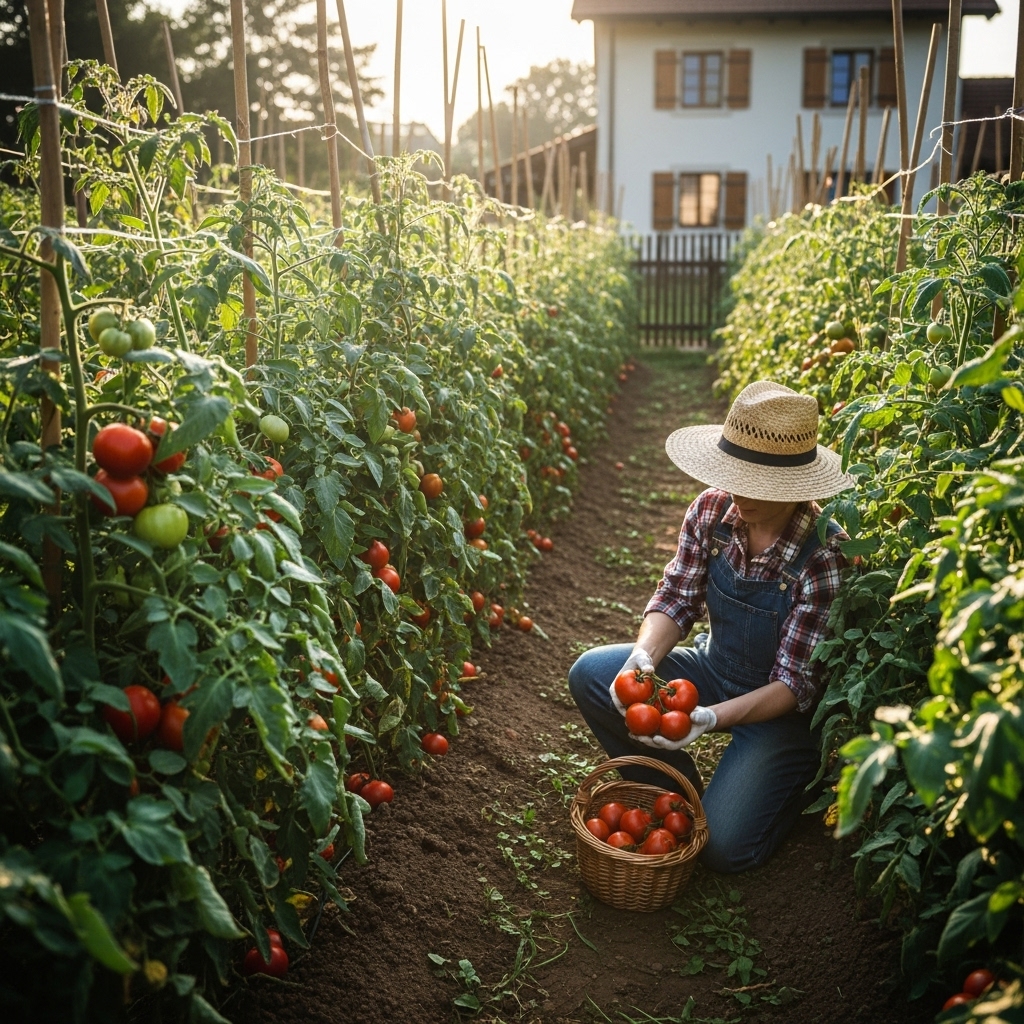
Average Yield of Tomatoes Per Plant
As I’ve delved deeper into tomato gardening, I’ve become increasingly curious about the average yield I can expect from my plants. Knowing this helps me set realistic goals and manage my garden more effectively. The yield can vary widely based on several factors that we’ve already touched on, but let’s explore it further.
Determining Average Kilos per Plant
From my experience, the average yield of tomatoes per plant typically ranges from 5 to 15 kilos. However, I’ve found that this can be influenced by how well I prepare and maintain my garden. For instance, I’ve had plants that produced upwards of 20 kilos when given ideal conditions, while others struggled to reach even 3 kilos due to poor soil or pest issues. It’s fascinating how much tomatoes can vary based on care!
To give you a clearer picture, I’ve kept track of my yields over the years. I’ve noticed that during a particularly good season, my indeterminate varieties produced more consistently throughout the summer, resulting in a higher total yield. On the flip side, in years where I neglected proper watering or pest management, the output was significantly lower. I learned the hard way that consistency in care is key to maximizing yield.
Comparing Different Tomato Varieties
Another aspect I’ve explored is how different tomato varieties can impact yield. I’ve experimented with numerous types, and here’s what I’ve discovered:
- Heirloom Varieties: Heirloom tomatoes, like the famous ‘Cherokee Purple,’ often yield fewer tomatoes compared to hybrids but are prized for their rich flavor. I tend to grow a few heirloom plants every season, not just for their taste but also for the story they carry.
- Hybrid Varieties: Hybrids are typically bred for higher yields and disease resistance. I remember planting ‘Better Boy’ tomatoes one year, and they produced an impressive amount, making them one of my favorites for a reliable harvest.
- Cherry Tomatoes: If you’re looking for a high-yield option, cherry tomatoes are fantastic! I’ve had great success with ‘Sun Gold’ and ‘Sweet 100.’ They produce a large number of small fruits, making them perfect for snacking and salads. I’ve picked buckets full from just a few plants!
So, when choosing your tomato varieties, consider what you want in terms of yield and flavor. I like to mix different types to keep things interesting and to ensure I have a variety of flavors and uses in my kitchen.
Regional Yield Differences
One thing I’ve learned is that our growing conditions can be quite different depending on where we live. I’ve seen how the regional climate plays a significant role in tomato yields. For example, in warmer regions like the southern United States, tomatoes can flourish and produce larger yields. I remember visiting a friend’s garden in Florida, and their tomato plants were sprawling and loaded with fruit!
In contrast, in cooler climates, I’ve noticed that yields can drop significantly. When I tried growing tomatoes in my northern garden, I had to select early maturing varieties and often faced challenges with short growing seasons. However, using row covers helped extend my growing period, leading to better yields than I initially expected.
So, it’s essential to consider your local climate and choose varieties that are best suited for your area. I’ve found that joining local gardening groups or community forums can provide invaluable insights into what works best in our specific regions.
Maximizing Tomato Plant Yield
Now that we’ve got a good understanding of average yields, let’s talk about how to maximize the output from our tomato plants. I’ve picked up several techniques over the years that have helped me achieve a bountiful harvest. Read Interesting article: 9 Bucket Gardening Tips for Healthy Plant Growth
Soil Preparation Techniques
Soil is like the foundation of our garden. I’ve learned that preparing it properly can significantly impact tomato yields. I usually start with a soil test to check pH and nutrient levels. Based on the results, I’ll amend the soil with organic matter, like compost or well-rotted manure, which helps improve fertility and structure.
Adding a slow-release fertilizer during planting is another practice I swear by. I remember when I didn’t fertilize adequately, and the plants looked weak and underdeveloped. Since then, I’ve prioritized soil health, and the difference in yield has been remarkable!
Watering and Fertilization Practices
Consistent watering is key. I’ve adopted a routine of deep watering every week, which encourages strong root development. I’ve also learned to avoid watering the leaves to minimize disease. When my plants show signs of stress, I know it’s time to check my watering schedule.
In terms of fertilization, I’ve found that using a balanced fertilizer every four to six weeks during the growing season keeps my plants thriving. I often use an organic fertilizer to avoid any harmful chemicals, and I’ve seen my yields skyrocket since making this switch!
Pruning and Support Strategies
Lastly, I can’t stress enough the importance of pruning and providing support for our tomato plants. I’ve adopted a simple pruning method where I remove suckers that form in the leaf axils. This practice helps direct the plant’s energy towards fruit production rather than excessive foliage.
Also, using cages or stakes has made a huge difference. My first year, I didn’t stake my plants, and they ended up sprawling on the ground, making them susceptible to pests and diseases. Now, I make it a priority to support my plants early on, which not only helps with air circulation but also keeps the fruits clean and off the soil.
Harvesting Your Tomatoes
After all the hard work and dedication we’ve put into growing our tomato plants, the moment of harvest is always exciting. I remember my first time harvesting tomatoes; it felt like unearthing little treasures. But harvesting is more than just picking tomatoes; there are techniques and tips that can enhance the experience and ensure the best quality fruit.
Signs of Ripeness
Knowing when to pick tomatoes can be tricky. I’ve learned that different varieties have varying signs of ripeness, but some general indicators can help us gauge when our tomatoes are ready to be harvested. For me, the color is the first clue. Ripe tomatoes usually display a vibrant color, whether it’s red, yellow, or orange, depending on the variety. I’ve often picked tomatoes that were still slightly green at the top, only to find they didn’t taste as sweet as the fully colored ones.
Another critical sign I’ve picked up on is the firmness of the fruit. When I gently squeeze the tomato, it should feel firm but yield slightly to the pressure. If it’s too hard, it’s not ready, but if it’s too soft, it might be overripe. I also check the stems; a ripe tomato often has a dry stem, indicating it’s ready to come off the vine. I remember my neighbor taught me to look for the smell, too. A fragrant aroma around the tomato plant usually means the tomatoes are ripe!
Best Practices for Harvesting
When it comes to harvesting, I’ve learned that being gentle is crucial to avoid bruising or damaging the fruit. I prefer using garden shears or scissors to cut the stem rather than pulling the tomato off. This method prevents stress on the plant and leaves the rest of the fruit intact. I also find that harvesting in the morning, after the dew has dried but before the sun gets too hot, is the best time. This timing ensures the fruit is firm and less likely to be damaged.
It’s helpful to harvest tomatoes regularly. I’ve noticed that removing ripe fruit encourages the plant to produce more. I make it a habit to check my plants every few days; it’s amazing how quickly those tomatoes can turn from green to ripe! During peak season, I often find myself filling baskets with these delicious gems, and it’s such a rewarding feeling.
Post-Harvest Handling and Storage
Once I’ve harvested my tomatoes, the next step is handling and storing them properly to maintain freshness. I typically place them on a flat surface in a single layer to avoid squishing any of them. I’ve learned that leaving them in direct sunlight can cause them to ripen too quickly, so I prefer a cool, shaded area.
When it comes to storage, I never refrigerate my fresh tomatoes. I’ve found that cold temperatures can alter their flavor and texture negatively. Instead, I keep them at room temperature, ideally in a well-ventilated area. If I have overly ripe tomatoes, I might use them right away for sauces or salads, which helps prevent waste.
For longer storage, I’ve discovered that canning or freezing tomatoes is a great option. I enjoy making homemade tomato sauce, and there’s nothing quite like the taste of summer tomatoes in the middle of winter! I remember my first canning experience; it was a bit overwhelming, but now it feels like a fun ritual that brings my family together.
As the harvest season winds down, I always reflect on what worked well and what I might want to change for next year. The joy of growing tomatoes goes beyond just the fruit; it’s about the entire experience, from planting the seeds to enjoying a delicious meal made with fresh tomatoes. With the right knowledge and practices, we can all enjoy a fantastic tomato yield year after year.
Frequently Asked Questions
What is the average yield of tomatoes per plant?
The average yield of tomatoes per plant typically ranges from 5 to 15 kilos, but can vary based on care and conditions.
What factors affect the yield of tomato plants?
Key factors that affect tomato yield include the variety of the tomato, climatic conditions, soil quality, and pest and disease management.
What are the differences between determinate and indeterminate tomato plants?
Determinate tomatoes grow to a certain height and produce a set amount of fruit at once, while indeterminate tomatoes continue to grow and produce fruit throughout the season, usually yielding more overall.
How does climate impact tomato yields?
Tomatoes thrive in warm weather, with ideal temperatures between 70°F and 85°F. Cooler climates can lead to lower yields.
What are some best practices for watering tomato plants?
Consistent watering is vital, especially in hot months. Deep watering weekly and avoiding wetting the leaves helps prevent diseases.
How can soil preparation affect tomato yields?
Proper soil preparation, including testing pH and nutrient levels, and amending with organic matter can significantly impact tomato yields.
When is the best time to harvest tomatoes?
The best time to harvest tomatoes is in the morning after the dew has dried but before the sun gets too hot, ensuring the fruit is firm and less likely to be damaged.
What are signs that tomatoes are ripe?
Signs of ripeness include vibrant color, firmness that yields slightly to pressure, a dry stem, and a fragrant aroma around the plant.
What should be done with harvested tomatoes for storage?
Harvested tomatoes should be placed in a single layer in a cool, shaded area at room temperature, avoiding refrigeration to maintain flavor and texture.
How can I maximize the yield from my tomato plants?
Maximizing yield can be achieved through proper soil preparation, consistent watering, regular fertilization, and pruning and supporting the plants effectively.