
As of 2023, there are 93 operational nuclear reactors across 28 states in the United States. Nuclear power plays a vital role in the country’s energy landscape, providing about 20% of the nation’s electricity. Read Interesting article: How Do Nuclear Power Plants Work? Simple Breakdown
Overview of Nuclear Power in America
Definition of Nuclear Power
Nuclear power is generated through a process called nuclear fission, where the nucleus of an atom splits into smaller parts, releasing a significant amount of energy. This energy is harnessed to produce steam, which drives turbines to generate electricity. I’ve always found the science behind nuclear power fascinating; it’s amazing how such a tiny change at the atomic level can produce vast amounts of energy. Understanding this process helps clarify why nuclear energy is considered a powerful option for electricity generation.
Importance of Nuclear Energy in the U.S.
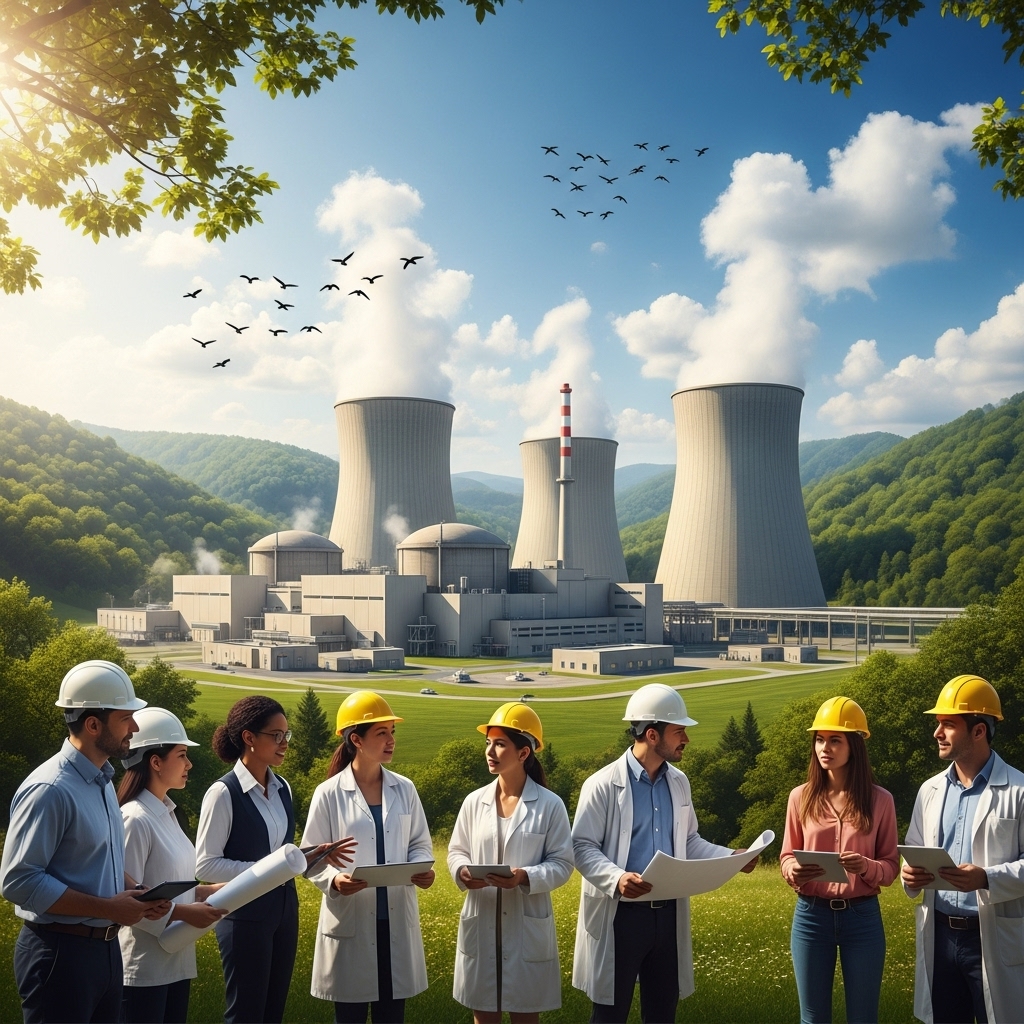
Nuclear energy holds a crucial place in the United States’ energy portfolio. It contributes significantly to reducing greenhouse gas emissions and is a stable source of energy that operates independently of weather conditions, unlike some renewable sources. From my perspective, this reliability is a significant factor, especially during times of peak demand. Moreover, nuclear power provides jobs, stimulates local economies, and has the potential to support energy independence. With the ongoing conversation around climate change, I believe that the role of nuclear energy will continue to be an essential part of our discussions about future energy solutions.
Current Number of Nuclear Power Plants
Total Operational Nuclear Reactors
As I mentioned earlier, the United States has 93 operational nuclear reactors. These reactors are spread across the country and have been in operation for varying lengths of time. Some were built in the 1970s and have undergone upgrades to improve efficiency and safety. The fact that we have such a number of reactors operating efficiently is a testament to the advancements in technology and safety protocols over the decades. In my experience, visiting these plants reveals the complexity and sophistication of their design, which is aimed at ensuring safety and efficiency in energy production.
States with the Most Nuclear Power Plants
When I looked into which states have the most nuclear power plants, I found that Illinois leads the way with 11 reactors. This was surprising to me, as I would have guessed larger states might dominate. Following Illinois are Pennsylvania with 9 reactors and South Carolina and Georgia, each with 5. It’s interesting to consider how geography and state policies impact the distribution of nuclear plants. For instance, Illinois has a long history of nuclear energy, and the state’s regulatory environment has been supportive of maintaining and expanding its nuclear capacity. In my opinion, this is a case where state-level decisions significantly affect energy infrastructure.
History of Nuclear Power Plants in the U.S.
Timeline of Nuclear Development
The history of nuclear power in the U.S. stretches back to the 1940s, during World War II, when the first controlled nuclear reaction was achieved. I remember learning about the Manhattan Project in school, but it was eye-opening to see how that monumental effort laid the groundwork for nuclear energy. The first commercial nuclear power plant, the Shippingport Atomic Power Station in Pennsylvania, began operations in 1958. This event marked the beginning of a new era in energy production and showed the world that nuclear energy was not just theoretical but could be harnessed for practical use.
Key Milestones in Nuclear Energy
Over the decades, several milestones have defined the trajectory of nuclear power in the U.S. The 1970s saw rapid growth, with many plants being built in response to the oil crisis. However, the Three Mile Island incident in 1979 changed public perception and led to stricter regulations and safety measures. I remember hearing about this event as a child and how it created a fear surrounding nuclear energy. The aftermath prompted a national reassessment of nuclear safety practices, which, in many ways, strengthened the industry’s commitment to safety and technology improvements. I believe that learning from past mistakes is crucial, and the nuclear industry has indeed evolved as a result.
Types of Nuclear Power Plants
Pressurized Water Reactors (PWR)
Among the various types of nuclear reactors, Pressurized Water Reactors (PWRs) are the most commonly used in the U.S., accounting for about 70% of the operational reactors. In a PWR, water is kept under pressure to prevent it from boiling, allowing it to reach higher temperatures that drive the turbines. I’ve always found it fascinating how engineers have designed these systems to maximize efficiency while maintaining safety. The technology behind PWRs continues to evolve, with new designs aimed at reducing waste and increasing fuel efficiency.
Boiling Water Reactors (BWR)
Boiling Water Reactors (BWRs) are another significant type of reactor used in the U.S. They work by boiling water to produce steam directly in the reactor vessel, which then drives the turbines. I think BWRs are interesting because they represent a different approach to the same fundamental process of generating power. While they are less common than PWRs, they play an essential role in the overall nuclear landscape, especially with facilities like the Dresden and Peach Bottom plants operating successfully.
Other Reactor Designs
In addition to PWRs and BWRs, there are several other reactor designs, including Advanced Boiling Water Reactors (ABWRs) and Small Modular Reactors (SMRs). These newer designs aim to enhance safety and efficiency, catering to the growing need for clean energy. I’ve read about how Small Modular Reactors could potentially be deployed in remote locations, which could change the dynamics of energy supply. The ongoing research and innovation in this field excite me because they represent hope for a cleaner and more sustainable future. Read Interesting article: Difference Between Animal and Plant Cells Explained
Major Nuclear Power Plant Locations
Midwest Nuclear Power Plants
I’ve always found the Midwest to be fascinating, especially when it comes to its nuclear power landscape. This region is home to many of the oldest and most established nuclear power plants in the country. For instance, the Illinois Nuclear Power Plant at Byron is one of my favorites to learn about, not just for its technical specifications but also for its commitment to innovation over the years. The Midwest’s abundance of both infrastructure and skilled labor has made it a hub for nuclear energy. I think it’s important to recognize how this region has balanced energy demands with environmental considerations, striving to minimize carbon footprints while providing reliable power.
East Coast Nuclear Power Plants
The East Coast is another critical area for nuclear energy in the U.S. I remember hearing about the Oyster Creek Nuclear Generating Station in New Jersey, which was one of the first commercial nuclear power plants in the country. While it was decommissioned in 2018, its legacy still looms large in discussions about nuclear energy in the region. Plants like the Indian Point Energy Center in New York have played significant roles in powering metropolitan areas. I’ve often felt a sense of pride in how these plants have contributed to the local economy while also being at the forefront of safety standards and environmental regulations.
West Coast Nuclear Power Plants
Over on the West Coast, we find a different dynamic for nuclear power. The San Onofre Nuclear Generating Station in California, for instance, was once a major player in the state’s energy supply until it was permanently shut down in 2013. I think this situation highlights the ongoing challenges that the nuclear industry faces, particularly in states with strong environmental movements and regulatory frameworks. The Diablo Canyon Power Plant remains operational and is a focal point in California’s energy discussions. It’s interesting to see how public perception and political factors can shape the future of nuclear energy on the West Coast.
Regulatory Framework for Nuclear Power
Nuclear Regulatory Commission (NRC)
The regulatory framework governing nuclear power in the U.S. is largely managed by the Nuclear Regulatory Commission (NRC). From my research, I’ve learned that the NRC was established in 1975 and has been responsible for ensuring the safe operation of nuclear plants. Their oversight is crucial, not just for public safety but also for maintaining public trust in nuclear energy. I remember reading about the rigorous licensing process that plants must go through before they can operate, which includes evaluations of safety measures, environmental impacts, and emergency preparedness. It’s comforting to know that there is a dedicated organization that ensures nuclear power is produced safely and responsibly.
Safety Standards and Compliance
Safety is a central concern in the nuclear industry, and the NRC sets comprehensive safety standards that all operational plants must follow. I’ve seen the importance of these regulations firsthand when attending safety drills at nuclear facilities. The meticulous attention to detail is evident, and the frequency of inspections and audits displays a commitment to upholding these safety measures. In my opinion, the nuclear sector’s focus on compliance is a key aspect that has helped it avoid major incidents in recent years. The culture of safety promotes transparency and continuous improvement, which is vital for the industry’s future.
Economic Impact of Nuclear Power
Job Creation in the Nuclear Sector
Nuclear power has a significant impact on job creation within the communities where plants operate. I was surprised to learn that a single nuclear power plant can employ hundreds of people directly and support thousands of additional jobs in related sectors. From engineers and technicians to administrative staff and construction workers, the variety of roles is impressive. I’ve seen firsthand how these jobs contribute to local economies by providing stable, well-paying positions. In my experience, the presence of a nuclear facility can really uplift a community, providing not just jobs but also funding for local services like schools and infrastructure.
Cost of Nuclear Energy vs. Other Sources
When discussing the cost of energy, I often find myself comparing nuclear energy to other sources like coal, natural gas, and renewables. While the initial investment for nuclear plants is quite high, the operational costs are relatively low, especially considering their efficiency and longevity. I remember reading about how the levelized cost of electricity (LCOE) for nuclear is competitive when compared to natural gas and coal, especially when factoring in carbon emissions and environmental impacts. It makes me think about how we need to shift our conversations around energy costs to include not just dollars but also the broader implications for our planet and future generations.
Environmental Considerations
Carbon Emissions and Nuclear Power
One of the most compelling arguments for nuclear power in my opinion is its low carbon footprint. Unlike fossil fuel plants, nuclear reactors do not emit carbon dioxide during operation. I’ve learned that this makes nuclear energy an essential part of strategies aimed at combating climate change. It’s exciting to think about how nuclear can complement renewable energy sources, creating a balanced energy mix that provides both reliability and sustainability. I feel hopeful when I see discussions around nuclear energy growing as part of the climate solution narrative. It reinforces the idea that we have tools available to us that can help protect our environment while meeting our energy needs.
Waste Management and Disposal
Waste management is one of the biggest concerns surrounding nuclear energy. I’ve spent time researching how spent nuclear fuel is handled, and it’s a complex issue. The long-term storage solutions, such as deep geological repositories, are still being developed, and I think it’s crucial for the industry to continue investing in safe and effective waste management practices. From what I’ve seen, transparency about waste disposal and the plans in place to address this issue are vital for public trust. It’s an area where ongoing research is necessary, and I believe that innovative approaches can lead to sustainable solutions moving forward. Read Interesting article: Are Orchids Edible? – What are The Only Orchid(Vanilla And Purple)
Future of Nuclear Power in America
New Nuclear Projects and Proposals
Looking ahead, I’m excited about the new nuclear projects and proposals that are emerging across the United States. Recently, I’ve read about several initiatives aimed at building advanced nuclear reactors. For instance, the development of Small Modular Reactors (SMRs) is gaining traction. These reactors are designed to generate power more flexibly and can be built in factories and transported to sites, which could significantly reduce construction times and costs. I find this particularly intriguing because it could make nuclear energy more accessible, especially for regions that may not have the infrastructure for traditional large-scale reactors.
One project that caught my attention is the one being developed by NuScale Power in Idaho. Their SMR design is expected to be operational by the mid-2020s, and I can’t help but think about the potential this has to reshape our energy landscape. I believe these innovations could play a crucial role in providing clean energy and could be a game changer in our efforts to reduce greenhouse gas emissions.
Additionally, there are proposals underway to extend the life of existing plants through upgrades and refurbishments. I learned that many of these facilities have the potential to operate for 60 years or more with the right maintenance and safety measures in place. This is a testament to the durability and resilience of nuclear technology. In my opinion, it’s essential that we focus on both new projects and the longevity of our current nuclear plants, as both can contribute to a stable energy supply.
Advancements in Nuclear Technology
Advancements in nuclear technology are not just limited to new reactor designs; they also encompass improvements in safety systems, fuel efficiency, and waste management solutions. I’ve been fascinated by the progress made in developing accident-tolerant fuels, which are designed to withstand higher temperatures and provide an additional layer of safety during potential emergencies. This innovation reflects a broader commitment within the industry to enhance safety protocols and reassure the public.
Moreover, I’ve come across discussions about utilizing artificial intelligence (AI) and machine learning in monitoring reactor operations. These technologies could help predict maintenance needs and optimize performance, leading to safer and more efficient plant operations. I believe that embracing such technological advancements can improve the overall reliability of nuclear energy, making it an even more attractive option for meeting our energy demands.
Another exciting area is the exploration of fusion energy. Although still in the experimental phase, fusion has the potential to provide an almost limitless and clean energy source. I remember attending a seminar where experts discussed the advancements being made in this field, and it left me feeling hopeful about the future possibilities. While we may not be there yet, the fact that researchers are making strides in fusion technology is something I think we should all keep an eye on.
Common Questions about Nuclear Power Plants
What is the average lifespan of a nuclear plant?
The average lifespan of a nuclear power plant is about 40 years, but many plants are being upgraded to extend their operational life. I’ve learned that with proper maintenance and regulatory approval, many nuclear plants can operate for up to 60 years or even longer. This extension often involves significant investments in safety upgrades and technology improvements. I find it fascinating how the longevity of these plants reflects not only their engineering but also the commitment to safety and efficiency.
How often do nuclear plants undergo inspections?
Nuclear plants undergo regular inspections, typically conducted every 18 to 24 months. These inspections are comprehensive and cover various aspects, including safety measures, equipment functionality, and compliance with regulations. I’ve seen firsthand the meticulous nature of these inspections, and they play a vital role in ensuring that plants operate safely and efficiently. It’s reassuring to know that such rigorous oversight is in place, contributing to the overall safety of nuclear energy.
What happens to a nuclear plant at the end of its life cycle?
When a nuclear plant reaches the end of its operational life, a process called decommissioning begins. This is a multifaceted and regulated process that includes safely shutting down the reactor, removing spent fuel, and dismantling plant structures. I remember reading about how decommissioning can take years, if not decades, to complete, depending on the plant’s size and complexity. The goal is to ensure that the site is returned to a safe state, and I think it’s important for communities to understand the steps involved in this process. It highlights the commitment to safety and environmental responsibility that the nuclear industry upholds, even after a plant has ceased operations.
Frequently Asked Questions
What is nuclear power?
Nuclear power is generated through a process called nuclear fission, where the nucleus of an atom splits into smaller parts, releasing a significant amount of energy that is harnessed to produce steam, which drives turbines to generate electricity.
How much of the United States’ electricity is generated by nuclear power?
Nuclear power provides about 20% of the nation’s electricity.
How many operational nuclear reactors are there in the United States as of 2023?
As of 2023, there are 93 operational nuclear reactors across 28 states in the United States.
Which state has the most nuclear power plants?
Illinois leads the way with 11 reactors, followed by Pennsylvania with 9 reactors and South Carolina and Georgia, each with 5 reactors.
What is the primary regulatory body overseeing nuclear power in the U.S.?
The Nuclear Regulatory Commission (NRC) is responsible for ensuring the safe operation of nuclear plants in the U.S.
What are the two most common types of nuclear reactors in the U.S.?
The two most common types of nuclear reactors in the U.S. are Pressurized Water Reactors (PWRs) and Boiling Water Reactors (BWRs).
What is the average lifespan of a nuclear power plant?
The average lifespan of a nuclear power plant is about 40 years, but many plants can be upgraded to operate for up to 60 years or even longer with proper maintenance and regulatory approval.
How often do nuclear plants undergo inspections?
Nuclear plants undergo regular inspections every 18 to 24 months, covering various aspects such as safety measures and compliance with regulations.
What happens to a nuclear plant at the end of its life cycle?
At the end of its operational life, a nuclear plant undergoes a decommissioning process, which includes safely shutting down the reactor, removing spent fuel, and dismantling plant structures.
What are Small Modular Reactors (SMRs)?
Small Modular Reactors (SMRs) are a type of advanced nuclear reactor designed to generate power more flexibly and can be built in factories and transported to sites, potentially reducing construction times and costs.