
When planting potatoes, you can expect an average yield of around 3 to 5 potatoes per plant, depending on various factors. This yield can vary based on the type of potato, growing conditions, and care provided during the plant’s growth cycle. How to Grow a Potato Plant at Home offers great tips for optimizing your potato cultivation.
Understanding the specifics of potato yields can help both seasoned gardeners and beginners optimize their harvests.
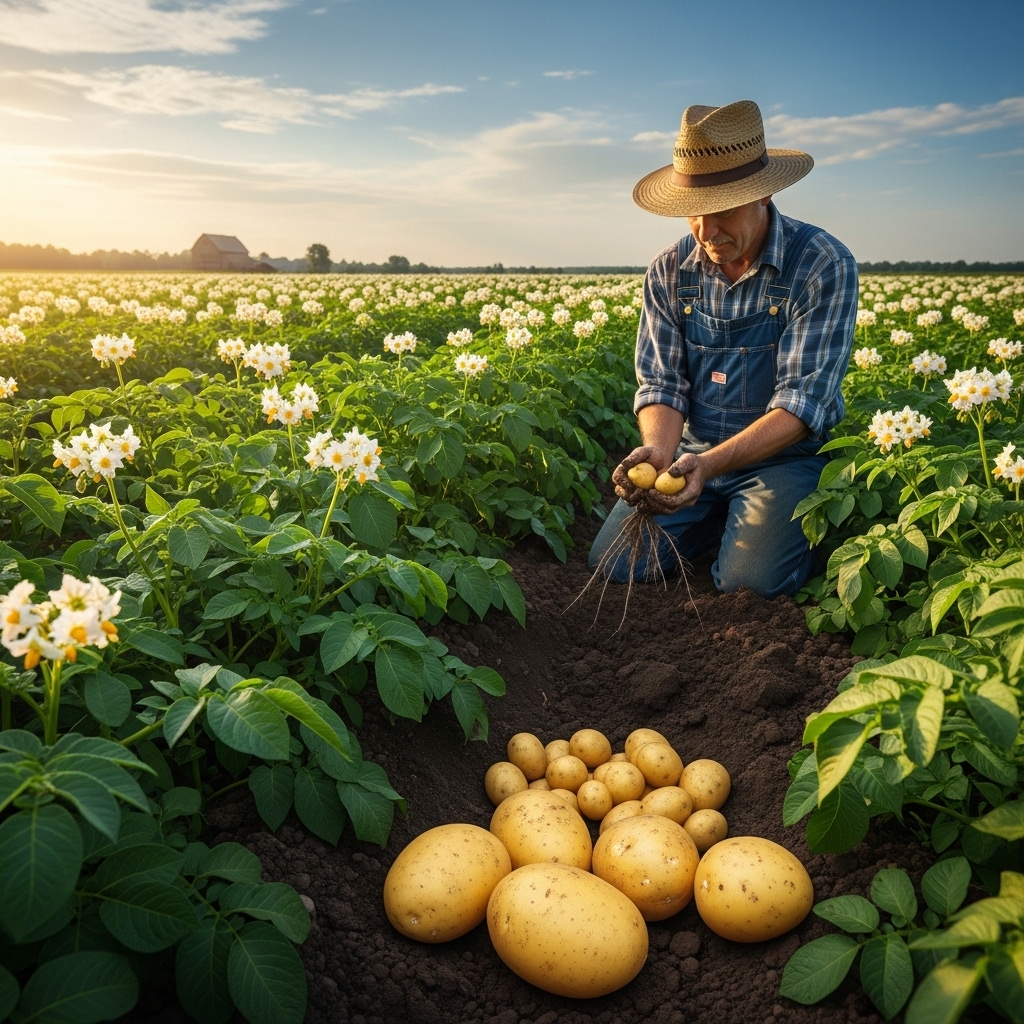
Understanding Potato Plant Yield
What is a Potato Plant?
Potato plants, scientifically known as Solanum tuberosum, are herbaceous perennials that produce tubers, which we commonly know as potatoes. These plants have a leafy green structure above the ground and a root system that grows underground. I remember my first experience planting potatoes; it was fascinating to learn how these seemingly simple plants could yield such delicious and versatile food. The best part is that they can be grown in a variety of conditions, which is one reason they are popular among home gardeners.
Factors Affecting Potato Yield
Several factors can influence the yield of potato plants. From my experience, I’ve noticed that soil quality, climate, and cultivation methods play a significant role. Here are some key factors to consider:
- Soil Quality: Potatoes thrive in well-drained, loose soil that is rich in organic matter. Heavy or compacted soil can restrict tuber growth, leading to fewer potatoes.
- Climate: Potatoes prefer cooler growing conditions. Extreme heat can stress the plants, resulting in lower yields. Based on my gardening journey, I’ve found that late spring to early summer is often optimal for planting.
- Watering: Consistent moisture is essential for potato plants, especially during tuber formation. I’ve seen the difference a good watering schedule can make in the yield.
- Pest and Disease Management: Pests like the Colorado potato beetle can devastate your crop if not managed properly. I’ve learned that proactive measures, like crop rotation and companion planting, can help safeguard yields.
Types of Potatoes and Their Yields
There are numerous varieties of potatoes, each with its own characteristics and yields. I remember the first time I tried growing different types; it was exciting to see how each variety performed. Here are some common types and their expected yields:
- Russet Potatoes: These are some of the most popular potatoes for baking and frying. On average, a Russet potato plant can yield about 4 to 5 tubers.
- Yukon Gold: Known for their yellow flesh and buttery flavor, Yukon Golds typically yield around 3 to 4 potatoes per plant.
- Red Potatoes: These have a waxy texture and hold up well in salads. They usually produce about 5 to 6 small to medium tubers per plant.
- Fingerling Potatoes: These unique, elongated potatoes can yield 5 to 7 tubers per plant, depending on the conditions and care.
Average Yield Per Potato Plant
General Yield Estimates
As mentioned earlier, the average yield per potato plant can range from 3 to 5 potatoes. However, I’ve learned that this estimate can vary widely depending on the factors we’ve discussed. For instance, if you provide the right conditions and care, you might find yourself harvesting up to 10 potatoes from a single plant in ideal situations. It’s truly rewarding to dig up a plant and discover a bountiful harvest!
Factors Influencing Yield Variability
Some variables can cause the yield to fluctuate significantly. From my gardening trials, I’ve noted the following:
- Growing Season Length: The length of the growing season can affect how many potatoes the plant can produce. In cooler climates, a shorter growing season may mean fewer tubers.
- Plant Spacing: If plants are too close together, they may compete for nutrients and space, leading to smaller yields. I’ve found that following recommended spacing guidelines can make a big difference.
- Health of Seed Potatoes: Starting with high-quality, disease-free seed potatoes is crucial for a successful yield. I’ve experienced poor yields when I used compromised seed potatoes, so choosing wisely is key.
Comparative Yield: Different Potato Varieties
When I started experimenting with various potato varieties, I was amazed at how different types could produce differing yields. As mentioned earlier, while the average might be 3 to 5 potatoes per plant, some varieties can yield more or less. This variation can be a fun part of the gardening experience, and it’s worth trying out different types to see which one thrives best in your environment. Plus, different varieties offer different flavors and textures for our family meals, which is an added bonus!
Getting to know how many potatoes you can expect per plant, along with the factors that influence yield, can really enhance your gardening experience. Understanding these details helps us to make informed choices and boosts our chances of a successful harvest. Each potato plant tells a story, and every yield teaches us something new about this delicious staple.
Optimal Growing Conditions for Potatoes
Soil Requirements
To set the stage for a successful potato harvest, understanding soil requirements is crucial. I’ve realized that potatoes thrive best in loose, loamy soil that drains well. Ideally, the pH should be slightly acidic, around 5.5 to 6.5. I remember when I first started growing potatoes; my soil was too compacted, and it hindered tuber growth. After loosening the soil and adding organic matter like compost, I noticed a significant improvement in my yields. Ensuring good soil drainage helps prevent rot and other issues that can diminish your harvest. Adding organic matter not only improves soil texture but also provides essential nutrients that potatoes need to flourish. What Does Phosphorus Do for Plants? Benefits Explained discusses how certain nutrients can enhance plant growth.
Watering Needs
Watering is another critical factor in growing healthy potatoes. I’ve learned that consistent moisture is key, especially during the tuber formation stage. Potatoes typically need about 1 to 2 inches of water per week, either from rainfall or irrigation. I remember watching my plants closely during dry spells and ensuring they didn’t dry out. Overwatering can lead to issues like root rot, while underwatering can stress the plants and limit yields. I found a simple trick: I would stick my finger into the soil around the plants; if it felt dry about an inch down, it was time to water. This practice helped me maintain the right moisture levels and improved my harvest significantly.
Sunlight and Temperature Preferences
Potatoes love the sun! They need at least 6 to 8 hours of full sunlight each day to grow well. I’ve experienced a marked difference in the growth and yield of my potato plants based on their exposure to sunlight. If you can, plant them in a location that gets plenty of light, away from tall plants that might cast shade. Temperature also plays a crucial role; potatoes prefer cooler conditions, ideally between 60°F and 70°F. I once planted potatoes during an unusually warm spell, and even though they sprouted, the heat stressed them and affected my yield. Monitoring temperature and adjusting planting times based on your local climate can help you achieve that optimal growth.
Fertilization and Nutrient Management
Fertilization can make or break your potato crop. I’ve found that using a balanced fertilizer that is low in nitrogen is best for potatoes, as too much nitrogen can lead to lush foliage but fewer tubers. When I first planted potatoes, I was eager to give them lots of food, but I learned quickly that moderation is key. I usually apply fertilizer at planting time and again when the plants are about 6 inches tall. This two-step process seems to give my potatoes a good boost without overwhelming them. Additionally, incorporating organic fertilizers like compost or well-rotted manure can enhance soil health and provide a slow-release source of nutrients. It’s a win-win for both the plants and the soil!
Planting Techniques for Maximum Yield
Seed Potato Selection
Choosing the right seed potatoes is essential for a good harvest. I’ve learned that using certified disease-free seed potatoes is a game changer. The first time I planted, I used some leftover potatoes from the grocery store, and my yield was disappointing. Now, I always purchase certified seed potatoes that are known for their vigor and disease resistance. Another tip I’ve picked up is to consider chitting, which is the process of encouraging seed potatoes to sprout before planting. This technique can lead to earlier and potentially larger harvests. I remember the excitement of seeing those sprouts emerge—it felt like I was nurturing life!
Spacing and Depth Considerations
Proper spacing and planting depth can significantly impact the yield of potato plants. I’ve found that spacing plants about 12 to 15 inches apart allows them enough room to grow without competing for nutrients. When planting, I typically place the seed potatoes about 4 to 6 inches deep. I remember the first time I planted them too shallow, and the tubers were exposed to light, which can turn them green and make them inedible. Since then, I’ve made it a point to ensure they are adequately buried. Following these spacing and depth guidelines can lead to healthier plants and a more abundant harvest.
Companion Planting Benefits
Companion planting has been a delightful discovery in my potato-growing journey. Some plants can benefit potatoes by deterring pests or enhancing soil health. For example, I’ve had great success planting potatoes alongside beans and corn. The beans fix nitrogen in the soil, which is beneficial for potatoes, while corn provides some height and shade. I remember one season when I experimented with marigolds as companion plants—they helped keep pests at bay, and my potatoes thrived. Exploring different combinations of companion plants can not only boost potato yields but also create a more vibrant and diverse garden.
Harvesting Potatoes
When to Harvest Potatoes
Knowing when to harvest potatoes is one of the most exciting parts of the growing process. I remember my first attempt; I was so eager that I dug them up too early and missed out on a proper yield. Typically, potatoes are ready to harvest when the plants have flowered and the leaves start to yellow and die back. Depending on the variety and growing conditions, this can happen anywhere from 70 to 120 days after planting. I’ve found that gently feeling around the base of the plant can give hints about the tubers’ size. If you’re unsure, it’s often best to wait a bit longer; potatoes can continue to grow even after the foliage begins to decline. Waiting for the right moment can truly pay off in terms of yield.
Harvesting Techniques
When it comes to harvesting, I’ve learned that the method you choose can affect the quality of your potatoes. I usually start by using a garden fork to gently loosen the soil around the plants. It’s important to be careful not to puncture the tubers, as this can lead to rot during storage. I remember one season when I was a bit too vigorous with my fork, and I ended up with several damaged potatoes. The best practice is to work your way around the plant, loosening the soil before carefully lifting the plant out of the ground. Once the plant is out, I dig around to gather all the tubers. It feels like a treasure hunt, and discovering a big haul is always a joy!
Post-Harvest Handling and Storage
After harvesting, handling your potatoes with care is crucial to maintaining their quality. I’ve learned the hard way that washing them immediately can lead to issues; instead, I let them sit in a cool, dry place for a few hours to allow any dirt to dry and fall off naturally. Once they’ve dried, I sort through them, discarding any damaged or diseased ones. For storage, I recommend keeping them in a dark, cool, and well-ventilated area. I’ve found that a temperature of around 45°F to 55°F works best. Avoid storing them in the fridge, as the cold can turn their starches into sugars, affecting flavor and texture. Using burlap sacks or cardboard boxes helps maintain airflow, which is essential for preventing rot. Watching my harvest last for months has been a rewarding part of my gardening journey.
Common Challenges in Potato Cultivation
Pest Management
Pest management is a significant aspect of potato cultivation. I’ve encountered several pests over the years, but the Colorado potato beetle has been one of my biggest challenges. These little critters can wreak havoc if not addressed quickly. I’ve found that regular inspections of my plants help catch infestations early. Handpicking the beetles and their larvae has been effective for me, though it can be time-consuming. I also use organic pesticides as a last resort, but I prefer to stick with natural methods whenever possible. Additionally, planting companion plants like marigolds can deter pests and create a healthier garden ecosystem.
Disease Prevention
Disease can also pose a threat to our potato plants. I’ve faced issues with blight and scab, which can devastate a crop. To mitigate these diseases, I’ve learned the importance of crop rotation. Avoiding planting potatoes in the same area for at least three years helps prevent the buildup of pathogens in the soil. Another practice I’ve adopted is ensuring good airflow around my plants by not overcrowding them. I’ve also become more diligent about using certified seed potatoes to reduce the risk of introducing diseases into my garden.
Environmental Factors
Environmental factors can sometimes feel beyond our control, but they play a huge role in potato success. I’ve experienced how extreme weather conditions, such as heavy rain or drought, can impact yields. During one particularly dry summer, I struggled to keep my plants hydrated. Learning to monitor weather patterns and adjust my watering schedule accordingly has been crucial. I also pay attention to local frost dates, as planting too early can lead to frost damage. Being adaptable and observant has helped me navigate these challenges, ensuring I can still enjoy a harvest even in less-than-ideal conditions.
Frequently Asked Questions
What is the average yield of potatoes per plant?
The average yield of potatoes per plant can range from 3 to 5 potatoes, depending on various factors such as the type of potato, growing conditions, and care provided during the plant’s growth cycle.
What factors influence potato yield?
Factors that influence potato yield include soil quality, climate, watering, and pest and disease management. Well-drained, loose soil rich in organic matter, cooler growing conditions, consistent moisture, and proper pest control can all contribute to higher yields.
What are some common types of potatoes and their expected yields?
Common types of potatoes include Russet potatoes (4 to 5 tubers per plant), Yukon Gold (3 to 4 potatoes per plant), Red potatoes (5 to 6 small to medium tubers per plant), and Fingerling potatoes (5 to 7 tubers per plant).
How important is soil quality for growing potatoes?
Soil quality is crucial for growing potatoes. They thrive in well-drained, loose soil that is rich in organic matter. Heavy or compacted soil can restrict tuber growth and lead to fewer potatoes.
What are the watering needs for potato plants?
Potatoes typically need about 1 to 2 inches of water per week, either from rainfall or irrigation. Consistent moisture is especially important during the tuber formation stage to ensure healthy growth and yield.
When is the best time to harvest potatoes?
Potatoes are generally ready to harvest when the plants have flowered and the leaves start to yellow and die back, which can occur anywhere from 70 to 120 days after planting. It’s often best to wait until the foliage begins to decline to maximize yield.
What planting techniques can maximize potato yield?
To maximize yield, choose certified disease-free seed potatoes, space plants about 12 to 15 inches apart, and plant them 4 to 6 inches deep. Proper spacing and depth can significantly impact the health and productivity of potato plants.
How should harvested potatoes be handled and stored?
After harvesting, potatoes should be allowed to sit in a cool, dry place for a few hours to dry off dirt. They should be stored in a dark, cool, and well-ventilated area at temperatures around 45°F to 55°F to maintain quality and prevent rot.
What common pests affect potato plants?
The Colorado potato beetle is a significant pest that can devastate potato crops if not managed properly. Regular inspections, handpicking, and planting companion plants like marigolds can help deter them.
How can diseases affect potato crops and how can they be prevented?
Diseases such as blight and scab can threaten potato crops. To prevent these diseases, practicing crop rotation, ensuring good airflow around plants, and using certified seed potatoes can significantly reduce the risk of introducing pathogens.