
On average, a healthy watermelon plant can produce between 2 to 5 fruits, depending on various factors like plant variety and growing conditions. I’ve grown watermelons myself, and I’ve seen this range firsthand, which can be quite exciting when you’re nurturing them from seed to harvest. For more specific insights, check out How Many Sugar Baby Watermelons per Plant Indoors? Grow Secrets.
Understanding Watermelon Growth
The Watermelon Plant Structure
Watermelon plants, scientifically known as Citrullus lanatus, have a unique structure that supports both their growth and fruit production. I remember when I first planted my watermelon seeds; I was amazed by how these sprawling vines took off. Each plant typically has a main stem that can grow several feet long, with large, lobed leaves that provide shade and shelter to the developing fruits. The vines have tendrils, which help them climb and grasp nearby supports or the ground, allowing them to spread out and occupy more space.
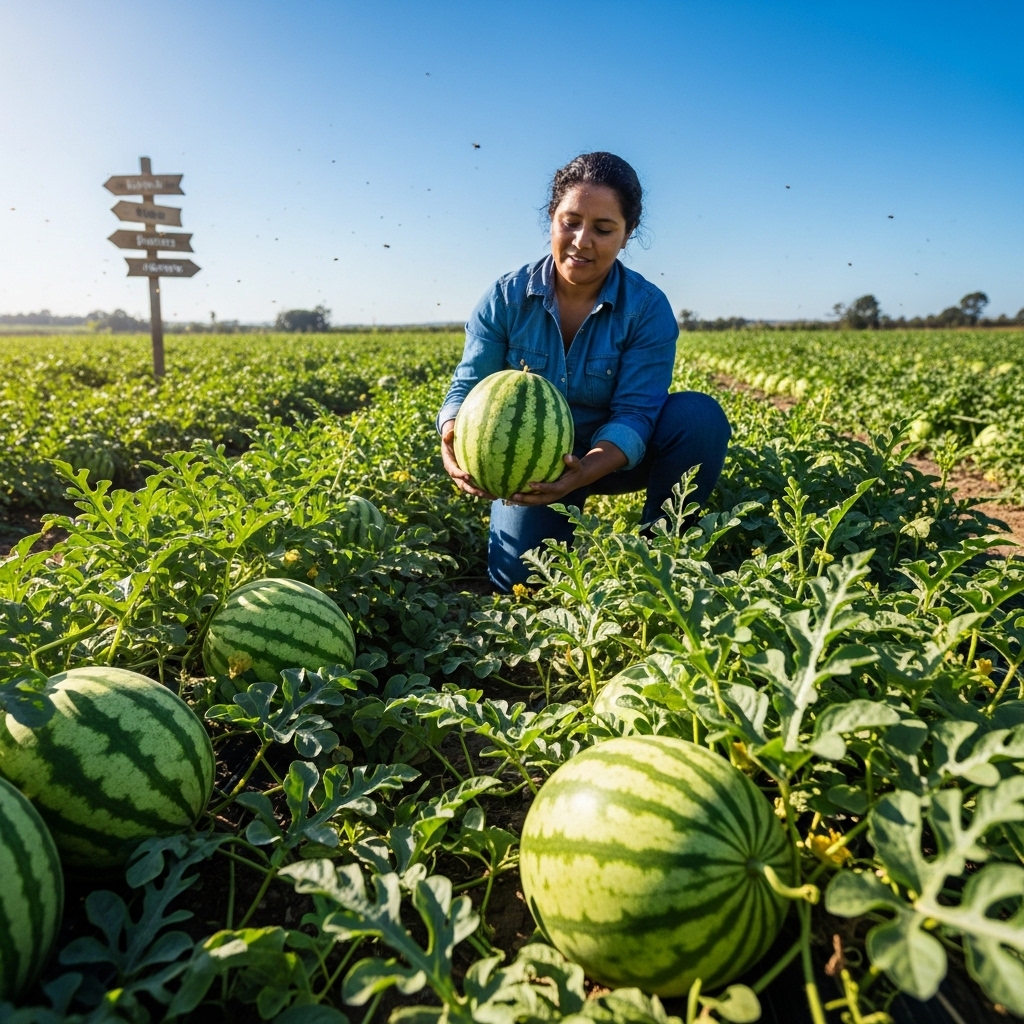
Underneath the surface, the root system is quite extensive. It can grow deep and wide, often reaching 3 to 5 feet down in search of water and nutrients. Strong roots are essential for stability and moisture absorption, which is crucial for fruit development. I’ve learned that giving your watermelon plants enough room to stretch their roots can significantly affect their yield and health.
Growth Stages of Watermelon
The growth of a watermelon plant can be broken down into several distinct stages: germination, vegetative growth, flowering, and fruiting. I remember waiting eagerly during the germination stage as the tiny seedlings broke through the soil, usually about 7 to 14 days after planting the seeds. It’s such a rewarding moment, knowing that something you planted is finally sprouting.
During the vegetative growth stage, the plant develops leaves and stems, building the structure needed to support its fruit. This stage can last anywhere from 4 to 6 weeks, depending on the variety and growing conditions. I found that providing adequate sunlight and nutrients during this phase makes a noticeable difference in how robust the plants grow.
Once the plant is mature, it enters the flowering stage. The flowers are crucial for pollination, which is necessary for fruit development. I was thrilled the first time I saw those bright yellow blooms; it felt like a promise of sweet watermelons to come. After successful pollination, the plant will move into the fruiting stage, where the actual watermelons begin to develop. This phase can take 70 to 90 days from planting to harvest, depending on the variety.
Factors Affecting Watermelon Yield
Plant Variety and Type
The variety of watermelon you choose has a large impact on the number of fruits per plant. Some types, like the classic Crimson Sweet, tend to yield more fruits but are smaller in size. Others, such as the Sugar Baby, produce fewer but larger melons. I’ve tried both varieties, and I can vouch for the fact that selecting the right type based on your space and desired yield is key. I learned that for backyard gardeners, smaller varieties can really help maximize limited garden space. For more information on growing Sugar Baby watermelons, see this article.
Soil Quality and Nutrients
Soil quality is one of the most critical factors in how many watermelons your plants will produce. I’ve spent time prepping my soil with compost and organic matter, and I can tell you it makes a huge difference. Watermelon plants thrive in well-draining, sandy loam soil that is rich in nutrients. I recommend conducting a soil test to determine the pH and nutrient levels before planting. Ideally, watermelon prefers a pH of 6.0 to 6.8.
Additionally, providing balanced fertilizers during the growing season can boost your yield. I usually apply a mix of nitrogen, phosphorus, and potassium to support early growth and fruit development. Just be careful not to over-fertilize, as this can lead to excessive leaf growth at the expense of fruit production.
Climate and Weather Conditions
Watermelons thrive in warm climates, and I’ve noticed that the weather can significantly affect the yield. They need full sun and warm temperatures, ideally between 70°F to 90°F. If you live in a cooler area, starting seeds indoors can help extend the growing season. I’ve often found that late frosts can delay growth, so timing my planting carefully has been essential to getting a good yield.
Moreover, consistent watering is vital, especially during dry spells. I learned that fluctuations in moisture can stress the plants, leading to a lower yield. Implementing a drip irrigation system can help maintain steady moisture levels, significantly enhancing fruit set and development.
Watering and Irrigation Practices
Speaking of watering, I can’t emphasize enough how crucial this aspect is for watermelon growth. These plants need a lot of water during their growing season, especially when they’re establishing roots and developing fruits. I remember a summer when I didn’t water my plants enough, and the results were disappointing. It’s best to ensure a deep watering once a week, or more often during particularly hot weather, to keep the soil consistently moist but not soggy.
Pest and Disease Management
Pests and diseases can play a significant role in how many watermelons your plants produce. I’ve had my fair share of battles with pests like aphids and cucumber beetles, which can damage the plants and reduce yields. Implementing pest management strategies, such as introducing beneficial insects and using organic pesticides, can help mitigate these threats. Additionally, keeping an eye out for diseases like powdery mildew is crucial. I’ve found that rotating crops and ensuring good air circulation around the plants can prevent many common issues.
How Many Watermelons Can You Expect Per Plant?
Average Yield Estimates
When I first started growing watermelons, I was really curious about how many fruits I could expect from each plant. From my experience and research, the average yield typically falls between 2 to 5 watermelons per plant. However, I’ve encountered some cases where a well-cared-for plant can produce up to 8 fruits. It’s fascinating how much the right conditions can influence these numbers. I’ve seen firsthand that with proper care, including the right amount of water, nutrients, and sunlight, plants can exceed expectations. I remember one season when I got a bit more than I bargained for, and I ended up sharing my bountiful harvest with friends and family!
Variability by Watermelon Variety
The variety of watermelon you choose can also significantly impact your yield. For instance, I found that smaller, personal-sized varieties like Sugar Baby usually produce fewer fruits but pack a punch with their sweetness. On the other hand, larger varieties like the Crimson Sweet can yield more melons, but they might be a bit less sweet in comparison. I’ve enjoyed experimenting with different types over the years, and it’s clear that each variety brings its own unique flavor and yield potential. I often recommend selecting a variety based on your taste preferences, as well as the space you have available to grow them. Additionally, Read Interesting article: When to Plant Watermelon for Sweet Big Fruit
Impact of Growing Conditions
We can’t overlook how vital growing conditions are when it comes to watermelon yield. I’ve learned that everything from soil quality to weather can affect how many fruits my plants produce. For example, if I had a particularly rainy season, I noticed that the fruits were delayed in growing, and some even rotted before they could mature. Conversely, a hot dry summer often resulted in larger and sweeter watermelons. It’s like a balancing act, and I’ve come to appreciate how important it is to be mindful of these factors. I always keep an eye on the weather forecast and adjust my care routine accordingly to help my plants thrive.
Maximizing Watermelon Production
Best Practices for Plant Spacing
One of the key areas I discovered for maximizing watermelon production is plant spacing. When I first started, I made the mistake of cramming my plants too close together, hoping to save space. What I found was that overcrowding stunted growth and reduced my yields. Now, I space my watermelon plants about 3 to 4 feet apart, which allows them plenty of room to grow and spread out. This spacing helps with air circulation and ensures that each plant gets enough sunlight, which is essential for fruit development. I highly recommend finding that sweet spot for spacing to help your plants reach their full potential.
Optimal Fertilization Techniques
Fertilization is another area I’ve learned to optimize over the years. It’s not just about throwing fertilizer on the ground; timing and type really matter. I typically start with a nitrogen-rich fertilizer when I first plant my seeds. Once the plants start flowering, I switch to a fertilizer higher in potassium and phosphorus, supporting fruit development. I’ve seen that this change can lead to healthier plants and, ultimately, more fruit. It’s also essential to follow the instructions on the fertilizer label to avoid over-fertilization, which can lead to lush leaves but fewer fruits. I’ve made that mistake before, and believe me, it’s disheartening to see so much foliage but so little fruit!
Effective Pollination Strategies
Pollination is another crucial factor that I’ve learned to prioritize. Watermelons are typically pollinated by bees, so I’ve made a conscious effort to attract these helpful insects to my garden. I’ve planted flowers nearby to draw them in, and I’ve even hand-pollinated when I noticed a lack of bee activity. It felt a bit like a science experiment, but it worked! By gently transferring pollen from the male flowers to the female ones, I’ve been able to increase my fruit set significantly. If you’re in a location where bee populations are low, don’t hesitate to take this extra step. It can make a big difference in your yield!
Harvesting Watermelons: Timing and Techniques
When to Harvest Watermelons
Knowing when to harvest your watermelons can be one of the most thrilling yet nerve-wracking parts of the growing process. I remember checking on my watermelons daily as they approached maturity, eagerly anticipating the sweet reward of my hard work. Generally, watermelons are ready to harvest about 70 to 90 days after planting, but this can vary depending on the variety. I learned that patience is key here, as harvesting too early can result in disappointing flavor and texture.
One trick I use is to pay attention to the tendril closest to the fruit. When that tendril turns brown and dries out, it’s usually a good sign that the watermelon is ripe. Additionally, the skin of the watermelon should have a dull finish rather than a shiny one, indicating it’s ready for picking. I also check the bottom of the fruit; the spot that rests on the ground should turn a creamy yellow color, which tells me it’s time to enjoy the fruits of my labor!
How to Know When a Watermelon is Ripe
In my experience, there are a few reliable indicators of ripeness that I’ve come to rely on. Along with the drying tendril and the yellow spot, I often give the watermelon a gentle thump. When it’s ripe, it produces a deep sound, almost like a hollow thud. If you hear a dull sound, it’s likely not ready yet. I remember being skeptical of this method at first, but after a few successful harvests, it became one of my go-to tricks.
Another tip I picked up is looking at the shape of the watermelon. A ripe watermelon usually has a symmetrical shape, while any irregularities can indicate uneven growth or that it may not be fully developed. I learned the hard way that a watermelon that’s too small or oddly shaped might not have the flavor I’m after. As I’ve honed my skills, I’ve found that trusting my instincts and these methods has led to consistently delicious results.
Harvesting Techniques to Maximize Yield
When it comes time to harvest, I’ve found that the right techniques can make a big difference. I always use a sharp knife or pruning shears to cut the watermelon from the vine, leaving a few inches of stem attached. This helps to prevent any damage to the fruit and keeps it fresher for longer. I remember a few times I tried to yank them off the vine quickly, thinking it would save time, but I ended up bruising a few in the process.
After harvesting, I gently place the watermelons in a cool, shaded area to allow them to rest before we dig in. I’ve noticed that letting them sit for a day or two can enhance their flavor. It’s a bit of a waiting game, but trust me—the reward is worth it! I often plan a little gathering with friends and family for the “big reveal” of my harvest, and it feels great to share the fruits of my labor.
Frequently Asked Questions
How many watermelons can a healthy plant produce on average?
On average, a healthy watermelon plant can produce between 2 to 5 fruits, depending on factors like plant variety and growing conditions.
What is the scientific name of the watermelon plant?
The scientific name of the watermelon plant is Citrullus lanatus.
What are the growth stages of a watermelon plant?
The growth stages of a watermelon plant include germination, vegetative growth, flowering, and fruiting.
What factors can affect the yield of watermelon plants?
Factors affecting watermelon yield include plant variety and type, soil quality and nutrients, climate and weather conditions, watering and irrigation practices, and pest and disease management.
What type of soil is best for growing watermelons?
Watermelon plants thrive in well-draining, sandy loam soil that is rich in nutrients, ideally with a pH of 6.0 to 6.8.
When is the best time to harvest watermelons?
Watermelons are generally ready to harvest about 70 to 90 days after planting, depending on the variety.
What are some indicators that a watermelon is ripe?
Indicators of ripeness include a drying tendril, a dull finish on the skin, a creamy yellow spot on the bottom, and a deep sound when thumped gently.
What is the recommended plant spacing for watermelons?
Watermelon plants should be spaced about 3 to 4 feet apart to allow for proper growth, air circulation, and sunlight exposure.
How does fertilization affect watermelon production?
Fertilization needs to be timed and tailored; starting with nitrogen-rich fertilizer and switching to one higher in potassium and phosphorus during flowering can lead to healthier plants and increased fruit production.
What should be done to attract pollinators for watermelon plants?
To attract pollinators like bees, planting nearby flowers can help, and hand-pollination can also be done if bee activity is low.