
Balsam fir trees require about 20 to 30 gallons of water per week during their growing season. This amount may vary depending on soil type, tree age, and environmental conditions.
Understanding Balsam Fir Water Needs
Balsam fir trees (Abies balsamea) are native to the cooler regions of North America. These evergreen trees thrive in moist, well-drained soils, making water availability crucial for their health and growth. Understanding how much water they need is essential for ensuring they grow strong and vibrant.
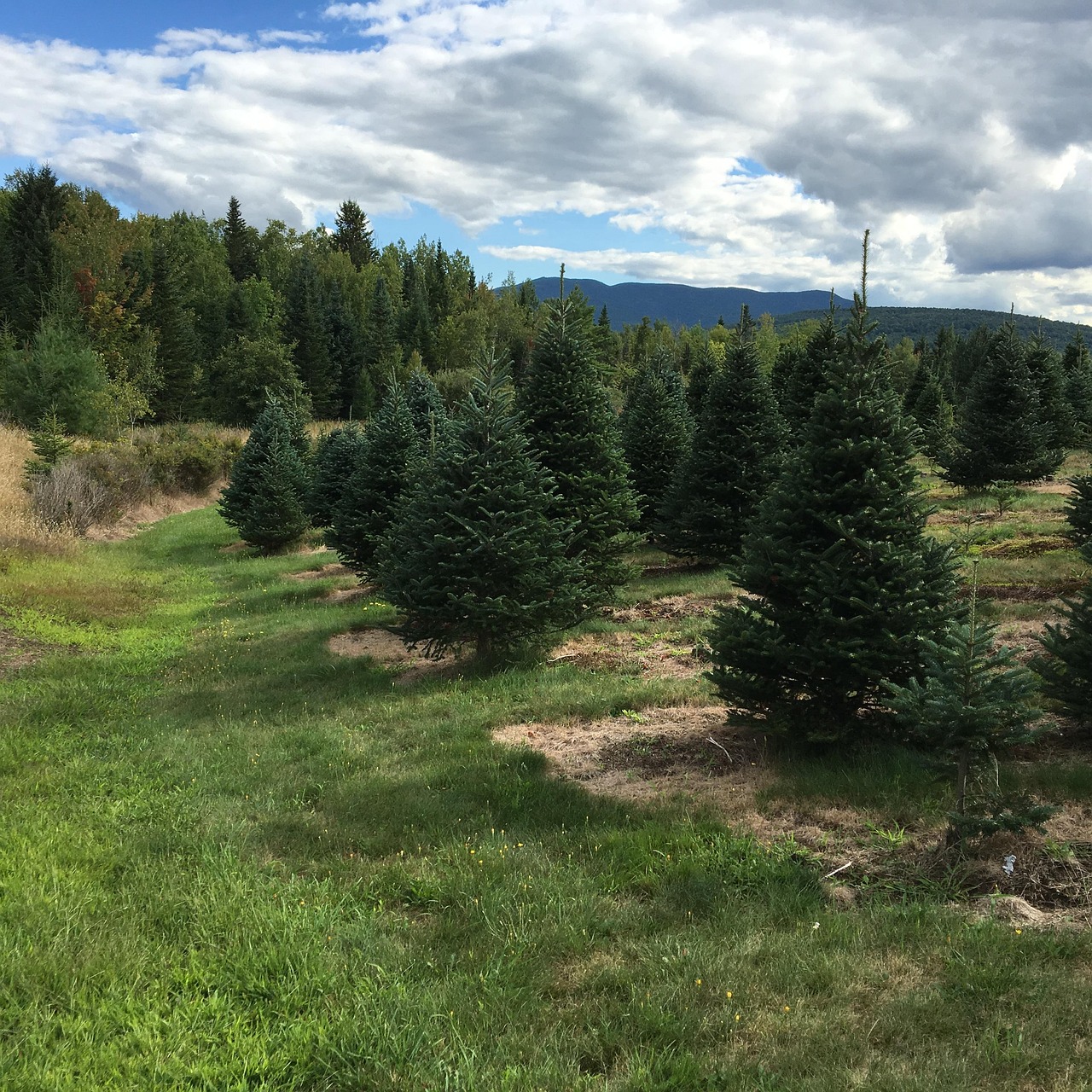
Water plays a significant role in the physiological processes of balsam fir trees. It is vital for photosynthesis, nutrient transport, and temperature regulation. During the growing season, which typically extends from late spring to early fall, balsam fir trees are particularly sensitive to changes in soil moisture levels.
Several factors influence the water requirements of balsam fir trees. Here are some of the most important:
- Soil Type: Different soils retain water differently. Sandy soils drain quickly, while clay soils retain moisture longer.
- Tree Age: Young balsam firs require more water relative to their size than mature trees.
- Climate: Precipitation levels and temperature fluctuations can significantly impact water needs.
- Root Depth: The depth and spread of the root system affect how much water the tree can access.
To illustrate the varying water requirements based on environmental factors, consider the following table:

| Factor | Impact on Water Needs |
|---|---|
| Soil Type | Sandy soils may require more frequent watering due to quick drainage. |
| Tree Age | Young trees might need up to 30 gallons weekly; mature trees can thrive on less. |
| Climate | In dry climates, supplemental watering may be necessary during hot spells. |
| Root Depth | Deeper roots access more moisture, reducing the need for surface watering. |
During the summer months, it is especially important to monitor the moisture levels around balsam fir trees. Signs of insufficient water include wilting foliage, yellowing needles, and stunted growth. Providing adequate irrigation can help prevent these issues.
A general guideline for watering balsam firs is to ensure they receive deep watering sessions rather than frequent light watering. Deep watering encourages root growth and helps the tree access moisture from deeper soil layers. A drip irrigation system or soaker hoses can be effective methods for achieving this.
In addition to natural rainfall, gardeners should consider the overall health of their balsam fir trees. Regularly checking soil moisture levels can inform whether additional watering is necessary. Using a moisture meter or simply checking the soil’s top few inches can provide valuable insights into the tree’s needs.
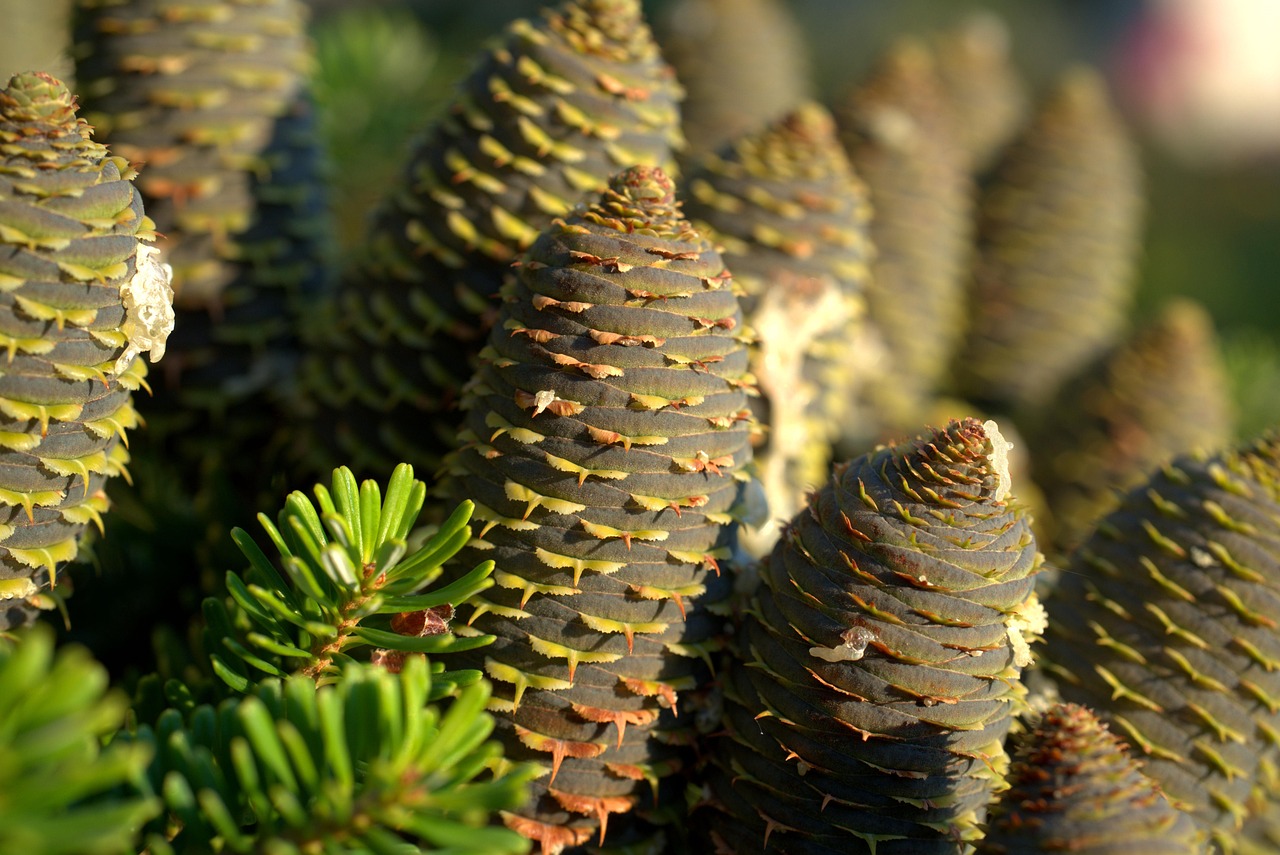
As balsam fir trees mature, their water requirements may change. Older trees often develop deeper root systems that can access moisture more effectively. However, during extreme weather conditions, such as prolonged droughts or heatwaves, even mature trees may need extra care and attention.
Understanding the specific water needs of balsam fir trees is essential for promoting healthy growth. By taking into account the factors discussed above and adjusting watering practices accordingly, tree owners can ensure their balsam firs thrive in their environment.
Caring for these trees not only enhances their beauty but also supports local wildlife and ecosystems. Balsam firs offer shelter and food for various species. Thus, providing them with adequate water is part of fostering a healthy natural habitat.

Factors Affecting Water Requirements
When determining how much water balsam fir trees need, several factors come into play. Understanding these factors can help ensure that the trees receive the right amount of moisture throughout their growth cycle. Below are some key variables that affect the water needs of balsam firs.
Soil Composition
The type of soil in which balsam fir trees are planted significantly influences their water requirements. Different soil types have varying capacities for holding moisture. Here are some common soil types and their characteristics:
| Soil Type | Moisture Retention | Impact on Watering |
|---|---|---|
| Sandy Soil | Low | Requires more frequent watering due to quick drainage. |
| Clay Soil | High | Holds moisture well, requiring less frequent watering. |
| Loamy Soil | Moderate | Balances moisture retention and drainage; ideal for balsam firs. |
| Silty Soil | Moderate to High | Retains moisture well but can become compacted, affecting drainage. |
Choosing the right soil mix for planting balsam firs can enhance their growth and reduce the need for supplemental watering.
Climate Considerations
Climate plays a crucial role in determining how much water balsam fir trees require. The following climate factors should be considered:
- Temperature: Higher temperatures increase evaporation rates, leading to greater water needs.
- Humidity: Low humidity can cause trees to lose moisture more rapidly through transpiration.
- Precipitation: Regions with consistent rainfall may require less supplemental watering.
- Seasonal Changes: Trees may need more water during hot summer months compared to cooler seasons.
Understanding local climate patterns is essential for planning effective watering schedules. For instance, in areas with hot summers and low rainfall, additional watering may be necessary to maintain healthy balsam firs.
Watering Techniques for Balsam Fir Trees
Proper watering techniques can enhance the health of balsam fir trees. Here are some effective methods for providing adequate moisture:
Drip Irrigation Systems
A drip irrigation system delivers water directly to the root zone of the trees. This method minimizes evaporation and runoff, ensuring that water reaches where it is most needed. Key benefits include:
- Efficiency in water use.
- Reduced weed growth due to targeted watering.
- Lesser risk of over-watering, which can harm tree roots.
Soaker Hoses
Soaker hoses are another excellent option for watering balsam fir trees. These hoses release water slowly along their length, providing even moisture to the surrounding soil. Advantages include:
- Simplicity in setup and maintenance.
- Ability to cover larger areas around multiple trees.
- Less evaporation compared to traditional hose watering.
Hand Watering
For smaller gardens or individual trees, hand watering can still be effective. When hand watering, consider the following tips:
- Water deeply: Ensure that water penetrates several inches into the soil to encourage deep root growth.
- Avoid wetting foliage: Focus on watering the base to prevent fungal diseases.
- Monitor soil moisture: Use a soil moisture meter or check the soil with your hands to determine when to water.
The Importance of Mulching
Applying mulch around the base of balsam fir trees can greatly assist in maintaining soil moisture. Mulch acts as a barrier against evaporation, helping to keep the soil consistently moist. Here are some benefits of mulching:
- Temperature Regulation: Mulch helps keep the root zone cool during hot weather.
- Weed Suppression: It reduces competition for water and nutrients by limiting weed growth.
- Nutrient Addition: Organic mulches break down over time, enriching the soil with nutrients.
The right mulch material, such as wood chips or bark, can also enhance the aesthetic of landscaping while providing these additional benefits.
Signs of Water Stress in Balsam Fir Trees
Recognizing the signs of water stress in balsam fir trees is crucial for timely intervention. Water stress can lead to poor tree health and, in severe cases, death. Here are some common symptoms to watch for:
- Wilting Needles: Needles may droop or appear limp when the tree is not getting enough water.
- Color Changes: Needles may turn yellow or brown, especially at the tips, indicating distress.
- Stunted Growth: If a tree is not growing as expected, it may be suffering from inadequate moisture.
- Bark Cracking: Excessive dryness can lead to cracks in the bark, affecting the tree’s overall health.
- Needle Drop: Trees under water stress may shed their needles prematurely.
Monitoring these symptoms regularly can enable tree owners to respond quickly to potential water shortages, thereby protecting their balsam firs.
Watering Frequency and Timing
Determining how often to water balsam fir trees depends on various factors such as soil type, climate, and tree age. Here are some general guidelines for watering frequency:
Newly Planted Trees
Newly planted balsam firs have limited root systems and require more frequent watering. It is advisable to water them every 3 to 4 days during their first few weeks after planting. As they establish themselves, this frequency can be gradually reduced.
Mature Trees
Mature balsam fir trees typically require less frequent watering. A general rule is to water them deeply once a week during dry spells. However, in extremely hot weather or prolonged drought conditions, they may need additional watering. Here is a simple schedule for mature trees:
| Condition | Watering Frequency |
|---|---|
| Normal Conditions | Once a week |
| Dry Spells | Twice a week |
| Extreme Heat | Every 2 to 3 days |
The Role of Seasonal Changes
Seasonal changes also affect the watering needs of balsam fir trees. Understanding these variations can help maintain optimal moisture levels throughout the year.
Spring and Early Summer
During spring and early summer, balsam fir trees are actively growing. This period typically requires consistent watering as they establish new growth. Frequent rains may reduce the need for supplemental watering, but monitoring soil moisture remains important.
Late Summer and Fall
As summer transitions to fall, the growth rate of balsam fir trees slows down. Watering can be reduced, but it is essential to ensure that trees receive adequate moisture before winter dormancy. A final deep watering session in late fall can help prepare the trees for colder temperatures.
Winter Watering Considerations
In winter, balsam fir trees enter dormancy and require significantly less water. However, if there are mild periods with no snow cover, it’s beneficial to check soil moisture. If the ground is dry, a light watering may be necessary to keep roots hydrated.
Common Mistakes in Watering Balsam Fir Trees
Even experienced gardeners can make mistakes when it comes to watering balsam fir trees. Here are some common pitfalls to avoid:
- Over-Watering: Providing too much water can lead to root rot and other diseases. It’s essential to allow the soil to dry slightly between waterings.
- Irrigating During Rain: Watering trees when it is raining can lead to saturated soil and increased stress on the roots.
- Ignoring Soil Type: Different soils have different water retention capacities. Adjusting watering practices based on soil type is crucial for healthy trees.
- Lack of Monitoring: Failing to check soil moisture levels regularly can result in either drought stress or over-watering.
Avoiding these mistakes can significantly enhance the health and longevity of balsam fir trees. Proper watering practices tailored to their specific needs will help ensure these beautiful evergreens thrive in your landscape.
Maintaining Healthy Balsam Fir Trees
In addition to proper watering practices, several other factors contribute to the overall health of balsam fir trees. These include soil health, pest management, and regular pruning. Addressing these elements holistically can result in robust and vibrant trees.
Soil Health
Healthy soil is fundamental for the growth of balsam fir trees. Ensuring that the soil is rich in organic matter can enhance moisture retention and nutrient availability. Here are some tips for maintaining soil health:
- Regular Soil Testing: Conduct soil tests to determine pH levels and nutrient content. This can inform fertilization practices.
- Organic Amendments: Adding compost or well-rotted manure can improve soil structure and fertility.
- Mulching: As mentioned earlier, applying mulch helps retain moisture and adds nutrients as it decomposes.
Pest Management
Pests can pose a serious threat to balsam fir trees, especially if they are already stressed due to inadequate watering. Keeping an eye out for signs of pest infestations is vital. Common pests include:
- Bark Beetles: These pests can bore into the bark, disrupting nutrient flow and causing tree decline.
- Aphids: These small insects can sap moisture from new growth, weakening the tree.
- Spruce Budworms: They feed on new growth, which can lead to stunted tree development.
Implementing integrated pest management strategies can help control these pests. This can include introducing natural predators or using organic pesticides when necessary.
Regular Pruning
Pruning is another essential aspect of maintaining healthy balsam fir trees. Regularly removing dead or diseased branches can improve air circulation and light penetration, promoting healthy growth. Here are some pruning tips:
- Timing: The best time to prune balsam firs is during late fall or early spring when the trees are dormant.
- Tools: Use clean, sharp tools to make precise cuts and reduce the risk of disease.
- Technique: Cut back to a lateral branch or bud to encourage new growth and maintain the tree’s shape.
Final Thoughts
Understanding how much water balsam fir trees require is essential for their health and longevity. By considering factors such as soil type, climate, and tree age, you can tailor your watering practices to meet their specific needs. Furthermore, avoiding common watering mistakes will help prevent water stress and promote optimal growth.
In addition to proper watering, maintaining healthy soil, managing pests, and performing regular pruning are key elements in ensuring that your balsam fir trees thrive. These practices, combined with a keen eye for signs of stress, will help you cultivate a beautiful landscape filled with flourishing balsam firs.
Balsam fir trees not only enhance the beauty of any garden or landscape but also contribute positively to local ecosystems. Their ability to provide shelter and food for wildlife makes them an invaluable addition to both residential and commercial properties. By taking the time to understand their needs and care for them properly, you will enjoy the benefits of these majestic evergreens for many years to come.
Ultimately, successful cultivation of balsam fir trees is a rewarding endeavor that requires attention, knowledge, and dedication. By implementing the strategies outlined in this article, you can ensure that your trees remain healthy, vibrant, and a source of pride in your landscape.