
The best way to avoid root rot in a snake plant is to water it every 2-6 weeks, depending on the environment. I’ve learned that understanding your plant’s specific needs is key to keeping it healthy and thriving. Read Interesting article: Are Spider Plants Poisonous to Cats? Safety Guide
Table of Contents
Understanding the Snake Plant
What is a Snake Plant?
The snake plant, also known as Sansevieria or mother-in-law’s tongue, is a popular houseplant known for its striking, upright leaves and resilience. I remember the first time I saw one in a friend’s living room; its architectural shape and deep green color immediately caught my eye. This plant can adapt to a range of conditions, making it a favorite for both novice and experienced plant enthusiasts alike. It’s a succulent, which means it stores water in its leaves, allowing it to survive in less-than-ideal watering conditions. This feature is one of the reasons why snake plants are often recommended for those who may forget to water their plants regularly.
Common Varieties of Snake Plants
There are several varieties of snake plants, each with unique characteristics. Some of my favorites include:
- Sansevieria trifasciata: This is the classic variety with tall, sword-like leaves that often have yellow edges. It’s the one most people picture when they think of snake plants.
- Sansevieria cylindrica: Known for its cylindrical leaves that grow upright, this variety adds an interesting texture to any space.
- Sansevieria laurentii: This variety features striking green leaves with a bright yellow margin, making it a beautiful addition to a home or office.
- Sansevieria moonshine: With its silvery-gray leaves, this variety offers a different aesthetic while still being easy to care for.
Each type has its charm, and I’ve even mixed a few varieties in one pot for a vibrant display. It’s a fun way to showcase their unique shapes and colors!
Benefits of Keeping a Snake Plant
Not only are snake plants visually appealing, but they also provide several benefits. For one, they are excellent air purifiers. I’ve read studies that show they can filter toxins like formaldehyde and benzene, improving indoor air quality. This was a huge selling point for me when I decided to add them to my home. Additionally, snake plants are incredibly low-maintenance; they thrive on neglect. I often forget about them for weeks, and they still look great. They can also handle a variety of light conditions, from low light to bright indirect light, which makes them versatile for different rooms in the house. Read Interesting article: Are Coffee Grounds Good for Plants? Pros Cons & Best Uses
Watering Needs of a Snake Plant
Understanding Soil Moisture
Before diving into how often to water a snake plant, it’s essential to understand soil moisture. Snake plants prefer well-draining soil that allows excess water to escape easily. I learned this the hard way when I used a potting mix that retained too much moisture; my plant suffered. The right soil helps prevent overwatering, which is one of the main culprits behind root rot. I now always check the soil’s moisture level before watering, ensuring it’s dry a couple of inches down before I grab the watering can.
How Often to Water a Snake Plant
Watering frequency can vary based on several factors, including the season, humidity, and temperature. In my experience, I find that watering every 2-6 weeks works well. During the growing season in spring and summer, I tend to water more frequently—about every two weeks. However, in the colder months, I stretch it out to every month or so. I always keep a close eye on the leaves; if they start to look dull or wrinkled, it’s my cue to check the soil moisture. I recommend using the “soak and dry” method: water thoroughly until it drains from the bottom, then allow the soil to dry out completely before watering again.
Factors Affecting Watering Frequency
Climate and Seasonal Changes
The climate plays a significant role in how often you should water your snake plant. In hotter, drier conditions, I’ve noticed that my plants tend to dry out faster, requiring more frequent watering. Conversely, during the humid months or winter, the frequency can decrease significantly. It’s crucial to adjust based on the environmental conditions around your plant.
Indoor vs. Outdoor Conditions
Whether your snake plant is indoors or outdoors also affects its watering needs. Indoor snake plants often have a more stable environment, whereas outdoor plants might face fluctuating temperatures and humidity. I keep my snake plants indoors, which provides a controlled environment that I can manage easily. If you have yours outside, be prepared to monitor them a bit more closely during weather changes.
Pot Size and Type
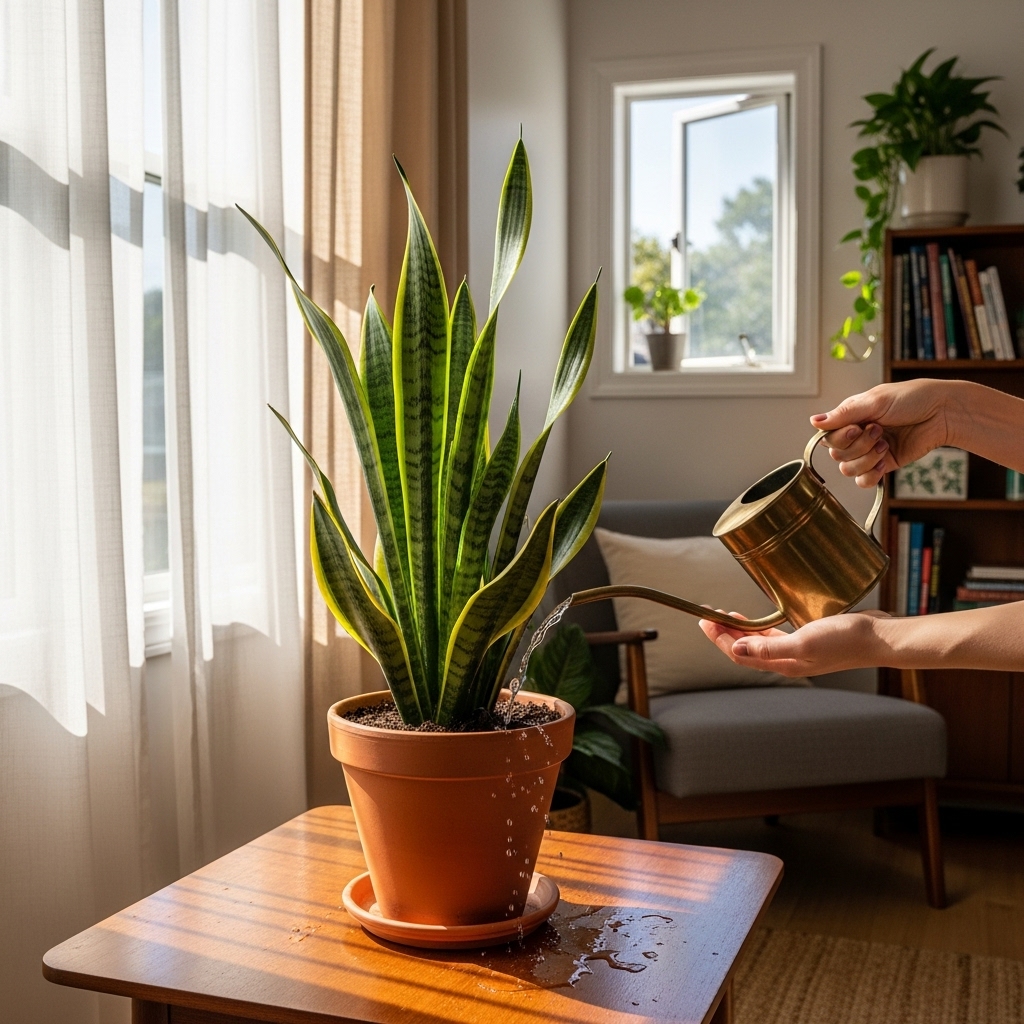
The size and type of pot you choose can impact how often you need to water your snake plant. I’ve found that smaller pots tend to dry out more quickly than larger ones. If you use a pot with drainage holes, it helps prevent water from sitting at the bottom, thus reducing the risk of root rot. I prefer terracotta pots for my snake plants as they are porous and help wick moisture away from the soil. It’s all about finding the right balance for your specific situation.
Signs of Overwatering and Underwatering
Identifying Overwatered Snake Plants
Overwatering can be a sneaky problem with snake plants, and I’ve had my fair share of experiences with it. It’s crucial to recognize the signs early to save your plant from serious distress. One of the first things I notice when my snake plant is overwatered is the leaves turning yellow. This yellowing can start with just a few leaves but can quickly spread if the issue is not addressed. I remember seeing this happen to one of my plants; I thought it was just a change in the season until the problem escalated.
Yellowing Leaves
When the leaves begin to yellow, it’s usually a sign that the roots are suffocating due to excess moisture. The leaves might feel soft and even droop, indicating that they’re not receiving the necessary nutrients. If you see this happening, I suggest you gently check the soil. If it’s soggy, it’s time to act quickly!
Soft and Mushy Roots
Another telltale sign of overwatering is when you inspect the roots. I’ve learned that healthy roots should feel firm and white. If they’re mushy and brown, it’s a clear indication of root rot caused by overwatering. If this happens, I’ve found that repotting in dry, fresh soil can sometimes help salvage the plant, but it’s crucial to cut away any rotten roots first.
Identifying Underwatered Snake Plants
On the flip side, underwatering can also create its own set of problems. I’ve seen my snake plants look a bit sad and droopy when I forget to water them for longer than I should. Their resilience is impressive, but they do need some care! Understanding the signs of underwatering can make all the difference.
Wrinkled or Drooping Leaves
One of the first signs I notice when my snake plant is underwatered is the leaves becoming wrinkled or droopy. It’s almost like the leaves are signaling, “Help us out here!” When this happens, I immediately check the soil. If it feels bone dry, that’s my cue to give them a drink. I’ve learned to be proactive about this because if I wait too long, it can take some time for the plant to bounce back.
Roots and Soil Condition
When checking for underwatering, I also like to take a look at the roots. Healthy roots should be white and firm, just like with overwatering. However, if the roots are shriveled or the soil is completely dry, it indicates that the plant has been thirsty for a while. If I find my plant in this state, I try to soak it thoroughly, allowing the water to drain out before letting it dry completely again. It’s like giving my plant a nice refreshing drink after a hot day!
Avoiding Root Rot
What is Root Rot?
Root rot is a common issue that can affect snake plants, and it can be a real heartbreaker. Essentially, it occurs when the roots sit in waterlogged soil, leading to decay. Understanding how to avoid this has been a game changer for my plant care routine. I remember the first time I lost a plant to root rot; I was devastated! Now, I’m much more vigilant about preventing it.
Causes of Root Rot in Snake Plants
There are a few key factors that contribute to root rot. Overwatering is the most significant cause, as it creates the perfect environment for pathogens to thrive. Poor drainage is another culprit; if the pot doesn’t allow excess water to escape, the roots can quickly become waterlogged. I’ve found that using pots with drainage holes is non-negotiable in my plant care. It’s a small detail that makes a massive difference!
How to Prevent Root Rot
Preventing root rot is all about being proactive. Here are some strategies I’ve incorporated into my routine that have proven effective:
Choosing the Right Soil
Using well-draining soil is paramount. I’ve learned to mix regular potting soil with sand or perlite to ensure it allows for proper drainage. This combination helps keep the roots happy and healthy. I remember when I switched to this mix; my snake plants thrived like never before!
Proper Potting Techniques
When potting my snake plants, I always ensure they’re in a pot with adequate drainage holes. If I ever find myself using a decorative pot without drainage, I make sure to remove the plant and repot it properly. I believe that giving my plants their best chance to thrive starts with the right potting setup. Read Interesting article: How to Repot a Plant Without Killing It
Watering Best Practices
As I mentioned earlier, employing the “soak and dry” method has been a lifesaver for me. I always water deeply but allow the soil to dry out completely before the next watering. This practice not only helps prevent root rot but also encourages healthy root growth. I feel like my plants appreciate the attention to their watering needs!
Best Practices for Watering Snake Plants
Watering Techniques
When it comes to watering techniques, I’ve found that the way I approach this task makes a big difference. I prefer using a watering can with a long spout to direct the water right at the base of the plant. This way, I avoid wetting the leaves, which can sometimes lead to other issues like leaf rot. I also take my time to ensure the water seeps through the drainage holes at the bottom of the pot. It’s a bit of a ritual for me, and I always feel a sense of satisfaction when I know I’ve done it right!
When to Water: Timing and Frequency
Deciding when to water can often be a matter of observation and instinct. I’ve learned that checking the soil moisture regularly—especially during seasonal changes—helps me adjust my routine. I like to set a reminder on my phone every couple of weeks, but I also trust my gut feeling. If I see my plants looking a bit droopy, I know it’s time to act!
Tools and Accessories for Watering
Having the right tools makes watering much more enjoyable. I love using my moisture meter to get a quick reading of the soil moisture level. It’s like having a little assistant helping me take care of my plants. I also keep a small funnel handy to help me water without spilling. These little gadgets have made my watering routine more efficient and less messy!
Additional Care Tips for Snake Plants
Light Requirements
When it comes to light, I’ve found that snake plants are incredibly adaptable. They can thrive in a wide range of lighting conditions, which is one of the reasons they are so beloved. In my experience, they do best in indirect sunlight. I’ve placed mine in a spot that gets bright, filtered light, and they seem to flourish there. However, I’ve also seen them do well in lower light situations, like my home office, where natural light isn’t abundant. Just remember, placing them in direct sunlight for too long can scorch their leaves. I learned this lesson the hard way when I noticed some crispy edges on a few leaves. Now, I make sure to keep an eye on their location and adjust it if needed.
Fertilizing Guidelines
I used to think that snake plants didn’t need much attention when it came to fertilizing, but I’ve discovered that they benefit from a little extra nourishment during the growing season. I typically fertilize mine every 4-6 weeks from spring to early fall using a balanced, diluted liquid fertilizer. It’s exciting to see how they respond! I recommend using half the recommended strength to avoid overwhelming the plant. In winter, I skip fertilizing altogether, as they enter a dormant phase. This approach has worked well for me, and I can see the difference in their growth and overall health.
Repotting and Maintenance
Repotting is another important aspect of snake plant care that I’ve learned to pay attention to. These plants can grow quite large, and they may outgrow their pots over time. I typically repot mine every couple of years or when I notice that the roots are starting to push through the drainage holes. It’s a fun project for me, and it gives me a chance to refresh their soil as well. When repotting, I always choose a pot that’s one size larger and ensure it has good drainage. I find that spring is the best time to do this, as the plants are waking up from their winter rest and can settle into their new homes nicely.
During maintenance, I keep an eye out for any dead or damaged leaves. If I spot any, I trim them away to encourage new growth. I also like to wipe down the leaves occasionally with a damp cloth to remove dust, which helps them absorb more light. It’s a simple task that makes a big difference, and I always feel satisfied knowing my plants are looking their best.
Frequently Asked Questions (FAQs)
How do I know if my snake plant needs water?
For me, checking the soil is the best way to determine if my snake plant needs water. I usually stick my finger into the soil about an inch deep. If it feels dry at that depth, it’s time to water. I’ve also learned to look at the leaves; if they begin to droop or wrinkle, it’s a sign that the plant is thirsty. Trusting my instincts and regularly checking the soil helps me keep my plants healthy and happy.
Can snake plants survive in low light?
Absolutely! From my experience, snake plants are champions when it comes to low-light conditions. They can adapt to spaces that don’t receive much natural light, which is why I keep one in my office. However, while they can survive, they won’t grow as quickly or vigorously in low light. I’ve noticed that they thrive better with some indirect light, so if you can provide a little brightness without direct sun, that’s ideal.
What type of soil is best for snake plants?
Using well-draining soil is essential for snake plants. I’ve found that a mix of regular potting soil combined with perlite or sand works wonders. This combination keeps the roots healthy by preventing water from sitting around them. I remember switching to this mix after struggling with root rot, and it made a significant difference. Ensuring proper drainage is the key to a happy snake plant!
How do I revive a dying snake plant?
Reviving a dying snake plant can be tricky, but it’s not impossible! If I ever find one of my plants looking worse for wear, I first assess the situation. I check the soil and roots—if they’re soggy or mushy, I repot it in fresh, dry soil after trimming away any rotten roots. If it’s underwatered, I give it a thorough soak and then let the soil dry out completely before watering again. It’s all about giving it the right conditions to bounce back. I’ve had success with a few of my plants that seemed hopeless, so don’t lose hope!