
The ideal watering schedule for a snake plant is every 2-6 weeks, depending on the season and environmental conditions. I’ve found that being attentive to the plant’s needs is essential for keeping it healthy and thriving. For more details on the watering schedule, check out How Often Do You Water a Snake Plant? Easy Schedule.
Table of Contents
Understanding Snake Plants
What is a Snake Plant?
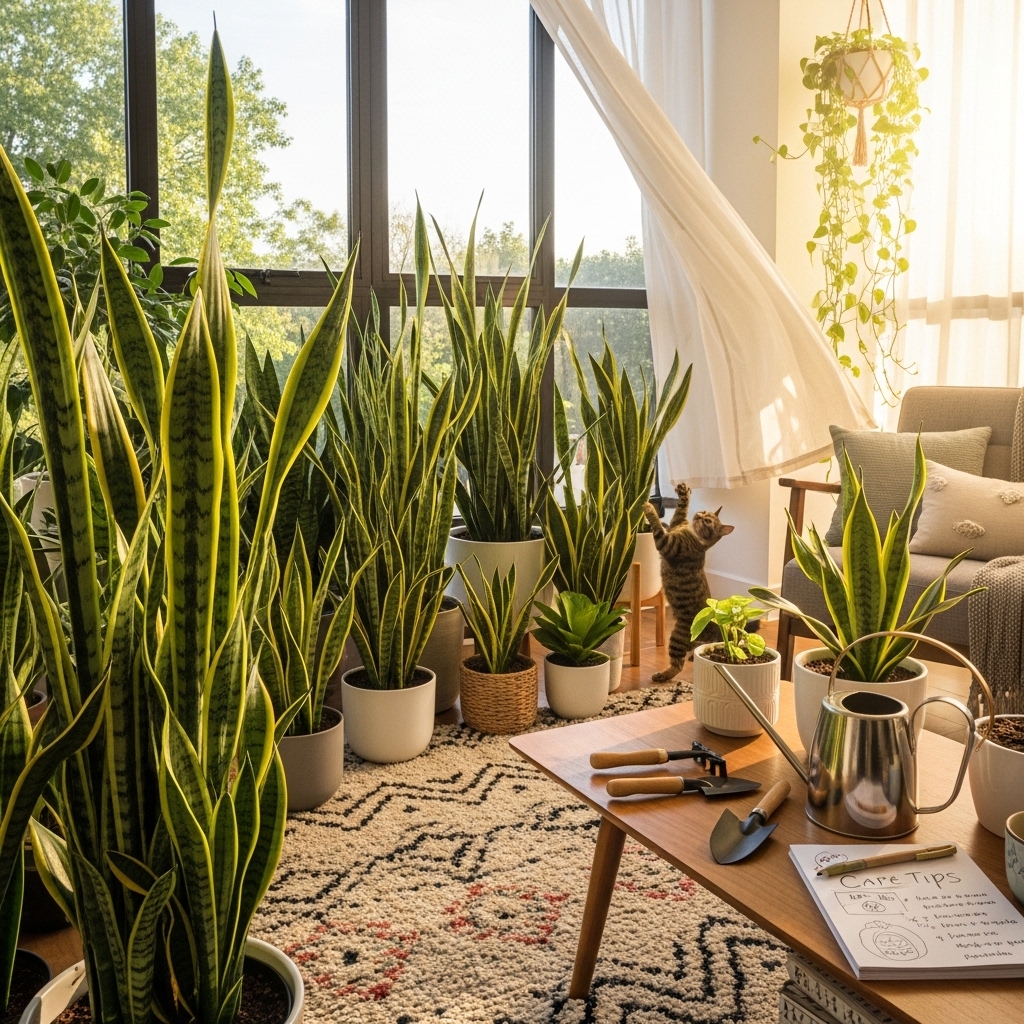
Snake plants, also known as Sansevieria or Mother-in-Law’s Tongue, are popular houseplants loved for their striking appearance and low maintenance. Their tall, sword-like leaves can be green or variegated, adding a touch of elegance to any room. I remember my first encounter with a snake plant; I was immediately drawn to its unique shape and vibrant colors. Little did I know that this resilient plant would become one of my favorites!
Common Varieties of Snake Plants
There are several varieties of snake plants, each with its own charm. Some of the most common ones include:
- Sansevieria trifasciata: The classic snake plant, often featuring dark green leaves with light gray-green bands.
- Sansevieria cylindrica: Known for its cylindrical leaves, this variety has a more sculptural look.
- Sansevieria laurentii: A popular choice, it features yellow edges on its leaves, giving it a striking contrast.
- Sansevieria moonshine: This variety has pale green foliage that adds a soft touch to any space.
Each type has its own personality, but they all share the same watering needs and care requirements. I’ve enjoyed experimenting with different varieties and seeing how they fit into my home décor.
Watering Needs of Snake Plants
Why Proper Watering is Important
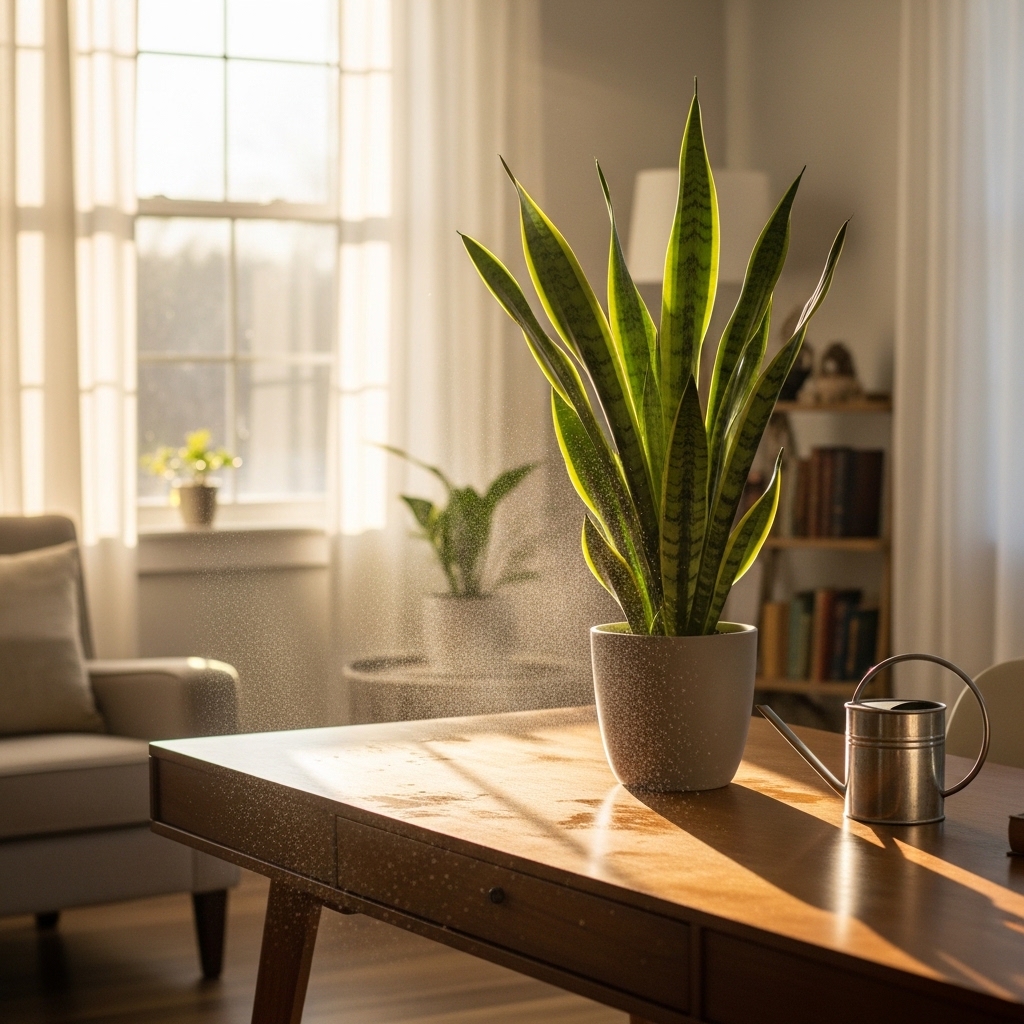
Watering is essential for the health of snake plants, as it directly affects their growth and overall vitality. In my experience, I’ve learned that improper watering can lead to issues like root rot or stunted growth. Snake plants are native to arid regions, which means they are adapted to survive in low-water conditions, making them quite forgiving compared to other houseplants. However, that doesn’t mean we can neglect their watering needs entirely; finding the right balance is key. For tips on avoiding root rot, refer to How Often to Water a Snake Plant (Avoid Root Rot).
How Snake Plants Absorb Water
Snake plants have a unique way of absorbing water. They take in moisture through their roots, and because their leaves are thick and fleshy, they can store water for extended periods. I’ve noticed that this ability allows them to tolerate drought better than many other plants. Understanding this helps me determine when I need to water them; it’s all about the soil’s moisture level rather than a strict schedule. When the soil dries out, it’s time to give them a drink.
When to Water a Snake Plant
Signs Your Snake Plant Needs Water
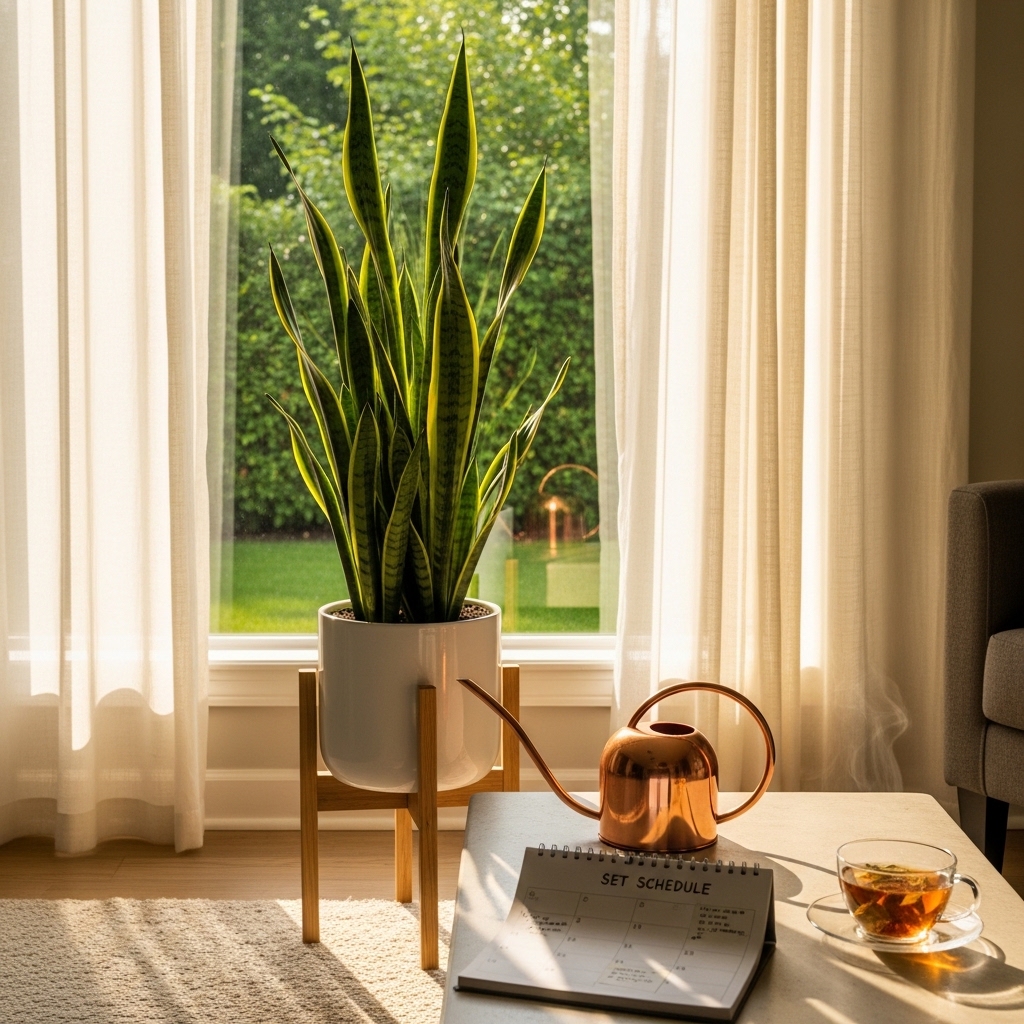
I’ve learned to recognize a few telltale signs that my snake plant is ready for a drink. The most noticeable sign is the soil’s dryness. If I stick my finger an inch deep into the soil and it feels dry, it’s time to water. Another clue is the leaves themselves; if they look slightly droopy or shriveled, they might be thirsty. I once waited too long to water, and I could see my plant’s leaves starting to curl. Thankfully, a good watering brought it back to life!
Signs Your Snake Plant is Overwatered
On the flip side, overwatering is a common mistake. When I’ve given my snake plant too much water, the leaves can turn yellow and mushy. If I notice a foul smell coming from the soil, that’s another red flag indicating root rot. I remember when I almost lost a snake plant due to overwatering; it taught me the importance of patience and observation. It’s crucial to let the soil dry out completely before watering again.
Seasonal Watering Schedule
Creating a seasonal watering schedule has helped me maintain my snake plants more effectively. Typically, they require more frequent watering during the growing seasons of spring and summer, while their needs decrease in fall and winter.
Spring and Summer
During the warmer months, I usually water my snake plants every 2-4 weeks. The increase in light and warmth encourages growth, so they tend to drink up more water. I’ve also discovered that keeping an eye on the humidity levels in my home can help me adjust my watering schedule. If the air is particularly dry, they might need a little extra moisture.
Fall and Winter
In the fall and winter, the watering frequency decreases to every 4-6 weeks. The cooler temperatures and reduced light mean that snake plants are in a sort of dormancy, and they don’t need as much water. I always remind myself to be extra cautious during these months to avoid overwatering. It’s incredible how much the watering needs can change with the seasons!
How to Water a Snake Plant

Best Practices for Watering
When I first started caring for my snake plants, I quickly realized that there are some best practices that can make all the difference. One of the most important things I’ve learned is to always check the soil moisture before watering. I like to use a moisture meter sometimes, but my go-to method is still the finger test. Sticking my finger into the soil helps me gauge how dry it is, ensuring I only water when it’s truly necessary. This simple practice has saved my plants from both overwatering and underwatering, helping them stay healthy and vibrant.
Another best practice is to water thoroughly but infrequently. I’ve found that giving my snake plant a good soak allows the water to reach the roots effectively. To do this, I water until I see it start to drain out of the bottom of the pot. This method helps me ensure that the entire root system is getting the hydration it needs. However, I always make sure to empty the saucer beneath the pot after watering. It’s easy to forget, but I’ve learned the hard way that standing water can lead to root rot.
Tools and Equipment Needed
Having the right tools on hand makes watering my snake plants much easier. I recommend investing in a few essentials. A good watering can with a long spout is a must for reaching the depths of the pot without spilling water all over the place. I’ve found that having a smaller watering can is great for my smaller snake plants, while a larger one works well for the big guys.
Additionally, a moisture meter can be a handy tool, especially for someone who might be new to plant care. When I got mine, I was amazed at how much it helped me learn about my plants’ needs without having to guess. Finally, having a few saucers or trays to catch excess water is vital. This not only keeps my space neat but also helps prevent any water damage to my furniture.
Techniques for Effective Watering
Over the years, I’ve developed a few techniques that I swear by for effective watering. One technique I find useful is to rotate my snake plant while watering. This ensures that all sides of the plant get equal access to water and light. I always turn it a little bit every time I water, and it’s amazing how much it helps the plant grow evenly.
Another technique is to consider the type of water I use. I’ve read that using room temperature water is better for snake plants. Cold water might shock their roots, whereas room temperature feels more natural. I typically fill my watering can and let it sit for a while before using it, just to make sure it’s at the right temperature. It’s a small step, but I think it makes a difference.
Lastly, I sometimes mist the leaves lightly during particularly dry seasons. This isn’t a substitute for watering the soil, but it can provide an added layer of humidity that many plants appreciate. I’ve noticed that my snake plants seem to respond well to this little extra care, especially during the winter months when indoor air can get quite dry.
Common Mistakes in Watering Snake Plants
Overwatering vs. Underwatering
As I’ve navigated my way through caring for snake plants, I’ve made my fair share of mistakes. One of the biggest pitfalls is overwatering. It’s so easy to think that more water equals healthier plants, but I’ve learned that this is far from the truth. I recall a period when my snake plant was looking a bit droopy and yellowed, and I kept adding more water, thinking it would perk up. Instead, it just got worse until I finally realized my mistake. Now, I pay much closer attention to the soil and the signs my plants give me.
Conversely, I’ve also experienced the effects of underwatering. There have been times when I got too busy to check on my plants, and they ended up looking parched. I remember one instance when my snake plant’s leaves began to curl, and I could immediately tell I had waited too long. It was a wake-up call for me to establish a more consistent routine. Finding that balance between watering too much and not enough is crucial, and it’s something I’m still perfecting.
Using the Wrong Soil Type
Another mistake I made early on was using the wrong type of soil. I thought all potting mixes were the same, but I quickly learned that snake plants thrive best in well-draining soil. I use a cactus potting mix now, which helps prevent excess moisture from sitting around the roots. When I switched to this type of soil, I noticed a significant improvement in my plants’ health. It’s amazing how something as simple as soil can impact their overall well-being!
Ignoring Environmental Factors
Finally, one common mistake I’ve made is ignoring environmental factors. Things like temperature, humidity, and light levels can all influence a snake plant’s watering needs. I once had my snake plants sitting in a drafty area, and they didn’t thrive as well as they could have. I’ve since moved them to a more stable location, and it’s been a game changer. I’ve learned to always consider these factors in my watering routine to help my plants flourish.
Additional Care Tips for Snake Plants
Light Requirements
One thing I’ve learned about snake plants is their incredible adaptability when it comes to light conditions. They can thrive in a range of lighting, from low light to bright indirect light. I remember when I first brought home my snake plant; I placed it in a corner that didn’t get much sunlight, thinking it wouldn’t do well. To my surprise, it flourished! I’ve found that while they can tolerate lower light, they do tend to grow more vigorously in brighter environments. If you want to encourage more growth, I recommend finding a spot with indirect sunlight. They love basking in the light, but direct sunlight can scorch their leaves, so it’s essential to strike that balance.
Soil Preferences
Choosing the right soil for my snake plants was a game-changer. Initially, I used standard potting soil, thinking it would suffice. However, I quickly discovered that snake plants prefer well-draining soil. I now use a cactus or succulent mix, which allows excess moisture to escape. This change has significantly improved the health of my plants. I’ve noticed that when the roots can breathe, they are much happier, and the leaves look more vibrant. If you’re unsure about your soil, I recommend checking for a mix that contains perlite or sand to improve drainage; it makes a world of difference!
Temperature and Humidity Considerations
Temperature is another factor that plays a vital role in the well-being of snake plants. They thrive in average home temperatures, ideally between 60°F and 80°F (15°C to 27°C). I once made the mistake of placing mine near a drafty window during winter, and the poor thing didn’t respond well. It’s important to keep snake plants away from extreme temperature fluctuations and drafts. I’ve found that keeping them in a stable environment helps them maintain their health.
As for humidity, snake plants aren’t particularly picky. They can tolerate low humidity levels, which is great for those of us living in drier climates or during the winter months when indoor air can get quite arid. However, providing a little extra humidity can benefit them, especially if you’re in an especially dry environment. I sometimes place a small humidifier nearby during the winter or group my plants together to create a microenvironment with slightly higher humidity. It’s such a simple trick that keeps my plants looking their best!
FAQs About Watering Snake Plants
How often should I water my snake plant?
The watering frequency for snake plants really depends on the season and your specific environment. In general, I find that watering every 2-6 weeks works well. During the growing season in spring and summer, they might need water every 2-4 weeks, while in fall and winter, you can stretch it to every 4-6 weeks. It’s all about checking the soil moisture and responding accordingly.
Can I use tap water for my snake plant?
Using tap water is usually fine for snake plants. I’ve used it for years without issues. However, if your tap water is heavily treated with chlorine or fluoride, it might be a good idea to let it sit out for 24 hours before using it. This allows some of the chemicals to dissipate. I find that using room temperature water helps prevent shocking the plant’s roots, making it a simple step that benefits my snake plants.
What happens if I forget to water my snake plant?
If you forget to water your snake plant, don’t panic! They are incredibly resilient and can tolerate periods of drought. In my experience, it usually takes a little longer for them to perk back up if they get too dry, but they often bounce back quickly with a good soak. Just keep an eye on the leaves; if they start to droop or curl, it’s a sign that they need a drink. I’ve learned that as long as I’m not overwatering, my snake plants are pretty forgiving.
Frequently Asked Questions
How often should I water my snake plant?
The watering frequency for snake plants really depends on the season and your specific environment. In general, watering every 2-6 weeks works well. During the growing season in spring and summer, they might need water every 2-4 weeks, while in fall and winter, you can stretch it to every 4-6 weeks. It’s all about checking the soil moisture and responding accordingly.
What is a snake plant?
Snake plants, also known as Sansevieria or Mother-in-Law’s Tongue, are popular houseplants loved for their striking appearance and low maintenance. They feature tall, sword-like leaves that can be green or variegated, adding elegance to any room.
What are the signs that my snake plant needs water?
Some telltale signs that your snake plant is ready for a drink include the soil feeling dry when you stick your finger an inch deep into it and the leaves appearing slightly droopy or shriveled.
What are the signs that my snake plant is overwatered?
When a snake plant is overwatered, the leaves can turn yellow and mushy, and you may notice a foul smell coming from the soil, indicating root rot.
What type of soil is best for snake plants?
Snake plants thrive best in well-draining soil. Using a cactus or succulent mix helps prevent excess moisture from sitting around the roots, which is crucial for their health.
Can I use tap water for my snake plant?
Using tap water is usually fine for snake plants. However, if your tap water is heavily treated with chlorine or fluoride, it might be a good idea to let it sit out for 24 hours before using it to allow some chemicals to dissipate.
How do snake plants absorb water?
Snake plants absorb moisture through their roots and can store water in their thick, fleshy leaves, allowing them to tolerate drought better than many other plants.
What should I do if I forget to water my snake plant?
If you forget to water your snake plant, don’t panic! They are resilient and can tolerate periods of drought. They usually bounce back quickly with a good soak, but keep an eye on the leaves for signs of drooping or curling.
What are common mistakes in watering snake plants?
Common mistakes include overwatering, which can lead to yellowing leaves and root rot, and underwatering, which can cause leaves to curl. Using the wrong type of soil and ignoring environmental factors like temperature and humidity can also negatively affect their health.
What are the light requirements for snake plants?
Snake plants can thrive in a range of lighting, from low light to bright indirect light. They grow more vigorously in brighter environments but should be kept away from direct sunlight to avoid leaf scorching.
Read Interesting article: What Plants Need to Grow? Essential Checklist