
The best watering schedule for a spider plant is to water it when the top inch of soil feels dry, typically every 1 to 2 weeks. I’ve found that adjusting my watering routine based on the season and my plant’s needs keeps it healthy and thriving. Read Interesting article: How to Take Care of a Spider Plant (Easy Guide)
Table of Contents
Understanding the Spider Plant
What is a Spider Plant?
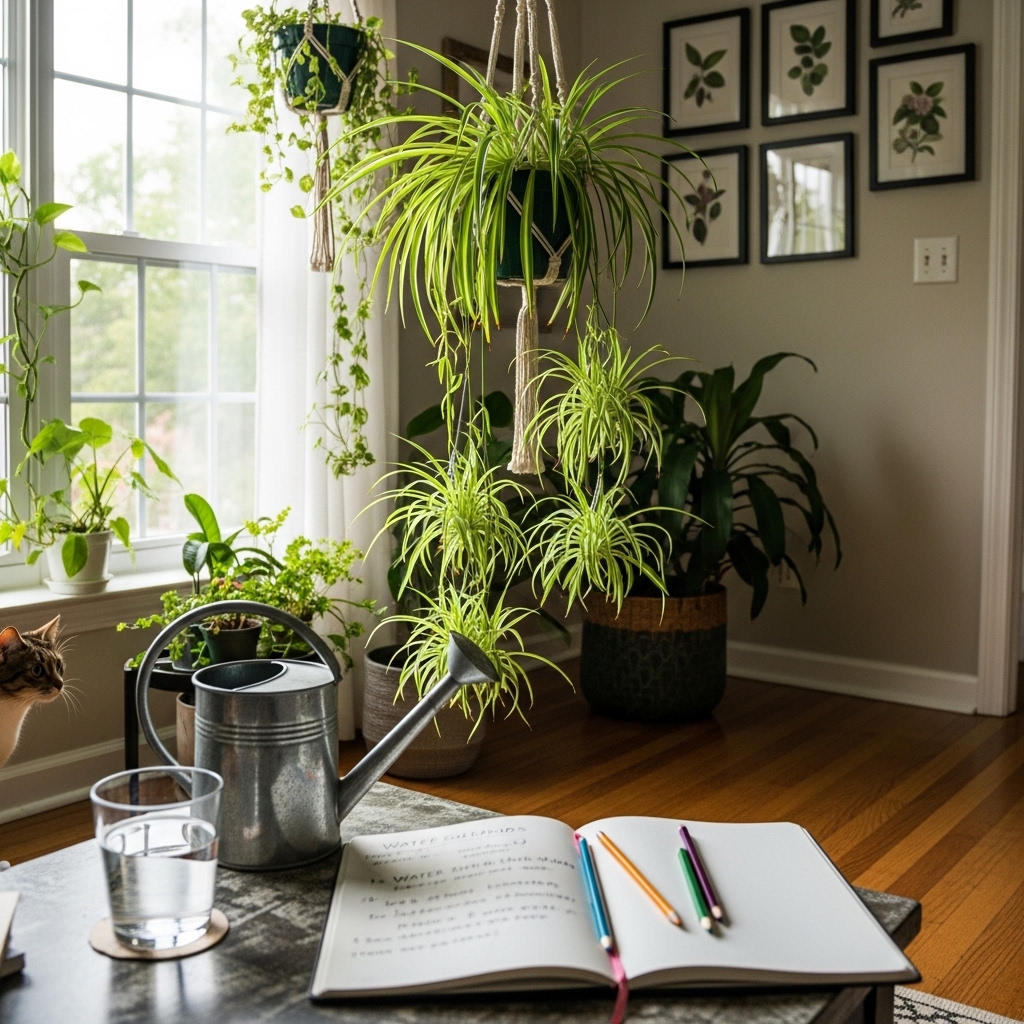
The spider plant, scientifically known as Chlorophytum comosum, is one of the most popular houseplants around. It’s easy to care for and can thrive in a variety of conditions. I remember the first time I brought one home; its unique arching leaves and the small offshoots, or “pups,” that dangle from the mother plant captivated me immediately. These plants are not just pretty; they are also known for their air-purifying abilities, making them a favorite among plant enthusiasts and beginners alike.
Key Characteristics of Spider Plants
One of the things I love about spider plants is their resilience. They have long, ribbon-like leaves that can be solid green or variegated with white stripes. They can grow up to 2 feet long, and when they bloom, they produce small white flowers on long stems. I’ve often found that my spider plant sends out pups, which are baby plants that can be propagated easily, adding to my collection or making thoughtful gifts for friends.
Spider plants thrive in indirect sunlight and prefer temperatures between 65°F to 75°F. They are forgiving and can adapt to different lighting conditions, which makes them perfect for those of us who might not have the greenest thumbs. They also prefer to be somewhat root-bound in their pots, so repotting isn’t a regular necessity.
Watering Needs of Spider Plants
Why Watering is Important
Watering is crucial for the health of any plant, and spider plants are no exception. I’ve learned that proper watering helps maintain the right moisture levels in the soil, which in turn supports nutrient absorption. Spider plants, though tolerant of dry conditions, do not thrive in completely dry soil. When I first started caring for my spider plant, I noticed that it perked up significantly after a good watering session. It’s all about finding that balance and knowing when your plant needs a drink.
Signs of Overwatering
While it’s important to keep a spider plant hydrated, overwatering can lead to root rot and other issues. I remember the first time I overwatered my plant; I noticed yellowing leaves and a soggy soil texture. If you see your plant’s leaves turning yellow or brown, or if they start to droop, it might be a sign of overwatering. Additionally, if the soil remains wet for too long, it can be detrimental to the plant’s health. Getting the hang of when to water is essential to avoid these pitfalls.
Signs of Underwatering
On the flip side, underwatering is just as problematic. I’ve experienced my plant looking a little sad and wilted when I let it dry out too much. Signs of underwatering include brown leaf tips and a general droopy appearance. The leaves may also curl inward, as if the plant is trying to conserve moisture. If you notice these signs, it’s time to adjust your watering routine. Remember, I’ve learned that it’s better to check the soil moisture regularly than to wait for the plant to show signs of distress.
How Often to Water Your Spider Plant
General Watering Schedule
For most spider plants, a general rule of thumb is to water every 1 to 2 weeks. However, I’ve discovered that this can vary based on several factors. It’s essential to check the top inch of soil; if it feels dry, it’s time for a drink. During the growing seasons of spring and summer, I tend to water more frequently, while in the dormant months of fall and winter, the plant requires less water.
Factors Affecting Watering Frequency
Numerous factors can influence how often you should water your spider plant. Here’s a breakdown based on my observations:
Climate and Season
The climate and season play a significant role in how often I water my plants. In warmer months, spider plants typically require more water due to higher evaporation rates. Conversely, during cooler months, they need less water. I find that adjusting my schedule based on the season helps my plant stay healthy.
Pot Size and Type
The size and type of pot can also affect watering frequency. A smaller pot tends to dry out faster than a larger one. I’ve noticed that my spider plants in terracotta pots require more frequent watering compared to those in plastic pots, as terracotta is porous and allows moisture to escape more easily.
Soil Type
The type of soil can significantly impact how well water is retained. I prefer a well-draining potting mix for my spider plants. If the soil is too dense, it can hold onto water, leading to overwatering issues. The right soil mix helps keep the moisture level just right.
Plant Size and Age
Finally, the size and age of the plant also determine watering needs. A younger, smaller spider plant will need less water than a mature, larger one. As my plants grow, I keep a close eye on their size and adjust my watering schedule accordingly, ensuring they get the right amount of moisture as they develop.
Best Practices for Watering Spider Plants
Choosing the Right Water
When it comes to watering my spider plants, I’ve learned that the type of water I use can make a difference. Generally, I prefer using room temperature water, as cold water can shock the roots. I also try to avoid tap water that contains high levels of chlorine or fluoride, which can be harmful over time. Rainwater or distilled water are great alternatives. I remember the first time I used rainwater; my plants seemed to perk up instantly. It’s amazing how something as simple as the quality of water can impact the health of our plants.
Watering Techniques
I’ve developed a few watering techniques that work well for my spider plants. One method I find effective is to water generously until I see water draining from the bottom of the pot. This way, I know that the soil has absorbed enough moisture. I usually take my plant to the sink for this process; it’s less messy and more convenient. Another technique I use is the “soak and dry” method, where I let the plant sit in water for about 15 minutes, allowing the roots to absorb what they need, and then I let it drain. This ensures that the roots are getting the hydration they need without the risk of overwatering.
Using Drainage Holes Effectively
Having drainage holes in the pot is a game-changer when it comes to spider plants. I always opt for pots with good drainage because it prevents water from sitting at the bottom, which can lead to root rot. Once, I mistakenly used a pot without drainage, and I paid for it dearly when my spider plant started to decline. Now, I make sure to check that water flows freely from the pot after watering. If I notice water accumulating at the bottom, I let the plant sit in a dry area for a bit to help it dry out. It’s a simple practice, but it has saved my plants more than once.
Seasonal Watering Adjustments
Spring and Summer Care
During the warmer months, I find that my spider plants thrive with a little extra attention. They’re actively growing, so my watering frequency increases to about once a week. I keep an eye on the soil moisture more closely, especially on hot days when the soil tends to dry out faster. I also notice that the pups tend to grow more vigorously during this time, which is a delightful bonus. I often take the opportunity to propagate these pups, adding more greenery to my home. It’s a fun way to share the joy of plants with friends and family.
Fall and Winter Care
As the temperatures drop and the days get shorter, my watering routine shifts. I reduce the frequency to about every two weeks, as my spider plants need less moisture during their dormant phase. I find myself testing the soil more often, making sure I don’t accidentally overwater during this period. The cooler air can sometimes trick me into thinking the soil is drier than it really is. I’ve learned to trust my instincts and check the soil before watering, which has helped keep my plants healthy through the winter months. I also make sure they’re placed in a spot where they still get plenty of indirect light, even when the sun is less intense.
Common Mistakes to Avoid
Ignoring Soil Moisture Levels
One of the biggest mistakes I’ve made—and I see many others make—is ignoring soil moisture levels. It can be tempting to stick to a strict schedule, but every plant is different. I learned the hard way that it’s essential to check the moisture level regularly. I often poke my finger into the soil to gauge how dry it is, and I recommend doing the same. This small habit has saved my plants from both over and underwatering.
Watering with Cold Water
When I first started, I didn’t realize how much temperature could impact my plants. Using cold water can shock the roots, and I’ve seen my spider plant react negatively after a cold watering. Now, I make sure to use water that’s at room temperature. Sometimes I even let the water sit out for a few hours before using it, allowing it to warm up a bit. This simple change has made a noticeable difference in my plants’ overall health.
Using Poor Quality Water
Lastly, I’ve learned that the quality of water matters. I used to think tap water was just fine, but I noticed some of my plants struggling. High levels of chemicals can build up in the soil over time. Switching to filtered or rainwater has made a significant difference. I’ve found that my spider plants respond better when I give them clean, chemical-free water. It’s one of those small adjustments that can lead to big improvements.
Additional Care Tips for Spider Plants
Fertilizing Schedule
As I continue to care for my spider plants, I’ve also realized the importance of a good fertilizing schedule. During the growing season, I usually feed them with a balanced, water-soluble fertilizer every 4 to 6 weeks. This keeps them nourished and supports healthy growth. I remember the first time I fertilized my spider plant; it seemed to grow even faster! I always dilute the fertilizer to half-strength to avoid burning the roots, which is something I learned after a minor mishap early on.
Repotting and Soil Refreshing
Repotting isn’t something I do often, but when I do, it’s a refreshing experience for both me and my plant. I typically repot my spider plants every couple of years or when I notice they’ve outgrown their pot. I love using fresh potting mix, which gives my plants a boost. It’s a chance to check the roots and remove any that look unhealthy. This little ritual keeps my plants thriving and looking their best. Read Interesting article: How to Plant Peppers for Maximum Harvest
Pest Management
Finally, pest management is crucial. I’ve occasionally spotted spider mites or aphids, and it can be a bit alarming. I’ve learned to keep a close eye on my plants, especially when they’re indoors. If I see any signs of pests, I act quickly with a gentle insecticidal soap or neem oil. Regularly wiping the leaves with a damp cloth not only keeps them clean but also helps prevent pests from settling in.
Understanding the Spider Plant
What is a Spider Plant?
The spider plant, scientifically known as Chlorophytum comosum, is one of the most popular houseplants around. It’s easy to care for and can thrive in a variety of conditions. I remember the first time I brought one home; its unique arching leaves and the small offshoots, or “pups,” that dangle from the mother plant captivated me immediately. These plants are not just pretty; they are also known for their air-purifying abilities, making them a favorite among plant enthusiasts and beginners alike.
Key Characteristics of Spider Plants
One of the things I love about spider plants is their resilience. They have long, ribbon-like leaves that can be solid green or variegated with white stripes. They can grow up to 2 feet long, and when they bloom, they produce small white flowers on long stems. I’ve often found that my spider plant sends out pups, which are baby plants that can be propagated easily, adding to my collection or making thoughtful gifts for friends.
Spider plants thrive in indirect sunlight and prefer temperatures between 65°F to 75°F. They are forgiving and can adapt to different lighting conditions, which makes them perfect for those of us who might not have the greenest thumbs. They also prefer to be somewhat root-bound in their pots, so repotting isn’t a regular necessity.
Watering Needs of Spider Plants
Why Watering is Important
Watering is crucial for the health of any plant, and spider plants are no exception. I’ve learned that proper watering helps maintain the right moisture levels in the soil, which in turn supports nutrient absorption. Spider plants, though tolerant of dry conditions, do not thrive in completely dry soil. When I first started caring for my spider plant, I noticed that it perked up significantly after a good watering session. It’s all about finding that balance and knowing when your plant needs a drink.
Signs of Overwatering
While it’s important to keep a spider plant hydrated, overwatering can lead to root rot and other issues. I remember the first time I overwatered my plant; I noticed yellowing leaves and a soggy soil texture. If you see your plant’s leaves turning yellow or brown, or if they start to droop, it might be a sign of overwatering. Additionally, if the soil remains wet for too long, it can be detrimental to the plant’s health. Getting the hang of when to water is essential to avoid these pitfalls.
Signs of Underwatering
On the flip side, underwatering is just as problematic. I’ve experienced my plant looking a little sad and wilted when I let it dry out too much. Signs of underwatering include brown leaf tips and a general droopy appearance. The leaves may also curl inward, as if the plant is trying to conserve moisture. If you notice these signs, it’s time to adjust your watering routine. Remember, I’ve learned that it’s better to check the soil moisture regularly than to wait for the plant to show signs of distress.
How Often to Water Your Spider Plant
General Watering Schedule
For most spider plants, a general rule of thumb is to water every 1 to 2 weeks. However, I’ve discovered that this can vary based on several factors. It’s essential to check the top inch of soil; if it feels dry, it’s time for a drink. During the growing seasons of spring and summer, I tend to water more frequently, while in the dormant months of fall and winter, the plant requires less water.
Factors Affecting Watering Frequency
Numerous factors can influence how often you should water your spider plant. Here’s a breakdown based on my observations:
Climate and Season
The climate and season play a significant role in how often I water my plants. In warmer months, spider plants typically require more water due to higher evaporation rates. Conversely, during cooler months, they need less water. I find that adjusting my schedule based on the season helps my plant stay healthy.
Pot Size and Type
The size and type of pot can also affect watering frequency. A smaller pot tends to dry out faster than a larger one. I’ve noticed that my spider plants in terracotta pots require more frequent watering compared to those in plastic pots, as terracotta is porous and allows moisture to escape more easily.
Soil Type
The type of soil can significantly impact how well water is retained. I prefer a well-draining potting mix for my spider plants. If the soil is too dense, it can hold onto water, leading to overwatering issues. The right soil mix helps keep the moisture level just right.
Plant Size and Age
Finally, the size and age of the plant also determine watering needs. A younger, smaller spider plant will need less water than a mature, larger one. As my plants grow, I keep a close eye on their size and adjust my watering schedule accordingly, ensuring they get the right amount of moisture as they develop.
Best Practices for Watering Spider Plants
Choosing the Right Water
When it comes to watering my spider plants, I’ve learned that the type of water I use can make a difference. Generally, I prefer using room temperature water, as cold water can shock the roots. I also try to avoid tap water that contains high levels of chlorine or fluoride, which can be harmful over time. Rainwater or distilled water are great alternatives. I remember the first time I used rainwater; my plants seemed to perk up instantly. It’s amazing how something as simple as the quality of water can impact the health of our plants.
Watering Techniques
I’ve developed a few watering techniques that work well for my spider plants. One method I find effective is to water generously until I see water draining from the bottom of the pot. This way, I know that the soil has absorbed enough moisture. I usually take my plant to the sink for this process; it’s less messy and more convenient. Another technique I use is the “soak and dry” method, where I let the plant sit in water for about 15 minutes, allowing the roots to absorb what they need, and then I let it drain. This ensures that the roots are getting the hydration they need without the risk of overwatering.
Using Drainage Holes Effectively
Having drainage holes in the pot is a game-changer when it comes to spider plants. I always opt for pots with good drainage because it prevents water from sitting at the bottom, which can lead to root rot. Once, I mistakenly used a pot without drainage, and I paid for it dearly when my spider plant started to decline. Now, I make sure to check that water flows freely from the pot after watering. If I notice water accumulating at the bottom, I let the plant sit in a dry area for a bit to help it dry out. It’s a simple practice, but it has saved my plants more than once.
Seasonal Watering Adjustments
Spring and Summer Care
During the warmer months, I find that my spider plants thrive with a little extra attention. They’re actively growing, so my watering frequency increases to about once a week. I keep an eye on the soil moisture more closely, especially on hot days when the soil tends to dry out faster. I also notice that the pups tend to grow more vigorously during this time, which is a delightful bonus. I often take the opportunity to propagate these pups, adding more greenery to my home. It’s a fun way to share the joy of plants with friends and family.
Fall and Winter Care
As the temperatures drop and the days get shorter, my watering routine shifts. I reduce the frequency to about every two weeks, as my spider plants need less moisture during their dormant phase. I find myself testing the soil more often, making sure I don’t accidentally overwater during this period. The cooler air can sometimes trick me into thinking the soil is drier than it really is. I’ve learned to trust my instincts and check the soil before watering, which has helped keep my plants healthy through the winter months. I also make sure they’re placed in a spot where they still get plenty of indirect light, even when the sun is less intense.
Frequently Asked Questions
What is a Spider Plant?
The spider plant, scientifically known as Chlorophytum comosum, is a popular houseplant known for its unique arching leaves and air-purifying abilities. It is easy to care for and can thrive in various conditions.
How often should I water my spider plant?
The general rule of thumb is to water spider plants every 1 to 2 weeks, depending on factors like season, climate, and the plant’s needs. Always check if the top inch of soil feels dry before watering.
What are the signs of overwatering a spider plant?
Signs of overwatering include yellowing leaves, a soggy soil texture, and leaves that start to droop. If the soil remains wet for too long, it can lead to root rot.
What are the signs of underwatering a spider plant?
Signs of underwatering include brown leaf tips, droopy leaves, and leaves curling inward as the plant attempts to conserve moisture. Regularly checking soil moisture is important to avoid these issues.
How do environmental factors affect spider plant watering needs?
Climate and season significantly influence watering needs. Warmer months require more frequent watering due to higher evaporation rates, while cooler months require less water.
What type of water is best for spider plants?
Room temperature water is preferred for spider plants, as cold water can shock the roots. Rainwater or distilled water are also good alternatives to avoid chemicals found in tap water.
What watering techniques are effective for spider plants?
Effective watering techniques include watering generously until water drains from the bottom of the pot and using the “soak and dry” method, where the plant sits in water for about 15 minutes before draining.
Why is it important to have drainage holes in the pot?
Drainage holes prevent water from sitting at the bottom of the pot, which can lead to root rot. Ensuring water flows freely from the pot helps maintain the health of the plant.
How often should I adjust my watering routine during different seasons?
In spring and summer, increase watering frequency to about once a week as the plant is actively growing. In fall and winter, reduce watering to about every two weeks as the plant enters its dormant phase.
What common mistakes should I avoid when watering my spider plant?
Common mistakes include ignoring soil moisture levels, using cold water, and using poor quality tap water that contains high levels of chemicals. Regularly checking soil moisture and using appropriate water types can prevent these issues.