
Brew tea from balsam fir leaves by using fresh or dried leaves, steeping them in hot water for 10-15 minutes. Strain the leaves and enjoy. Ensure you identify the tree correctly and use only the fir’s young needles for safety.
Introduction to Balsam Fir Tea
Balsam fir, a native conifer found primarily in North America, is known for its aromatic needles and health benefits. This tree, scientifically known as Abies balsamea, is often recognized by its distinct fragrance and soft, flat needles. Brewing tea from balsam fir leaves is a tradition that has roots in indigenous cultures. It is believed to offer various health benefits, including respiratory support and antioxidant properties.
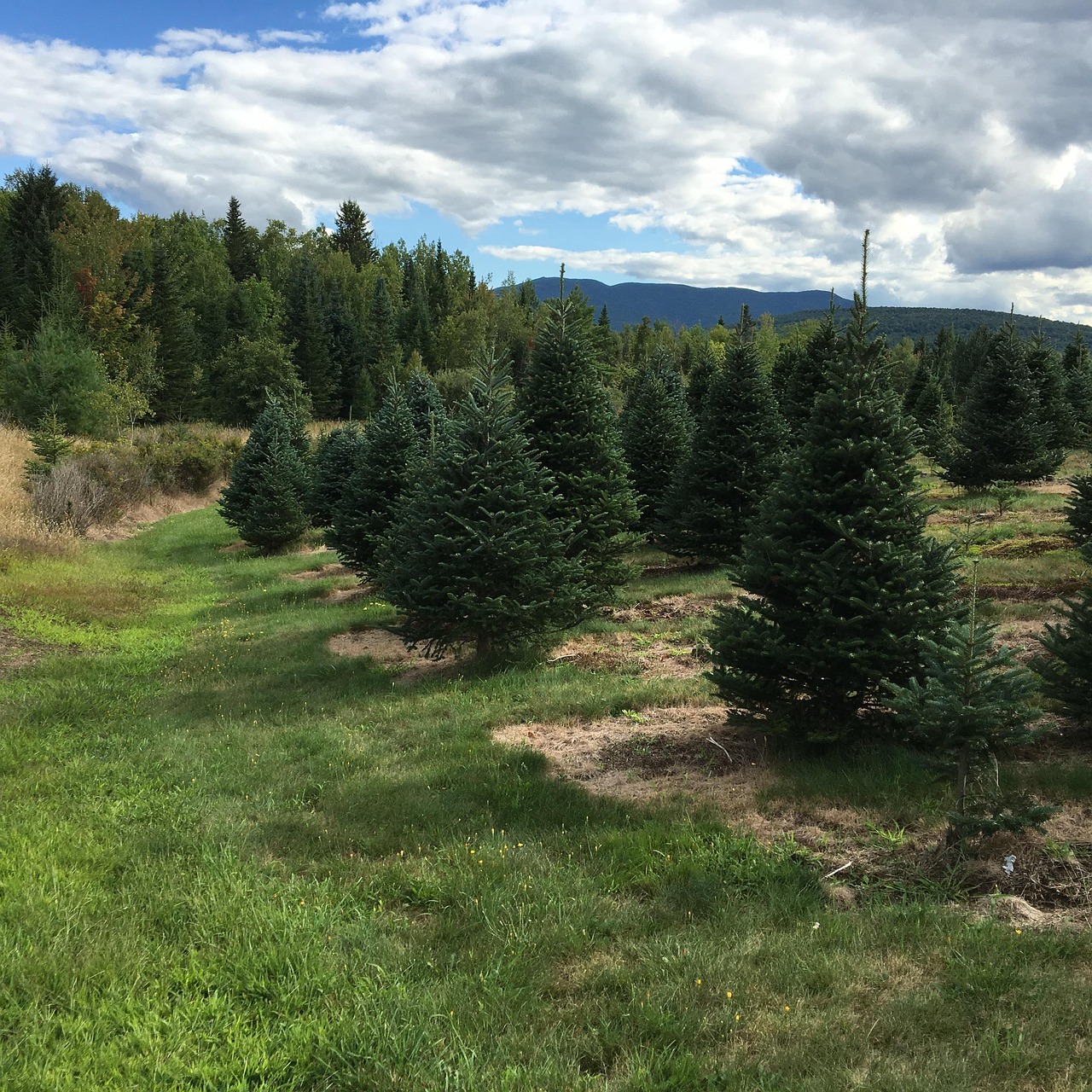
While the idea of brewing tea from tree leaves may seem unconventional, balsam fir offers a unique flavor profile and a refreshing experience. However, as with any herbal preparation, it is crucial to approach this process safely. Improper identification or preparation can lead to adverse effects. Thus, understanding the right techniques and precautions is essential before enjoying this herbal tea.
When preparing balsam fir tea, consider the following key points:
- Always ensure you are using fresh or properly dried young needles.
- Identify the tree correctly to avoid mixing it up with other similar species.
- Consult with a healthcare professional if you have any health concerns or are pregnant.
Health Benefits of Balsam Fir Tea
Balsam fir tea is not only flavorful but also packed with potential health benefits. The leaves of the balsam fir contain several beneficial compounds that may contribute to overall health. Here are some notable benefits:
| Health Benefit | Description |
|---|---|
| Respiratory Support | The aroma of balsam fir can help clear nasal passages and improve breathing. |
| Antioxidant Properties | Acts as a source of antioxidants, helping to combat oxidative stress in the body. |
| Anti-Inflammatory Effects | May reduce inflammation due to its natural compounds. |
| Mood Enhancement | The scent may promote relaxation and improve mood, thanks to its calming properties. |
Understanding these benefits can enhance your appreciation of balsam fir tea. However, while these benefits are promising, it is essential to consume this tea in moderation. Too much of any herbal infusion can lead to unwanted side effects.
Gathering Balsam Fir Leaves Safely
Before brewing tea, you must gather balsam fir leaves safely and responsibly. Harvesting should be done with care to ensure the tree remains healthy. Here are some steps for safe gathering:
- Locate a healthy balsam fir tree. Look for trees that are thriving and free from disease.
- Identify young needles. These are typically softer and have a vibrant green color compared to older needles.
- Use clean tools. If you need to cut branches, use sanitized scissors or pruning shears to avoid introducing pathogens.
- Take only what you need. Limit your harvest to a small portion of the tree’s needles to maintain its health.
- Practice sustainable gathering. Ensure your actions do not harm the tree or its surrounding ecosystem.
By following these guidelines, you can enjoy the process of gathering balsam fir leaves while respecting nature. Next, we will explore how to brew the tea effectively. This will include different methods and tips for enhancing flavor.
Brewing Methods for Balsam Fir Tea
Now that you have gathered the balsam fir leaves responsibly, it is time to brew the tea. There are several methods to extract the flavor and benefits from the leaves. Each method varies slightly, affecting the taste and potency of the final brew. Here are some common brewing methods:
Boiling Method
The boiling method is one of the most straightforward ways to brew balsam fir tea. It involves boiling the leaves directly in water, allowing for a rich extraction of flavors.
- Start by bringing water to a boil in a pot. Use about 2 cups of water for every 1-2 tablespoons of fresh or dried balsam fir needles.
- Add the balsam fir leaves once the water reaches a rolling boil.
- Reduce the heat and let the mixture simmer for 10-15 minutes.
- Strain the tea into a cup or teapot to remove the leaves.
- Enjoy your tea hot or allow it to cool and serve it iced.
Steeping Method
The steeping method is gentler and may preserve more delicate flavors. This method is ideal for those who prefer a lighter tea.
- Boil water in a kettle, then remove it from heat and let it cool for about 1-2 minutes.
- Place 1-2 tablespoons of balsam fir needles into a teapot or infuser.
- Pour the hot water over the needles.
- Cover and let steep for 10-15 minutes, depending on your taste preference.
- Strain the tea before serving. You may add honey or lemon for additional flavor if desired.
Enhancing Flavor and Aroma
Balsam fir tea has a unique flavor that can be enhanced with various ingredients. Here are some suggestions to elevate your brew:
- Honey: A natural sweetener that complements the piney notes of balsam fir.
- Lemon: Adds a refreshing citrus twist and balances the flavor.
- Ginger: For an added kick, fresh ginger can bring warmth to the tea.
- Cinnamon: A pinch of cinnamon can enhance the aroma and add spice.
You can experiment with these additions according to your taste preferences. Each ingredient will modify the profile of the tea, allowing you to create a personalized drink that suits your palate.
Safety Precautions When Brewing
While balsam fir tea offers many benefits, it is essential to approach its consumption with caution. Here are some safety tips to consider:
- Proper Identification: Ensure you can confidently identify balsam fir. Mistaking it for another species may lead to health risks.
- Moderation: Like any herbal tea, moderation is key. Consuming large quantities can lead to side effects.
- Avoid Contaminated Sources: Do not gather leaves from areas that may have been treated with pesticides or other chemicals.
- Consult Healthcare Providers: If you are pregnant, nursing, or have existing health conditions, consult your doctor before consuming balsam fir tea.
Potential Side Effects
While many people enjoy balsam fir tea without issues, some may experience side effects. Being aware of these can help you make informed decisions about consumption:
| Potential Side Effect | Description |
|---|---|
| Nausea | Some individuals may experience nausea if they consume large amounts of tea. |
| Allergic Reactions | A small number of people may be allergic to coniferous plants, leading to skin rashes or respiratory issues. |
| Dizziness | Overconsumption may cause dizziness or lightheadedness in sensitive individuals. |
| Stomach Upset | A few individuals may experience digestive discomfort after drinking the tea. |
If you notice any adverse reactions after consuming balsam fir tea, discontinue use immediately and consult with a healthcare professional. Taking these precautions will ensure a safe and enjoyable experience as you explore the world of herbal teas.
Storing Balsam Fir Leaves
Once you have gathered balsam fir leaves, proper storage is essential to maintain their freshness and flavor. Whether you plan to use them immediately or save them for later, here are some effective storage methods:
Fresh Leaves
If you have freshly gathered balsam fir needles, it is best to use them within a few days. However, if you need to store them for a short period, consider the following:
- Refrigeration: Place the fresh needles in a breathable container, such as a paper bag. Store them in the refrigerator to keep them fresh for up to a week.
- Avoid Moisture: Ensure the leaves are dry before storing. Excess moisture can lead to mold growth, which can spoil the leaves.
Dried Leaves
Dried balsam fir needles can be stored for much longer periods. Follow these steps to effectively dry and store them:
- Drying Process: Bundle fresh needles and hang them upside down in a cool, dry place away from direct sunlight. This method typically takes about 1-2 weeks.
- Storage Container: Once dried, store the needles in an airtight container. Glass jars or vacuum-sealed bags work well to preserve freshness.
- Labeling: Label the container with the date of drying. This will help you track freshness and usage.
Properly dried and stored balsam fir leaves can retain their flavor and beneficial properties for up to a year.
Alternative Uses for Balsam Fir Leaves
Balsam fir leaves are not only great for brewing tea but can also be used in various other ways. Here are some alternative uses that allow you to enjoy the benefits of this unique plant:
- Aromatherapy: The pleasant aroma of balsam fir can be used in essential oil diffusers. It creates a calming atmosphere and may reduce stress.
- Herbal Sachets: Dried balsam fir needles can be placed in sachets and used in closets or drawers to keep clothes smelling fresh and repel insects.
- Bath Soaks: Adding dried needles to a warm bath can provide a soothing and aromatic experience, promoting relaxation.
- Infused Oils: Create infused oils by steeping balsam fir needles in carrier oils like olive or almond oil. This can be used for skin care or massage.
Environmental Benefits of Balsam Fir Trees
Balsam fir trees play a significant role in their ecosystems. Understanding their importance enhances our appreciation for this plant. Here are some environmental benefits of balsam fir trees:
| Benefit | Description |
|---|---|
| Carbon Sequestration | Balsam fir trees absorb carbon dioxide from the atmosphere, helping to mitigate climate change. |
| Habitat | These trees provide critical habitats for various wildlife species, including birds and small mammals. |
| Erosion Control | The root systems of balsam fir trees help stabilize soil and prevent erosion, especially on slopes. |
| Biodiversity Support | Balsam fir forests support diverse plant and animal species, promoting ecological balance. |
By recognizing these benefits, we can appreciate not only the tea but also the broader ecological importance of balsam fir trees. As you enjoy your balsam fir tea, remember its role in supporting the environment and fostering biodiversity.
Cultural Significance of Balsam Fir
Balsam fir has cultural significance in various communities, especially among indigenous peoples. Historically, these trees have been utilized for more than just tea. Here are some cultural aspects associated with balsam fir:
- Traditional Medicine: Indigenous cultures often used balsam fir for its medicinal properties, treating colds and respiratory issues.
- Ceremonial Uses: Some tribes incorporate balsam fir in rituals and ceremonies due to its spiritual significance.
- Crafts and Materials: The wood from balsam fir is used for building and crafting, thanks to its lightweight and durable nature.
This cultural background enhances our understanding of balsam fir beyond its use as a beverage. It emphasizes the connection between nature and traditional practices, fostering respect for this valuable resource.
Environmental Conservation and Balsam Fir
As we explore the benefits of balsam fir, it is important to consider the environmental conservation efforts surrounding this tree. Protecting balsam fir forests contributes significantly to ecological health. Here are some key points regarding conservation:
- Forest Management: Sustainable forest management practices ensure that balsam fir trees can thrive alongside other species. This helps maintain biodiversity and ecosystem balance.
- Protection Against Invasive Species: Invasive plants can threaten balsam fir populations. Conservation efforts often focus on controlling these species to protect native flora.
- Climate Change Mitigation: Protecting balsam fir forests plays a role in climate change mitigation by sequestering carbon and maintaining soil health.
- Educational Initiatives: Many organizations promote awareness about the importance of balsam fir through education and community involvement, enhancing public appreciation for these trees.
By participating in or supporting conservation efforts, individuals can help preserve the natural habitats of balsam fir and other native species, ensuring their longevity for future generations.
Recipes with Balsam Fir Tea
Balsam fir tea can be enjoyed in various ways beyond drinking it as a standalone beverage. Here are some creative recipes that incorporate balsam fir tea:
Balsam Fir Tea Lemonade
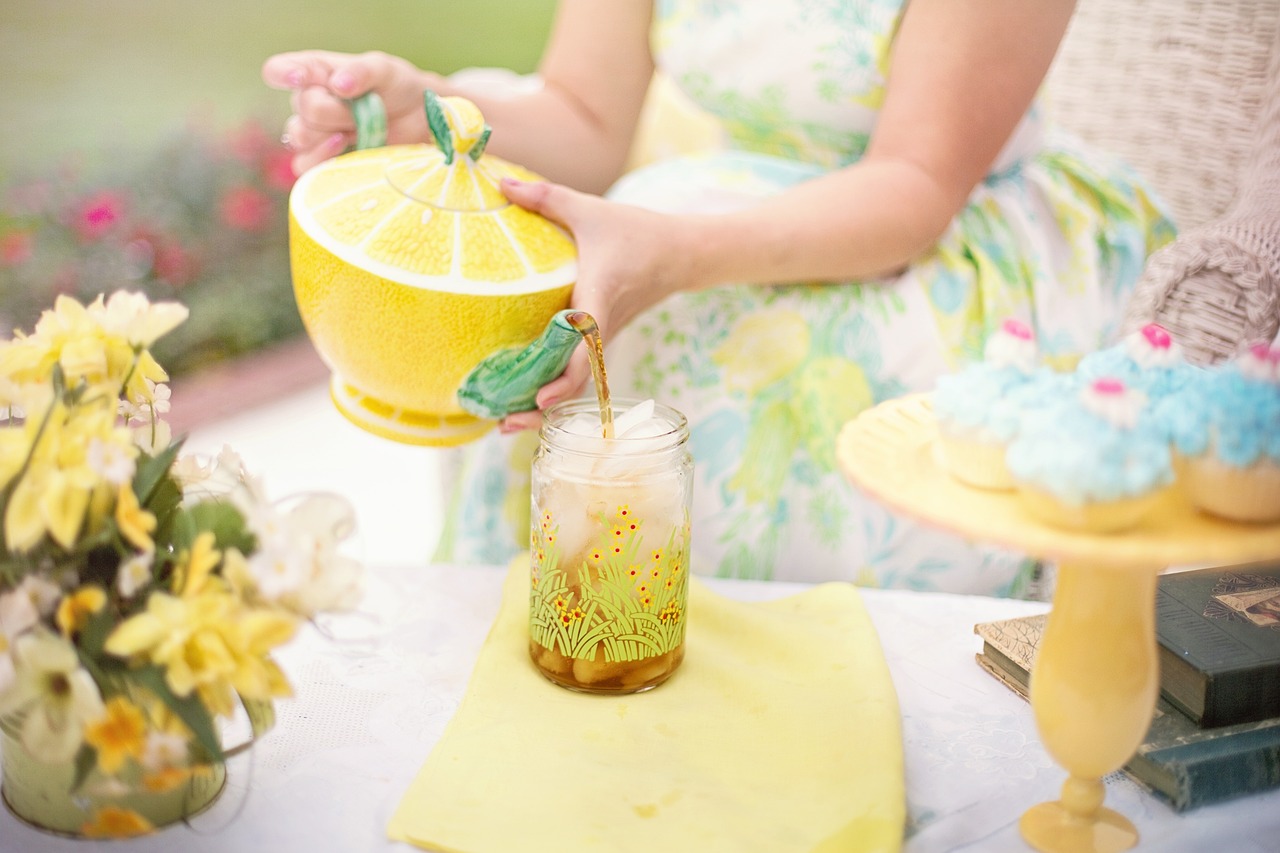
This refreshing drink combines the earthy flavor of balsam fir with the brightness of lemon for a delightful summer beverage.
- Brew a strong batch of balsam fir tea using the boiling method, allowing it to steep for 15 minutes.
- Let the tea cool to room temperature.
- Add fresh lemon juice and sweetener to taste, stirring well.
- Serve over ice with lemon slices for garnish.
Balsam Fir Infused Honey
This infused honey can be used as a sweetener for teas, desserts, or drizzled over yogurt.
- In a small saucepan, combine equal parts honey and brewed balsam fir tea.
- Heat gently until warm; do not boil.
- Allow the mixture to cool and strain out the needles.
- Store in a glass jar and use as desired.
These recipes highlight the versatility of balsam fir tea in culinary applications, allowing you to enjoy its flavor while incorporating it into your meals and beverages.
Final Thoughts
In summary, brewing tea from balsam fir leaves offers a unique experience rich in flavor and potential health benefits. By understanding the proper methods for gathering, brewing, and storing these leaves, you can safely enjoy this herbal infusion. The cultural significance and environmental benefits of balsam fir further enhance its value as a natural resource.
As you explore the world of balsam fir tea, remember to respect this valuable plant by practicing sustainable gathering and supporting conservation efforts. Whether you enjoy it as a soothing beverage or use it in creative recipes, balsam fir tea connects you with nature and traditions that have flourished for generations. Embrace this journey into herbal teas and savor the rich experiences that come with it.