
Caring for a bamboo plant involves understanding its specific needs, including light, water, and soil requirements. With the right attention, bamboo can thrive and add beauty to your space. Read Interesting article: How to Care for a Bamboo Plant (Easy Guide)
Understanding Bamboo Plants

When I first got into gardening, I was drawn to bamboo for its elegance and versatility. I quickly learned that bamboo isn’t just a single type of plant; it encompasses a wide range of species, each with its own characteristics. Understanding the different types of bamboo is crucial to providing the best care.
Types of Bamboo Plants
Bamboo can generally be divided into two categories: clumping and running. Clumping bamboo grows in tight clusters and spreads slowly, making it ideal for smaller spaces or gardens. Running bamboo, on the other hand, spreads more aggressively through underground rhizomes, which can lead to it taking over an area if not kept in check. Some popular types of bamboo include:
- Bambusa vulgaris: Known as common bamboo, it is often found in tropical regions and can grow quite tall, making it perfect for creating natural fences.
- Phyllostachys aurea: Also known as golden bamboo, it’s a running type that features stunning yellow stems and is quite hardy.
- Fargesia murielae: This is a clumping bamboo, often called umbrella bamboo, and is suitable for colder climates, making it a favorite among gardeners.
Natural Habitat of Bamboo
Bamboo is incredibly adaptable and thrives in various climates, from tropical to temperate regions. In my experience, understanding a bamboo plant’s natural habitat can help me mimic its ideal growing conditions at home. Most bamboo species prefer well-drained soil and can often be found near water sources like rivers or streams. This preference for moisture explains why I always ensure my bamboo plants have adequate watering, especially during hot months.
Common Uses for Bamboo
Bamboo isn’t just a pretty plant; it has many practical uses. I’ve seen it used for everything from building materials to furniture, and even in culinary dishes. Here are some intriguing uses:
- Construction: Bamboo is incredibly strong and flexible, making it a popular choice for sustainable building materials.
- Furniture: Its lightweight yet sturdy nature allows for the creation of beautiful furniture pieces.
- Crafts and Utensils: I’ve used bamboo to craft utensils, baskets, and decorative items, all of which add a unique touch to my home.
- Gardening: I often use bamboo stakes to support my plants, as they are durable and eco-friendly.
Choosing the Right Bamboo Plant
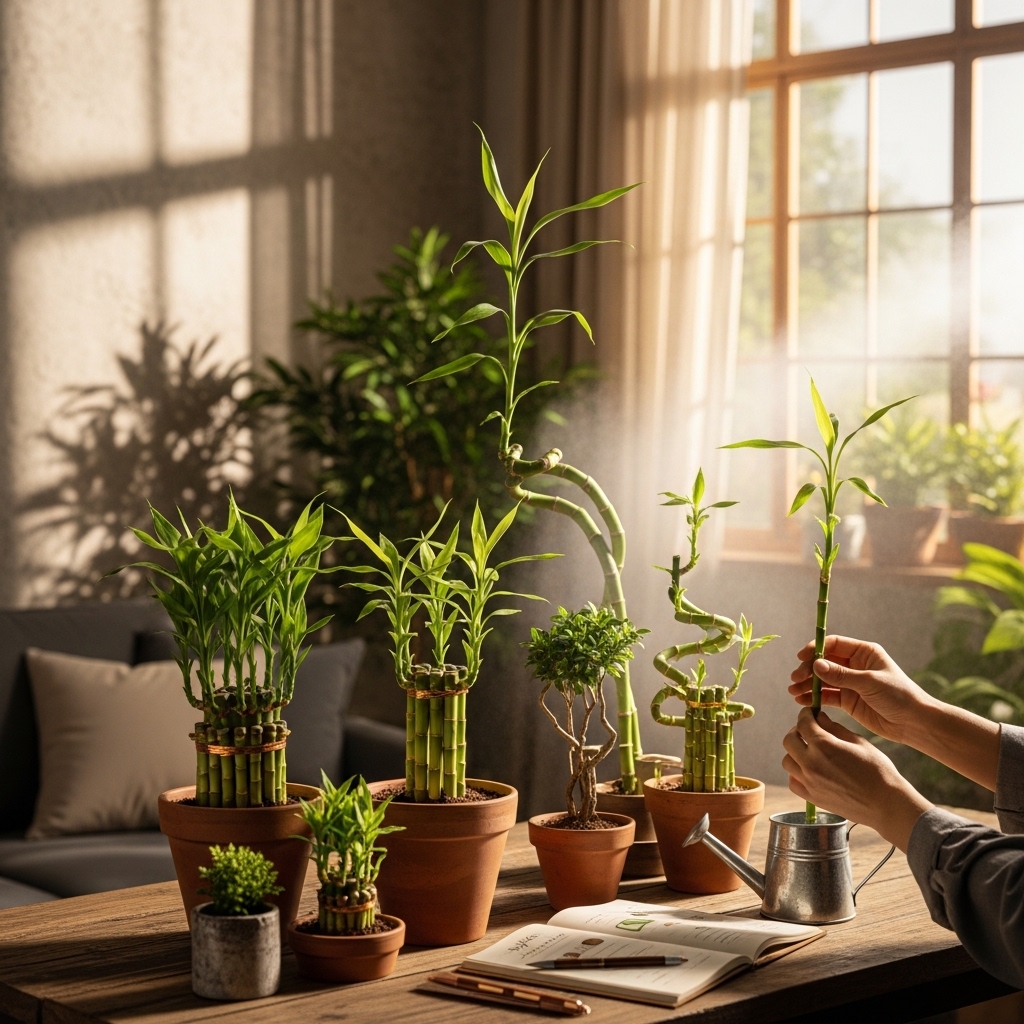
Once I decided to grow bamboo, I realized the importance of choosing the right type for my space. It’s not just about aesthetics; it’s also about compatibility with your environment and lifestyle. Here’s what I learned through trial and error.
Indoor vs. Outdoor Bamboo
One of the first decisions I faced was whether to keep my bamboo indoor or outdoor. Indoor bamboo can be a charming addition to your living space, often thriving in pots. However, it is essential to choose varieties that can tolerate lower light levels, like Fargesia. Outdoor bamboo offers a more extensive range of options and can create beautiful privacy screens or ornamental features. For those in colder climates, I discovered that clumping varieties are more resilient to frost, making them a better choice for gardens. Read Interesting article: How to Take Care of a Bamboo Plant (Easy Guide)
Factors to Consider When Selecting Bamboo
When selecting a bamboo plant, I realized I needed to consider several factors:
- Climate: Does your area experience harsh winters? Some bamboo varieties are better suited for cold conditions.
- Space: How much room do you have? Running bamboo can spread quickly, while clumping bamboo remains contained.
- Purpose: Are you looking for privacy, decoration, or a specific use like cooking? This can influence your choice.
Popular Bamboo Varieties for Home Gardens
After much research and personal experience, I’ve found that the following bamboo varieties work well for home gardens:
- Fargesia nitida: Great for colder climates, this clumping bamboo can grow well in partial shade.
- Phyllostachys nigra: Known for its stunning black stems, this running bamboo is a show-stopper.
- Bambusa multiplex: Perfect for hedges or privacy screens, this clumping bamboo grows densely.
Basic Care Requirements for Bamboo Plants

Once I selected the right bamboo, the next step was understanding its care requirements. I learned that bamboo isn’t too demanding, but it does have specific needs that can make all the difference in its growth.
Light Requirements
Most bamboo varieties prefer bright, indirect sunlight. I’ve found that while some can tolerate shade, they tend to grow best when they receive at least a few hours of sunlight each day. If you’re growing bamboo indoors, placing it near a window can really help. For outdoor plants, a spot with morning sun and afternoon shade usually works wonders.
Watering Needs
Watering is one of the most crucial aspects of bamboo care. I’ve learned that bamboo likes to be kept moist but not soggy. During the growing season, which typically runs from spring to early fall, I water my bamboo plants more frequently. A good rule of thumb is to check the soil moisture; if the top inch feels dry, it’s time to water. In my experience, outdoor bamboo needs more water during hot spells, while indoor bamboo may need less in cooler months.
Soil Preferences
Bamboo thrives in well-draining soil rich in organic matter. I personally mix potting soil with compost to give my bamboo a nutrient boost. If planting outdoors, ensure the soil is loose enough to allow for proper drainage. I’ve found that heavy clay soils can be detrimental, so consider amending your soil if necessary.
Fertilization Guidelines
Fertilizing bamboo can enhance its growth and overall health. I typically use a slow-release fertilizer in the spring, which seems to provide everything my plants need without overwhelming them. Organic options, like compost or well-rotted manure, are also excellent choices. I tend to avoid high-nitrogen fertilizers, as they can lead to excessive leaf growth at the expense of the bamboo’s structure.
Repotting Your Bamboo Plant

Repotting may seem like a daunting task, but I’ve found it to be an essential part of bamboo care. As bamboo grows, it can outgrow its pot or become root-bound, which can stunt its growth. Knowing when and how to repot bamboo has helped me keep my plants healthy and thriving.
Signs Your Bamboo Needs Repotting
I’ve learned to look for several signs that indicate it’s time to repot my bamboo:
- Root-bound condition: If you notice roots growing out of the drainage holes or circling the top of the soil, it’s a clear sign that your bamboo needs more space.
- Stunted growth: A sudden halt in growth, despite proper care, can mean that your plant is ready for a bigger pot.
- Soil degradation: If the soil seems to be breaking down or compacting, it may not provide adequate drainage or nutrients anymore.
- Water retention issues: If you find that the soil dries out too quickly or remains soggy, it might be time to repot into fresh soil.
Step-by-Step Repotting Process
When I repot my bamboo, I generally follow these steps to ensure a smooth transition:
- Choose the right time: I prefer repotting in early spring before the growing season kicks in. This way, the plant can adjust and thrive in its new environment.
- Gather materials: I prepare a larger pot, fresh potting soil, and some pruning shears. A pot that’s about 2 inches larger in diameter than the current one usually works well for my bamboo.
- Remove the plant: Gently tap the pot to loosen the soil, then carefully slide the bamboo out. I make sure not to damage the roots in the process.
- Inspect the roots: I clean any dead or damaged roots with pruning shears. This helps encourage new growth and prevents rot.
- Fill the new pot: I place a layer of fresh potting soil at the bottom of the new pot, then position the bamboo in the center, filling in around the sides with more soil.
- Water thoroughly: After repotting, I give my bamboo a good drink of water to help settle the soil and eliminate air pockets.
Best Soil for Repotting Bamboo
The right soil can make all the difference in how my bamboo thrives post-repotting. I’ve found that a well-draining potting mix enriched with organic matter works best. Here’s what I typically use:
- Potting soil: A high-quality potting mix provides the right balance of nutrients and drainage. I like to choose a mix that includes peat moss and vermiculite.
- Compost: Mixing in some compost gives my bamboo a nutrient boost that promotes healthy growth.
- Perlite or sand: Adding perlite or coarse sand helps improve drainage, preventing the roots from sitting in water, which can lead to rot.
Whenever I repot, I ensure I use this combination to create an ideal environment for my bamboo. It’s all about giving it the best chance to thrive.
Pest and Disease Management
As I delved deeper into bamboo care, I quickly realized that pests and diseases can pose real threats to my plants. Managing these issues effectively has become an important part of my gardening journey.
Common Pests Affecting Bamboo
I’ve encountered a few common pests that target bamboo, and knowing how to identify them has saved me from potential damage:
- Aphids: These tiny green or black insects tend to cluster on new growth. I often notice them when the leaves begin to curl or turn yellow.
- Spider mites: I’ve found these pests thrive in dry conditions and can cause significant damage by sucking the sap from the leaves. A telltale sign is the fine webbing on the plant.
- Bamboo borers: These beetles can cause severe damage by burrowing into the stems. I keep an eye out for holes or sawdust at the base of my bamboo.
Signs of Disease in Bamboo Plants
Diseases can also affect bamboo, and recognizing the signs early has helped me take action before it’s too late:
- Leaf spots: Dark spots or patches on the leaves can indicate fungal infections. I often notice these in humid conditions.
- Yellowing leaves: If my bamboo leaves turn yellow, it can be a sign of overwatering or nutrient deficiency.
- Wilting: Wilting or drooping stems may suggest root rot, often due to overly wet soil conditions.
Organic Remedies and Treatments
Whenever I face pest or disease issues, I prefer using organic solutions. I’ve had success with the following remedies:
- Insecticidal soap: This works wonders on soft-bodied pests like aphids. I mix it according to the package instructions and spray it directly onto the affected areas.
- Neem oil: I use neem oil as a natural pesticide and fungicide. It helps deter pests and can treat leaf spot diseases.
- Maintaining proper care: Keeping my bamboo well-watered, fertilized, and pruned can often prevent many issues. Healthy plants are more resilient to pests and diseases.
Through my experiences, I’ve learned that keeping a close watch on my bamboo plants and acting quickly can make a significant difference. It’s all about prevention and understanding how to manage any potential threats effectively.
Controlling Bamboo Growth
As I dove deeper into bamboo care, I soon realized that managing its growth was just as important as caring for its health. Bamboo can be quite vigorous, and learning how to control its spread has been vital in maintaining a beautiful garden without it becoming overwhelming.
Pruning Techniques for Bamboo
Pruning has become one of my favorite tasks in bamboo care. It not only helps manage the plant’s size but also encourages healthier growth. I usually prune my bamboo in late winter or early spring before new shoots emerge. Here’s what I’ve learned about effective pruning:
- Remove dead or damaged canes: I always start by removing any dead or damaged bamboo canes. This helps direct the plant’s energy toward healthy growth and keeps the area looking tidy.
- Thin out crowded areas: If I notice that my bamboo is getting too dense, I selectively prune some of the older canes. This practice enhances air circulation and sunlight penetration, leading to healthier plants.
- Cut at the right angle: When cutting canes, I make sure to cut at a slight angle, about an inch above the ground or node. This helps prevent water from collecting on the cut surface, reducing the risk of disease.
Managing Invasive Bamboo Species
I’ve learned that not all bamboo is created equal—especially when it comes to growth habits. While clumping varieties can be manageable, running bamboo can spread quickly and become invasive. In my case, I realized that taking preventative measures is essential. Here are some strategies I’ve found helpful:
- Regular monitoring: I keep a close eye on my running bamboo. By monitoring its growth, I can catch any signs of it spreading beyond its intended area early on.
- Cutting back new shoots: Whenever I see new shoots emerging outside the designated area, I don’t hesitate to cut them back. This helps me maintain control over the plant’s spread.
- Rhizome management: I’ve also learned to dig out excess rhizomes if they become a problem. It’s a bit of work, but it’s worth it to keep my garden looking neat.
Using Barriers to Control Spread
One of the best decisions I made was to install barriers around my running bamboo. This action has made a significant difference in controlling its growth. Here’s how I did it:
- Choosing the right material: I opted for a sturdy, high-density polyethylene barrier that is at least 30 inches deep. This depth prevents the rhizomes from growing underneath.
- Installing the barrier: I dug a trench around the area where my bamboo grows and placed the barrier upright in the ground. I made sure to leave a few inches above ground to prevent any overhanging growth.
- Regular checks: Even with a barrier, I still regularly check for any signs of rhizomes trying to escape. It’s a bit of maintenance, but it helps keep everything in check.
Managing bamboo growth can take some effort, but I’ve found it to be a rewarding experience. With a little bit of pruning and some proactive measures, I can enjoy the beauty of bamboo without letting it take over my garden space.
Seasonal Care for Bamboo Plants
Understanding the seasonal needs of bamboo has been a game changer for my gardening routine. Each season brings its own set of tasks that help ensure my bamboo plants stay healthy and vibrant throughout the year.
Winter Care Tips
Winter can be a tough time for bamboo, especially in colder climates. I’ve learned a few tips to help my plants survive the chilly months:
- Mulching: I apply a layer of mulch around the base of my bamboo to insulate the roots and keep them warm. This technique has proven effective in preventing frost damage.
- Watering: Even in winter, I make sure to check moisture levels. While growth slows down, bamboo still needs some water. I avoid letting the soil dry out completely.
- Protection from heavy snow: If heavy snow accumulates on my bamboo, I gently shake off the snow to prevent branches from breaking under the weight. This little effort keeps my plants looking good.
Spring Maintenance Tasks
As spring rolls around, I feel a renewed sense of energy for my bamboo. It’s the perfect time to prepare for a new growing season:
- Fertilizing: I start fertilizing my bamboo with a slow-release fertilizer to give it the nutrients it needs to thrive as new shoots emerge.
- Pruning: Any dead or damaged canes from winter are cut back during this time, allowing for new growth to flourish.
- Checking for pests: I inspect my bamboo for any signs of pests, which can become more active as the weather warms up.
Summer Watering and Fertilizing
Summer is when my bamboo really takes off. I focus on keeping it well-watered and nourished:
- Consistent watering: I ensure my bamboo gets consistent moisture, especially during hot spells. I typically water deeply once a week, but more frequently if it’s particularly dry.
- Additional fertilization: Sometimes, I’ll give my bamboo an extra boost in mid-summer with a liquid fertilizer to support its vigorous growth.
Fall Preparations for Bamboo
As the weather starts to cool down, I prepare my bamboo for the winter ahead:
- Final pruning: I do a final trim to remove any spent canes and tidy up the area before winter.
- Mulching again: I add another layer of mulch to protect the roots from the impending cold.
- Watering adjustment: I gradually reduce watering as temperatures drop, ensuring my bamboo prepares for dormancy without being overwatered.
By understanding and implementing seasonal care for my bamboo, I’ve been able to keep my plants healthy and thriving throughout the year. Each season brings its own challenges and rewards, making the journey of bamboo gardening an exciting and fulfilling one.
Common Questions About Bamboo Care
As I’ve explored the world of bamboo, I’ve often found myself seeking answers to common questions. Here are some that I’ve encountered along the way.
Frequently Asked Questions
What are the two main types of bamboo plants?
Bamboo can generally be divided into two categories: clumping and running. Clumping bamboo grows in tight clusters and spreads slowly, while running bamboo spreads more aggressively through underground rhizomes.
What are some popular varieties of bamboo for home gardens?
Some popular bamboo varieties for home gardens include Fargesia nitida, known for its cold tolerance; Phyllostachys nigra, which has stunning black stems; and Bambusa multiplex, great for hedges or privacy screens.
What light conditions do bamboo plants prefer?
Most bamboo varieties prefer bright, indirect sunlight. They can tolerate some shade but tend to grow best with at least a few hours of sunlight each day.
How often should I water my bamboo plants?
Bamboo likes to be kept moist but not soggy. During the growing season, it’s recommended to check the soil moisture regularly and water when the top inch feels dry.
What type of soil is best for bamboo?
Bamboo thrives in well-draining soil rich in organic matter. A good mix includes potting soil with compost to provide nutrients and ensure proper drainage.
How can I tell if my bamboo needs repotting?
Signs that your bamboo needs repotting include roots growing out of the drainage holes, stunted growth, soil degradation, or water retention issues.
What are some common pests that affect bamboo?
Common pests affecting bamboo include aphids, spider mites, and bamboo borers, each causing different types of damage to the plants.
What organic remedies can be used for pest management in bamboo?
Organic remedies for pest management include insecticidal soap for aphids, neem oil as a natural pesticide and fungicide, and maintaining proper care to prevent many issues.
How can I control the growth of running bamboo?
To control the growth of running bamboo, regular monitoring, cutting back new shoots, and managing rhizomes can help maintain control over its spread.
What winter care tips can help my bamboo survive cold conditions?
Winter care tips for bamboo include applying mulch around the base, checking moisture levels to prevent drying out, and gently shaking off heavy snow from the branches.
Read Interesting article: What Plants Are Toxic to Dogs? Full List + Symptoms