
Caring for a jade plant involves providing the right amount of light, water, and nutrients to ensure it thrives. These resilient succulents are perfect for beginners and can be a beautiful addition to any home. For more detailed tips, check out Jade Plant Care During Winter: A Comprehensive Guide.
Overview of Jade Plants
What is a Jade Plant?
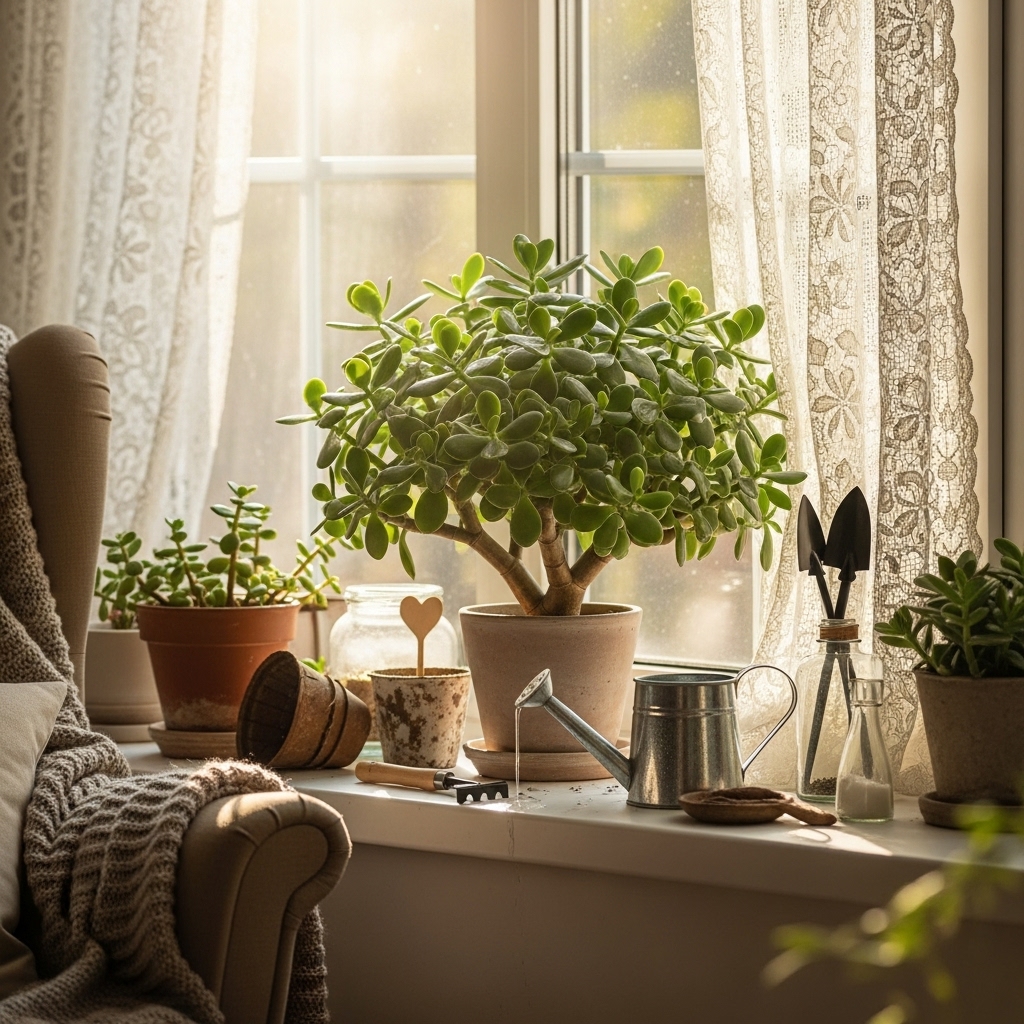
The jade plant, scientifically known as Crassula ovata, is a popular succulent that originates from South Africa. I remember the first time I laid eyes on a jade plant—it had thick, glossy leaves that seemed to shine in the sunlight. Often referred to as the “money plant” or “friendship tree,” many people believe that these plants bring good fortune and prosperity. Their charming appearance and easy care make them a favorite among plant enthusiasts and casual gardeners alike.
Scientific Classification
When I delved deeper into the characteristics of jade plants, I discovered that they belong to the Crassulaceae family, which includes a variety of other succulent plants. The jade plant is a perennial evergreen, meaning it keeps its leaves year-round. Interestingly, its leaves can vary in color from deep green to a more vibrant, reddish hue depending on the variety and environmental conditions. Understanding its scientific background helped me appreciate the plant even more!
Common Varieties of Jade Plants
There are several varieties of jade plants, each with unique features. The most common ones include:
- Common Jade Plant (Crassula ovata): This is the standard jade plant with round, plump leaves.
- Gollum Jade (Crassula ovata ‘Gollum’): Identified by its tubular, finger-like leaves, this variety has a quirky appearance.
- Hummel’s Sunset (Crassula ovata ‘Hummel’s Sunset’): This stunning variety has yellow-tipped leaves that turn a beautiful orange in bright light.
Each of these varieties has its charm, and I’ve enjoyed experimenting with them in my home. Sometimes, just a small change in the type of jade plant can make a big difference in the overall aesthetic of a room.
Ideal Growing Conditions for Jade Plants
Light Requirements
One of the key aspects of jade plant care is understanding its light requirements. These plants thrive in bright, indirect sunlight. I’ve learned that placing them near a south or west-facing window works wonders. They can tolerate some direct sunlight, but too much can scorch their leaves. I remember one summer when I had a jade plant sitting in direct afternoon sun; the leaves started to look a bit crispy, which was a clear sign to move it back a bit. If you’re unsure, a good rule of thumb is to ensure they get at least 4-6 hours of bright light each day.
Temperature and Humidity Preferences
When it comes to temperature, jade plants prefer a range between 65°F and 75°F. I once left mine outside during a particularly cool night, and it definitely didn’t appreciate the sudden drop in temperature. In my experience, keeping them indoors during colder months is best, as they can’t handle frost. Regarding humidity, jade plants are quite forgiving. They thrive in low to moderate humidity, making them perfect for most indoor environments, including my dry apartment.
Soil Type and Potting Mix
Choosing the right soil is crucial for the health of your jade plant. A well-draining soil mix is essential to prevent root rot. I’ve had great success using a cactus or succulent potting mix, which allows excess water to escape while retaining some moisture. Additionally, I always recommend using pots with drainage holes. I learned the hard way that pots without drainage can lead to soggy soil, which jade plants absolutely loathe.
When repotting, I typically choose a pot that is only slightly larger than the current one, as jade plants prefer to be somewhat root-bound. This method has helped me maintain their health while allowing them to flourish at the same time.
Watering Jade Plants
How Often to Water
Watering can be a tricky aspect of jade plant care. From my experience, it’s better to underwater than overwater these succulents. I usually check the soil moisture by sticking my finger about an inch deep into the soil. If it feels dry, it’s time to water. In general, I find that watering every two to three weeks works well, but this can vary based on the season and humidity levels. During the growing season (spring and summer), they may need more frequent watering, while in the winter, I cut back significantly. For more insights on this topic, refer to Jade Plant Care: Why Do Jade Plants Drop Leaves?.
Signs of Overwatering
Overwatering is one of the most common mistakes I’ve seen with jade plants. If you notice yellowing leaves or leaves that feel mushy, it’s a clear sign that your plant is receiving too much water. I’ve had a jade plant that started to drop leaves after I watered it too frequently. That experience was a wake-up call! Adjusting my watering schedule helped bring it back to health.
Signs of Underwatering
On the flip side, underwatering can also pose problems. If the leaves start to wrinkle or shrivel, it might be time to give your jade plant a good drink. I remember when I went on vacation for two weeks and returned to a very thirsty jade plant. It took a few watering sessions to revive it, but it bounced back beautifully!
Fertilizing Jade Plants
Best Fertilizers for Jade Plants
Fertilizing jade plants is an important part of their care, but it can be a bit confusing if you’re not familiar with the best options. I’ve experimented with different fertilizers over the years, and I’ve found that a balanced, diluted liquid fertilizer works wonders. Something like a 10-10-10 or 20-20-20 NPK fertilizer is ideal. I always make sure to dilute it to about half the recommended strength, as jade plants don’t need as many nutrients as other houseplants. Occasionally, I’ll use a specialized succulent fertilizer, which can provide the necessary nutrients without risking over-fertilization.
How Often to Fertilize
In my experience, fertilizing jade plants is best done sparingly. I typically fertilize every 4 to 6 weeks during the growing season (spring and summer). This is when they’re actively growing and can really benefit from that extra boost. During the fall and winter, I skip fertilizing altogether since the plant’s growth slows down significantly. This routine has kept my jade plants healthy and vibrant without overwhelming them.
Seasonal Fertilization Tips
Timing is everything with fertilizing jade plants. I’ve noticed that during the spring, when new growth starts appearing, my plants respond really well to a little extra nourishment. During this time, I’ll make it a habit to check their leaves for any signs of nutrient deficiency, like pale leaves or slowed growth. If I notice these things, I don’t hesitate to give them a quick feed.
Then comes summer, where they’re in full swing. I maintain that same fertilization schedule, but I also pay close attention to the weather. If it’s particularly hot or dry, I opt for a lighter feeding to avoid stressing them out. As summer fades into fall, I reduce the frequency of feeding, observing how my plants react as their growth begins to taper off. During winter, I give them a break, allowing them to rest and reset.
Pruning and Propagation
When and How to Prune
Pruning jade plants might sound intimidating, but it’s actually quite simple and beneficial for the plant. I usually prune in the early spring, just before the growing season kicks off. This timing allows the plant to heal and put energy into new growth. I take a good look at my jade plant and remove any leggy stems or leaves that are damaged or dead. I like to use clean, sharp scissors to make a clean cut, which helps prevent any potential diseases from entering the plant.
Pruning not only helps shape the plant, but it also encourages bushier growth. I’ve found that when I prune, my jade plants tend to produce more leaves and take on a fuller appearance. It’s quite rewarding to see them flourish after a good trim!
Propagation Methods
One of my favorite parts about jade plants is how easy they are to propagate! I often find myself taking cuttings during pruning and trying to grow new plants. The simplest way, in my experience, is to let the cuttings dry out for a day or two after cutting. This allows the cut end to callus over, which helps prevent rot when I place them in soil.
I typically use a well-draining succulent mix for propagation. I gently plant the callused end into the soil, water sparingly, and keep them in bright, indirect light. It’s been exciting to watch these little cuttings develop roots and grow into healthy new jade plants!
Repotting Jade Plants
Repotting is another crucial aspect of jade plant care, and I’ve learned that it’s best to do this every two to three years, or whenever I notice the roots outgrowing the pot. I usually choose a pot that’s just slightly larger than the previous one to help maintain that root-bound environment they love. When repotting, I make sure to check the soil and remove any old, compacted soil from the roots to encourage healthy growth.
After repotting, I hold off on watering for about a week. This gives the roots time to settle into their new home and reduces the risk of root rot. It’s amazing to see how quickly jade plants bounce back after a repotting session, often sprouting new leaves just weeks later!
Pest and Disease Management
Common Pests (Aphids, Mealybugs, etc.)
I’ve learned that keeping an eye out for pests is just as important as watering and fertilizing my jade plants. Aphids and mealybugs are the most common culprits that can attack these resilient succulents. I remember the first time I noticed tiny, green bugs on my jade plant; I was devastated! After some research, I found that these pests can weaken the plant by sucking its sap, which can lead to more significant problems.
To tackle aphids, I often spray a gentle stream of water on the affected areas. It’s surprising how effective this simple method can be! For mealybugs, I prefer using a cotton swab dipped in rubbing alcohol to directly apply to the bugs. This method has always seemed to work well without harming the plant. I recommend checking your jade plants regularly, as early detection makes all the difference in keeping them healthy.
Identifying Diseases (Root Rot, Leaf Drop, etc.)
While pests are a concern, diseases can also pose a threat to our beloved jade plants. Root rot is a significant issue, usually caused by overwatering or poorly draining soil. I once lost a jade plant to root rot, and it was a tough lesson to learn. The first signs I noticed were yellowing leaves and a mushy stem. If you catch it early enough, you can save the plant by repotting it in fresh, well-draining soil, and reducing the watering frequency.
Leaf drop is another issue that can occur, often caused by sudden changes in temperature or inadequate light. I remember when I moved my jade plant to a different room that had less light, and within a few weeks, the leaves started falling off. It was a wake-up call! If you see leaves dropping, assess the conditions and try to replicate the ideal environment.
Preventative Measures and Treatments
Preventing pests and diseases is always better than dealing with them after they’ve taken hold. I’ve found that maintaining good airflow around my plants and avoiding overcrowding helps keep pests at bay. Regularly cleaning the leaves with a damp cloth not only keeps them looking shiny but also removes any dust and potential pests lurking around.
For a preventative approach, I sometimes use neem oil. It’s a natural pesticide that can help deter pests without harming the plant. I mix a few drops with water in a spray bottle and apply it every month during the growing season. This small routine has helped me maintain a healthy jade plant collection over the years!
Common Issues and Troubleshooting
Yellowing Leaves
Yellowing leaves can be alarming, and I’ve experienced this firsthand. It’s often a sign that something isn’t quite right. In my case, I noticed yellowing on my jade plant, and after some investigation, I realized I was overwatering it. I adjusted my watering schedule, and slowly but surely, the yellow leaves fell off, and new growth began to sprout. I’ve learned that it’s essential to assess both watering habits and light conditions when dealing with yellowing leaves.
Dropping Leaves
Leaf drop can be another frustrating issue. When it happened to my jade plant, I felt a bit helpless. It turned out that changes in temperature were to blame. After moving it to a more stable environment, I saw an improvement. I recommend checking for drafts or sudden changes in temperature if you notice your jade plant losing leaves. Sometimes, a simple repositioning can make all the difference!
Leggy Growth
Leggy growth is something I’ve encountered when my jade plants don’t get enough light. The stems stretch towards the light source, resulting in a tall and spindly appearance. To remedy this, I moved my plant closer to a bright window, and with time, it started to fill out nicely. If you notice your jade plant becoming leggy, don’t hesitate to reposition it to ensure it gets enough bright, indirect light. A little adjustment in its environment can lead to a more robust and bushy plant!
Frequently Asked Questions
What is a jade plant?
The jade plant, scientifically known as Crassula ovata, is a popular succulent that originates from South Africa. It is often referred to as the “money plant” or “friendship tree” and is believed to bring good fortune and prosperity.
What are the ideal light requirements for jade plants?
Jade plants thrive in bright, indirect sunlight and should ideally receive at least 4-6 hours of bright light each day. They can tolerate some direct sunlight, but too much can scorch their leaves.
How often should I water my jade plant?
Watering jade plants every two to three weeks is generally recommended, but this can vary based on the season and humidity levels. It’s better to underwater than overwater them.
What signs indicate that my jade plant is overwatered?
Signs of overwatering include yellowing leaves or leaves that feel mushy. If you notice these symptoms, it’s important to adjust your watering schedule.
How can I fertilize my jade plant effectively?
Using a balanced, diluted liquid fertilizer, such as a 10-10-10 or 20-20-20 NPK fertilizer, is ideal. Fertilizing every 4 to 6 weeks during the growing season is recommended, while skipping fertilization in the fall and winter.
When is the best time to prune jade plants?
Pruning is best done in early spring, just before the growing season begins. This timing encourages healing and new growth, and helps shape the plant.
What should I do if my jade plant has yellowing leaves?
Yellowing leaves can indicate overwatering or inadequate light. Assess both your watering habits and light conditions to address the issue.
How often should I repot my jade plant?
Jade plants should be repotted every two to three years or whenever their roots outgrow the pot. A pot that is slightly larger than the previous one is best.
What common pests affect jade plants?
Aphids and mealybugs are common pests that can attack jade plants. Regular checks and using methods such as spraying with water or applying rubbing alcohol can help manage these pests.
What are the ideal temperature and humidity conditions for jade plants?
Jade plants prefer a temperature range between 65°F and 75°F and thrive in low to moderate humidity, making them suitable for most indoor environments.