
To care for a snake plant, provide indirect light, let soil dry between waterings, and use well-draining potting mix.
Table of Contents
Snake plants, or Dracaena trifasciata, are resilient houseplants that require minimal care. Understanding their specific needs, including light, watering, and soil type, ensures your snake plant remains vibrant and healthy, enhancing your home environment.
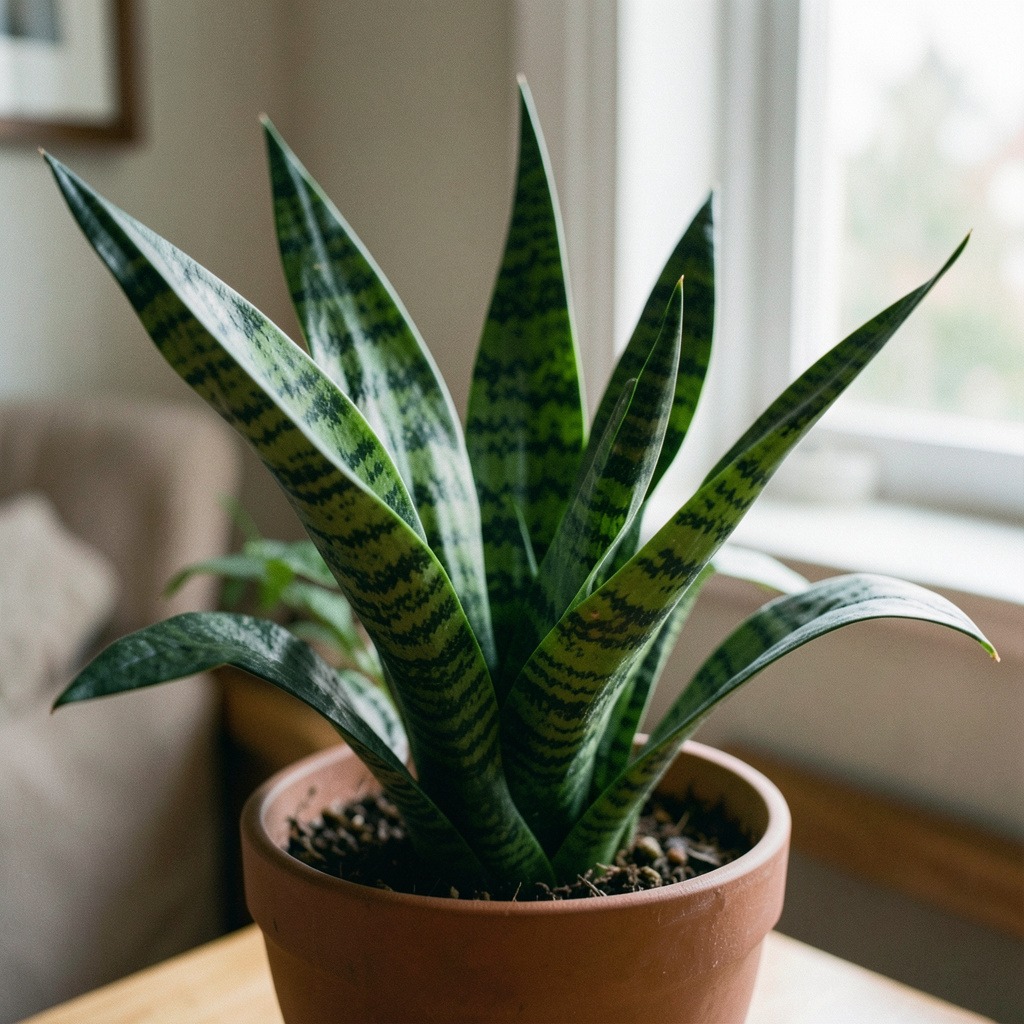
Understanding Snake Plants: Their Characteristics and Benefits
Snake plants, known scientifically as Dracaena trifasciata, are favored for their striking appearance and low maintenance needs. Their unique characteristics and air-purifying capabilities make them ideal for both home and office environments.
Unique Features of Snake Plants
Snake plants are characterized by their tall, sword-shaped leaves that feature striking green and yellow patterns. This hardy plant thrives in various light conditions, making it versatile for different indoor settings. Here are some key features:
- Air Purification: Snake plants are known for their ability to filter indoor air by removing toxins. They contribute to improved air quality, making them beneficial for your living space.
- Oxygen Production: Unlike many plants, snake plants continue to produce oxygen even at night. This makes them excellent choices for bedrooms, promoting a healthier sleeping environment.
- Low Maintenance: They require minimal care, making them perfect for beginners. Their drought tolerance means you can forget to water them occasionally without adverse effects.
Benefits of Having a Snake Plant Indoors
Integrating snake plants into your indoor spaces offers numerous advantages:
- Aesthetic Appeal: Their unique shape and color enhance the visual interest of any room.
- Improved Air Quality: As supported by NASA’s Clean Air Study, snake plants effectively reduce indoor air pollution.
- Stress Reduction: Studies suggest that indoor plants, including snake plants, can lower stress levels and improve overall well-being.
Quick Care Checklist for Snake Plants
- Watering: Water when the top inch of soil is dry. Do not overwater to prevent root rot.
- Light: Place in indirect light. They can tolerate low light but thrive in bright, indirect sunlight.
- Soil: Use well-draining soil. A suitable option is Potting Soil for Succulents, which ensures proper drainage.
- Fertilizing: Fertilize sparingly during the growing season with a balanced, diluted fertilizer.
- Propagation: Propagate through leaf cuttings or division in spring.
Incorporating snake plants into your home not only enhances your space but also supports a healthier indoor environment.
Optimal Lighting Conditions for Snake Plants
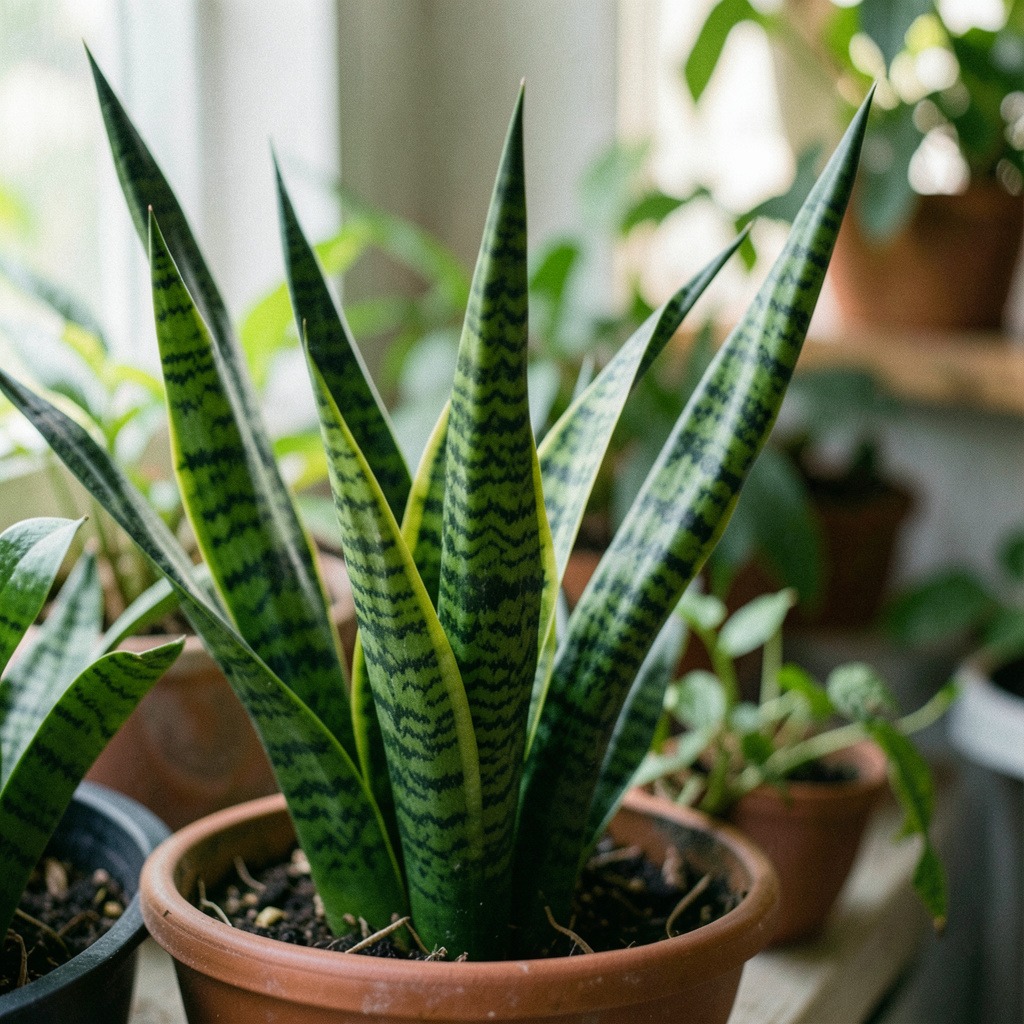
Snake plants thrive in specific lighting conditions that significantly impact their growth and overall health. Understanding the difference between direct and indirect sunlight is essential for providing the best environment for your plant.
Ideal Light Levels
Snake plants are adaptable but prefer bright, indirect light. Here are some key points:
- Bright, Indirect Light: This is the ideal condition. Position your snake plant near an east-facing window for optimal growth.
- Low Light Tolerance: While snake plants can survive in low light, growth will slow down, and the leaves may become leggy as the plant stretches toward the light.
- Direct Sunlight: Avoid prolonged exposure to direct sunlight, as it can scorch the leaves, causing brown, crispy spots.
Signs of Inadequate Lighting
Recognizing the signs of insufficient light can help you adjust your plant’s placement promptly:
- Leggy Growth: If your snake plant is stretching toward the light source, it may need more brightness.
- Discoloration: Yellowing leaves can indicate that the plant is not receiving enough light.
- Stunted Growth: A failure to produce new leaves or slow growth can signal inadequate lighting conditions.
Visual Guide for Light Exposure
To determine if your snake plant is in the right light, consider the following checklist:
- Location: Is it near a window that provides bright, indirect light?
- Leaf Health: Are the leaves vibrant and firm, or do they show signs of distress like browning or yellowing?
- Growth Rate: Is the plant producing new leaves consistently?
Adjusting the light conditions according to these signs will promote healthy growth and longevity in your snake plant care routine.
Watering Your Snake Plant: Techniques and Frequency

Watering is crucial for the health of your snake plant. However, it requires a careful approach to avoid common pitfalls like overwatering. Understanding when and how to water will help ensure your plant thrives.
How to Water Properly
Snake plants are succulents, storing water in their thick, fleshy leaves. This unique characteristic means they require less frequent watering compared to other houseplants. Here are effective watering techniques:
- Check Soil Moisture: Use the chopstick test. Insert a chopstick into the soil. If it comes out dry, it’s time to water.
- Watering Method: Consider bottom watering. Place your pot in a shallow bowl of water for 10-15 minutes. This allows the roots to absorb moisture without saturating the soil.
- Frequency: During warmer months, water every 2-3 weeks. In winter, reduce watering to every 6-8 weeks. Adjust based on your home’s humidity level.
Recognizing Overwatering Symptoms
Overwatering is the leading cause of snake plant demise. To prevent this, recognize the early signs:
- Yellowing Leaves: This often indicates too much water.
- Drooping or Wilting: Healthy leaves should stand upright. A lack of support usually means root rot.
- Mushy Roots: If you suspect overwatering, un-pot your plant. Check for black, mushy roots, which indicate severe damage.
To mitigate risks, always choose well-draining soil. A good option is Potting Soil for Succulents, which prevents water retention and supports root health.
By following these techniques, you can maintain optimal moisture levels and ensure your snake plant remains healthy and vibrant.
Choosing the Right Soil and Pot for Your Snake Plant

Selecting the appropriate soil and pot is crucial for the health of your snake plant. Well-draining soil prevents root rot, while the right pot size promotes stable growth.
Best Soil Types
Snake plants thrive in soil that mimics their native dry environment. The following soil types are ideal:
- Cactus or Succulent Mix: Specifically formulated for drainage, this mix often includes sand and perlite.
- DIY Mix: Combine equal parts potting soil, perlite, and coarse sand. This blend enhances aeration and moisture control.
- Orchid Bark Mix: Provides excellent drainage and aeration, suitable for snake plants as well.
Comparison of Soil Types:
| Soil Type | Drainage Level | Nutrient Content | Best For |
|---|---|---|---|
| Cactus/Succulent Mix | High | Low | General snake plant care |
| DIY Mix | Moderate | Moderate | Customizable for specific needs |
| Orchid Bark Mix | Very High | Low | Root health and drainage |
Pot Selection Tips
Choosing the right pot is equally important. Consider the following guidelines:
- Size Matters: Select a pot that is one to two inches larger in diameter than the previous one. A pot that is too large retains excess moisture, increasing the risk of root rot.
- Material Choice:
- Terracotta Pots: Excellent for moisture absorption, reducing the likelihood of overwatering.
- Plastic or Ceramic Pots: Ensure they have drainage holes to prevent standing water.
- Visual Checks: If using slotted orchid pots, you can monitor soil moisture levels visually, aiding in timely watering decisions.
By adhering to these soil and pot selection tips, you can significantly improve your snake plant’s health and longevity.
Fertilizing Your Snake Plant: Essential Tips
Fertilizing your snake plant correctly promotes robust growth and vibrant foliage. However, excessive or improper fertilization can lead to detrimental effects. Here’s how to ensure your plant thrives.
Fertilizer Types and Applications
Choosing the right fertilizer is crucial for your snake plant’s health. Consider these options:
- Balanced Fertilizer: A 10-10-10 or 20-20-20 all-purpose fertilizer works well. This provides equal parts nitrogen, phosphorus, and potassium to support overall growth.
- Succulent-Specific Fertilizer: Formulations designed for succulents are ideal. They often have lower nitrogen levels, which suits the snake plant’s slow growth.
- Organic Options: Fish emulsion or a diluted seaweed solution can provide gentle nutrition without the risk of over-fertilization.
Application Method:
- Always dilute the fertilizer to half strength to prevent root burn.
- Apply during the growing season (spring and summer) when your plant is most active.
When to Fertilize
Timing your fertilization is essential for optimal growth.
- Frequency: Fertilize your snake plant every 4 to 6 weeks during the growing season. Reduce or eliminate fertilization in fall and winter when the plant is dormant.
- Signs of Need: If you notice slow growth or pale leaves, it may be time to fertilize. Additionally, if your plant has been in the same soil for over a year, a light feeding may help rejuvenate it.
Checklist for Fertilizing:
- Ensure the soil is moist before application.
- Use a watering can to evenly distribute the fertilizer solution.
- Monitor the plant’s response over the weeks following fertilization.
By adhering to these fertilizing guidelines, you can effectively support your snake plant’s growth while minimizing risks.
Propagation Methods for Snake Plants
Propagation allows you to expand your snake plant collection easily. There are two primary methods: leaf cuttings and division. Each method has its own advantages and challenges.
Leaf Cuttings vs. Division
Leaf Cuttings
This method involves cutting a healthy leaf into sections. Each section can grow into a new plant.
- Steps for Leaf Cuttings:
1. Select a healthy leaf.
2. Cut it into 4-6 inch sections, ensuring each has a clean cut.
3. Allow the cut ends to callous for 24-48 hours.
4. Place the cuttings in a well-draining soil mix.
5. Water lightly and keep the soil moist but not soggy.
6. After a few weeks, roots should develop.
Challenges: Leaf cuttings may take longer to root and grow than division. Not all cuttings will succeed, so expect some trial and error.
Division
This method involves separating the plant into smaller sections, each with roots.
- Steps for Division:
1. Remove the plant from its pot.
2. Gently separate the root ball into sections, ensuring each has a healthy root system.
3. Replant each section in its own pot with fresh soil.
4. Water lightly and place in indirect light.
Challenges: Division can stress the plant if not done carefully. Ensure the roots are intact to promote successful recovery.
Tips for Successful Propagation
- Timing: Propagate during the growing season (spring or summer) for the best results.
- Soil Composition: Use a well-draining soil mix to prevent root rot.
- Environmental Conditions: Keep cuttings in a warm, humid environment to encourage growth. A plastic bag over the pot can help retain moisture.
- Patience: Allow several weeks for roots to develop. Monitor the moisture levels carefully.
By utilizing these propagation methods, you can effectively grow new snake plants while enhancing your indoor garden.
Common Problems and Solutions for Snake Plants
Snake plants are resilient, but they can still face issues. Understanding these common problems can help you maintain a thriving indoor plant. Below, we identify frequent issues and provide actionable solutions.
Identifying Common Issues
1. Yellow Leaves
Yellowing leaves can indicate overwatering or poor light conditions. Check for the following:
- Overwatering: If the soil remains soggy, reduce watering frequency. Allow the soil to dry completely between waterings.
- Insufficient Light: Ensure the plant receives bright, indirect sunlight. If light is too low, move the plant closer to a window.
2. Root Rot
Root rot results from excessive moisture, leading to mushy roots. Symptoms include drooping leaves and a foul odor.
- Solution: Unpot the plant and inspect the roots. Cut away any black, mushy sections. Repot in fresh, well-draining soil. Adjust your watering schedule to prevent recurrence.
3. Drooping Leaves
Drooping leaves typically signal water stress. This can occur from both overwatering and underwatering.
- Solution: Assess the soil moisture. If dry, water thoroughly. If wet, allow the soil to dry out completely before watering again.
4. Pest Infestation
Common pests like mealybugs may affect snake plants. Look for white, cottony spots on leaves.
- Solution: Wipe leaves with a cloth dampened in neem oil. This natural pesticide helps eliminate pests without harming the plant.
Preventative Measures and Solutions
Effective care involves prevention as much as treatment. Follow these guidelines to maintain your snake plant’s health:
- Watering Techniques: Water only when the top 2-3 inches of soil are dry. This prevents overwatering.
- Optimal Light Conditions: Position your snake plant near an east-facing window for ideal light. If natural light is limited, consider using a grow light.
- Soil Composition: Use a well-draining potting mix, ideally with sand or perlite to enhance drainage.
- Fertilizing Methods: Fertilize sparingly during the growing season (spring and summer). A balanced, water-soluble fertilizer can support growth without overwhelming the plant.
Troubleshooting Framework
When facing issues, follow this simple decision framework:
1. Observe: Check for signs of stress like yellow leaves or drooping.
2. Assess Water Needs: Test soil moisture to determine if watering is necessary.
3. Evaluate Light Exposure: Ensure the plant receives adequate light based on its location.
4. Inspect Roots: If problems persist, unpot and examine root health.
Utilizing this framework can streamline your troubleshooting process and enhance your snake plant care strategy.
FAQs About Snake Plant Care
Caring for a snake plant can raise several questions. Understanding these common concerns ensures your plant remains healthy and vibrant.
How Often Should I Water My Snake Plant?
Watering a snake plant requires a careful approach. These plants thrive on neglect and prefer dry conditions.
- Frequency: Water only when the soil is completely dry.
- Summer: Typically every 2 to 3 weeks.
- Winter: Once every 6 to 8 weeks.
What Are the Ideal Light Conditions for a Snake Plant?
Light plays a crucial role in the growth of a snake plant.
- Preferred Light: Bright, indirect sunlight is optimal.
- Low Light: They can tolerate low light but may grow slower.
- Avoid: Complete darkness, as it can stunt growth and lead to root rot.
What Should I Do If My Snake Plant Is Falling Over?
A collapsing snake plant often signals a problem.
- Root Rot: Check for mushy, black roots, indicating overwatering.
- Stability: Ensure your pot is wide enough to support the plant’s height.
- Repotting: If root rot is present, remove the plant and trim damaged roots before repotting in fresh, well-draining soil.
Tips for Successful Snake Plant Care
To enhance your snake plant care routine, consider the following:
- Soil Composition: Use a succulent potting mix for optimal drainage.
- Fertilization: Apply a balanced fertilizer during the growing season, but avoid over-fertilizing.
- Propagation: Snake plants can be propagated through leaf cuttings or offsets; ensure proper techniques to avoid stress.
By addressing these common questions, you can create a thriving environment for your snake plant.
Frequently Asked Questions
These quick answers cover the most common questions about this topic, including key details, practical tips, and common concerns.
What makes a snake plant happy?
A snake plant thrives in bright, indirect light and well-draining soil. It prefers temperatures between 60°F and 85°F (15°C to 29°C) and should be watered only when the top inch of soil is dry. Regularly checking for pests and providing occasional fertilization during the growing season can also contribute to its happiness.
Where should you not put a snake plant?
Avoid placing your snake plant in direct sunlight, as this can scorch the leaves. It’s also best to keep it away from drafty windows or doors and areas with extreme temperature fluctuations. Locations with high humidity, such as bathrooms, can lead to mold growth and root rot.
What is the lifespan of a snake plant?
Snake plants can live for several years, often ranging between 5 to 10 years with proper care. Some well-cared-for specimens can even thrive for over 25 years. Their longevity is largely due to their hardy nature and low maintenance requirements.
What are the downsides of snake plants?
While snake plants are generally low-maintenance, they can be susceptible to root rot if overwatered. Additionally, they can attract pests like mealybugs and spider mites. Some people may also find their growth slow in low-light conditions, leading to leggy plants.
How often should I water my snake plant?
Water your snake plant every 2 to 3 weeks during warmer months, allowing the top inch of soil to dry out completely between waterings. In winter, reduce watering to every 6 to 8 weeks. Always check the soil moisture before watering to prevent overwatering.
Can snake plants survive in low light?
Yes, snake plants can survive in low light, but their growth may slow down. They may become leggy as they stretch toward the light source. For optimal health, place them in bright, indirect light whenever possible.
When should I repot my snake plant?
Repot your snake plant every 2 to 3 years or when you notice roots growing out of the drainage holes. Spring is the best time for repotting, as the plant is actively growing. Use fresh, well-draining soil to support healthy growth.
What are common problems with snake plants?
Common issues include yellowing leaves, which often indicate overwatering, and root rot, which can occur if the soil retains too much moisture. Pests like mealybugs may also infest the plant. Regularly inspect your snake plant and adjust care as needed to prevent these problems.