
Caring for an Aloe plant involves providing the right light, soil, and watering conditions to ensure it thrives. These resilient plants are low-maintenance but require attention to specific needs to flourish in your home. For more detailed instructions, you can check out How to Take Care of Aloe Vera Plant (Simple Guide).
Understanding Aloe Plants
What is an Aloe Plant?
Aloe plants are succulent members of the Asphodelaceae family, known for their thick, fleshy leaves that store water. I’ve always been drawn to their unique appearance and resilience. Aloe vera, the most famous species, is often associated with its soothing gel, used in various skincare products. These plants are not just pretty to look at; they are also packed with benefits that I’ve come to appreciate over the years.
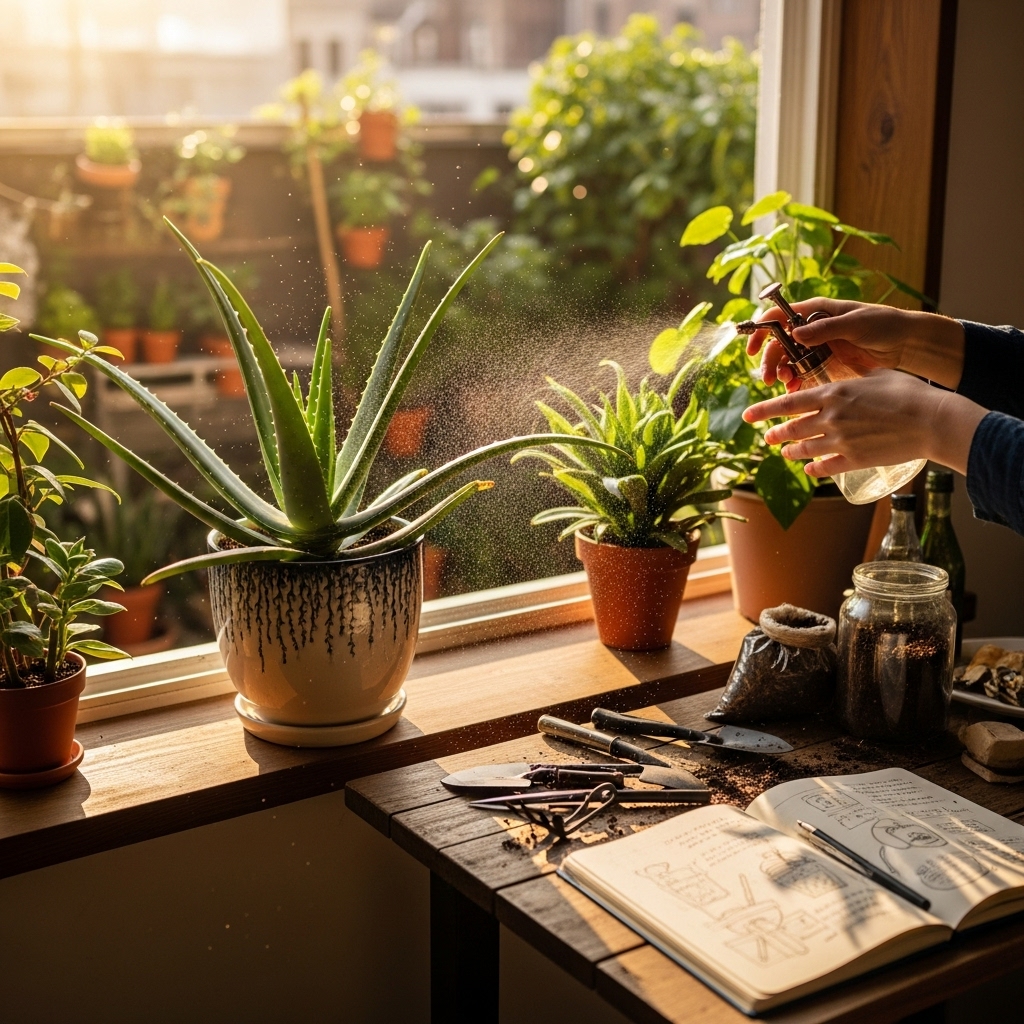
Types of Aloe Plants
There are over 500 species of Aloe, but not all are suitable for home growing. Here are a few types I’ve encountered that are great for beginners:
- Aloe Vera: Famous for its medicinal properties, this is the most common type. I remember using the gel directly from the leaves to soothe sunburns.
- Aloe Polyphylla: Known as the spiral aloe, it has a stunning rosette shape. Though a bit more challenging to grow, its appearance is worth the effort.
- Aloe Aristata: This small plant is perfect for indoor growing, with little tooth-like edges on its leaves.
- Aloe Ferox: This species has tall, striking flowers and is often used for its health benefits. I love the pop of color it adds to a space.
Benefits of Growing Aloe
Growing an Aloe plant can be incredibly rewarding. From my experience, here are some of the benefits:
- Air Purification: Aloe plants help purify the air by removing toxins. I’ve noticed a fresher smell in my living room since I added one to my décor.
- Medicinal Uses: Aloe vera gel is an excellent remedy for cuts and burns. Having it readily available right in my home is a huge bonus.
- Low Maintenance: These plants are forgiving and require minimal care. If you’re like me and sometimes forget to water, Aloe is perfect.
- Decorative Appeal: With their striking leaves and unique shapes, Aloe plants can serve as beautiful décor. I love how they add a touch of nature to any room.
Choosing the Right Aloe Plant
Best Aloe Varieties for Beginners
If you’re new to caring for Aloe plants, I recommend starting with Aloe vera. Its hardiness and forgiving nature make it ideal for beginners. I started with one in my kitchen, and it quickly became a favorite. Other easy varieties include Aloe aristata and Aloe saponaria, both of which thrive with minimal care.
Where to Buy Aloe Plants
Finding a healthy Aloe plant is crucial for your success. I usually visit local garden centers or nurseries; they often have a better selection. Online options, like plant delivery services, can also be convenient. Just be sure to check reviews and ensure you’re purchasing from a reputable source to avoid unhealthy plants.
Signs of a Healthy Aloe Plant
When selecting an Aloe plant, there are a few signs to look for to ensure you’re picking a healthy one:
- Firm Leaves: The leaves should be plump and firm, not wilted or shriveled. I’ve learned to give the leaves a gentle squeeze to check for fullness.
- No Discoloration: Look for vibrant green leaves. Brown or yellow spots can indicate disease or overwatering.
- Root Health: If you can, check the roots. They should be white and firm, not mushy or brown. I’ve occasionally repotted a plant just to check on its roots, and it’s helped me catch problems early.
Ideal Growing Conditions for Aloe Plants
Light Requirements
Aloe plants thrive in bright, indirect sunlight. I’ve found that placing mine near a south or west-facing window works wonders. If your Aloe’s leaves start to turn brown or develop scorched patches, it may be getting too much sun. Conversely, if the leaves start stretching out, it might need more light. I remember moving my first Aloe around a bit before finding the perfect spot.
Soil Type and Potting Mix
Using the right soil is essential for Aloe plants. They prefer a well-draining mix. I typically use a cactus potting mix, which allows excess water to escape. You could also mix regular potting soil with sand or perlite to improve drainage. I once tried using regular potting soil alone, and my plant didn’t fare well. That experience taught me the importance of proper soil. For a deeper dive into the best potting practices, check out How to Care for Aloe Vera Plant (Complete Guide).
Temperature and Humidity Levels
Aloe plants love warm temperatures, ideally between 60°F to 75°F (15°C to 24°C). They can tolerate higher temperatures but should be protected from frost. In my house, they thrive in warmer months. As for humidity, they prefer drier conditions, making them perfect for indoor environments. I’ve noticed that keeping my Aloe away from humid areas, like bathrooms, helps it flourish.
Watering Your Aloe Plant
How Often to Water Aloe
Watering can be a bit tricky, but I’ve learned that less is more when it comes to Aloe plants. Generally, I find it’s best to water them every two to three weeks, depending on the season. In the summer, when it’s hot, I might water a bit more frequently, but in the winter, I cut back significantly. I usually wait until the top inch or two of soil feels dry before giving my Aloe a drink. This approach has helped keep my plant healthy and happy without risking overwatering.
Signs of Overwatering
Overwatering is probably the most common mistake I see, and I’ve definitely made it myself. One of the first signs I noticed was the leaves becoming mushy or turning yellow, which is never a good sign. If you find your Aloe looking droopy or the leaves start to fall off easily when you touch them, it’s likely that you’ve given it too much water. I remember one instance where I was so eager to care for my plant that I watered it too often. Soon, the roots started to rot, and I had to act quickly to save it.
Signs of Underwatering
On the flip side, underwatering can also pose a threat to your Aloe plant. If the leaves start to shrivel or look thin and shriveled, it’s a call for help. I’ve learned to watch for those telltale signs, especially during hot summer months when the plant might need a little extra love. When I notice these signs, I give my Aloe a good drink and make sure to water it more regularly until it perks back up. It’s amazing how quickly they respond once they get the moisture they need.
Fertilizing Aloe Plants
Best Fertilizers for Aloe
Fertilizing is often an overlooked aspect of plant care, but I’ve found it can really make a difference in the health of my Aloe plants. I like to use a diluted, balanced fertilizer specifically designed for succulents. They have the right nutrient mix without being too harsh. I usually grab a liquid fertilizer and mix it with water according to the instructions on the label. This way, I can ensure my plant gets just the right amount of nutrients without overwhelming it.
Frequency of Fertilization
When it comes to fertilizing, I typically fertilize my Aloe plants about once every month during the growing season, which is spring and summer. I’ve found that this frequency keeps them thriving without risking fertilizer burn. In the fall and winter, I cut back and usually don’t fertilize at all since the plants are dormant. This approach has worked well for me. It’s about finding that sweet spot so that they’re nourished but not overloaded.
Seasonal Fertilization Tips
During the growing season, I’ve learned that my Aloe plants respond best to a little extra attention. That’s when I make sure to give them a boost with some fertilizer. I also pay attention to how the plant looks. If it seems to be growing slowly or the leaves are losing color, I take that as a sign that it might need a bit more food. I’ve also discovered that using a slow-release fertilizer can be beneficial since it gradually provides nutrients over time, which is easier for me to manage.
Repotting Aloe Plants
When to Repot an Aloe Plant
Repotting is something I’ve had to do a few times with my Aloe. Generally, I find that it’s good to repot when the plant outgrows its current pot or when the soil has broken down and isn’t draining well anymore. I usually look for signs like roots coming out of the drainage holes or if the plant feels top-heavy. I remember the first time I repotted my Aloe; I was nervous, but it turned out to be a great way to give it a fresh start!
How to Repot an Aloe Plant
When I repot my Aloe, I start by carefully removing it from its pot. I gently loosen the roots and shake off any old soil. I’ve found that it’s important to handle the roots carefully to avoid damage. Then, I place it in a new pot that’s slightly larger, ensuring it has good drainage holes. I fill the pot with fresh, well-draining soil, and position the plant so that it sits at the same depth it was previously. Finally, I water it lightly to help settle the soil, but I wait a few days before giving it another drink to avoid stressing the plant.
Choosing the Right Pot Size
Choosing the right pot size is crucial for my Aloe’s growth. I generally opt for a pot that’s about one size larger than the current one, but I try to avoid going too big. A pot that’s too large can hold too much moisture, leading to overwatering issues, which I’ve experienced firsthand. I like to stick with terracotta pots, as they allow for better airflow to the roots. It’s all about finding the balance between enough space for growth and maintaining good drainage.
Pest and Disease Management
Common Pests Affecting Aloe Plants
Even though Aloe plants are pretty resilient, they can still fall victim to pests. I’ve encountered a few common culprits in my own plant care journey. One of the most frequent visitors is the mealybug. These little critters often appear as white, fluffy spots on the leaves. At first, I thought my plant was just developing some weird growths, but then I realized it was a bug problem! Another pest to watch out for is aphids, which can suck the sap from the plant and lead to stunted growth. I’ve also seen spider mites, especially when my plant was in a particularly dry environment. They create webs and can cause serious damage if not addressed promptly. Implementing preventive measures has helped me keep my Aloe safe from these pests.
Signs of Disease
In addition to pests, Aloe plants can suffer from diseases, often due to improper care. One common issue I’ve seen is root rot, which typically occurs from overwatering. The first sign for me was a yellowing of the leaves or a mushy texture. Another issue I’ve encountered is fungal infections, which can manifest as dark spots or blotches on the leaves. It’s crucial to act quickly if you notice anything unusual. The key is to keep an eye on your plant’s health and address any changes right away. I learned this the hard way when I let a small issue escalate into a much bigger problem.
How to Treat Pests and Diseases
Treating pests and diseases is something I’ve become more skilled at over time. For mealybugs, I often use a cotton swab dipped in rubbing alcohol to gently wipe them off the leaves. It’s effective and doesn’t harm the plant. If I notice a larger infestation, I sometimes opt for an insecticidal soap, which is gentle yet effective. For aphids, a strong spray of water can help dislodge them. As for diseases like root rot, I’ve found that the best treatment is to repot the plant in fresh soil after trimming away any affected roots. It’s a bit of work, but it’s worth it to save my beloved plant!
Pruning and Propagating Aloe Plants
How to Prune Aloe Plants
Pruning might not be the first thing that comes to mind when you think of Aloe plants, but I’ve learned that it can really help in maintaining their health and appearance. I usually prune away any dead or damaged leaves, which not only keeps the plant looking tidy but also allows it to focus its energy on new growth. I’ve found that using clean, sharp scissors makes a big difference. It’s important to cut close to the base of the leaf without damaging the surrounding ones. This practice has helped my Aloe stay vibrant and lush.
Propagation Methods
Propagation is one of my favorite aspects of growing Aloe plants. It’s exciting to see a new plant sprout from the mother plant! The most common method I use is by separating offsets, which are baby Aloe plants that grow around the base. I gently remove the offset, ensuring it has some roots attached, and then I repot it in its own pot with fresh soil. I’ve also tried leaf cuttings, although I find that offsets tend to root more reliably. It’s such a fulfilling experience to watch them grow into a new plant. If you’re interested in more propagation techniques, consider reading How to Take Care of an Aloe Vera Plant (Easy Guide).
Tips for Successful Propagation
From my experience, a few tips can make propagation more successful. First, I always let the cut end of the offset dry out for a day or two before planting it; this helps prevent rot. After planting, I keep the new plant in a warm, brightly lit area but out of direct sunlight until it establishes roots. It’s also essential not to overwater during this stage. I usually wait until I see new growth before I start my regular watering routine. Patience is key, and it’s so rewarding to see my efforts pay off!
Common Mistakes to Avoid
Overwatering and Underwatering
Overwatering and underwatering are mistakes I’ve made more times than I’d like to admit. It’s easy to get it wrong, especially when you’re eager to care for your plant. I’ve learned that it’s better to err on the side of underwatering with Aloe. If I find myself unsure, I often prefer to wait a little longer. Setting a schedule has helped me a lot. Now, I have a little reminder on my phone to check the soil moisture every couple of weeks.
Improper Lighting Conditions
Another common error I see, and one I experienced myself, is placing Aloe plants in the wrong light conditions. I used to think they could handle any amount of sunlight, but I quickly learned that too much direct sunlight can scorch their leaves. It’s about finding that sweet spot where they get bright, indirect light. If you notice your Aloe stretching towards the light, it’s a sign that it needs more brightness. Adjusting its location in my home has made a noticeable difference.
Using Incorrect Soil Mix
Choosing the right soil mix is critical, and I’ve definitely made the mistake of using regular potting soil before. It doesn’t drain well enough for Aloe plants, leading to root rot. Now, I always go for a cactus or succulent mix. I recommend mixing in some perlite or sand to improve drainage further. This small change has had a huge impact on the health of my plants. Each lesson I’ve learned has made me a more confident plant parent!
Frequently Asked Questions
What is an Aloe plant?
Aloe plants are succulent members of the Asphodelaceae family, known for their thick, fleshy leaves that store water. The most famous species is Aloe vera, often associated with its soothing gel used in skincare products.
What are the best Aloe varieties for beginners?
The best Aloe varieties for beginners include Aloe vera, Aloe aristata, and Aloe saponaria. These species are known for their hardiness and forgiving nature.
How often should I water my Aloe plant?
It is generally best to water Aloe plants every two to three weeks, depending on the season. The top inch or two of soil should feel dry before watering again.
What are the signs of overwatering an Aloe plant?
Signs of overwatering include mushy leaves, yellowing, and droopiness. If the leaves start falling off easily when touched, it is likely a sign of too much water.
What kind of soil is best for Aloe plants?
Aloe plants prefer a well-draining soil mix, such as cactus potting mix. Regular potting soil mixed with sand or perlite can also improve drainage.
When should I repot my Aloe plant?
Repotting is recommended when the plant outgrows its current pot or when the soil has broken down and isn’t draining well anymore, indicated by roots coming out of the drainage holes or a top-heavy feel.
How can I treat pests on my Aloe plant?
For mealybugs, a cotton swab dipped in rubbing alcohol can be used to wipe them off. Insecticidal soap can help with larger infestations, while a strong spray of water can dislodge aphids.
What are the ideal light conditions for Aloe plants?
Aloe plants thrive in bright, indirect sunlight. Placing them near a south or west-facing window is ideal. Signs that an Aloe is getting too much sun include brown leaves, while stretching leaves indicate a need for more light.
How can I propagate my Aloe plant?
Propagation can be done by separating offsets, which are baby Aloe plants that grow around the base. The offset should have some roots attached and be repotted in fresh soil. Leaf cuttings can also be used, but offsets tend to root more reliably.
What are common mistakes to avoid when caring for Aloe plants?
Common mistakes include overwatering and underwatering, placing Aloe in incorrect lighting conditions, and using the wrong soil mix. It’s essential to monitor soil moisture, light exposure, and use a well-draining soil mix for optimal health.