
To care for an aloe plant, provide it with bright, indirect sunlight, water it thoroughly but infrequently, use well-draining soil, and maintain warm temperatures. I’ve learned that these simple steps can lead to a thriving aloe plant that can be a beautiful addition to my home. Read Interesting article: How to Care for an Aloe Plant (Complete Guide)
Introduction to Aloe Plants
What is an Aloe Plant?
Aloe plants are succulent plants known for their fleshy, thick leaves and medicinal properties. The most popular species, Aloe vera, is famous not just for its striking appearance but also for the gel within its leaves, which has soothing effects for skin irritations and cuts. I remember the first time I used Aloe vera gel; it was a refreshing relief after a sunburn, and it made me appreciate these plants even more. Beyond the benefits, aloe plants are relatively low-maintenance, making them a favorite among both novice and seasoned plant lovers.
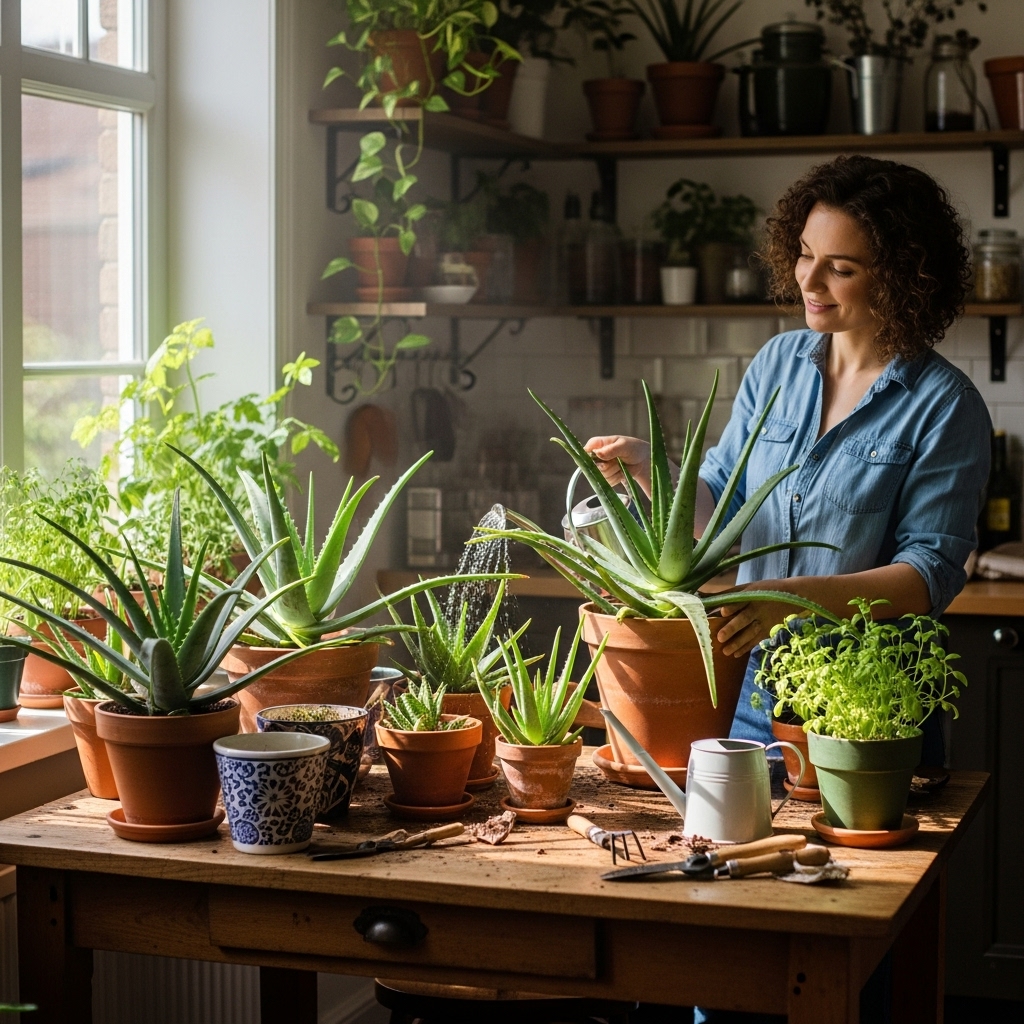
Common Types of Aloe Plants
There are over 500 species of aloe plants, but a few stand out for their popularity and ease of care. While I’ve had my fair share of different types, here are some common varieties you might consider:
- Aloe Vera: Known for its healing properties, this is the most recognized type and is often kept in homes for its gel.
- Aloe Arborescens: Also known as the torch aloe, it has a tree-like form and produces beautiful red or orange flowers.
- Aloe Brevifolia: This variety has shorter leaves and is often used as a decorative plant due to its compact size.
- Aloe Ferox: Known for its tall, striking flowers, this aloe is also used in traditional medicine.
Each type has its unique charm, and I’ve found joy in experimenting with different varieties to see which ones thrive best in my home environment.
Benefits of Having Aloe Plants
Having aloe plants in my space brings a range of benefits beyond their aesthetic appeal. One of the most significant advantages is their ability to purify the air. I’ve read studies that suggest aloe plants can remove toxins such as formaldehyde and benzene, creating a healthier living environment. Additionally, their low maintenance requirements make them perfect for busy individuals or those who might not have a green thumb. I’ve often been surprised by how hardy these plants are; they seem to forgive me for the occasional missed watering!
Beyond their practical benefits, aloe plants also have a natural charm that can uplift any room. I love how they add a touch of greenery, and their unique shapes can be a conversation starter when friends come over. Plus, the satisfaction of using the gel from my own plant for skincare is a rewarding experience that I cherish. Read Interesting article: How to Look After an Aloe Vera Plant (Easy Care Guide)
Essential Care Tips for Aloe Plants
Light Requirements
One of the most crucial aspects of aloe plant care is ensuring they receive the right amount of light. I’ve learned that aloe plants thrive in bright, indirect sunlight. They enjoy exposure to light but can get sunburned if placed in direct sunlight for too long. I remember when I first got my aloe plant; I put it on a windowsill that got a lot of direct sun, and the leaves started to turn brown around the edges. Since then, I’ve moved it to a spot where it gets bright light without getting scorched.
If you notice your aloe stretching or leaning towards the light source, it’s a sign that it needs more sunlight. I often rotate my plants to ensure all sides get an even amount of light. If you’re keeping your aloe indoors, placing it near a south or west-facing window is usually ideal.
Watering Guidelines
Watering is another crucial aspect of caring for aloe plants. I’ve found that these succulents prefer to be on the drier side, so I make it a habit to check the soil before watering. Typically, I water my aloe when the top inch of soil feels dry to the touch. During the growing season (spring and summer), I usually water my plant every two to three weeks, but in the winter, I cut back significantly. It’s amazing how much less water they need in cooler months!
Aloe plants are susceptible to root rot if they sit in waterlogged soil, so I always ensure that my pots have drainage holes. When I do water, I give it a good soak, allowing excess water to drain out completely. This way, I feel confident that the roots are getting enough moisture without being overwatered.
Soil and Potting Recommendations
The right soil is essential for aloe plants to thrive. I always use a well-draining potting mix, often labeled as cactus or succulent soil. These mixes typically contain materials like sand or perlite, which help with drainage. I remember when I first started gardening; I used regular potting soil, and my aloe plant didn’t fare well. It wasn’t until I switched to a specialized mix that I noticed a significant improvement in its health.
When it comes to potting, I typically choose a pot that’s slightly larger than the root ball of the plant. I’ve found that terracotta pots are an excellent option because they allow for better airflow to the roots and help wick away excess moisture. After re-potting my aloe, I usually wait a week before watering again, allowing it to settle into its new home without the risk of root rot.
Fertilizing Your Aloe Plant
Fertilizing isn’t always necessary, but I’ve learned that a little boost can help my aloe plant flourish. During the growing season, I use a diluted, balanced fertilizer once a month. I remember when I first started, I was a bit hesitant about fertilizing since I didn’t want to overdo it. However, I’ve found that a light feeding can promote healthier growth and vibrant leaves.
During the fall and winter months, I usually skip fertilizing altogether since the plant is in a dormant phase. It’s during these times that I focus more on maintaining the right watering schedule and light conditions, allowing my aloe to rest and rejuvenate.
Temperature and Humidity Needs
Aloe plants prefer warm temperatures and can thrive in a range between 60°F to 75°F. I’ve noticed that they can handle slightly higher temperatures as well, but they don’t like extreme cold. If the temperature drops below 50°F, I always bring my plants indoors, especially during those chilly winter nights. I remember one particularly cold night when I left my aloe outside, and it struggled to recover. Now, I’m much more cautious about temperature.
As for humidity, aloe plants prefer drier air, so they do well in average household humidity levels. I’ve kept mine in various rooms, and they always seem to adjust well. If you’re in a particularly humid environment, be sure to monitor your plant closely for any signs of overwatering or rot.
Common Problems and Solutions
Overwatering Issues
Overwatering is one of the most common problems I’ve encountered while caring for my aloe plants. These succulents are so forgiving in many areas, but when it comes to too much water, they can quickly show signs of stress. I learned this the hard way when my first aloe plant started to droop and lose its vibrant color. I remember feeling panicked, thinking I was doing everything right. It turned out that I was watering too frequently and not allowing the soil to dry out properly.
To combat overwatering, I always check the soil moisture before adding more water. If the top inch feels dry, I know it’s time to give it a drink. I’ve also found that using pots with drainage holes is crucial. They allow excess water to escape, which has really helped in preventing any waterlogged roots. If I ever suspect overwatering has occurred, I remove the plant from its pot and check the roots. If they appear mushy or brown, I trim them back and repot it in fresh, dry soil.
Pest Infestations (Mealybugs, Aphids)
Pest infestations can be another hurdle while growing aloe plants. I remember one day noticing tiny white cotton-like masses on the leaves. It turned out to be mealybugs, and I was devastated. These pests love to suck the sap from plants, which can weaken them over time. I quickly learned that prevention is key and started inspecting my plants regularly.
To deal with mealybugs, I’ve found that using a cotton swab dipped in rubbing alcohol can effectively remove them. I gently dab the swab on the affected areas, and it usually does the trick. For aphids, a gentle spray of water or insecticidal soap can help keep them at bay. I always try to keep an eye on any new plants I bring home, as they can sometimes hitch a ride and introduce pests to my existing collection.
Leaf Discoloration and Browning
Discoloration and browning of the leaves can be a source of frustration for any plant lover. I’ve experienced this with my aloe plants, especially when I accidentally placed them in too much direct sunlight. The leaves started to turn a crispy brown at the tips, and it was heartbreaking to see. I quickly moved my plant to a more suitable spot and noticed improvement over time.
Leaf discoloration can also result from nutrient deficiencies or poor watering practices. When I see yellowing leaves, I take a closer look at my watering schedule and soil conditions. If the plant seems healthy but the leaves are still browning, I might give it a light dose of fertilizer to see if that helps. Keeping up with regular care and monitoring can significantly reduce the chances of discoloration.
Root Rot and How to Prevent It
Root rot is another issue that can be quite serious if not addressed promptly. I’ve had a couple of close calls with my aloe plants, mainly due to overwatering. When I noticed that my plant was wilting despite having watered it recently, I knew I had to investigate. Sure enough, the roots were mushy, and I had to act quickly to save it.
To prevent root rot, I always ensure that my pots have good drainage and use a well-draining soil mix. Additionally, I’ve learned that it’s better to underwater than overwater. If I’m ever in doubt, I wait a few extra days before watering again. I also make it a point to remove any dead or decaying leaves, as they can contribute to moisture retention in the soil. By being vigilant and responsive to my plants’ needs, I’ve managed to keep root rot at bay.
Propagation Techniques
Offsets and Pups
One of the most rewarding experiences I’ve had with my aloe plants has been propagating them. Aloe plants are known for producing offsets, or “pups,” which are small plants that grow at the base of the parent plant. I remember the first time I noticed pups sprouting; I was so excited! It felt like my plant was giving me a little gift. When the pups are a few inches tall, usually about 3 to 4 inches, I carefully remove them with a clean, sharp knife.
After detaching the pup, I let it sit out for a day or so to allow the cut end to callous over. This step has been crucial for me in preventing rot. Once the pup has calloused, I pot it in its own well-draining soil. I’ve found that keeping it in a warm, bright location helps it settle in nicely.
Leaf Cuttings
While offsets are my go-to for propagation, I’ve also dabbled in leaf cuttings. This method is a bit trickier, but I’ve managed to get a few to root successfully. I cut a healthy leaf from my aloe plant, ensuring to use a clean knife to avoid any contamination. Similar to the pups, I let the cut leaf sit for a couple of days to callous over. After that, I place the leaf in soil, burying the cut end. Keeping the soil slightly moist, I wait for roots to develop. Patience is key here, and while not every attempt has succeeded, I’ve enjoyed the process of trying.
Frequently Asked Questions
What type of light do aloe plants need?
Aloe plants thrive in bright, indirect sunlight. They can get sunburned if placed in direct sunlight for too long.
How often should I water my aloe plant?
Water your aloe plant thoroughly but infrequently. Generally, you should water when the top inch of soil feels dry, which is typically every two to three weeks during the growing season and less frequently in winter.
What kind of soil is best for aloe plants?
Aloe plants prefer well-draining soil, often labeled as cactus or succulent soil. These mixes typically contain materials like sand or perlite to aid drainage.
Is fertilizing necessary for aloe plants?
Fertilizing is not always necessary, but a diluted, balanced fertilizer can promote healthier growth during the growing season. Fertilizing is usually skipped in fall and winter when the plant is dormant.
What temperature range do aloe plants prefer?
Aloe plants thrive in temperatures between 60°F to 75°F. They don’t like extreme cold and should be brought indoors if temperatures drop below 50°F.
What are common pests that affect aloe plants?
Common pests include mealybugs and aphids. Mealybugs appear as tiny white cotton-like masses, while aphids can be dealt with using a gentle spray of water or insecticidal soap.
What should I do if my aloe plant’s leaves are browning?
Browning leaves can be caused by too much direct sunlight or nutrient deficiencies. Move the plant to a suitable spot with indirect light and check the watering schedule and soil conditions.
How can I prevent root rot in my aloe plant?
To prevent root rot, ensure your pots have good drainage, use a well-draining soil mix, and it’s better to underwater than overwater. Remove any dead or decaying leaves to avoid moisture retention.
What are offsets or pups in aloe plants?
Offsets, or pups, are small plants that grow at the base of the parent aloe plant. They can be carefully removed and potted to propagate new plants.
Can I propagate aloe plants using leaf cuttings?
Yes, you can propagate aloe plants using leaf cuttings. Cut a healthy leaf, let it callous over, and then plant it in soil, keeping it slightly moist until roots develop.