
Caring for a lavender plant involves providing the right conditions, including well-drained soil, ample sunlight, and proper watering techniques. I’ve found that with a little attention to these details, lavender can thrive beautifully in gardens or pots.
Overview of Lavender Plant
Lavender is one of those magical plants that seems to enhance any garden or indoor space with its aromatic scent and beautiful purple blooms. As someone who has dabbled in gardening for a while, I can confidently say that lavender is a favorite among many plant enthusiasts. Not only is it visually appealing, but it’s also incredibly versatile, serving various purposes from culinary uses to natural remedies. Understanding the types, varieties, and benefits of lavender can help us appreciate and care for this remarkable plant even more. Is Lavender Plant Safe for Cats? Pet Safety Guide is a great resource for pet owners who want to learn more about keeping their furry friends safe around this lovely plant.
Types of Lavender
There are several types of lavender, but the most common ones include English lavender (Lavandula angustifolia), French lavender (Lavandula dentata), and Spanish lavender (Lavandula stoechas). Each type has its unique characteristics and uses. For example, English lavender is known for its sweet fragrance and is often used in essential oils and culinary applications, while French lavender has a more robust scent and can withstand warmer climates.
Common Varieties
Some popular varieties of English lavender include ‘Munstead’, ‘Hidcote’, and ‘Lady’. I remember planting ‘Munstead’ in my garden because it’s compact and produces beautiful spikes of purple flowers. On the other hand, ‘French’ lavenders like ‘Papillon’ and ‘Blueberry’ are perfect for warmer areas, as they thrive in heat and can add a delightful touch to any garden bed.
Lavender Uses and Benefits
One of the reasons I adore lavender is its versatility. It’s not just a pretty plant! Lavender can be used in cooking—think lavender-infused sugar or lavender in your favorite tea. It’s also known for its calming properties, often used in aromatherapy to help with stress and anxiety. I’ve found that having dried lavender around can help create a relaxing atmosphere in my home. Furthermore, lavender is great for attracting pollinators like bees and butterflies, making it a wonderful addition to any garden.
Ideal Growing Conditions for Lavender
When it comes to growing lavender successfully, providing the right conditions is key. Through my gardening experiences, I’ve learned that lavender prefers a specific environment to flourish. If you’re looking to cultivate this beautiful plant, here’s what you need to know about soil, sunlight, temperature, and humidity. When to Plant Lavender for Best Growth can provide you with valuable insights on the best timing for planting.
Soil Requirements
Lavender thrives in well-drained soil that is slightly alkaline. Heavy, clay-like soils can lead to root rot, which is something I’ve learned the hard way! I always make sure to mix in sand or gravel to improve drainage. A pH level between 6.5 and 7.5 is ideal. If you’re unsure about your soil’s pH, testing kits are readily available at garden centers, and they can help you determine if adjustments are needed.
Sunlight Needs
Another thing I’ve discovered is that lavender loves sunlight. Ideally, it should get at least 6 to 8 hours of direct sunlight each day. I’ve found that placing my lavender plants in a south-facing spot helps them thrive. If you’re growing lavender indoors, a bright window is essential. I’ve learned that without enough sunlight, lavender plants can become leggy and produce fewer blooms.
Temperature Preferences
Lavender generally prefers warmer climates. Most varieties thrive in temperatures ranging from 70°F to 85°F (21°C to 29°C) during the growing season. However, they can withstand cooler temperatures, especially English lavenders, which can tolerate frost. I’ve noticed that my lavender plants seem to do best during the warmer months, blooming beautifully when the temperatures rise.
Humidity Considerations
Humidity is another factor to keep in mind. Lavender does not like high humidity, as it can lead to fungal diseases. I’ve found that in more humid climates, providing good airflow around the plants helps prevent issues. If you’re in a particularly humid area, consider planting lavender in raised beds or using pots to control moisture levels better.
Planting Lavender
The planting process can be quite rewarding, and I remember the excitement I felt the first time I planted lavender. Knowing when and how to plant lavender will significantly impact its growth and health. How to Plant Lavender for Big Healthy Blooms is a helpful guide to ensure your lavender gets the best start possible.
When to Plant Lavender
The best time to plant lavender is during the spring after the last frost or in the fall before the first frost. I’ve found that spring planting allows the plant to establish its roots before the heat of summer kicks in. However, planting in fall can give the lavender a head start in spring, especially in milder climates.
Choosing the Right Location
Choosing the right location is crucial for the success of your lavender. Look for a spot that meets all the sunlight and drainage requirements. I’ve learned to avoid low-lying areas where water tends to collect. Instead, elevated spots or sloped areas work better for lavender, keeping the roots dry.
How to Plant Lavender Seeds
If you’re starting from seeds, I recommend starting them indoors about 6 to 12 weeks before the last frost date. Use a seed-starting mix and keep the soil moist but not soggy. Once they sprout and grow a few inches tall, you can transplant them outside. I’ve had good luck with this method, and it’s incredibly fulfilling to see seedlings turn into mature plants.
Transplanting Lavender
Transplanting lavender can be done when the plants are about 6 to 8 inches tall. Be sure to gently loosen the roots and place them in the prepared hole, ensuring the crown of the plant is level with the soil surface. I always water them well after planting to help settle the soil and reduce transplant shock. Careful handling during this process helps lavender establish itself quickly.
Watering Lavender
Watering lavender is one of those essential aspects of plant care that can make or break your gardening experience. I remember when I first started, I was unsure about how much water my lavender needed. It took some learning, but I eventually found a rhythm that worked well for me and my plants. Here’s what I’ve discovered about watering lavender effectively.
How Much Water Does Lavender Need?
Lavender is a drought-tolerant plant, which means it doesn’t require a lot of water once established. I usually water my lavender plants deeply but infrequently. This helps encourage the roots to grow deeper into the soil, where they can access moisture more effectively. A good rule of thumb is to water every two to three weeks during the growing season, depending on rainfall and temperature. I’ve found that it’s better to err on the side of underwatering rather than overwatering, as lavender can handle dry spells much better.
Signs of Overwatering vs. Underwatering
Understanding the signs of overwatering and underwatering has been a game-changer for me. When lavender is overwatered, the leaves may turn yellow and drop off, and the plant can develop root rot, which is something I’ve had to deal with. On the other hand, underwatered lavender may look wilted or dry, and the leaves might become crispy. I’ve learned to check the soil by sticking my finger an inch deep; if it feels dry, it’s time to water. This simple trick has saved me from making mistakes!
Best Watering Techniques
When I water my lavender, I make sure to do it in the early morning or late afternoon to reduce evaporation. I also prefer to water at the base of the plant rather than soaking the leaves, as this helps prevent fungal issues. Drip irrigation or soaker hoses work wonderfully if you’re looking for a more efficient way to water. I’ve found that these methods not only save time but also ensure that water reaches the roots directly, which is what lavender loves most.
Fertilizing Lavender
Fertilizing lavender is another aspect that often raises questions among gardeners. I remember being hesitant to fertilize since I had heard that lavender prefers poor soil. After some trial and error, I’ve developed a better understanding of how and when to fertilize lavender effectively.
When to Fertilize Lavender
The best time to fertilize lavender is in early spring as new growth begins. I typically apply a light feeding at this time to give the plants a little boost before they start to bloom. I’ve discovered that too much fertilizer can lead to leggy growth with fewer flowers, so I always opt for a light touch. Ideally, you shouldn’t fertilize more than once or twice a year.
Types of Fertilizers
For lavender, I recommend using a low-nitrogen fertilizer, as high nitrogen can promote leafy growth at the expense of flowers. I’ve had great success with organic fertilizers like compost or well-rotted manure, which provide gentle nourishment without overwhelming the plant. If you prefer a synthetic option, a balanced fertilizer with an N-P-K ratio of 5-10-10 can work well. Just remember to read the instructions carefully!
How to Apply Fertilizer
When applying fertilizer, I sprinkle it around the base of the plant and gently work it into the top layer of soil. I always water the plants afterward to help the nutrients soak in. This method has worked wonders for me and avoids over-fertilizing, which can lead to root burn. I’ve seen firsthand how a little care in this area goes a long way in promoting healthy lavender growth.
Pruning Lavender
Pruning lavender might seem intimidating at first, but I’ve learned that it’s essential for keeping the plant healthy and encouraging new growth. I remember my first attempt at pruning, where I was unsure how much to cut back. But with practice, I’ve developed a technique that works well for me and my plants.
When to Prune Lavender
The best time to prune lavender is after the blooming period, usually in late summer. I’ve found that waiting until the flowers have faded allows the plant to direct its energy into growing rather than producing blooms. However, light pruning can also be done in the spring to shape the plant and remove any dead or damaged stems. Timing your pruning just right can make a significant difference in how your lavender performs.
How to Prune Lavender Properly
When pruning, I always use clean, sharp shears to avoid damaging the plant. I typically cut back about one-third of the plant’s height, focusing on the woody stems. I’ve learned to avoid cutting into the older wood, as this can hinder growth. The goal is to maintain a rounded shape while encouraging bushy growth, which makes for a more attractive plant overall.
Benefits of Pruning
Pruning lavender has several benefits that I’ve come to appreciate. It helps promote air circulation, which reduces the risk of fungal diseases. Additionally, regular pruning encourages more blooms and can extend the life of the plant. I’ve noticed that my pruned lavender tends to be fuller and more vibrant, making it a joy to see in my garden.
Pest and Disease Management
Pest and disease management is crucial for keeping our lavender healthy and thriving. I’ve had my share of challenges in this area, but I’ve learned some valuable tips along the way. Knowing what to look for and how to handle issues can save our plants from unnecessary stress and damage.
Common Pests that Affect Lavender
Lavender is generally resilient, but it isn’t entirely pest-proof. One of the most common pests I’ve encountered is the aphid. These tiny insects can cluster on the stems and leaves, sucking the sap from the plant. I remember spotting them on my lavender one summer, and it was quite alarming! Another pest to watch for is the spider mite, especially in dry conditions. They can cause yellowing leaves and webbing on the plants. I also learned that whiteflies and lavender beetles can occasionally make an appearance, so keeping an eye out for any unusual activity is essential!
Signs of Disease in Lavender
While pests are a concern, diseases can also affect lavender plants. Root rot is one of the most serious issues, often arising from overwatering or poor drainage. I’ve seen my plants wilt even when the soil seemed moist, which was a sign of trouble lurking below. Another disease to look out for is fungal infections, which can manifest as gray mold or powdery mildew. These usually occur in humid conditions or when there’s poor airflow. I’ve learned to regularly inspect my plants for any signs of discoloration or unusual growth, as early detection is key!
Preventative Measures
Prevention is always better than cure, and I’ve found several strategies to minimize pest and disease issues. First off, ensuring that lavender is planted in well-drained soil can significantly reduce the risk of root rot. I’ve also discovered the importance of proper spacing between plants, which allows for good airflow and helps to prevent fungal diseases. I like to use companion planting as well; for example, planting marigolds nearby can deter certain pests. Additionally, I ensure to keep the area around my lavender free from debris, as this can harbor pests and diseases.
Treatment Options
If I do spot pests or signs of disease, I have a few go-to treatments. For aphids, I often spray a mixture of water and mild soap directly on the affected areas, which helps to remove them without harming the plant. Neem oil is another fantastic option that I’ve used; it’s organic and can combat a range of pests while being safe for the plant. If I notice any signs of fungal disease, I quickly remove the affected parts and improve airflow around the plants. I’ve learned that prompt action can prevent a small issue from becoming a major problem.
Harvesting Lavender
Harvesting lavender is one of the most rewarding experiences for me as a gardener. I love the thought of using my homegrown lavender for various purposes, from culinary delights to crafting. Knowing the right timing and method can make all the difference in preserving the quality of the blooms.
When to Harvest Lavender
The timing for harvesting lavender is crucial. I usually wait until the flowers are in full bloom, which typically occurs in late spring or early summer, depending on the variety. I’ve learned that harvesting in the morning after the dew has dried is best, as this helps retain the essential oils in the flowers. If you wait too long, the blooms can start to fade, and you might miss out on the fragrant oils that make lavender so special.
How to Harvest Lavender
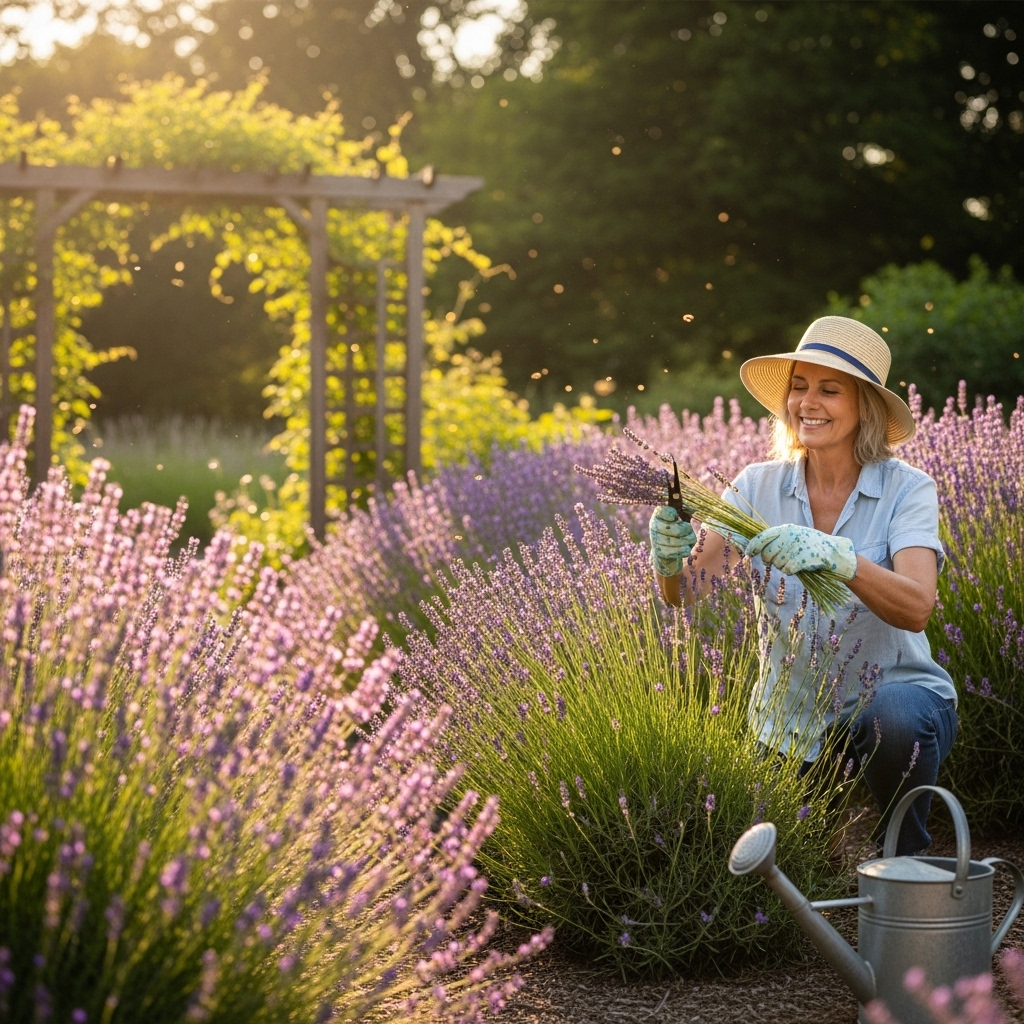
When it’s time to harvest, I use sharp scissors or pruning shears to cut the stems. I usually snip them just above the leaves, leaving some foliage for the plant to continue growing. I’ve found that cutting about one-third of the stem length is ideal for ensuring the health of the plant while still allowing me to gather a nice bouquet of blooms. I like to gather my cuttings in small bundles and tie them together with twine, making the process feel a bit more special.
Storing and Preserving Lavender
After harvesting, I make sure to store my lavender properly to maximize its shelf life. I’ve discovered that hanging the bundles upside down in a cool, dry place is the best method. This way, they can dry naturally while retaining their vibrant color and scent. Once dried, I remove the flowers from the stems and store them in airtight containers away from direct sunlight. I’ve even made sachets to keep in my closets, providing a lovely fragrance that lasts for months!
Seasonal Care for Lavender
Providing seasonal care for lavender is essential, as different times of the year bring unique challenges and opportunities. I’ve observed how careful attention during each season can significantly impact the health of my plants.
Winter Care Tips
Winter can be a tough time for lavender, especially in colder climates. I’ve learned to take precautions to protect my plants during this season. For me, mulching around the base of the plants helps insulate the roots and prevents frost damage. I also avoid heavy watering during winter since the plants are dormant and don’t require as much moisture. If I know a particularly harsh winter is coming, I might even consider covering my lavender with burlap or frost cloth to shield them from extreme cold and wind.
Summer Care Tips
During the summer, lavender thrives, but it can still require some attention. I make sure to monitor the watering closely, especially during heatwaves. I’ve found that a layer of mulch helps retain moisture while keeping the roots cool. This also reduces weed competition, which can be a hassle in the summer months. Deadheading spent blooms is another summer task I enjoy, as it encourages more flowers and keeps the plant looking tidy.
Spring and Fall Maintenance
Spring is a time for rejuvenation, and I love inspecting my lavender plants as new growth appears. I usually remove any dead or damaged stems and give them a light prune to encourage bushiness. In the fall, after the blooming period, I focus on preparing my plants for winter. This includes a final tidy up and checking for any signs of pests or diseases that might need addressing before the cold sets in. I remember how satisfying it feels to know that I’m setting my lavender up for success in the coming seasons!
Frequently Asked Questions
What type of soil does lavender prefer?
Lavender thrives in well-drained soil that is slightly alkaline, with a pH level between 6.5 and 7.5. Heavy, clay-like soils can lead to root rot.
How much sunlight does lavender need?
Lavender ideally requires at least 6 to 8 hours of direct sunlight each day. It is best to place lavender in a south-facing spot or a bright window if grown indoors.
When is the best time to plant lavender?
The best time to plant lavender is during the spring after the last frost or in the fall before the first frost, as this allows the plant to establish its roots effectively.
How often should lavender be watered?
Lavender is a drought-tolerant plant and usually requires deep but infrequent watering, about every two to three weeks during the growing season, depending on rainfall and temperature.
What are the signs of overwatering and underwatering lavender?
Overwatered lavender may exhibit yellowing leaves, dropping leaves, and root rot, while underwatered lavender may look wilted or dry with crispy leaves.
When should lavender be pruned?
The best time to prune lavender is after the blooming period, usually in late summer. Light pruning can also be done in the spring to shape the plant and remove dead or damaged stems.
What pests commonly affect lavender plants?
Common pests that affect lavender include aphids, spider mites, whiteflies, and lavender beetles. These pests can cause damage by sucking sap from the plant.
How should lavender be harvested?
Lavender should be harvested when the flowers are in full bloom, typically in late spring or early summer. Use sharp scissors to cut the stems just above the leaves, and gather cuttings in small bundles.
What is the best way to store harvested lavender?
After harvesting, lavender should be hung upside down in a cool, dry place to dry naturally. Once dry, the flowers can be removed from the stems and stored in airtight containers away from direct sunlight.
What seasonal care should be provided for lavender?
In winter, mulch around the base protects roots from frost. In summer, monitor watering and deadhead blooms. Spring involves light pruning, while fall focuses on preparing plants for winter.