
Caring for milkweed during the summer and fall is crucial for maintaining healthy plants that support monarch butterflies. This guide provides step-by-step instructions on essential care techniques, seasonal maintenance, and pest management to ensure your milkweed thrives.
Table of Contents
Understand the Importance of Milkweed for Monarchs
Milkweed is more than just a pretty plant. It plays a vital role in the life cycle of monarch butterflies. By caring for milkweed, you’re helping these beautiful creatures thrive.

Milkweed as a Host Plant for Monarchs
Milkweed is the only host plant for monarch caterpillars. This means that without milkweed, there are no monarchs! The caterpillars feed exclusively on its leaves, which provide the nutrients they need to grow.
- Life Cycle Connection: Monarchs lay their eggs on milkweed. Once the eggs hatch, the caterpillars munch away, growing rapidly. This relationship is essential for the survival of the species.
- Nutritional Benefits: Milkweed leaves are rich in nutrients. They also contain toxins that make the caterpillars and butterflies less appealing to predators. This adaptation helps protect them in nature.
Nectar Source for Pollinators
Milkweed isn’t just a home for monarchs; it’s also a buffet for various pollinators.
- Attractive Flowers: The nectar-rich flowers bloom from summer into fall. This attracts bees, butterflies, and other beneficial insects. By planting milkweed, you’re creating a thriving ecosystem.
- Supporting Biodiversity: More pollinators mean better pollination for your garden and local plants. This boosts biodiversity and promotes a healthier environment.
Supporting Biodiversity in Your Garden
Caring for milkweed not only helps monarchs but also enhances the overall health of your garden.
- Plant Variety: Different milkweed species can cater to various pollinators. For example, swamp milkweed is perfect for wet areas, while common milkweed thrives in drier soils.
- Checklist for Gardeners:
- Plant milkweed varieties that suit your garden’s conditions.
- Monitor for caterpillars and eggs to ensure monarchs are utilizing your plants.
- Deadhead flowers after blooming to encourage new growth and prolong the flowering season.
By focusing on milkweed care, you’re not just helping monarchs; you’re making a positive impact on the entire ecosystem.
Summer Care Techniques for Milkweed
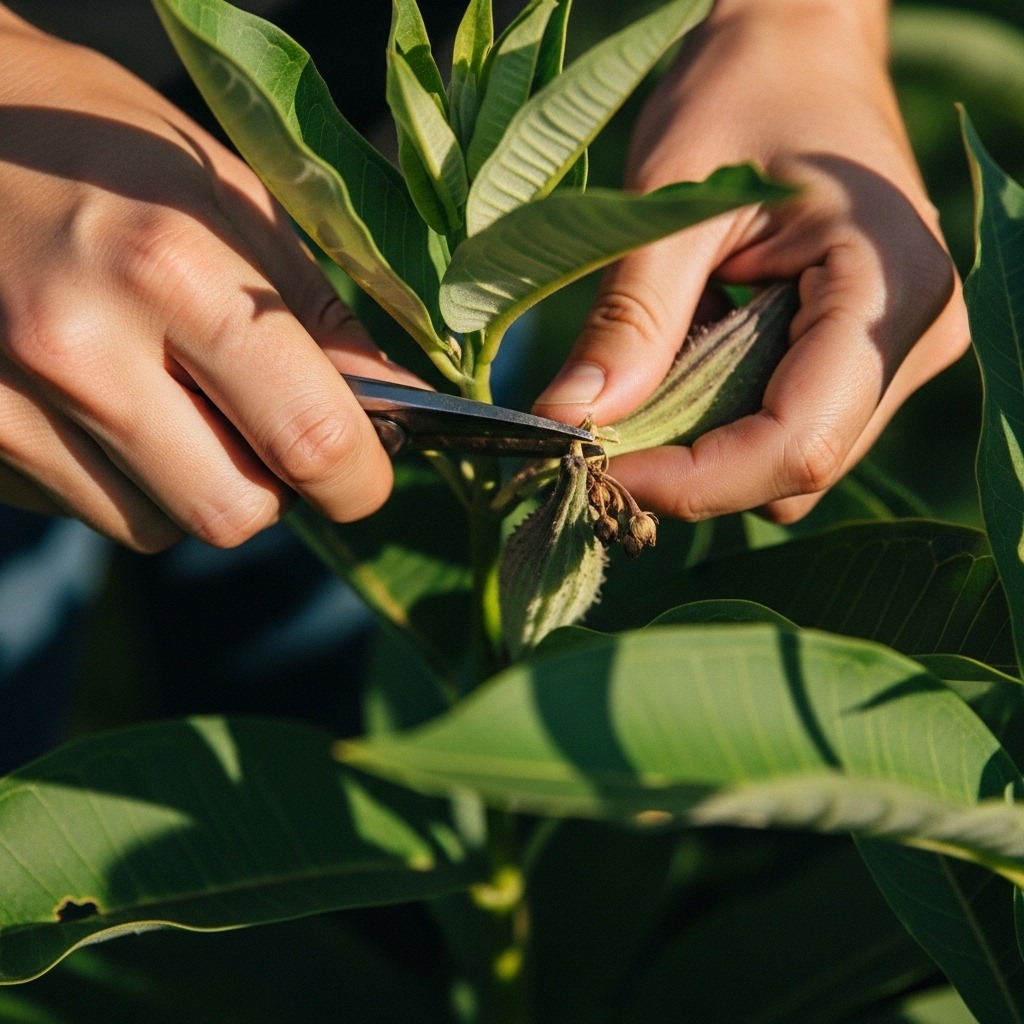
Taking care of milkweed during the summer is essential for keeping your plants healthy and supporting our beloved monarch butterflies. Here are some key techniques for watering, fertilizing, and deadheading your milkweed.
Proper Watering Practices
Watering is crucial, but it’s all about balance. Milkweed prefers well-drained soil, so avoid overwatering. Here’s how to get it right:
- Check the Soil: Feel the top inch of soil daily. If it’s dry, it’s time to water.
- Watering Frequency: Aim for about 1-2 inches of water per week. Adjust based on rainfall. Too much water can lead to root rot.
- Signs of Stress: Watch for wilting or yellowing leaves. These can indicate underwatering. Conversely, brown tips can signal overwatering.
Fertilization Tips for Healthy Growth
Milkweed doesn’t need much fertilizer, so keep it simple. Here’s what you should know:
- Use Organic Options: Compost or worm castings are great choices. They provide nutrients without harming pollinators.
- Avoid Over-Fertilization: Too much fertilizer can damage your milkweed and the environment. A little goes a long way.
- Timing: Fertilize in early summer when growth is active. After the first year, you can reduce fertilization.
Deadheading for Continued Blooming
Deadheading is a fantastic way to encourage more blooms. Here’s how to do it:
- When to Deadhead: Remove spent flowers as soon as they fade. This helps the plant focus energy on new growth.
- How to Deadhead: Snip the flower stem just above the first set of leaves. This technique promotes a bushier plant.
- Impact on Monarchs: More blooms mean more food for monarchs. It’s a win-win!
By following these summer care techniques, you’ll keep your milkweed thriving and ready to support those beautiful monarch butterflies throughout the season.
Fall Maintenance: Preparing Milkweed for Winter

As summer winds down, it’s time to prepare your milkweed for winter dormancy. Proper maintenance now helps ensure a healthy resurgence in spring. Here’s how to give your milkweed the best start for the colder months.
When to Cut Back Milkweed
Timing is crucial for cutting back milkweed. Aim to do this in late fall, after the first frost. This helps protect the plant and encourages new growth come spring.
- Signs it’s Time: Look for yellowing leaves and fading flower blooms. Once the plant begins to die back, it’s a good indicator to start cutting.
- Cutting Schedule: Around late October to early November works well for most regions.
How to Cut Back to Promote Healthy Growth
Cutting back correctly can set your milkweed up for success. Here’s a simple guide:
1. Gather Tools: You’ll need sharp pruning shears and gloves.
2. Cut Stems: Trim the stems to about 6-12 inches above the ground. This height helps protect the roots while still allowing the plant to store energy.
3. Remove Debris: Clear away any dead leaves and stems. This prevents pests and diseases from overwintering in your garden.
Signs of a Healthy Milkweed Plant
Knowing what a healthy milkweed looks like can help you care for it better. Here are some key indicators:
- Vibrant Green Leaves: Healthy plants have rich, green foliage.
- Strong Stems: Sturdy stems indicate good nutrition and care.
- Active Pollinators: If you see monarch butterflies or other pollinators visiting your milkweed, it’s thriving!
By following these practices, you’ll ensure your milkweed is well-prepared for winter. This not only benefits the plant but also provides a crucial resource for monarchs when spring arrives.
Common Pests and Diseases Affecting Milkweed
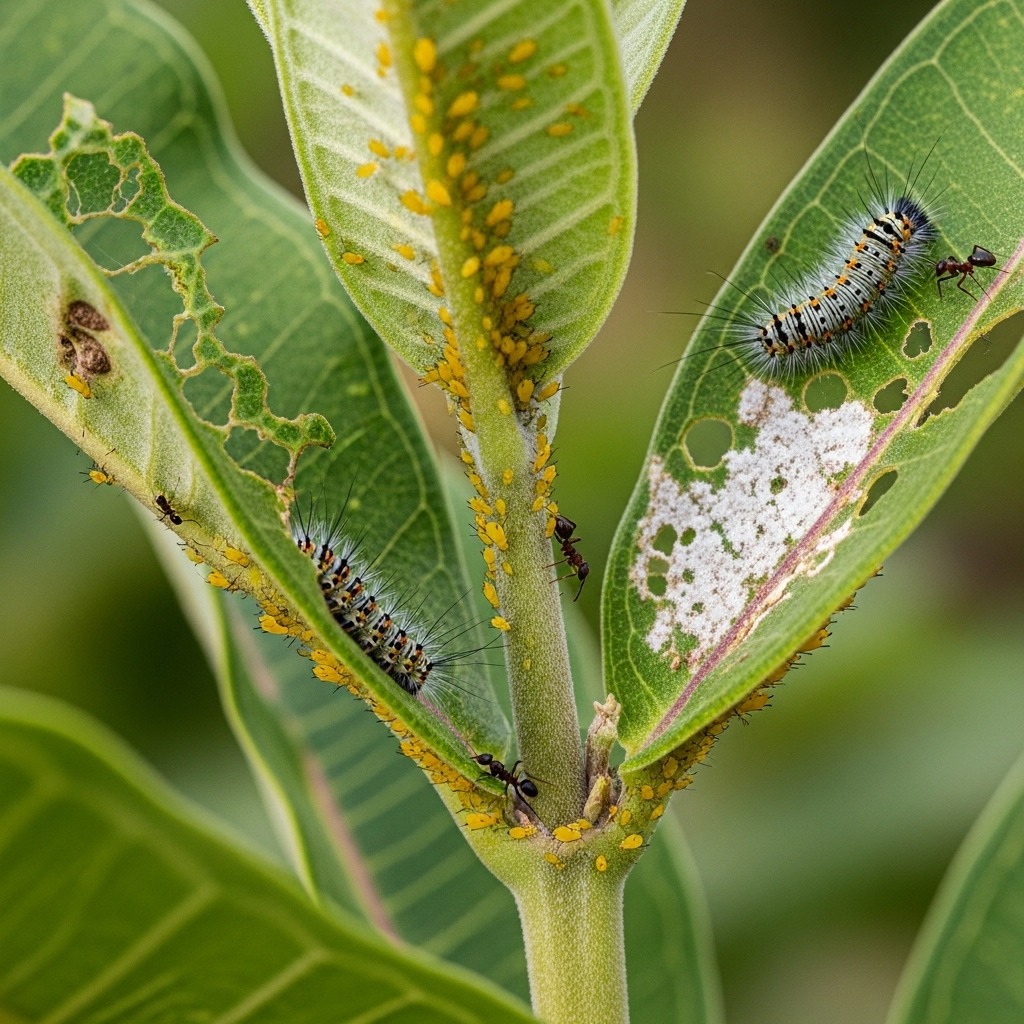
Milkweed is a beautiful and important plant, especially for monarch butterflies. However, it’s also prone to some pesky pests and diseases. Knowing what to watch for can help you keep your milkweed healthy and thriving.
Identifying Common Pests
Several pests love to munch on milkweed. Here are the main culprits you should be on the lookout for:
- Aphids: These small, soft-bodied insects suck sap from leaves. They can cause curling or yellowing of leaves.
- Spider Mites: Tiny but mighty, spider mites can create fine webbing on the plant. Look for stippled leaves as a sign of their presence.
- Whiteflies: Similar to aphids, whiteflies also suck sap and can lead to a decline in plant health.
Organic Pest Management Strategies
Managing pests organically is not only safe for your garden but also for the environment. Here are some effective strategies:
1. Introduce Beneficial Insects: Ladybugs and lacewings can help control aphid populations naturally.
2. Neem Oil: This natural pesticide disrupts the life cycle of pests. Spray it in the early morning or late evening to avoid harming beneficial insects.
3. Insecticidal Soap: A simple mix of soap and water can help wash off pests like aphids and spider mites.
4. Companion Planting: Planting marigolds or nasturtiums nearby can deter pests from your milkweed.
Preventing Disease in Milkweed
Keeping your milkweed healthy also means preventing diseases. Here are some common issues and how to avoid them:
- Powdery Mildew: This fungal disease appears as a white powder on leaves. Ensure good air circulation and avoid overhead watering.
- Root Rot: Overwatering can lead to root rot. Always check the soil moisture before watering to keep your plant happy.
Quick Checklist for Pest and Disease Management
- Regularly inspect your plants for signs of pests or diseases.
- Use organic methods to manage infestations.
- Promote healthy growth through proper watering and fertilization.
- Ensure good air circulation around your milkweed plants.
By keeping an eye out for pests and diseases, you can ensure your milkweed remains a thriving host for monarch butterflies all summer and fall.
Final Thoughts on Caring for Milkweed
Caring for milkweed from summer through fall is essential for supporting monarch butterflies and ensuring a vibrant garden. Keep these simple steps in mind to keep your milkweed healthy and thriving.
Recap of Essential Care Practices
- Watering: Keep the soil consistently moist, especially during the first growing season. But don’t overwater; check soil moisture regularly.
- Fertilization: Use a balanced fertilizer as needed. This helps promote strong growth.
- Cutting Back: Trim back milkweed after blooming to encourage new growth. This is especially effective around late July.
- Pest Management: Regularly inspect for pests like aphids. Use organic methods to manage them without harming pollinators.
Encouragement for New Gardeners
Starting a milkweed garden is easier than you think! If you’re new to gardening, just remember:
- Choose the Right Variety: Select milkweed that suits your climate. Common options include common milkweed and swamp milkweed.
- Don’t Stress About Perfection: Nature has its way. Some plants may not thrive, and that’s okay! Learn as you go.
- Observe and Enjoy: Take time to watch for butterflies and other pollinators visiting your plants. It’s rewarding!
Creating a Butterfly-Friendly Habitat
To make your garden a haven for butterflies:
- Diverse Planting: Include other native plants alongside milkweed. This attracts more pollinators.
- Sunny Spots: Milkweed loves sun. Choose a location that gets plenty of light.
- Avoid Chemicals: Use organic gardening practices to keep your garden safe for all creatures.
By following these tips, you’ll create a supportive environment for milkweed and the monarchs that depend on it. Happy gardening!
Frequently Asked Questions
These quick answers cover the most common questions about this topic, including key details, practical tips, and common concerns.
Are you supposed to cut back milkweed in the fall?
Yes, it’s recommended to cut back milkweed in late fall after the first frost. Trimming the stems to about 6-12 inches above ground helps protect the roots during winter. This also encourages healthy growth in spring.
How do you prepare milkweed for winter?
To prepare milkweed for winter, cut back the stems after the growing season ends. Remove dead leaves and debris to prevent pests and diseases. Mulching around the base can provide extra protection in colder climates.
What do you do with milkweed at the end of the season?
At season’s end, deadhead the flowers and cut back the stems. Clearing away fallen leaves and plant debris reduces pest habitat. This maintenance helps the plant conserve energy and prepares it for dormancy.
Will milkweed come back every year?
Yes, most milkweed species are perennial and will return annually if properly cared for. Ensuring good drainage, minimal disturbance, and seasonal pruning supports their regrowth.
What are the best practices for planting milkweed seeds?
Plant seeds in well-draining soil in a sunny location. Sow them directly outdoors in early spring or fall, lightly covering with soil. Stratification (cold treatment) can improve germination, especially for certain species.
How can I attract more pollinators to my garden?
Plant a variety of native flowering plants, including milkweed, in sunny areas. Avoid pesticides and provide water sources. Diverse blooms from summer to fall will attract bees, butterflies, and other beneficial insects.
What are the signs of a healthy milkweed plant?
Healthy milkweed has vibrant green leaves, sturdy stems, and abundant flowers. You may see monarch eggs or caterpillars, indicating it’s serving its purpose as a host plant.
What should readers know about visual care guides or infographics?
Visual guides can help identify pests, disease symptoms, and proper pruning techniques. They make seasonal maintenance easier and ensure you follow best practices for plant health.
What should readers know about detailed planting instructions?
Follow specific guidelines for your milkweed species, including soil type, spacing, and timing. Proper planting techniques promote strong root development and better resilience against pests and diseases.
What should readers know about comprehensive pest and disease management strategies?
Regularly inspect plants for pests like aphids or spider mites. Use organic controls such as neem oil or beneficial insects. Maintain good airflow and avoid overwatering to prevent fungal issues like powdery mildew.