
Caring for spider plants involves providing adequate light, proper watering, suitable soil, and attention to temperature and humidity. These plants are forgiving, making them perfect for both beginners and seasoned plant lovers. If you’re also a cat owner, you might be interested in learning about what plants are safe for cats.
Table of Contents
Spider plants, with their arching leaves and charming baby offshoots, have become a staple in homes and offices. They’re not just beautiful; they’re also incredibly easy to care for, which is why I fell in love with them at first sight!
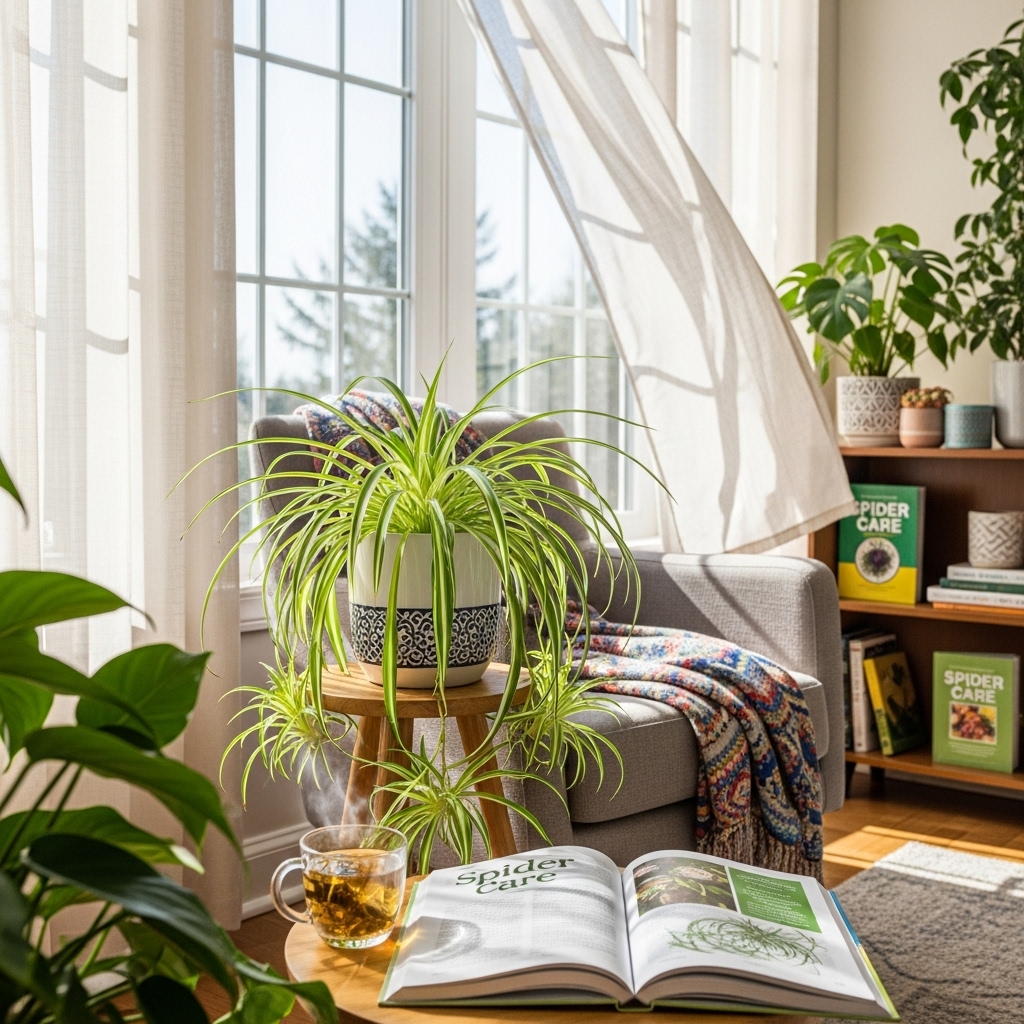
Introduction to Spider Plants
What are Spider Plants?
Spider plants, scientifically known as Chlorophytum comosum, are perennial houseplants recognized for their unique long, arching leaves that resemble the shape of a spider. They produce small white flowers and are famous for their baby plants known as “spiderettes.” Each time I see these little offshoots hanging down, I can’t help but feel a sense of accomplishment and joy in nurturing them. They’re like little green gifts from the plant itself!
Botanical Name and Origin
The botanical name of the spider plant, Chlorophytum comosum, hints at its lush green foliage and ability to produce numerous offshoots. Originating from the coastal regions of South Africa, these plants have adapted to various environments, making them incredibly resilient. I remember when I first learned about their origin; it made me appreciate their hardiness even more. It feels like I’m welcoming a piece of nature from across the world into my home!
Common Varieties of Spider Plants
There are several varieties of spider plants, but the most common ones include the classic green version and the variegated types, featuring white or yellow stripes along the leaves. I’ve tried both types, and each has its charm. The variegated version adds a bit of flair to any space, while the solid green can offer a calming vibe. No matter which variety you choose, each brings its unique beauty and character to your plant collection.
Why Choose Spider Plants?
Air Purifying Benefits
One of the most compelling reasons to choose spider plants is their air-purifying qualities. According to studies, they can effectively remove toxins like formaldehyde and xylene from the air. When I first started incorporating plants into my home, this benefit was a huge selling point for me. Knowing that my spider plants are working hard to clean the air around me makes me feel good about my choice.
Easy to Care For
Spider plants are renowned for their low maintenance needs, making them perfect for anyone, including those who might not have a green thumb. Personally, I’ve had days where I forgot to water them, and they bounced back like champs! They thrive in various conditions and don’t demand a lot of attention, which is a relief for busy individuals like myself. If you’re looking for a forgiving plant that will still reward you with beauty, spider plants are the way to go. You might also want to check out how to care for a snake plant for another easy-to-maintain option.
Aesthetic Appeal
The aesthetic appeal of spider plants cannot be overlooked. They have a graceful, cascading growth habit, which adds a lovely touch to any room. I often place mine on a shelf or a hanging planter where their leaves can trail down, creating a natural curtain of greenery. Whether you want to enhance your home office or brighten up your living space, spider plants fit seamlessly into any decor style—from modern to bohemian.
Essential Care Guidelines
Light Requirements
When it comes to light, spider plants prefer bright, indirect sunlight. I’ve placed mine near a window with filtered light, and they thrive! Direct sunlight can scorch their leaves, so it’s essential to find that sweet spot where they receive plenty of light without the harsh rays. If you notice the leaves stretching out, it might be a sign they’re searching for more light. In my case, I simply moved mine a bit closer to the window, and they perked right up!
Watering Needs
Watering spider plants is quite straightforward. I typically check the soil moisture before watering—if the top inch feels dry, it’s time for a drink. They prefer to dry out a bit between waterings, so it’s better to underwater than overwater. I’ve learned the hard way that too much water can lead to root rot. During the growing season, I find they need more frequent watering, but in the winter months, I scale back since they’re not actively growing as much.
Soil Preferences
Spider plants thrive in well-draining potting soil. A mix designed for houseplants usually works perfectly. I personally prefer using a blend that contains perlite or sand to ensure good drainage. When I first started, I tried using regular garden soil, and my plants didn’t fare well. Once I switched to a quality potting mix, I noticed a significant improvement in their growth and health.
Temperature and Humidity
Spider plants prefer temperatures between 65°F to 75°F (18°C to 24°C). They can tolerate a bit cooler temperatures but avoid anything below 50°F (10°C). I remember one winter when my home got a little too chilly, and some of my plants struggled. Keeping them in a stable, warm environment has made a huge difference. As for humidity, they appreciate standard household humidity levels, but if you live in a particularly dry area, a gentle misting occasionally can help keep their leaves vibrant.
Fertilizing Spider Plants
Best Types of Fertilizers
Fertilizing spider plants is an essential part of keeping them healthy and thriving. I’ve found that using a balanced, water-soluble fertilizer works wonders. Brands that specify a 20-20-20 or similar ratio are typically ideal. It’s important to choose a fertilizer that’s suitable for houseplants, as they usually contain the right nutrients for their needs. I remember experimenting with different types, and I was pleasantly surprised by how much a little extra nourishment can enhance their growth and vibrancy. Organic options, like fish emulsion or compost tea, are also great if you prefer to go the natural route. These options provide a gentle boost without the risk of chemical buildup.
Fertilization Schedule
In my experience, timing is everything when it comes to fertilizing spider plants. I usually start fertilizing in the spring when the growing season begins and continue every four to six weeks until the fall. During the winter months, I give my plants a break since they don’t actively grow during this time. I’ve noticed that following this schedule helps prevent over-fertilization, which can be harmful. Keep an eye on your plants, as they’ll let you know when they’re ready for a little extra love!
Signs of Over-Fertilization
It’s easy to get a bit too enthusiastic with fertilizer, but I’ve learned to watch out for signs of over-fertilization. If the leaf tips start turning brown or yellow, it might be a sign I’ve been a bit too generous. Additionally, if the leaves begin to look burnt or have a crusty appearance, it’s time to cut back. In my case, I’ve had to flush the soil with water to help remove excess fertilizer. It’s a bit of a balancing act, but with practice, I’ve found the right amount for my plants.
Propagation Techniques
Using Offshoots (Spiderettes)
One of the most rewarding aspects of growing spider plants is propagation. I absolutely love using the offshoots, or spiderettes, to grow new plants. These little green babies, which hang off the mother plant, are usually ready for propagation when they develop their own tiny roots. When I see them, I can’t resist snipping them off and giving them a new home. It feels like I’m creating new life, and seeing them thrive is incredibly satisfying!
Water Propagation vs. Soil Propagation
I’ve experimented with both water and soil propagation, and each method has its perks. For water propagation, I simply place the spiderette in a jar of water, making sure the roots are submerged while keeping the leaves above the waterline. After a couple of weeks, I typically see roots starting to develop. On the other hand, soil propagation involves planting the offshoot directly into potting soil. I find both methods fun, but water propagation allows me to see the roots developing, which is a bonus. Either way, I’ve had success with both techniques!
Timing for Propagation
Timing is key when it comes to propagation. I usually aim to propagate my spiderettes in the spring or early summer when they’re actively growing. I’ve noticed that they root more quickly and are more vigorous during this time. If you do decide to propagate, make sure to give your new plants a bit of extra care as they adjust to their new environment. It’s a gratifying process, and I love knowing that I’m expanding my collection while sharing these beautiful plants with friends and family!
Pest and Disease Management
Common Pests Affecting Spider Plants
While spider plants are generally hardy, they can sometimes fall victim to pests. I’ve encountered a few pesky critters myself, like spider mites and aphids. Spider mites are tiny and often go unnoticed until their damage is visible, like webbing on the leaves. I’ve found that keeping an eye on my plants, especially during dry months, helps me catch these pests early. If you spot any, it’s best to act quickly!
Identifying Diseases
Aside from pests, spider plants can also face a few diseases. Fungal infections can occur, especially if the soil is too wet. I remember dealing with some leaf spot issues due to overwatering. Keeping the soil dry between waterings has made a significant difference. Additionally, black or mushy leaves often indicate root rot, which can be a problem caused by poor drainage or overwatering. It’s crucial to be vigilant and act quickly to maintain their health.
Organic Pest Control Methods
I prefer using organic methods for pest control because I want to keep my home safe for my family and pets. I’ve had success with neem oil and insecticidal soap, which are both effective at treating pests without harsh chemicals. When I see any signs of infestation, I mix these solutions with water and spray the affected areas. Regularly wiping down the leaves with a damp cloth also helps keep them clean and less appealing to pests. It’s comforting to know that I can manage these issues naturally while still keeping my spider plants happy and healthy.
Repotting Spider Plants
Signs That Repotting is Necessary
As spider plants grow, they may eventually outgrow their pots. I’ve noticed that when my plants become root-bound, their growth seems to stall, and they may even start to look a bit sad. A few signs that indicate it’s time to repot include roots emerging from the drainage holes, water pooling on top of the soil instead of soaking in, or if the plant seems top-heavy and tips over easily. If you find yourself needing to water more frequently because the soil dries out too quickly, it’s also a good sign that repotting is in order. Each time I’ve repotted, I’ve felt a sense of renewal for my plant, as if I’m giving it a fresh start and more space to thrive.
Best Time to Repot
The best time to repot spider plants is during the spring, right when they’re waking up from their winter dormancy. I’ve found that this is when they’re most actively growing, which helps them adapt to their new home more easily. Repotting in the spring allows the plant to take advantage of the warm temperatures and increased light, making it less stressful for them. If you’re unsure, just keep an eye on your spider plant’s growth; if it seems to be slowing down or showing signs of distress, it might be time to give it a new pot.
Step-by-Step Repotting Process
Repotting can seem daunting, but I’ve found it to be a straightforward process. Here’s how I do it:
- Gather Your Supplies: You’ll need a new pot (one size larger than the current pot), fresh potting soil, and possibly some pruning shears if you want to trim any roots.
- Remove the Plant: Gently take the spider plant out of its pot. I usually tap the sides of the pot to loosen the soil and roots. If the plant is stuck, a gentle pull can help release it.
- Inspect the Roots: Check the roots for any signs of rot or damage. I like to trim away any brown or mushy roots with clean shears. Healthy roots should be firm and white.
- Prepare the New Pot: Fill the bottom of the new pot with fresh potting soil. Make sure it has good drainage holes. I typically use a mix that promotes drainage, as spider plants dislike sitting in soggy soil.
- Replant the Spider Plant: Place the spider plant in the center of the new pot and fill around it with soil, making sure the top of the root ball is level with the soil surface. I like to gently pat the soil down to remove any air pockets.
- Water Thoroughly: After repotting, water the plant well to help it settle into its new home. I find that a thorough watering encourages the roots to start growing into the new soil. Just be careful not to overwater!
- Provide Care: After repotting, I usually keep my spider plant in a spot with indirect sunlight and avoid fertilizing for a month to reduce stress.
Common Issues and Troubleshooting
Brown Tips on Leaves
Browning tips on spider plant leaves can be a common issue, and I’ve experienced this myself. It’s often a sign of underwatering or low humidity. I’ve found that if the tips start turning brown, my first step is to check the watering routine. If the soil feels dry, it’s a good time to give my plant a drink. Another factor could be the humidity level in my home, especially during the winter months when the air tends to be drier. Adding a humidifier or misting the leaves occasionally has helped me keep the humidity levels up, and I’ve noticed a significant improvement in their health.
Yellowing Leaves
Yellow leaves can be a little trickier to diagnose. Sometimes, it can be a sign of overwatering, which I’ve had to deal with a few times. If the soil is consistently wet, it can lead to root rot, and the leaves will start to yellow. On the other hand, yellowing can also indicate a nutrient deficiency. In my case, when I see yellowing leaves, I check the soil moisture first. If it’s too wet, I let it dry out before watering again. If the soil is fine, I consider giving the plant a gentle fertilization to provide some extra nutrients.
Leggy Growth
Leggy growth is something I’ve encountered when my spider plants aren’t getting enough light. When I notice my plants stretching and becoming elongated with fewer leaves, I know it’s time to adjust their placement. I usually move them closer to a window where they can receive bright, indirect light. The good thing is that I can always trim back leggy growth to encourage bushier, more compact growth. Pruning has become a regular part of my routine, and it feels great to see my plants thriving with a little extra attention!
Creating the Ideal Environment
Indoor vs. Outdoor Spider Plant Care
Spider plants can adapt well to both indoor and outdoor environments, but I’ve noticed some differences in care depending on where they are. Indoors, I prioritize keeping them out of direct sunlight while ensuring they still get enough light. Outdoors, especially in warmer climates, I’ve learned to place them in a shaded spot to prevent leaf scorch. If the weather is cooler, I always bring them back inside to protect them from frost. It’s all about finding that balance to keep them healthy!
Choosing the Right Pot
When selecting a pot for my spider plants, I prefer one with drainage holes to prevent overwatering. I’ve tried both clay and plastic pots, and while both have their benefits, I appreciate clay pots for their breathability. They allow the soil to dry out more evenly. However, plastic pots are lighter and easier to move around. Ultimately, I choose based on where I plan to place my spider plant and how I want it to look in my home.
Companion Plants for Spider Plants
It’s fun to create little plant groups, and I’ve found that spider plants pair well with others like pothos or peace lilies. These plants have similar care needs, and I enjoy how their different leaf shapes and colors complement each other. When I group them together, it creates a lush, vibrant display that brings life to any room. Plus, having multiple plants together helps increase humidity levels, which is a win-win for all of them! If you’re curious about other plants, you might want to check if aloe plants are safe for cats as well.
Frequently Asked Questions
What are spider plants?
Spider plants, scientifically known as Chlorophytum comosum, are perennial houseplants recognized for their unique long, arching leaves that resemble the shape of a spider. They produce small white flowers and are famous for their baby plants known as “spiderettes.”
What are the light requirements for spider plants?
Spider plants prefer bright, indirect sunlight. Direct sunlight can scorch their leaves, so it’s essential to find a spot where they receive plenty of light without the harsh rays.
How should I water my spider plants?
Watering spider plants involves checking the soil moisture first. If the top inch of soil feels dry, it’s time for a drink. They prefer to dry out a bit between waterings, so it’s better to underwater than overwater.
What type of soil do spider plants prefer?
Spider plants thrive in well-draining potting soil. A mix designed for houseplants usually works perfectly, ideally containing perlite or sand to ensure good drainage.
What temperature and humidity do spider plants prefer?
Spider plants prefer temperatures between 65°F to 75°F (18°C to 24°C) and can tolerate cooler temperatures, but should be kept above 50°F (10°C). They appreciate standard household humidity levels but may benefit from occasional misting in dry areas.
How do I propagate spider plants?
Propagation can be done using offshoots, or spiderettes, which are ready for propagation when they develop their own tiny roots. You can propagate by placing them in water or planting them directly into potting soil.
What are the signs of over-fertilization in spider plants?
Signs of over-fertilization include leaf tips turning brown or yellow, leaves looking burnt, or having a crusty appearance. If these signs occur, it’s best to cut back on fertilizer and flush the soil with water.
What common pests affect spider plants?
Common pests that can affect spider plants include spider mites and aphids. Keeping an eye on plants, especially during dry months, can help catch these pests early.
When is the best time to repot spider plants?
The best time to repot spider plants is during the spring, when they are waking up from winter dormancy and are most actively growing, making it easier for them to adapt to a new pot.
What should I do if I notice brown tips on my spider plant leaves?
Brown tips on leaves can indicate underwatering or low humidity. It’s essential to check the watering routine and consider increasing humidity levels, especially during dry months.