
Creating a pollinator-friendly garden with native trees and plants involves selecting the right flora to support bees, butterflies, and other beneficial creatures. By incorporating native species, we can promote biodiversity and enhance our local ecosystems. To learn more about how to create such spaces, check out this article on Build Pollinator-Friendly Gardens That Bees, Birds, and Neighbors All Love.
Table of Contents
Understanding Pollinators and Their Importance
What are Pollinators?
Pollinators are living organisms that assist in the transfer of pollen from one flower to another, facilitating the reproduction of flowering plants. This process is essential for the production of fruits, seeds, and nuts, which are not only vital for plant reproduction but also for the survival of countless species, including humans. I remember the first time I learned about the importance of pollinators; it opened my eyes to how interconnected our ecosystems truly are.
Types of Pollinators: Bees, Butterflies, Birds, and Bats
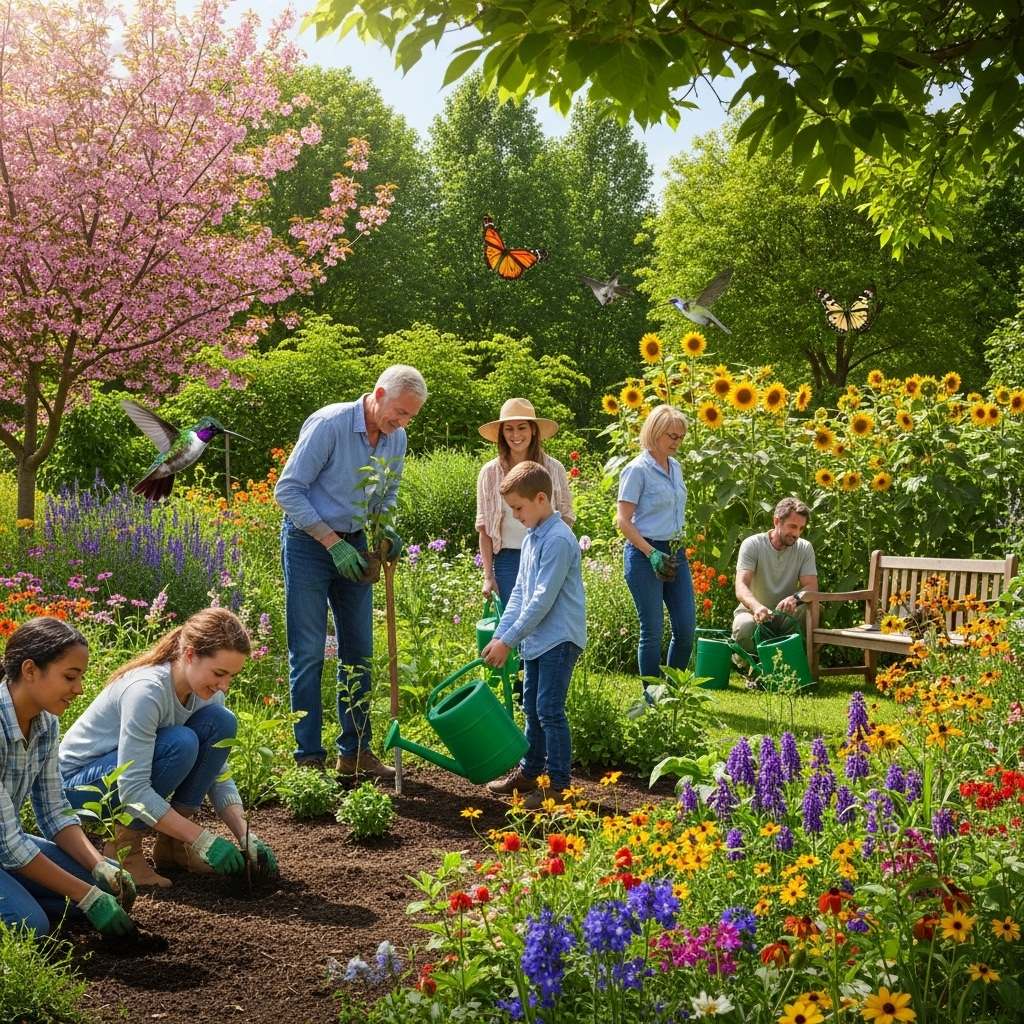
There are several types of pollinators, each playing a unique role in the ecosystem. Bees, especially honeybees and native species, are the most efficient pollinators due to their specialized body structures that collect and transfer pollen. Butterflies are not only beautiful to watch but also crucial for pollination, as they visit flowers seeking nectar. Birds, such as hummingbirds, and bats also contribute to pollination, particularly in regions where other pollinators may not thrive. I’ve had the pleasure of watching hummingbirds flit around my garden, and it’s an enchanting sight that enhances the gardening experience.
The Role of Pollinators in Ecosystems
Pollinators play a vital role in maintaining the health of ecosystems. They contribute to the growth of plants that provide food and habitat for other wildlife. Without pollinators, many of the fruits and vegetables we love, like apples, berries, and tomatoes, would become scarce. I’ve seen firsthand how a lack of pollinators can lead to fewer fruits on the trees, which reminds me of the delicate balance we must maintain within nature. Protecting pollinators is essential not just for our gardens but for food security and biodiversity as well.
Benefits of a Pollinator-Friendly Garden
Creating a garden that welcomes pollinators is beneficial for several reasons. First, it enhances the beauty of our outdoor spaces with an array of colors and textures. Second, a pollinator-friendly garden can increase fruit and vegetable yields, making it a rewarding endeavor for gardeners. I personally love the satisfaction of seeing my plants flourish and produce bountiful harvests, all thanks to the hardworking pollinators. Additionally, these gardens can help combat environmental issues like habitat loss and declining pollinator populations, contributing to a healthier planet.
Choosing Native Trees for Your Pollinator Garden
What Are Native Trees?
Native trees are species that naturally grow in a particular region without human introduction. These trees have adapted to the local climate, soil, and wildlife. I’ve always found that planting native species not only supports local ecology but also requires less maintenance since they’re well-suited to thrive in their native conditions. When we plant these trees, we help to sustain local wildlife, including our beloved pollinators.
Benefits of Planting Native Trees
There are numerous benefits to incorporating native trees into your garden. They provide essential food sources for pollinators through their flowers and fruits. Native trees also offer shelter for various wildlife, creating a more biodiverse ecosystem. I’ve noticed that in my own garden, the presence of native trees has attracted countless birds and insects, enriching my outdoor experience. Furthermore, native trees are generally more resilient to pests and diseases, making them a sustainable choice for any garden. For detailed guidance on maintaining these trees, consider reading Tree Pruning for Pollinator-Friendly Gardens and Ecosystems.
Top Native Trees for Pollinators
When selecting native trees for your garden, consider these top choices that are known to attract pollinators:
Oak Trees
Oaks are not only majestic but also incredibly beneficial for pollinators. They host a variety of insects, which in turn attract birds and other wildlife. I find it rewarding to watch the oak tree in my yard flourish, knowing it supports a vibrant ecosystem.
Willow Trees
Willows are among the first trees to bloom in spring, providing crucial nectar for early pollinators like bees. Their flexible branches and dense foliage also create excellent shelter for wildlife. Planting a willow has added a touch of grace to my garden while supporting pollinators.
Dogwood Trees
Dogwood trees produce beautiful flowers that attract a multitude of pollinators. Their berries are a food source for birds, making them a dual-purpose addition to any garden. I love seeing the dogwood bloom in spring, knowing it brings so many creatures to life.
Red Maple Trees
Red maples are another great choice, as their blossoms are a favorite among bees. The vibrant red foliage in fall adds an aesthetic appeal to the garden, creating a stunning visual display throughout the year. I often admire the changing colors of my red maple, which serves both beauty and function.
Selecting Native Plants for Pollinators
Understanding Native Plants
Native plants are species that have naturally adapted to the local environment over thousands of years. They are well-suited to the climate, soil, and wildlife of a specific area. I’ve come to appreciate how planting native flora can enrich my garden and support local ecosystems. It’s fascinating to see how these plants thrive without the need for chemical fertilizers or excessive watering, making them a sustainable choice for any gardener. Each time I add a new native plant to my garden, I feel like I’m contributing to a larger cause—preserving the natural beauty of our landscapes.
Advantages of Native Plants in Gardens
There are many reasons to choose native plants for creating a pollinator-friendly garden. First, they provide essential food sources for local wildlife, especially pollinators. By attracting bees, butterflies, and birds, we can witness a vibrant and bustling garden. I’ve noticed that when I introduced native plants into my garden, the activity of pollinators increased dramatically, bringing life and energy to my outdoor space. Native plants also require less water and maintenance since they’re adapted to the local environment. This means more time enjoying my garden and less time worrying about upkeep.
Top Native Plants for Attracting Pollinators
When selecting native plants for your garden, consider the following options, which are known to attract a variety of pollinators:
Wildflowers
Wildflowers are a fantastic choice for attracting pollinators. Species like coneflowers, black-eyed Susans, and milkweed are not only beautiful but also provide essential nectar and pollen. I’ve planted a patch of coneflowers in my garden, and watching the bees and butterflies flock to them has been one of my favorite experiences as a gardener. They add a splash of color while supporting local pollinator populations.
Herbs
Many herbs are not just for cooking; they also attract pollinators! Plants such as basil, thyme, and oregano can serve dual purposes. I always keep a small herb garden, and I love seeing the busy bees buzzing around my blooming basil plants. Plus, I get to enjoy fresh herbs in my meals, making it a win-win situation.
Grasses
Native grasses can play an essential role in a pollinator garden by providing cover and nesting sites. Species like little bluestem and switchgrass are excellent choices. I’ve learned that incorporating grasses into my garden not only adds texture but also creates a habitat for various pollinators. It’s amazing how such simple additions can create a more inviting environment for wildlife.
Shrubs
Native shrubs, such as elderberry and serviceberry, are great for attracting pollinators while providing shelter. These plants produce flowers that are rich in nectar and berries that feed birds and other wildlife. I remember when I planted an elderberry bush; it quickly became a favorite spot for not just pollinators but also birds during the berry season. It’s rewarding to see how these shrubs contribute to the ecosystem while enhancing the beauty of my garden.
Creating the Ideal Garden Layout
Garden Design Principles for Pollinators
When designing a garden specifically for pollinators, certain principles can guide us to create a welcoming habitat. For me, a well-thought-out layout makes all the difference. I’ve learned that grouping plants together in clusters can improve pollinator visits, as they prefer to find food sources in proximity rather than scattered throughout the garden. This way, we can create a lively area where pollinators feel comfortable and welcomed.
Layering Plants: Height and Density
Layering plants is an effective way to create an engaging and dynamic garden. By planting taller species at the back and shorter ones in front, we can create depth and diversity. I often choose a mix of heights to keep my garden visually interesting while ensuring that all plants receive adequate sunlight. This arrangement not only looks good but also provides habitats for various pollinators, allowing them to navigate through the different layers.
Creating Pollinator Habitat Zones
Designating specific areas within the garden as pollinator habitat zones can help attract and support these important creatures. I’ve found that setting aside a section of my garden for wildflowers and native grasses has turned that area into a hive of activity. It’s wonderful to have a dedicated space where I can observe pollinators in action, and it encourages me to keep the garden thriving.
Incorporating Water Sources
Providing a water source is essential for pollinators, especially during hot summer months. I’ve added a small birdbath and some shallow dishes filled with pebbles and water in my garden. This not only offers hydration but also creates a peaceful oasis for both pollinators and other wildlife. I love watching butterflies gently land on the edge of the bath, taking a sip before fluttering off to the flowers.
Maintenance of a Pollinator-Friendly Garden
Watering and Irrigation Tips
Keeping a pollinator-friendly garden thriving can be a rewarding experience, but it does require some attention, especially when it comes to watering. I’ve learned that the key is to find a balance. Overwatering can be just as harmful as underwatering. I try to water my garden deeply but less frequently, allowing the soil to dry out between sessions. This encourages plants to develop strong roots, which is beneficial for their overall health.
Using drip irrigation has been a game changer for me. It delivers water directly to the base of the plants, minimizing evaporation and ensuring that water goes where it’s needed most. I remember when I first set it up; it saved me hours of hand-watering and kept my plants consistently hydrated. If you can, consider using rain barrels to collect rainwater. This not only conserves water but also provides a natural source of hydration for your plants and pollinators.
Organic Pest Control Methods
As much as I love my garden, pests can sometimes become a nuisance. I’ve found that using organic pest control methods is the best way to maintain a healthy ecosystem. Instead of reaching for harsh chemicals, I opt for natural solutions. For example, introducing beneficial insects like ladybugs and lacewings can help control aphid populations. I’ve had a lot of success by simply allowing nature to take its course, as these insects will often find their way to my garden on their own.
Another method I use is companion planting. Certain plants can deter pests or attract beneficial insects, creating a natural balance. For instance, planting marigolds alongside my vegetables has helped keep pests at bay. I’ve also made homemade sprays using ingredients like garlic and soap, which can repel unwanted insects without harming pollinators. It was a relief to see that I could protect my garden without compromising the health of its visitors.
The Importance of Seasonal Care
Seasonal care is essential for the longevity and health of a pollinator-friendly garden. Each season brings its own challenges and opportunities. In spring, I focus on cleaning up any debris from winter and assessing my plants’ health. This is the perfect time to prune dead branches and prepare the soil for new growth. I often find myself getting excited about planting new native flowers and trees, knowing they will attract pollinators as they bloom.
During the summer, it’s crucial to monitor for pests and ensure that plants are getting enough water. I make it a habit to check my garden regularly, looking for any signs of distress. I also love to add mulch during the hotter months, which helps retain moisture in the soil and keeps the roots cool. The vibrant colors of my flowers in summer never fail to fill me with joy, especially with all the buzzing bees and fluttering butterflies around me.
As fall approaches, I prepare for the cooler weather by cutting back certain plants and collecting seeds. I’ve discovered that leaving some plants standing throughout the winter provides food and shelter for overwintering pollinators. This simple act makes me feel like I’m giving back to the ecosystem, providing a safe haven for these important creatures when they need it most.
Winter is a time of rest for the garden. I take this opportunity to reflect on the past year and plan for the next. I often research new native species to introduce or changes I want to make in my garden layout. I also enjoy the beauty of frost on my remaining plants and the peacefulness that winter brings. It reminds me that every season has its purpose and contributes to the overall health of my garden.
Enhancing Your Garden for Pollinators
Providing Shelter and Nesting Sites
To truly create a haven for pollinators, it’s not enough to just provide food sources. I’ve learned that offering shelter and nesting sites is equally important. For example, I’ve added small brush piles at the edge of my garden. This not only provides shelter for beneficial insects but also creates a cozy spot for pollinators to rest and hide from predators.
Another great addition is installing bee hotels or nesting boxes. I remember the excitement I felt when I first hung a bee hotel in my garden. It was fascinating to observe solitary bees taking up residence, knowing they were helping pollinate my plants. Native bees often prefer to nest in small tunnels, and these hotels mimic their natural habitat. It’s a simple yet effective way to support their populations.
Creating Pollinator Pathways
Connecting gardens with pollinator pathways is a wonderful way to enhance the landscape for these important creatures. I’ve discovered that planting native flowers along pathways or in public spaces can create corridors that encourage pollinators to thrive. It’s like building a bridge between gardens, making it easier for bees, butterflies, and other pollinators to travel between food sources.
When I created a small pathway lined with native plants in my neighborhood, I was amazed at how quickly it attracted pollinators. It was a joy to see the diverse wildlife it brought in, and it sparked conversations with neighbors about the importance of supporting local ecosystems. If we all worked together to establish these pathways, we could significantly boost pollinator populations in our communities.
Using Mulch and Ground Cover Plants
In my experience, using mulch and ground cover plants is another effective way to enhance a pollinator garden. Mulch helps retain moisture, suppress weeds, and regulate soil temperature, which benefits all the plants in your garden. I’ve found that organic mulches, like wood chips or straw, break down over time, enriching the soil and supporting healthy plant growth.
Ground cover plants, such as creeping thyme or clover, can also provide additional benefits. They not only prevent weed growth but also create a lush habitat for pollinators. I’ve noticed that when I introduced creeping thyme, it became a favorite spot for bees to forage. Plus, it’s low-maintenance and adds a lovely green carpet to my garden.
Frequently Asked Questions
What are pollinators?
Pollinators are living organisms that assist in the transfer of pollen from one flower to another, facilitating the reproduction of flowering plants. This process is essential for the production of fruits, seeds, and nuts, which are vital for plant reproduction and the survival of many species, including humans.
Why are bees considered the most efficient pollinators?
Bees, especially honeybees and native species, are the most efficient pollinators due to their specialized body structures that collect and transfer pollen effectively.
What are the benefits of creating a pollinator-friendly garden?
Creating a pollinator-friendly garden enhances the beauty of outdoor spaces, increases fruit and vegetable yields, and helps combat environmental issues like habitat loss and declining pollinator populations.
What are native trees?
Native trees are species that naturally grow in a particular region without human introduction. They have adapted to the local climate, soil, and wildlife, requiring less maintenance and supporting local ecology.
Why should I plant native trees in my garden?
Planting native trees provides essential food sources for pollinators, offers shelter for various wildlife, contributes to a more biodiverse ecosystem, and is generally more resilient to pests and diseases.
What are some top native trees known to attract pollinators?
Some top native trees for attracting pollinators include Oak Trees, Willow Trees, Dogwood Trees, and Red Maple Trees, each offering unique benefits and support for various wildlife.
What are the advantages of using native plants in gardens?
Native plants provide essential food sources for local wildlife, attract pollinators, require less water and maintenance, and contribute to the overall health of the ecosystem.
How can I enhance my garden layout for pollinators?
Enhancing your garden layout for pollinators can involve grouping plants in clusters, layering plants by height, creating designated pollinator habitat zones, and incorporating water sources.
What maintenance practices are important for a pollinator-friendly garden?
Maintenance practices include proper watering, using organic pest control methods, seasonal care such as cleaning and preparing the garden in spring, monitoring for pests in summer, and preparing for winter by leaving some plants standing for overwintering pollinators.
How can I provide shelter for pollinators in my garden?
You can provide shelter for pollinators by adding small brush piles, installing bee hotels or nesting boxes, and creating a diverse habitat that offers resting spots and protection from predators.