
The best way to encourage more blooms on your hydrangeas is to deadhead them regularly, typically after the flowers fade. This simple practice helps redirect the plant’s energy towards new growth and flowers.
Hydrangeas are stunning plants that can bring vibrant colors to our gardens. By understanding how to care for them, particularly through deadheading, we can ensure they flourish season after season. Read Interesting article: Best Time to Plant Hydrangeas: Your Seasonal Planting Guide
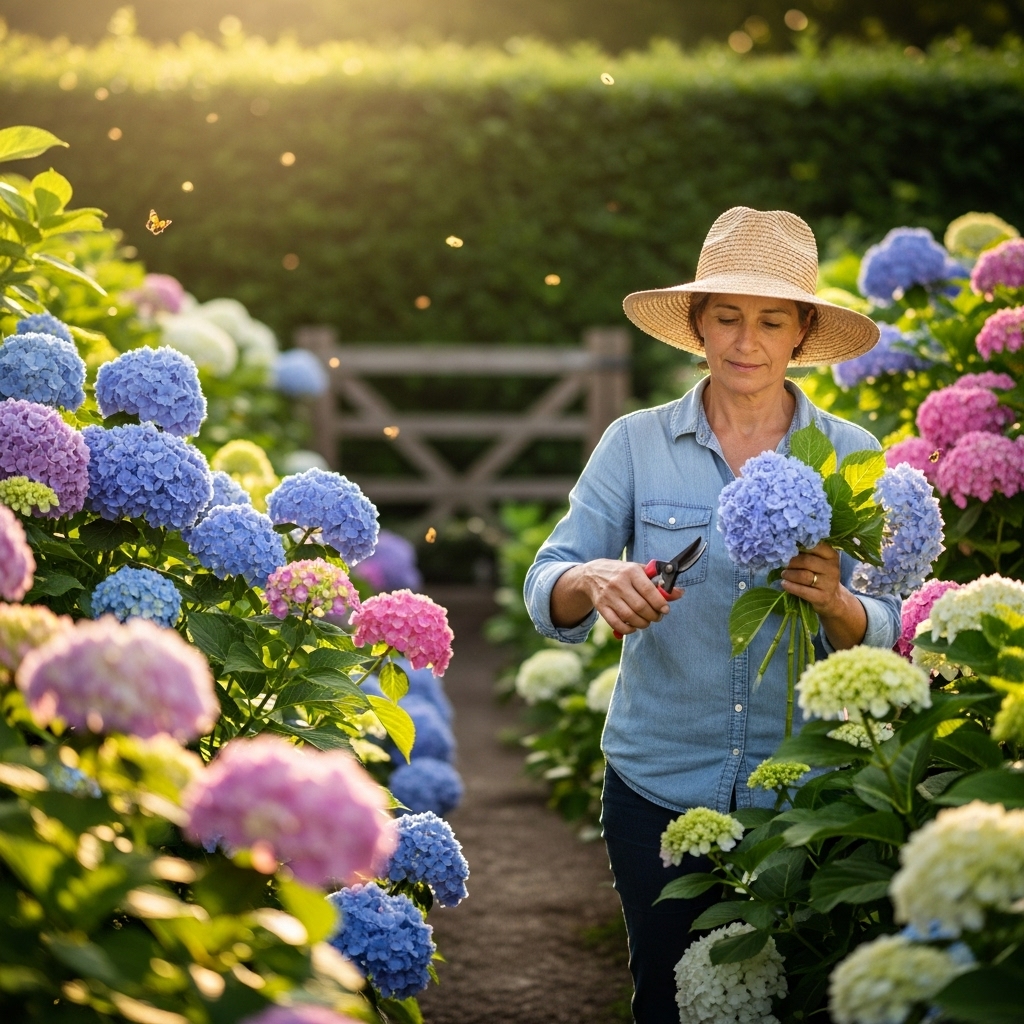
Understanding Hydrangeas
Hydrangeas are a favorite among gardeners for their lush foliage and vibrant blooms. They come in various types and varieties, each with unique characteristics that can impact how we care for them. In my experience, learning about these differences has greatly enhanced my ability to nurture my hydrangeas effectively.
Types of Hydrangeas
There are several types of hydrangeas, and understanding which one you have is crucial for proper care. The main types include:
- Hydrangea macrophylla: Often called mophead or lacecap hydrangeas, these are the most common in gardens.
- Hydrangea paniculata: Known as panicle hydrangeas, they feature cone-shaped flower clusters.
- Hydrangea quercifolia: Also called oakleaf hydrangeas, these have unique leaves resembling oak trees and are known for their autumn color.
- Hydrangea arborescens: Commonly known as smooth hydrangeas, these are excellent for cutting gardens and produce large round flower heads.
Each type has its own care requirements, so identifying yours is the first step to successful hydrangea gardening.
Common Varieties (e.g., Mophead, Lacecap)
Among the most popular varieties, mophead hydrangeas are known for their large, round flower clusters, which can be blue, pink, or purple, depending on soil pH. Lacecap hydrangeas, on the other hand, have a flatter flower structure, typically surrounded by a ring of larger florets. I remember visiting a friend’s garden and being captivated by the delicate beauty of her lacecap hydrangeas; they almost looked like a work of art! Understanding these characteristics helps in planning how to maintain them.
Growth Habits and Blooming Cycles
Hydrangeas exhibit varying growth habits based on their type. For instance, mophead and lacecap varieties generally bloom on old wood, meaning the previous year’s growth produces the flowers, while panicle hydrangeas bloom on new wood, leading to blooms on the current year’s growth. This distinction is so important because it directly impacts when we should deadhead and how we should prune. I’ve noticed that taking the time to observe their blooming cycles has made a real difference in the beauty of my own plants.
What is Deadheading?
Deadheading is the process of removing spent flowers from a plant. This practice not only keeps the plant looking tidy but also encourages healthy growth and blooming. I’ve found that taking a few moments to deadhead my hydrangeas can lead to an explosion of blooms later in the season.
Definition of Deadheading
Simply put, deadheading involves snipping off the faded flowers, which can be done with pruning shears or even your fingers, depending on the plant’s size and structure. The goal is to prevent the plant from going to seed, allowing it to focus on producing new flowers instead. I always feel a sense of satisfaction when I see my hydrangeas respond to this care with new blooms.
Benefits of Deadheading Hydrangeas
There are several benefits to deadheading hydrangeas. First and foremost, it helps promote more flowers. By removing the old blooms, we signal to the plant that it’s time to produce new growth. Additionally, deadheading encourages a bushier plant, as it can stimulate lateral growth. I’ve also noticed that my hydrangeas become less prone to disease since deadheading can help minimize the risk of rot associated with decaying flowers.
How Deadheading Affects Bloom Production
When we deadhead hydrangeas, we can significantly affect their blooming patterns. For example, many hydrangeas will continue to produce flowers throughout the summer if they are regularly deadheaded. I remember the first summer I kept up with deadheading — my blooms were more vibrant and lasted longer than ever before. This experience taught me how important it is to stay on top of this simple yet effective task.
When to Deadhead Hydrangeas
Timing is crucial when it comes to deadheading hydrangeas. Knowing when to do it based on the type of hydrangea you have can make a world of difference in bloom production. In my case, I’ve learned to observe the blooms closely and act accordingly.
Timing Based on Hydrangea Type
As I mentioned earlier, different hydrangeas have different blooming habits. For those that bloom on old wood, like mopheads and lacecaps, it’s best to wait until after they bloom in the spring before deadheading. For those that bloom on new wood, like panicle hydrangeas, you can deadhead them throughout the growing season. Understanding this distinction has been key in my efforts to nurture my garden, as it allows me to maximize blooms. Read Interesting article: Pruning Hydrangeas in Spring : Should I? Tips and Techniques
Seasonal Considerations (Spring vs. Fall)
In general, I like to do most of my deadheading in late summer when the blooms are starting to fade. This timing gives the plants a chance to rejuvenate before the onset of cooler fall weather. However, I’ve noticed that some gardeners prefer a light deadheading in the fall for aesthetic purposes, especially if they want to clean up their garden for winter. It’s really about what works best for your garden and what you prefer to see.
Signs Your Hydrangeas Need Deadheading
It’s relatively easy to tell when your hydrangeas need deadheading. If the blooms are wilting, browning, or losing their vibrant color, it’s time to get snipping! I often check my plants regularly; sometimes, I even find myself deadheading as I stroll through the garden, taking in the beauty around me. This regular maintenance not only benefits the plants but also gives me a chance to connect with my garden.
How to Deadhead Hydrangeas
Now that we understand the importance of deadheading, let’s dive into how to do it effectively. I remember feeling a bit intimidated the first time I attempted this, not wanting to harm my beloved plants. But once I got the hang of it, it became a simple and satisfying part of my gardening routine.
Essential Tools for Deadheading
Before you start deadheading, it’s helpful to gather a few essential tools. I’ve found that having the right equipment makes the process smoother and more enjoyable. Here’s what I recommend:
- Pruning Shears: A good pair of sharp pruning shears is my go-to tool for deadheading. They cleanly cut through stems and make the job much easier.
- Gardening Gloves: While it’s not strictly necessary, I like to wear gloves to protect my hands, especially if I’m working with thorny or rough varieties.
- Bucket or Bag: Having a container handy for collecting the spent blooms keeps my workspace tidy and makes cleanup a breeze.
These tools can make the deadheading process feel much more manageable, especially if you have a lot of plants to tend to.
Step-by-Step Deadheading Process
Deadheading doesn’t have to be complicated. Here’s a simple step-by-step process that I follow:
- Inspect the Plant: Start by walking around your hydrangeas and looking for spent blooms. I like to identify which flowers are fading and which ones are still vibrant.
- Make the Cut: Using your pruning shears, cut the spent flower just above the first set of healthy leaves. This helps promote new growth and keeps the plant looking tidy. For me, making a clean cut feels rewarding, as if I’m giving my plant a fresh start.
- Dispose of the Blooms: Place the removed blooms in your bucket or bag to keep your garden neat. I find it satisfying to see the collected spent flowers, knowing I’ve made a positive impact.
- Check for Other Issues: While you’re deadheading, take a moment to look for any signs of disease or pests. Catching these early can save you a lot of trouble down the line.
This straightforward process not only keeps my hydrangeas healthy, but it also allows me to spend quality time in my garden, connecting with nature.
Techniques for Different Hydrangea Types
It’s important to adjust your deadheading technique based on the type of hydrangea you have. I learned early on that one size does not fit all in gardening. Here’s how I handle different types:
- Mophead and Lacecap Hydrangeas: For these varieties, I wait until the blooms are fully spent before cutting. I make sure to prune them back to healthy leaves, as this encourages new growth for the following year.
- Panicle Hydrangeas: These are a bit more forgiving since they bloom on new wood. I often deadhead them throughout the summer, and sometimes I even cut them back more significantly after their blooms fade, which helps with their overall shape.
- Oakleaf Hydrangeas: I’m careful with these beauties. Since they have unique foliage, I focus on deadheading the spent blooms without disturbing their leaves too much.
Adapting my technique based on each type has made a noticeable difference in how my hydrangeas respond, and I love seeing them thrive.
Aftercare for Deadheaded Hydrangeas
After deadheading, it’s essential to provide the right care to ensure your hydrangeas continue to thrive. I’ve found that a little extra attention goes a long way in promoting healthy growth and vibrant blooms.
Watering and Fertilization Tips
Watering is crucial, especially after deadheading, as the plant may need extra hydration to support new growth. I usually make sure my hydrangeas receive a deep watering, particularly during hot summer days. Additionally, I like to apply a balanced, slow-release fertilizer to give them an extra boost. This practice helps replenish nutrients that may have been depleted from all the flowering.
Pest and Disease Management Post-Deadheading
After deadheading, I always keep an eye out for pests and diseases. I’ve noticed that hydrangeas can be susceptible to issues like powdery mildew or aphids. Regular inspections, along with ensuring good air circulation around the plants, can help prevent these problems. If I spot any pests, I act quickly with organic insecticides or a simple spray of water to dislodge them.
Preparing for Next Bloom Cycle
As summer winds down, preparing my hydrangeas for their next bloom cycle becomes essential. I make sure to continue regular maintenance, including deadheading and watering. In late summer, I often look into applying a light layer of mulch to conserve moisture and regulate soil temperature as fall approaches. This little act of care helps set my plants up for success in the following blooming season. Read Interesting article: When to Cut Back Hydrangeas for Winter : A Comprehensive Guide
Common Mistakes to Avoid
As I’ve spent more time caring for my hydrangeas, I’ve learned that there are common pitfalls many gardeners encounter. Avoiding these mistakes can make a big difference in the overall health and beauty of our beloved plants.
Deadheading at the Wrong Time
One of the biggest mistakes I see is deadheading at the wrong time. Timing is everything when it comes to hydrangeas. For example, if you deadhead a mophead or lacecap hydrangea too early, you might cut off the blooms that would have developed on old wood next season. I remember a year when I was overly eager and cut my blooms too soon. The following year, my hydrangeas were sparse and disappointing, reminding me of the importance of patience. Always take a moment to observe the drying blooms and understand the growth pattern of your hydrangea type before making the cut.
Over-Deadheading and Its Effects
Another mistake I’ve made is over-deadheading, which can actually stress the plant and hinder its blooming potential. While it can be tempting to keep removing every faded flower, it’s important to leave a few blooms intact, especially on varieties that may still produce flowers later in the season. I’ve noticed that my hydrangeas thrive better when I focus on the most spent blooms rather than getting carried away. Striking a balance is key to maintaining their health and vigor.
Ignoring Plant Health Signals
Sometimes, I get so focused on deadheading that I overlook other signs of plant health. Hydrangeas can communicate when something is off, whether through wilting leaves, discoloration, or stunted growth. I’ve learned that while deadheading is crucial, it’s equally important to check for pests, diseases, or nutritional deficiencies. If I notice my hydrangeas looking a bit off, I take a step back to assess the entire plant rather than just focusing on the blooms. This holistic approach has helped me keep my hydrangeas in top shape.
Additional Tips for Hydrangea Care
Beyond deadheading, there are many other aspects of hydrangea care that I’ve picked up over the years. These tips can help ensure our plants continue to flourish and put on a stunning display season after season.
Pruning Techniques for Optimal Growth
Pruning is an essential part of hydrangea care, and I’ve learned that the right technique can really make a difference. For most hydrangeas, I like to wait until late winter or early spring to prune. This allows me to see the structure of the plant better and avoid cutting off potential buds. When pruning, I focus on removing dead or damaged branches and shaping the plant without being overly aggressive. I remember the first time I pruned too much; my hydrangea was bare for quite some time, and it was a hard lesson in moderation!
Seasonal Maintenance Practices
Throughout the growing season, I find that seasonal maintenance plays a vital role in the health of my hydrangeas. In spring, I make sure to clear away any debris from winter, which can harbor pests or diseases. Mid-summer, I keep an eye on moisture levels, especially during dry spells, ensuring my hydrangeas get enough water. I also consider applying a layer of mulch to retain moisture and suppress weeds. These seasonal tasks have helped my plants thrive year after year.
Choosing the Right Location and Soil Conditions
Location is crucial for hydrangeas to flourish. I’ve discovered that hydrangeas generally prefer locations with morning sun and afternoon shade. This balance helps protect them from scorching heat while still providing enough light to promote blooming. Additionally, I pay attention to soil conditions; hydrangeas thrive in well-draining, rich soil. Over the years, I’ve amended my garden beds with organic compost to enhance soil quality, and I’ve seen a noticeable improvement in my plants’ health and bloom production.
Frequently Asked Questions
What is the best way to encourage blooms on hydrangeas?
The best way to encourage more blooms on hydrangeas is to deadhead them regularly, typically after the flowers fade. This practice helps redirect the plant’s energy towards new growth and flowers.
What are the main types of hydrangeas?
The main types of hydrangeas include Hydrangea macrophylla (mophead or lacecap), Hydrangea paniculata (panicle), Hydrangea quercifolia (oakleaf), and Hydrangea arborescens (smooth).
What is deadheading?
Deadheading is the process of removing spent flowers from a plant. This practice keeps the plant looking tidy and encourages healthy growth and blooming.
When is the best time to deadhead hydrangeas?
The best time to deadhead hydrangeas depends on their type. For mophead and lacecap varieties that bloom on old wood, it’s best to wait until after they bloom in the spring. For panicle hydrangeas that bloom on new wood, you can deadhead them throughout the growing season.
What tools do I need for deadheading hydrangeas?
Essential tools for deadheading hydrangeas include sharp pruning shears, gardening gloves, and a bucket or bag for collecting spent blooms.
How do I deadhead hydrangeas effectively?
To deadhead hydrangeas, inspect the plant for spent blooms, cut them just above the first set of healthy leaves using pruning shears, dispose of the blooms, and check for any other issues like pests or diseases.
What are the benefits of deadheading hydrangeas?
Deadheading hydrangeas promotes more flowers, encourages a bushier plant, and can help minimize the risk of disease by reducing decaying flowers.
What common mistakes should I avoid when deadheading hydrangeas?
Common mistakes include deadheading at the wrong time, over-deadheading, and ignoring other health signals from the plant, such as wilting leaves or discoloration.
How can I care for hydrangeas after deadheading?
After deadheading, it’s important to water the hydrangeas deeply, apply a balanced, slow-release fertilizer, and monitor for pests and diseases.
What seasonal maintenance practices are important for hydrangeas?
Seasonal maintenance practices include clearing debris in spring, monitoring moisture levels during dry spells, and applying mulch to retain moisture and suppress weeds.